What is the smelliest flower?
Short answer
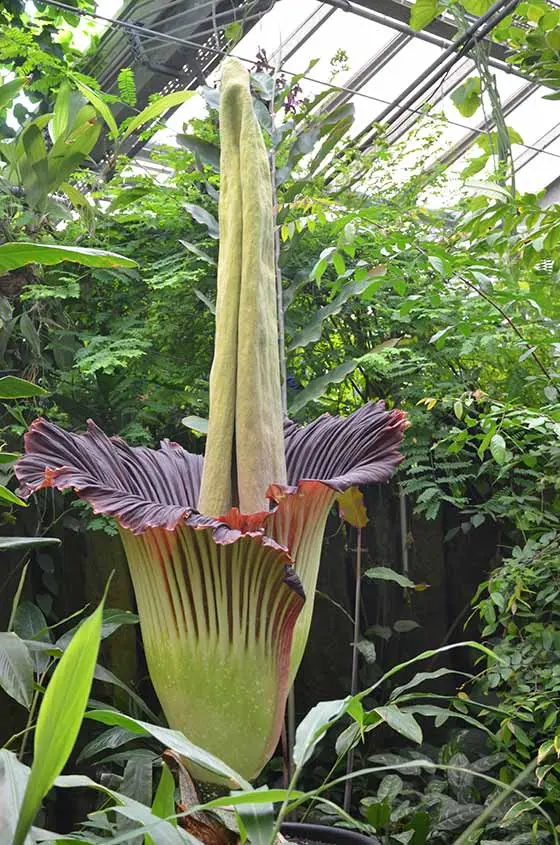
The titan arum, Amorphophallus titanum, holds the title for the world’s smelliest flower. Its massive inflorescence emits a potent odor reminiscent of rotting meat and decaying fish to attract carrion-feeding pollinators. This pungent scent, which can travel for miles, serves as a survival mechanism in the dense rainforests of Sumatra, Indonesia.
On this page
Why does the titan arum smell so bad?
The titan arum produces its infamous stench as a specialized evolutionary strategy to ensure reproduction. Unlike flowers that rely on bees or butterflies, this plant targets carrion beetles and flesh flies that typically feed on dead animals. By mimicking the scent of rotting flesh, the flower tricks these insects into visiting the bloom, thinking they have found a food source or a place to lay their eggs.
The chemical cocktail responsible for the smell includes dimethyl trisulfide, which smells like limburger cheese, and isovaleric acid, which resembles sweaty socks. Additionally, the plant produces trimethylamine, which smells like rotting fish, and indole, which contributes a fecal odor. When these compounds combine, they create a powerful, nauseating stench that is detectable from significant distances. This biological deception is highly effective in the humid, still air of the Sumatran rainforest, where the scent can linger and draw pollinators from far away.
How long does the titan arum bloom?
The blooming cycle of the titan arum is notoriously unpredictable and brief, making it a rare spectacle for botanists and the public alike. The plant spends years gathering energy in its underground corm before pushing up a massive inflorescence. Once the bloom opens, it typically remains in its peak state for only 24 to 48 hours before collapsing.
Because the bloom is so short-lived, timing is critical for pollination. The plant must release its strongest scent during the first night of flowering to attract nocturnal carrion insects. If you are planning to visit a botanical garden to witness a bloom, keep the following in mind:
- Monitor websites of local botanical gardens, as they often post alerts when a bloom is imminent.
- Be prepared for long lines, as public interest spikes immediately upon the announcement of a flowering event.
- Understand that the smell is most intense during the first few hours of the opening phase.
What other flowers compete for the title?
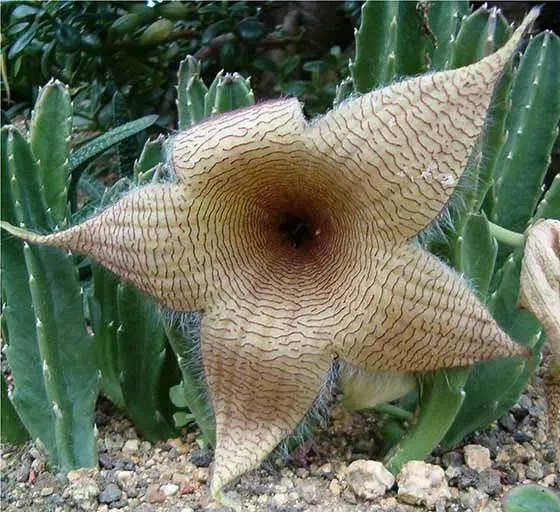
While the titan arum is the most famous, several other plants produce equally repulsive odors. The carrion flower, or Stapelia gigantea, is a popular choice for home gardeners who enjoy unusual botanical specimens. It produces a large, hairy, star-shaped flower that smells like rotting meat to attract flies. Unlike the titan arum, it is much smaller and easier to manage in a greenhouse or indoor container.
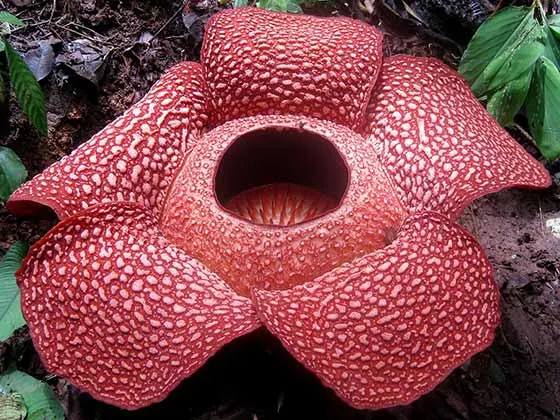
Another notable competitor is the corpse flower of the genus Rafflesia. This parasitic plant produces the largest individual flower in the world, which can reach three feet in diameter. It lacks visible leaves, stems, or roots, living entirely within its host vine until it emerges to bloom. Like the titan arum, it emits a foul odor to attract flies, though its growth cycle is even more mysterious and difficult to cultivate in captivity than the titan arum.
How to grow a corpse flower at home
Cultivating a titan arum at home is an extremely difficult task reserved for experienced horticulturists with significant space. The plant requires a massive pot and a strictly controlled environment to mimic its native tropical habitat. If you are determined to attempt this, follow these essential steps:
- Provide a large, deep container to accommodate the massive corm, which can weigh over 100 pounds.
- Maintain high humidity levels between 70 and 90 percent, and keep temperatures consistently between 75 and 85 degrees Fahrenheit.
- Use a well-draining, nutrient-rich soil mix, and ensure the plant receives bright, indirect light throughout its vegetative phase.
- Be prepared to wait seven to ten years for the plant to reach a size capable of producing its first inflorescence.
Most home gardeners find that the space requirements and the specific climate needs make the titan arum impractical. If you want the experience of a smelly flower without the massive size, consider Stapelia or Orbea species, which offer similar olfactory profiles in a manageable package.
Common mistakes when growing smelly flowers
The most frequent error gardeners make with carrion-scented plants is overwatering. Because many of these species, such as Stapelia, are succulent in nature, they are highly susceptible to root rot if the soil remains damp for too long. Always allow the soil to dry out completely between waterings, especially during the winter months when the plant enters a period of dormancy.
Another common mistake is placing these plants in areas with poor ventilation. While you may want to keep the smell contained, these plants require fresh air circulation to stay healthy and prevent fungal infections. Furthermore, beginners often fail to provide enough light, leading to "etiolation," where the plant becomes thin and weak as it stretches toward a light source. Avoid these pitfalls by:
- Using a gritty, cactus-style potting mix to ensure rapid drainage.
- Placing the plant in a location with high airflow but away from cold, direct drafts.
- Providing at least six hours of bright, indirect sunlight daily to support the plant's energy needs.
- Fertilizing only during the active growing season with a balanced, diluted liquid fertilizer to avoid burning the roots.
Key facts
- The titan arum (Amorphophallus titanum) is widely considered the world’s smelliest flower, emitting an odor reminiscent of rotting meat.
- This scent is produced by sulfur compounds, including dimethyl trisulfide and dimethyl disulfide, which mimic the smell of carrion.
- The plant’s bloom can reach heights of up to 10 feet, making it the largest unbranched inflorescence in the plant kingdom.
- The stench serves a practical evolutionary purpose: it attracts carrion beetles and flesh flies that pollinate the plant.
- Titan arum blooms are extremely rare and unpredictable, often taking seven to ten years to flower for the first time.
- When visiting a blooming titan arum, avoid standing directly downwind, as the concentrated odor can be physically overwhelming and nauseating.
The bottom line
The titan arum holds the title for the world’s smelliest flower, utilizing a potent, rot-like stench to ensure its survival through insect pollination. While its rare and dramatic bloom is a marvel of the botanical world, the experience is best enjoyed from a distance. Understanding that this smell is an evolutionary adaptation helps us appreciate the complex, often bizarre strategies plants use to thrive in nature.
People also ask
Does the titan arum bloom every year?
No, the titan arum is notoriously unpredictable and does not follow a strict annual schedule. It may take several years of vegetative growth before it stores enough energy to produce a single, massive inflorescence.
How long does the smell last?
The peak intensity of the odor typically lasts for only 6 to 12 hours during the first day of the bloom. After this period, the scent rapidly dissipates as the plant completes its pollination cycle.
Is the titan arum the only flower that smells like rotting meat?
No, several other plants have evolved similar "carrion flower" scents to attract specific pollinators. Examples include the stapelia, the carrion flower (Stapelia gigantea), and the dead horse arum lily.
Can you grow a titan arum at home?
While possible, it is extremely difficult for home gardeners because the plant requires high humidity, consistent tropical temperatures, and a massive amount of space. Most specimens are kept in specialized botanical garden greenhouses.
Are there flowers that smell pleasant instead of foul?
Yes, the vast majority of flowers produce sweet, floral, or spicy scents to attract bees, butterflies, and moths. Common examples include jasmine, gardenia, and lavender, which rely on nectar rather than decay to lure pollinators.
Is the smell of the titan arum harmful to humans?
The smell is unpleasant and can cause nausea or headaches in sensitive individuals, but it is not toxic. The chemical compounds are simply designed to mimic the scent of death to deceive insects.
This answer was created with the help of AI research tools and reference sources. Spotted an error? Let us know — we correct mistakes quickly. See our editorial policy.