How big do woodpeckers get?
Short answer
Woodpeckers range significantly in size, from the sparrow-sized piculets to the crow-sized pileated woodpecker. Most species measure between 6 and 15 inches in length. While the smallest species weigh less than an ounce, the largest can reach nearly 12 ounces, reflecting the vast diversity found within the Picidae family globally.
On this page
How big are the smallest and largest woodpeckers?
The size spectrum of woodpeckers is remarkably broad, spanning from tiny, elusive species to large, striking birds. At the lower end of the scale, the bar-breasted piculet of South America stands as one of the smallest, measuring only about 3 to 4 inches in length and weighing a fraction of an ounce. These miniature birds often go unnoticed due to their diminutive stature and habit of foraging in dense forest undergrowth.
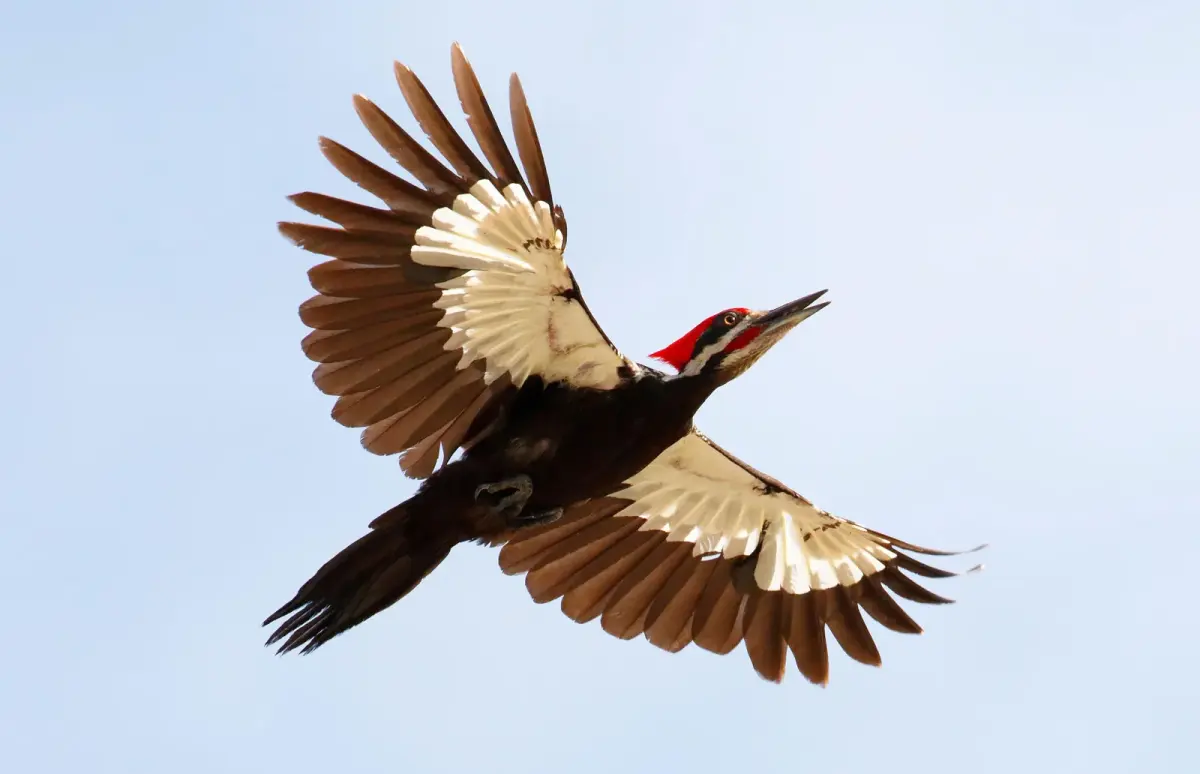
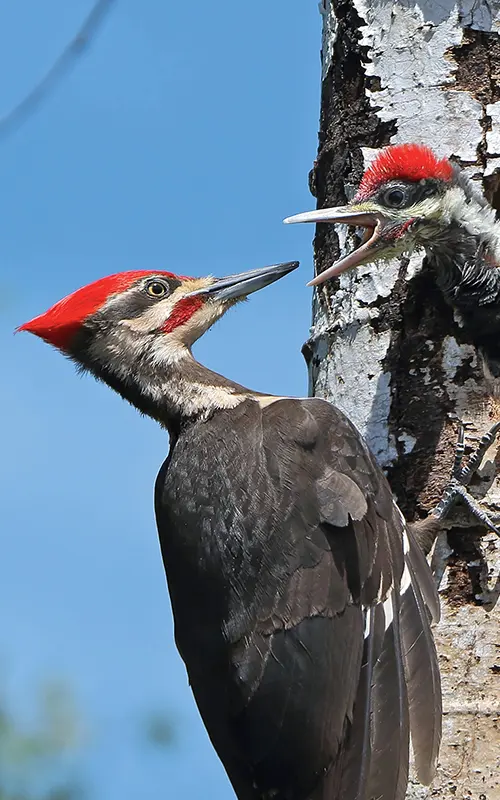
Conversely, the pileated woodpecker represents one of the largest extant species in North America. These birds can grow up to 19 inches long with a wingspan reaching nearly 30 inches. Their impressive size is matched by a robust, chisel-like beak capable of excavating deep rectangular holes in dead trees. While the ivory-billed woodpecker was historically larger, it is now widely considered extinct, leaving the pileated woodpecker as the primary giant among its North American relatives.
How to identify woodpecker size in the field
Identifying woodpeckers by size requires careful observation of context and relative proportions. Beginners often struggle to estimate size accurately because birds are frequently viewed against a backdrop of trees rather than a fixed scale. To improve your identification skills, compare the bird to common yard visitors like sparrows, robins, or crows. This relative sizing provides a much more reliable metric than attempting to guess the exact number of inches while the bird is in motion.
When observing, consider these physical markers to gauge scale:
- Bill-to-tail length: Note how much of the tree trunk the bird occupies.
- Wing profile: Larger woodpeckers exhibit slower, deeper wing beats compared to the rapid, fluttery flight of smaller species.
- Head proportions: Larger species often possess more prominent crests, which can make them appear larger than their actual body mass suggests.
Why do woodpeckers vary so much in size?
The variation in woodpecker size is primarily an evolutionary adaptation to their specific ecological niches and foraging strategies. Smaller species, such as downy woodpeckers, are agile enough to forage on thin branches and reeds where larger birds would be unable to support their weight. Their smaller mass allows them to access food sources, such as tiny larvae and insects, that are inaccessible to heavier competitors. This specialization reduces competition for resources within the same habitat.
Larger woodpeckers, such as the northern flicker or pileated woodpecker, have evolved to exploit different food sources. Their substantial size and powerful musculature allow them to excavate deep into heartwood to reach carpenter ants and wood-boring beetle larvae. This ability to break through thick, decaying wood is a high-energy activity that requires significant physical strength. Consequently, their larger body size is a direct result of the mechanical demands placed on them by their specialized diet and nesting requirements.
Common mistakes when estimating bird size
One of the most frequent errors birdwatchers make is overestimating the size of a bird due to its plumage or behavior. A woodpecker that is actively drumming or displaying its wings may appear significantly larger than it actually is. Furthermore, distance and lighting conditions can distort depth perception, leading observers to believe a small bird is closer and therefore larger than it truly is. Always look for nearby reference points like branches or leaves to calibrate your sense of scale.
To avoid common identification pitfalls, follow these steps:
- Observe the bird for several minutes before making a size judgment.
- Compare the bird to other species currently in the same frame of view.
- Consult a field guide only after noting the bird's behavior and markings, as size is often a secondary identification factor.
- Avoid relying solely on memory, as the excitement of a sighting often biases the observer toward reporting a larger, more impressive bird.
How to attract different sized woodpeckers to your yard
Attracting a variety of woodpeckers depends on providing the right environment for their specific size and needs. Smaller species are often attracted to suet feeders filled with high-energy fats, which provide the necessary calories for their high metabolism. Larger woodpeckers require more substantial support structures, such as large-diameter trees or specialized, heavy-duty suet cages that can accommodate their larger frames and longer tails. Providing a mix of food sources ensures that both small and large species find suitable sustenance.
Creating a welcoming habitat involves more than just feeders. You should consider the following landscaping practices:
- Leave dead trees or snags standing, as these provide natural nesting sites and food sources for all sizes of woodpeckers.
- Install bird baths that are deep enough for larger birds but have shallow edges for smaller species to utilize comfortably.
- Plant native trees that produce nuts or berries, which serve as a natural supplement to the insects woodpeckers hunt.
- Maintain a quiet yard environment to encourage these often-skittish birds to visit regularly, regardless of their size.
Key facts
- The largest woodpecker in the world is the Great Slaty Woodpecker, which can reach lengths of up to 20 inches.
- The Downy Woodpecker is the smallest species in North America, measuring only about 6 inches long.
- Most woodpeckers fall into the medium size range, typically measuring between 7 and 12 inches in length.
- Weight is a better indicator of size than length, with most species weighing between 1 and 10 ounces.
- Avoid mistaking flickers for other woodpeckers; they are ground-foragers and are significantly larger than most tree-climbing species.
- When identifying a woodpecker, look at the beak-to-tail length while the bird is perched against a tree trunk for an accurate estimate.
The bottom line
Woodpeckers exhibit a wide range of sizes, varying from the diminutive 6-inch Downy Woodpecker to the impressive 20-inch Great Slaty Woodpecker. Most species encountered in backyards are medium-sized, adapted for life on tree trunks. Understanding these size differences helps in accurate identification. By providing appropriate food and respecting their natural behaviors, you can enjoy observing these specialized birds as they thrive in your local environment.
People also ask
Do woodpeckers cause structural damage to homes?
Woodpeckers may drill into wooden siding to search for insects or create nesting cavities. To prevent this, hang reflective tape or motion-activated devices to deter them from sensitive areas.
How fast can a woodpecker peck?
A woodpecker can strike a tree up to 20 times per second. This rapid movement is supported by specialized skull structures that absorb the intense physical shock.
What do woodpeckers eat besides insects?
Many species supplement their diet with fruits, nuts, seeds, and tree sap. Providing suet feeders in your garden is an effective way to attract them during colder months.
Why do woodpeckers drum on metal surfaces?
Drumming on metal gutters or chimneys creates a loud, resonant sound used to claim territory or attract mates. This behavior is most common during the spring breeding season.
How can I tell a male woodpecker from a female?
In most species, males possess distinct red markings on their heads that females lack. Consult a field guide to identify the specific color patterns for species in your region.
Are all woodpeckers migratory?
While some species migrate south for the winter to find food, many remain in their home ranges year-round. Providing a consistent food source helps them survive harsh winter conditions.
This answer was created with the help of AI research tools and reference sources. Spotted an error? Let us know — we correct mistakes quickly. See our editorial policy.