Why do dogs eat grass?
Short answer
Dogs eat grass primarily due to instinctual behavior rather than nutritional deficiency or illness. While some owners believe it indicates an upset stomach, research shows most grass-eating dogs are healthy and do not vomit afterward. This common habit likely stems from ancestral scavenging behaviors or simply a preference for the texture and taste.
On this page
Why do dogs eat grass?
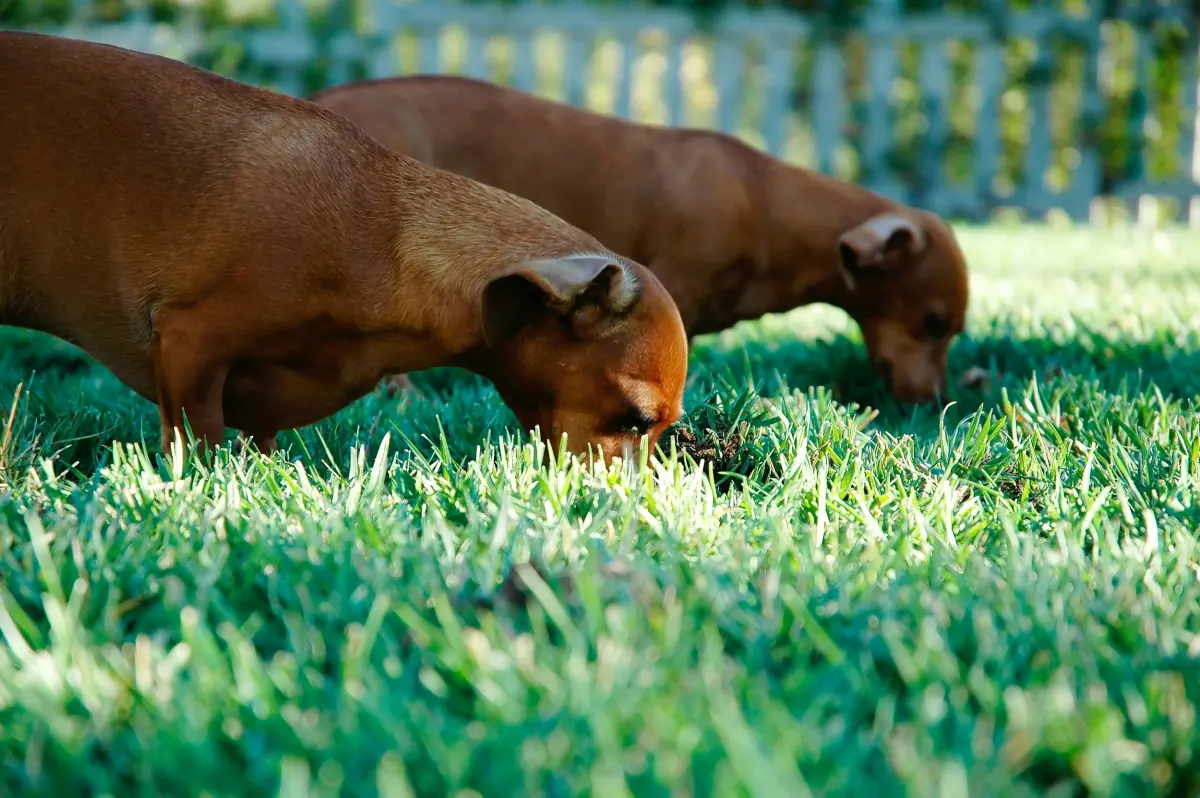
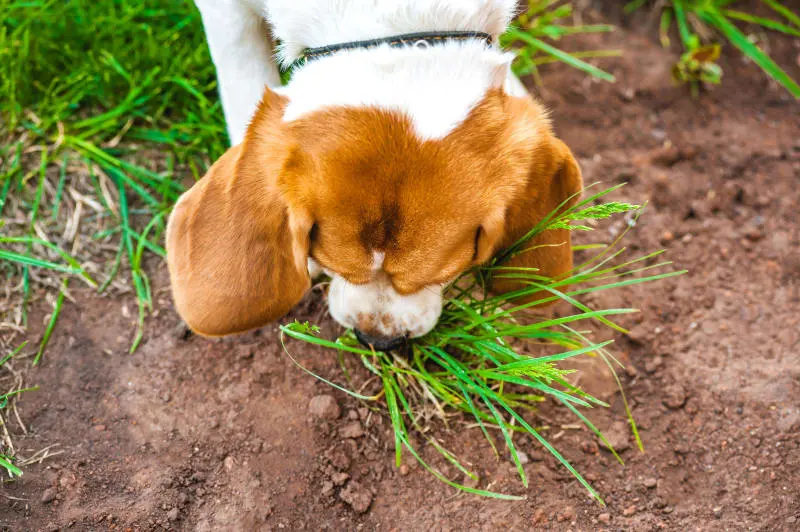
Veterinary experts generally agree that grass consumption is a normal canine behavior. Studies suggest that fewer than 25 percent of dogs vomit after eating grass, contradicting the popular myth that it is a medicinal response to digestive distress. Instead, many dogs simply enjoy the sensation of grazing, which may be a lingering trait from their wolf ancestors who consumed the stomach contents of herbivorous prey.
Beyond ancestral habits, some dogs may eat grass out of boredom or curiosity. If a dog is left alone in a yard for long periods, they might turn to the lawn as a source of stimulation. Because grass is readily available and provides a different tactile experience than commercial kibble, it serves as a convenient outlet for a dog's natural urge to chew and explore their environment.
Is grass eating a sign of illness?
While grass eating is usually benign, owners should monitor for sudden changes in frequency or intensity. If a dog begins grazing obsessively or shows signs of lethargy, diarrhea, or weight loss, it may indicate an underlying gastrointestinal issue. In these cases, the dog might be trying to soothe an irritated stomach, though the grass itself is rarely the cure for the primary problem.
If you are concerned about your dog's health regarding this habit, look for these specific red flags:
- A sudden, dramatic increase in the amount of grass consumed.
- Repeated vomiting or retching immediately following ingestion.
- Changes in appetite, such as refusing regular meals.
- Visible discomfort, such as pacing or whining after eating.
- Stool changes, including blood or mucus.

How to stop a dog from eating grass
If you want to discourage this behavior, start by ensuring your dog receives adequate mental and physical exercise. A tired, satisfied dog is less likely to engage in aimless grazing. You can also provide safer alternatives to satisfy their urge to chew, such as high-quality chew toys, dental chews, or raw carrots, which offer a satisfying crunch without the risks associated with lawn plants.
To effectively manage or reduce grass consumption, follow these steps:
- Increase daily exercise to burn off excess energy and boredom.
- Introduce interactive puzzle toys to keep the dog mentally engaged.
- Switch to a high-fiber diet if your veterinarian suspects a nutritional imbalance.
- Use a "leave it" command consistently whenever the dog approaches grass during walks.
- Provide safe, edible alternatives like celery or green beans as treats.
Common mistakes when managing grass eating
One of the most frequent errors owners make is assuming that grass eating is a sign of a vitamin deficiency. While some might try to supplement a dog's diet with extra nutrients, there is no scientific evidence that grass consumption is linked to a lack of specific vitamins or minerals. Over-supplementing can actually lead to health complications, so always consult a veterinarian before changing your dog's dietary regimen.
Another mistake is punishing the dog for grazing. Because this is a natural behavior, scolding or physical discipline will likely cause confusion and anxiety rather than stopping the habit. Instead, focus on positive reinforcement. Reward your dog with a treat or praise when they ignore the grass or choose to play with a toy instead. Maintaining a calm, patient approach is far more effective than reacting with frustration to a behavior that is largely instinctual.
Are there risks to eating grass?
The primary danger of eating grass is not the plant itself, but what is on it. Modern lawns are frequently treated with herbicides, pesticides, and fertilizers, which can be toxic if ingested. Even if you do not treat your own lawn, you cannot be certain about the chemicals used by neighbors or in public parks. These substances can cause irritation to the mouth and throat or lead to more serious systemic poisoning.
Additionally, grass can harbor internal parasites like roundworms or hookworms, which are often transmitted through contact with contaminated soil or feces. To minimize these risks, keep your dog away from areas known to be heavily treated with chemicals and ensure they are current on their parasite prevention medication. By monitoring where your dog grazes and maintaining their health records, you can allow them to enjoy the outdoors safely while minimizing the risk of accidental exposure to harmful toxins or parasites.
Key facts
- Grass eating is a common behavior observed in up to 80% of domestic dogs.
- Most dogs do not show signs of illness before or after consuming grass.
- Experts believe the behavior may be an ancestral instinct inherited from wild canine ancestors.
- Grass may provide essential fiber to aid digestion and help pass stool more easily.
- Ensure your lawn is free of toxic pesticides, herbicides, or fertilizers before allowing grazing.
- Consult a veterinarian if your dog suddenly begins eating large amounts of grass compulsively.
The bottom line
Eating grass is a natural, common behavior for most dogs and is rarely a cause for medical concern. While it may serve as a digestive aid or an instinctual habit, it is usually harmless in small quantities. As a pet owner, your primary responsibility is to ensure the grass is free from harmful chemicals and to monitor your dog for any sudden, obsessive changes in their eating habits.
People also ask
Is eating grass a sign that my dog is sick?
Usually, it is not. While some owners believe dogs eat grass to induce vomiting when they have an upset stomach, research shows that fewer than 25% of dogs vomit after eating grass.
Can eating grass cause intestinal blockages?
Generally, no, but it depends on the amount consumed. While small amounts are harmless, excessive ingestion of long, fibrous grass blades can occasionally cause gastrointestinal irritation or minor blockages.
Are there specific types of grass that are harmful to dogs?
Yes, many ornamental grasses or lawn chemicals are toxic. Always verify that your yard is free of dangerous substances like snail bait, chemical fertilizers, or toxic plants like lilies.
Should I stop my dog from eating grass?
You do not need to intervene unless the behavior is excessive or the environment is unsafe. If you are concerned, simply distract your dog with a toy or a treat during walks.
Does grass provide any nutritional value to dogs?
Grass contains fiber, which can help regulate a dog's digestive tract. However, dogs lack the specific enzymes required to break down the tough cellulose in grass, so it provides very little actual nutrition.
Could boredom be a reason for this behavior?
Yes, some dogs eat grass simply because they are bored or seeking sensory stimulation. If your dog grazes frequently, try increasing their daily exercise or providing interactive puzzle toys.
This answer was created with the help of AI research tools and reference sources. Spotted an error? Let us know — we correct mistakes quickly. See our editorial policy.