What do sheep eat?
Short answer
Sheep are ruminant herbivores that primarily consume grasses, forbs, and legumes. Their diet consists of high-fiber forage, which they process through a complex four-compartment stomach. While grazing on pastures is their natural preference, they also require supplemental hay, minerals, and constant access to clean water to maintain optimal health and weight.
On this page
What do sheep eat in a pasture?
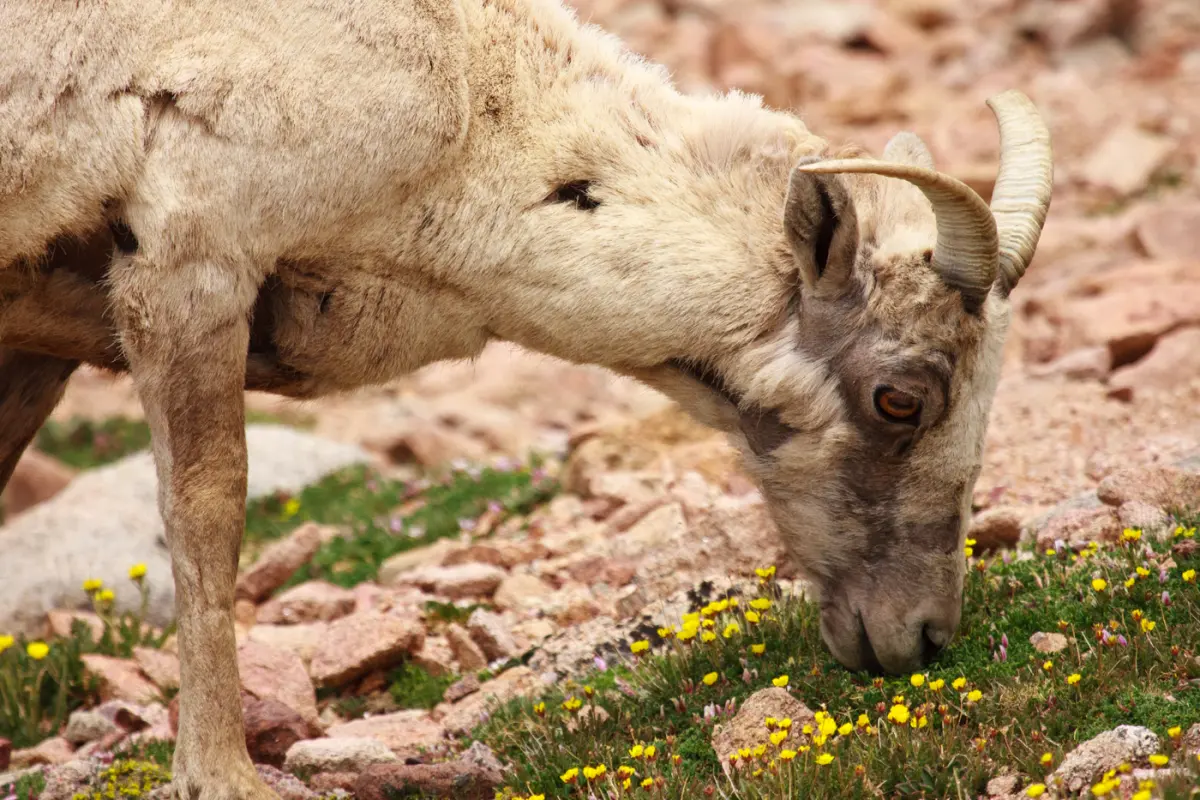
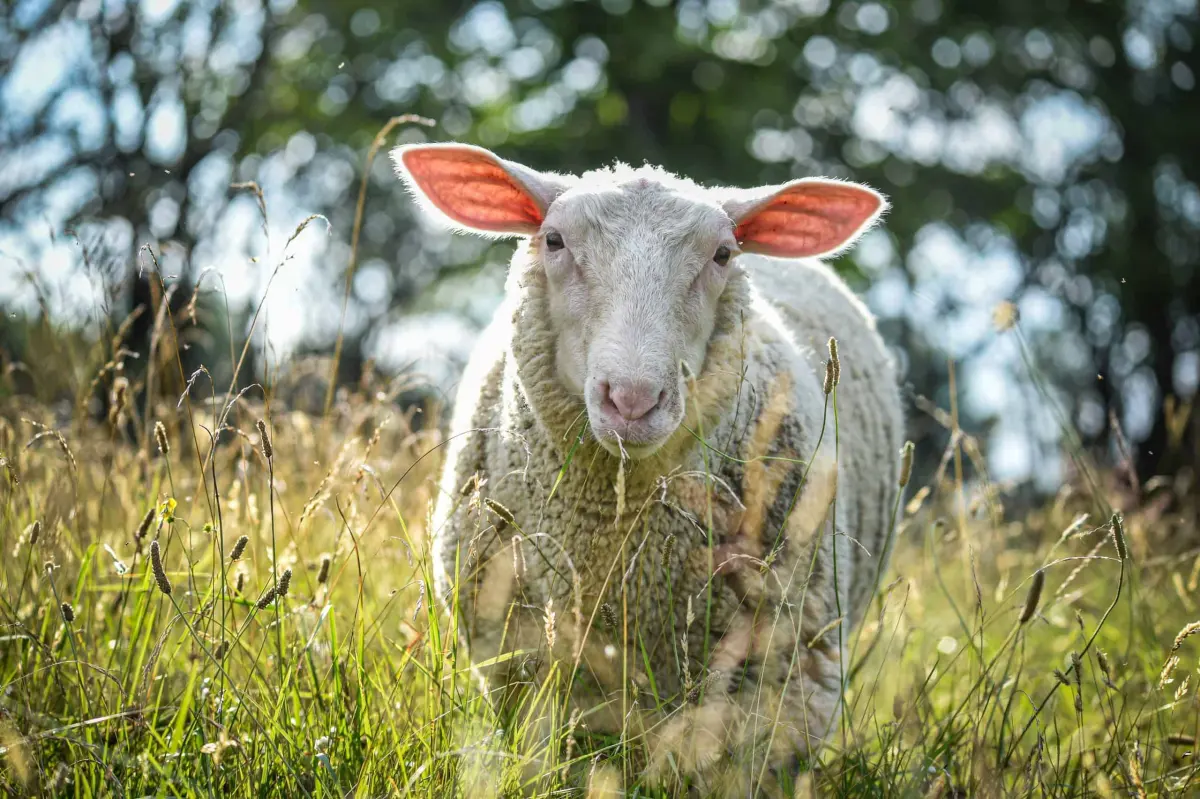
Sheep are selective grazers that prefer short, leafy green vegetation over tall, stemmy grasses. They possess a split upper lip that allows them to graze much closer to the ground than cattle, making them highly efficient at utilizing pasture resources. Their natural diet consists of a diverse mix of grasses, such as ryegrass or orchard grass, and broad-leafed plants known as forbs.
Legumes like clover and alfalfa are also highly beneficial, providing essential protein for growth and lactation. However, farmers must manage these pastures carefully to prevent bloat, a dangerous condition caused by rapid fermentation of certain legumes in the rumen. A healthy pasture rotation system ensures that sheep always have access to fresh, high-quality forage while allowing grazed areas time to recover.
- Kentucky Bluegrass: High palatability and nutritional value.
- White Clover: Excellent source of nitrogen-fixing protein.
- Orchard Grass: Provides consistent energy throughout the growing season.
- Chicory: A deep-rooted forb that offers trace minerals.
How to supplement sheep diet with hay
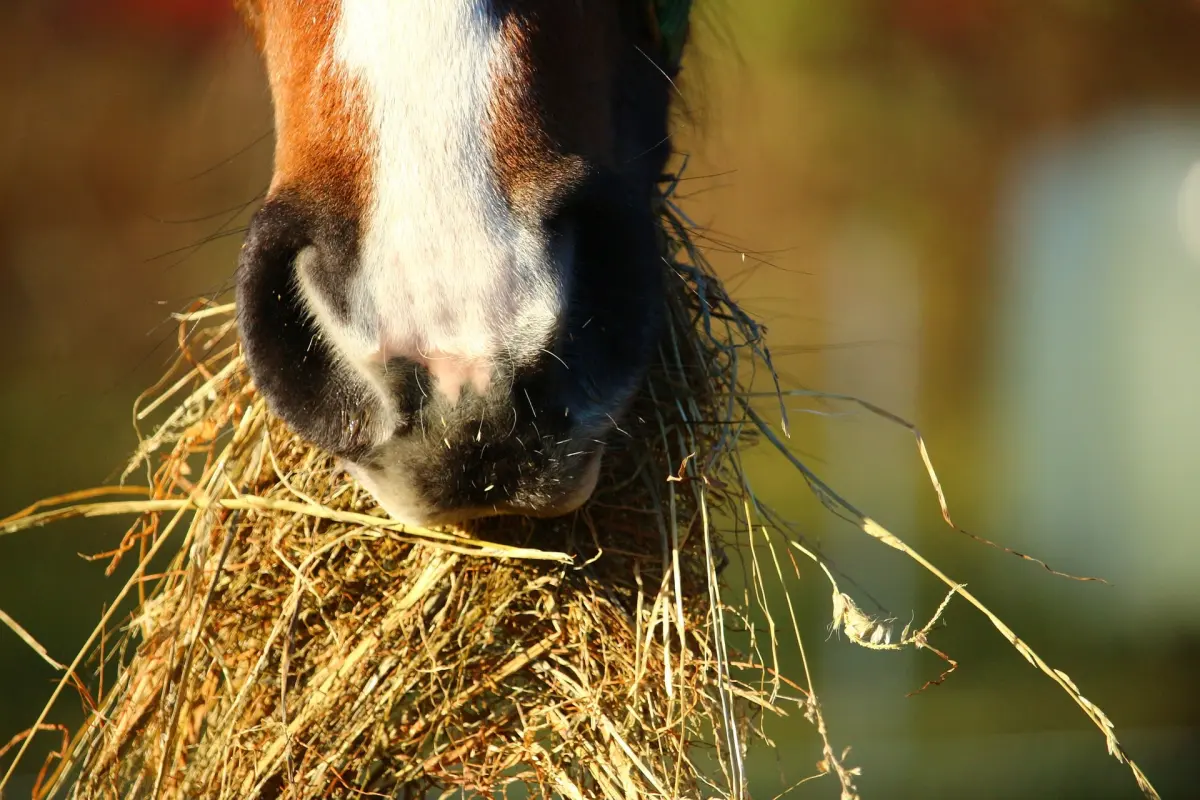
When fresh pasture is unavailable, such as during winter months or periods of drought, hay becomes the primary source of nutrition. High-quality grass hay, such as timothy or orchard grass, is generally safer and more consistent than legume hay for adult sheep. Alfalfa hay is extremely nutrient-dense and is best reserved for pregnant ewes or growing lambs that require higher protein and calcium levels.
It is vital to ensure that hay is free of mold, dust, and toxic weeds. Moldy hay can cause respiratory issues or listeriosis, a serious bacterial infection that affects the nervous system. When transitioning sheep from pasture to hay, do so gradually over several days to allow their rumen microbes to adjust to the change in fiber content and prevent digestive upset.
- Inspect hay bales for signs of moisture or musty odors.
- Store hay in a dry, well-ventilated area off the ground.
- Use a feeder to prevent waste and contamination from manure.
- Provide access to hay at all times during the winter.
Why minerals and water are essential
Beyond bulk forage, sheep require specific minerals to support metabolic function, bone health, and immune response. Unlike some other livestock, sheep are highly sensitive to copper toxicity. It is critical to use a mineral supplement specifically formulated for sheep, as those designed for cattle or goats often contain copper levels that can be fatal to sheep.
Water intake is equally important, as a mature sheep may drink between one and three gallons of water daily depending on the temperature and diet. Dehydration can quickly lead to urinary calculi, particularly in rams and wethers, where mineral deposits block the urinary tract. Clean, fresh water should be available at all times, and troughs should be scrubbed regularly to prevent the buildup of algae and bacteria.
Common mistakes when feeding sheep
One of the most frequent errors is overfeeding grain or concentrates, which can lead to acidosis. This condition occurs when the rumen pH drops too low due to a sudden influx of starches, potentially causing permanent damage or death. Grains should only be used as a small supplement to meet specific energy needs, such as during the final weeks of pregnancy or for finishing lambs for market.
Another common mistake is failing to provide a consistent diet, which disrupts the delicate balance of rumen microorganisms. Abrupt changes in feed types or quality can cause scouring or bloat. Furthermore, many owners neglect the importance of body condition scoring. By regularly feeling the sheep’s spine and ribs for fat cover, owners can adjust feed levels before an animal becomes too thin or dangerously obese.
How to identify toxic plants for sheep
Sheep are generally good at avoiding toxic plants when they have access to high-quality forage, but they may consume them out of curiosity or hunger in overgrazed pastures. Common toxic plants include rhododendrons, azaleas, yew, and certain types of nightshade. These plants contain alkaloids or glycosides that can cause rapid organ failure or neurological distress if ingested even in small quantities.
Prevention is the most effective strategy for managing plant toxicity. Walk the perimeter of your grazing area regularly to identify and remove invasive or poisonous weeds. If you suspect a sheep has consumed a toxic plant, contact a veterinarian immediately, as many plant-based toxins have no specific antidote and require supportive care. Keeping pastures well-managed and avoiding overstocking is the best way to ensure your flock does not resort to eating potentially hazardous vegetation.
Key facts
- Sheep are ruminants, meaning they have a four-compartment stomach designed to ferment fibrous plant material.
- A healthy adult sheep requires approximately 2% to 4% of its body weight in dry matter intake daily.
- Fresh pasture is the ideal primary food source, but it must be supplemented with high-quality hay during winter months.
- Access to clean, fresh water is critical, as a lactating ewe may consume up to 3 gallons of water per day.
- Sheep require a mineral block specifically formulated for their species, as they are highly sensitive to copper toxicity.
- Avoid feeding sheep lawn clippings, as these can ferment rapidly and cause bloat or contain toxic ornamental plants.
The bottom line
Sheep are efficient grazers that thrive primarily on high-quality forage like grass and legumes. To maintain a healthy flock, provide consistent access to clean water and species-specific mineral supplements. Always avoid copper-rich feeds and toxic plants, as these pose significant health risks. By monitoring body condition and adjusting hay intake during colder seasons, you ensure your sheep remain productive, well-nourished, and free from common digestive ailments.
People also ask
Can sheep survive on grass alone?
Sheep can thrive on high-quality pasture during the growing season. However, they often require supplemental hay, minerals, and grain during winter or pregnancy to maintain optimal health and weight.
Why is copper dangerous for sheep?
Sheep have a very low tolerance for copper compared to other livestock. Consuming feed intended for cattle or goats can lead to copper poisoning, which causes liver failure and death.
How much water should a sheep drink?
Water intake depends on the animal's size, the weather, and the moisture content of the feed. Generally, a sheep needs 1 to 3 gallons of water daily to support digestion and milk production.
Is it safe to feed sheep kitchen scraps?
Most kitchen scraps are unsuitable and potentially dangerous for sheep. Foods like onions, garlic, chocolate, and potatoes can be toxic or cause severe digestive distress.
How do I know if my sheep are getting enough to eat?
You can assess a sheep's nutritional status by performing a body condition score. Feel the sheep's spine and loin area; if the bones are sharp and prominent, the animal needs more nutrition.
What is the best type of hay for sheep?
High-quality grass hay, such as timothy or orchard grass, is generally preferred. Legume hays like alfalfa are excellent for growing lambs or nursing ewes but can be too rich for maintenance-level adults.
This answer was created with the help of AI research tools and reference sources. Spotted an error? Let us know — we correct mistakes quickly. See our editorial policy.