What is a magnolia tree?
Short answer
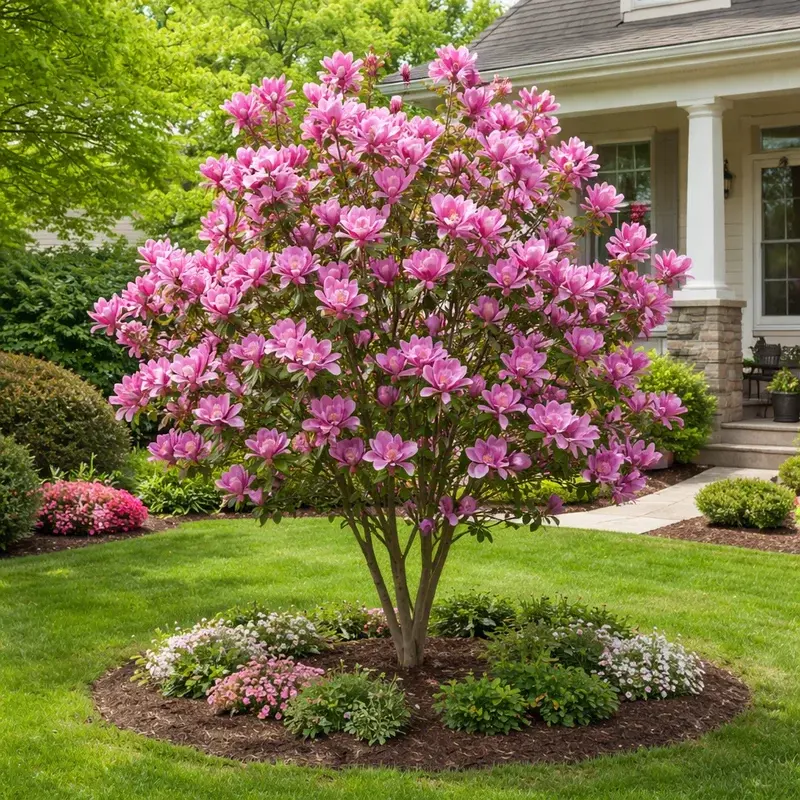
Magnolias are ancient, flowering trees and shrubs belonging to the genus Magnolia in the family Magnoliaceae. Known for their large, fragrant, cup-shaped blossoms and leathery leaves, these plants have existed for millions of years. They thrive in diverse climates and are prized globally for their ornamental beauty and structural elegance.
On this page
What are the main types of magnolia trees?
There are over 200 species of magnolia, broadly categorized into deciduous and evergreen varieties. Deciduous magnolias, such as the saucer magnolia (Magnolia × soulangeana), lose their leaves in winter and typically bloom on bare branches in early spring. These varieties are favored for their dramatic, tulip-like flowers that appear before the foliage emerges.
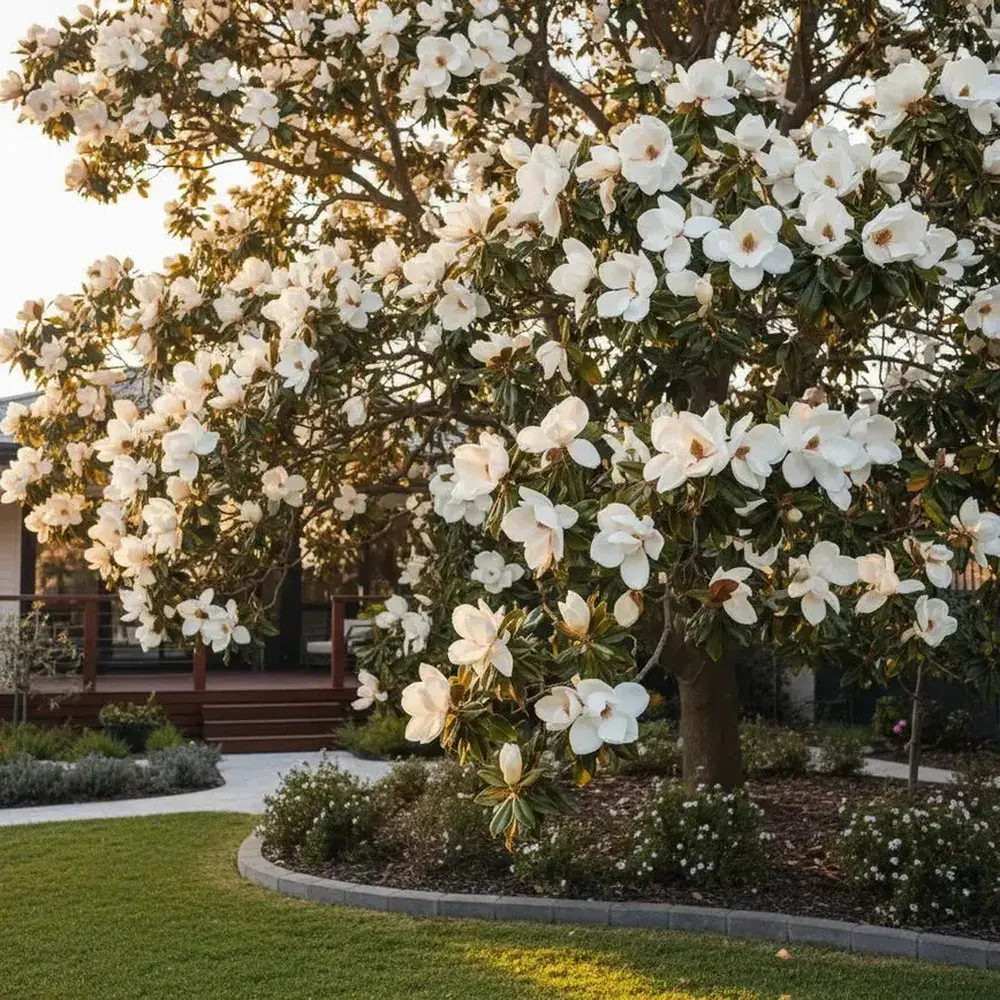
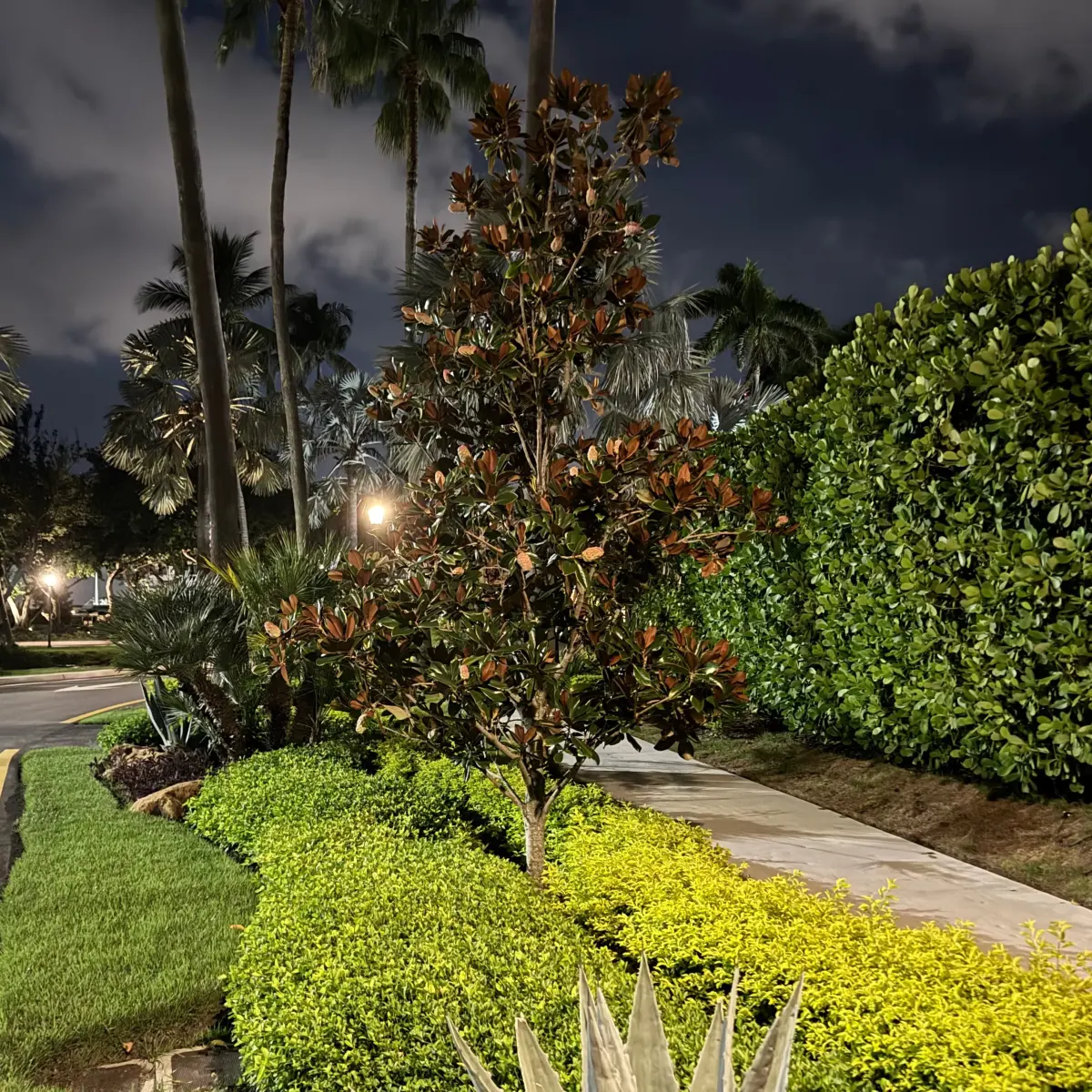
Evergreen magnolias, most notably the Southern magnolia (Magnolia grandiflora), retain their glossy, dark green leaves year-round. These trees are native to the southeastern United States and are known for their massive, creamy white, lemon-scented flowers. Gardeners often choose between these two groups based on their climate and the desired aesthetic effect. Key differences include:
- Deciduous types offer a spectacular, concentrated bloom season in early spring.
- Evergreen types provide year-round privacy and deep, rich color contrast.
- Size varies significantly, from small shrubs to towering trees reaching 80 feet.
How to plant a magnolia tree?
Successful planting begins with selecting a site that provides ample space and the right soil conditions. Most magnolias prefer deep, fertile, slightly acidic, and well-draining soil. Avoid areas that remain waterlogged, as the root systems are sensitive to poor drainage and can easily succumb to rot.
Follow these steps for optimal establishment:
- Dig a hole twice as wide as the root ball and no deeper than the container.
- Place the tree in the hole, ensuring the top of the root ball is level with the surrounding soil.
- Backfill with native soil, firming it gently to eliminate large air pockets.
- Apply a 2-3 inch layer of mulch around the base, keeping it away from the trunk.
- Water thoroughly immediately after planting to settle the roots into their new environment.
What is the best way to care for a magnolia?
Maintaining a healthy magnolia requires consistent moisture, especially during the first two years after planting. While established trees are somewhat drought-tolerant, they perform best when provided with regular water during dry spells. Avoid cultivating the soil directly beneath the canopy, as magnolia roots are shallow and easily damaged by digging or heavy foot traffic.
Fertilization is generally light for these trees. A balanced, slow-release fertilizer applied in early spring before new growth begins is usually sufficient. Over-fertilizing can lead to excessive leaf growth at the expense of flower production. Pruning should be kept to a minimum, as these trees naturally develop a beautiful, symmetrical shape. If pruning is necessary to remove dead or crossing branches, perform the task immediately after the flowering period to avoid cutting off next year’s buds.
Why do magnolia leaves turn yellow or brown?
Discoloration in magnolia foliage is often a sign of environmental stress rather than a disease. Yellowing leaves, or chlorosis, frequently indicate a soil pH that is too high, which prevents the tree from absorbing essential iron. Testing your soil and applying an iron chelate supplement can often correct this issue quickly.
Brown leaf tips or scorched edges typically point to moisture problems or heat stress. Inadequate watering during hot summers or exposure to drying winds can cause the leaves to lose moisture faster than the roots can replace it. To manage these issues, consider the following:
- Check soil moisture levels weekly during the growing season.
- Ensure the root zone is protected by a wide ring of organic mulch.
- Monitor for pests like scale insects, which can cause stunted growth or yellowing.
- Protect young, thin-barked trees from harsh winter sun scald using white tree wraps.
Common mistakes when growing magnolias
One of the most frequent errors is planting the tree too deeply. If the root flare—the point where the trunk widens at the base—is buried beneath the soil, the tree may suffer from trunk rot or stunted growth. Always ensure the root flare is slightly visible above the soil line to promote long-term health and structural integrity.
Another common mistake is choosing the wrong variety for the local climate. While some species are cold-hardy, others will suffer significant damage in freezing temperatures. Always verify the hardiness zone of your specific cultivar before purchasing. Additionally, avoid planting magnolias too close to foundations, sidewalks, or underground utility lines. Their roots are powerful and wide-spreading, which can cause damage to nearby structures over time. By providing adequate space and respecting the tree's natural growth habits, you ensure a legacy of beauty for decades to come.
Key facts
- Magnolias are ancient flowering plants that evolved before bees, relying on beetles for pollination.
- There are over 200 species, ranging from small shrubs to towering trees reaching 80 feet.
- The genus Magnolia is named after the French botanist Pierre Magnol, who lived in the 17th century.
- Most varieties thrive in acidic, well-draining soil and require a location protected from harsh winds.
- Planting a magnolia too deep is a common mistake; the root flare must remain level with the soil surface.
- These trees are sensitive to root disturbance, so choose a permanent planting site carefully to avoid future transplanting.
The bottom line
Magnolias are iconic, ancient plants prized for their large, fragrant blossoms and elegant foliage. Whether you choose a massive evergreen or a delicate deciduous variety, these trees serve as stunning focal points in a garden. By ensuring they are planted in acidic, well-drained soil and left undisturbed, you can enjoy their beauty for decades, as these hardy specimens require very little maintenance once they are established.
People also ask
Do magnolia trees lose their leaves in the winter?
Whether a magnolia is evergreen or deciduous depends on the species. Southern magnolias keep their glossy, leathery leaves year-round, while varieties like the saucer magnolia drop their foliage in autumn.
How long does it take for a magnolia to bloom?
Many magnolias grown from seed take 10 to 15 years to produce their first flowers. If you want faster results, purchase a grafted nursery tree, which often blooms within two to three years.
Why are the leaves on my magnolia turning yellow?
Yellowing leaves, or chlorosis, often indicate that the soil pH is too high, preventing the tree from absorbing iron. Testing your soil and applying an iron supplement or soil acidifier can usually correct this issue.
Can I prune a magnolia tree to control its size?
Magnolias generally do not require heavy pruning and may bleed sap if cut back too aggressively. It is best to prune only to remove dead or crossing branches immediately after the flowering season ends.
Are magnolia flowers edible?
Some species, such as Magnolia grandiflora, have petals that are occasionally pickled or used as a garnish. However, always verify the specific variety, as some ornamental plants may be treated with pesticides or chemicals not intended for consumption.
Why do my magnolia buds turn brown and fail to open?
This is usually caused by a late spring frost that kills the delicate flower buds. While the tree remains healthy, the sudden temperature drop prevents the blossoms from completing their development.
This answer was created with the help of AI research tools and reference sources. Spotted an error? Let us know — we correct mistakes quickly. See our editorial policy.