How long do tarantulas live?
Short answer
Tarantulas live for a surprisingly long time, with lifespans varying significantly by species and sex. Females typically live between 10 and 25 years, while males generally have much shorter lives, often surviving only 3 to 8 years. Proper care, stable environmental conditions, and consistent nutrition are essential to reaching these maximum potential ages.
On this page
Why do female and male tarantulas have different lifespans?
The most significant factor in a tarantula's longevity is its biological sex. Female tarantulas are renowned for their incredible longevity, with some individuals in captivity living well beyond two decades. This difference exists because males stop molting once they reach sexual maturity. After their final "ultimate molt," males undergo a physical transformation that signals the end of their growth phase. Their primary biological objective shifts entirely toward finding a mate, which often leads to increased activity, decreased food intake, and higher vulnerability to predators or environmental stress.
Conversely, females continue to molt periodically throughout their entire lives. Each molt allows them to regenerate lost limbs, repair tissue damage, and continue growing. Because they do not undergo the terminal physical changes associated with male maturation, they maintain a more stable metabolic state. This biological divergence is a fundamental aspect of the species, meaning that prospective owners must understand that a male tarantula will almost always have a much shorter life expectancy than a female.
How long do different tarantula species live?
Lifespan is highly dependent on the specific genus and species of the spider. Generally, "New World" tarantulas—those native to the Americas—tend to be hardier and often live longer than many "Old World" species from Africa, Asia, or Europe. However, even within these groups, there is vast variation. For instance, the Mexican Red Knee (Brachypelma hamorii) is famous for its extreme longevity, with females occasionally reaching 30 years of age under ideal conditions.
Other species have much shorter natural cycles. Many arboreal species, such as those in the Avicularia genus, tend to have faster growth rates and shorter lifespans compared to their terrestrial counterparts. When researching a potential pet, consider these common longevity profiles:
- Mexican Red Knee: 20–30 years (females)
- Chilean Rose: 15–20 years (females)
- Goliath Bird-eater: 15–25 years (females)
- Ornamental Baboon: 10–15 years (females)
- Most male tarantulas: 3–8 years (regardless of species)
How to ensure a tarantula lives a long life
Providing a stable, stress-free environment is the most effective way to help a tarantula reach its maximum age. While these spiders are resilient, they are sensitive to extreme fluctuations in temperature and humidity. Consistency is key; keep your spider in a quiet area of the home away from direct sunlight, loud vibrations, and chemical sprays. A high-quality enclosure setup should mimic the spider's natural habitat while providing adequate ventilation.
To maximize your tarantula's health, follow these essential husbandry steps:
- Maintain a consistent temperature range between 70°F and 80°F for most common species.
- Provide a shallow water dish that is cleaned and refilled with fresh, dechlorinated water daily.
- Offer appropriate prey items, such as crickets or roaches, that are no larger than the spider's abdomen.
- Keep the substrate clean and remove any uneaten prey or boluses (leftover food scraps) immediately to prevent mold growth.
Common mistakes when caring for tarantulas
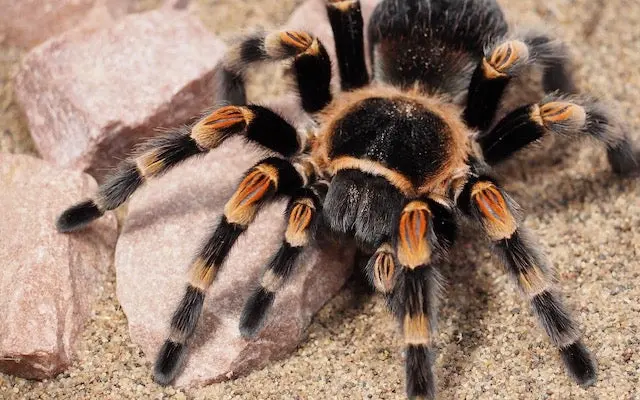
One of the most frequent errors owners make is overfeeding. While it is tempting to provide food constantly, an obese tarantula is at a higher risk of injury during a fall or a molt. A spider that is too heavy may rupture its abdomen if it drops from the side of its enclosure. Additionally, overfeeding can lead to faster growth rates, which some experts believe may actually shorten the animal's overall lifespan by forcing it through its molting cycles too quickly.
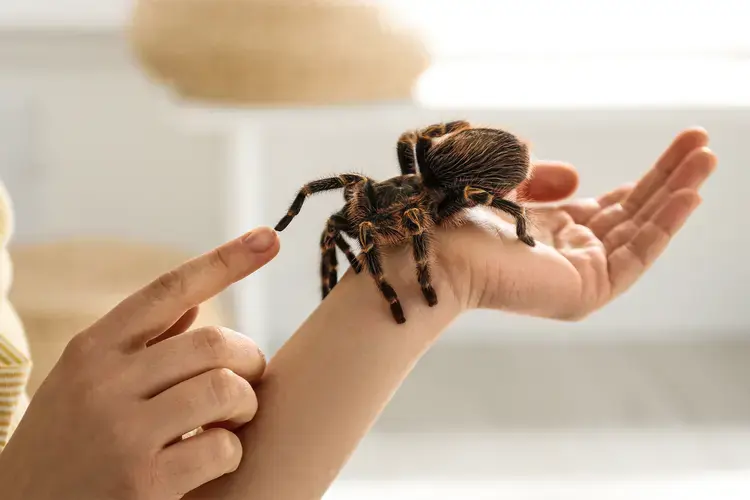
Another common mistake is excessive handling. Tarantulas are not social animals and do not benefit from human interaction. Handling causes significant stress, which can suppress their immune system and lead to defensive behaviors like flicking urticating hairs. To ensure your spider lives its full life, treat it as a display animal rather than a pet to be held. Always prioritize the spider's comfort by keeping the enclosure secure and minimizing unnecessary disturbances, especially during the delicate period when the spider is preparing to molt.
What to expect during the molting process
The molting process is the most dangerous time in a tarantula’s life. As the spider outgrows its exoskeleton, it must shed its old skin to reveal a new, larger one underneath. This process is energy-intensive and leaves the spider extremely vulnerable for several days. If the humidity is too low, the spider may become stuck in its old skin, which is often fatal. Conversely, if the humidity is too high or the spider is disturbed, it may suffer from a botched molt, resulting in lost legs or permanent physical damage.
To support your tarantula during this critical time, follow these guidelines:
- Cease all feeding as soon as you notice the spider refusing food or burying itself.
- Increase the humidity slightly by misting a corner of the enclosure, but avoid getting the spider wet.
- Do not attempt to help the spider out of its skin, as this almost always causes injury.
- Allow the spider at least one week to harden its new exoskeleton before attempting to feed it again.
Key facts
- Female tarantulas typically live significantly longer than males, often surviving for 15 to 30 years in captivity.
- Male tarantulas have much shorter lifespans, usually dying within a few months to a year after reaching sexual maturity.
- Proper humidity levels and a stable temperature are critical for preventing health issues that shorten a spider's life.
- Overfeeding is a common mistake that can lead to obesity and rupture of the abdomen during a molt.
- A tarantula’s age is often measured by the number of molts it has undergone rather than calendar years.
- Avoid handling your tarantula frequently, as stress can negatively impact its health and longevity.
The bottom line
The lifespan of a tarantula is highly dependent on its sex, with females living for decades while males have brief, reproductive-focused lives. Providing a stable environment with appropriate humidity, avoiding excessive handling, and maintaining a consistent, healthy feeding schedule are the most effective ways to ensure your spider reaches its full potential. Understanding these biological differences is essential for any keeper hoping for a long-term companion.
People also ask
Do tarantulas die after they molt?
Molting is a physically demanding process, but it is a necessary part of growth rather than a death sentence. While a spider can die if it gets stuck during a molt, most healthy tarantulas survive the process if they are left undisturbed.
How can I tell if my tarantula is male or female?
Determining sex usually requires examining the spider's exuvia, or shed skin, under a microscope to look for reproductive structures. Females have a spermatheca, while males develop specialized hooks on their front legs once they reach maturity.
What is the most common cause of premature death in captive tarantulas?
Dehydration and improper humidity are the leading causes of death for pet tarantulas. Providing a shallow water dish and maintaining the correct moisture levels for the specific species is essential for survival.
Do tarantulas stop growing when they reach adulthood?
Females continue to molt and grow slowly throughout their entire lives, even after reaching sexual maturity. Males, however, stop molting once they reach their ultimate molt and transition into their final, reproductive stage.
How often should I feed a pet tarantula?
Adult tarantulas generally only need to be fed once every week or two depending on their size and activity level. Always remove any uneaten prey items after 24 hours to prevent the spider from becoming stressed.
Can tarantulas live in groups?
Most tarantula species are solitary and will cannibalize each other if kept in the same enclosure. It is best to house each spider in its own individual terrarium to prevent fatal territorial conflicts.
This answer was created with the help of AI research tools and reference sources. Spotted an error? Let us know — we correct mistakes quickly. See our editorial policy.