What is a group of hippos called?
Short answer
A group of hippos is most commonly called a bloat. Other frequent terms used by naturalists and researchers include a pod, a herd, or a crash. These collective nouns reflect the animal’s substantial physical presence and their tendency to congregate in shallow water during the heat of the day to stay cool.
On this page
Why are hippos called a bloat?
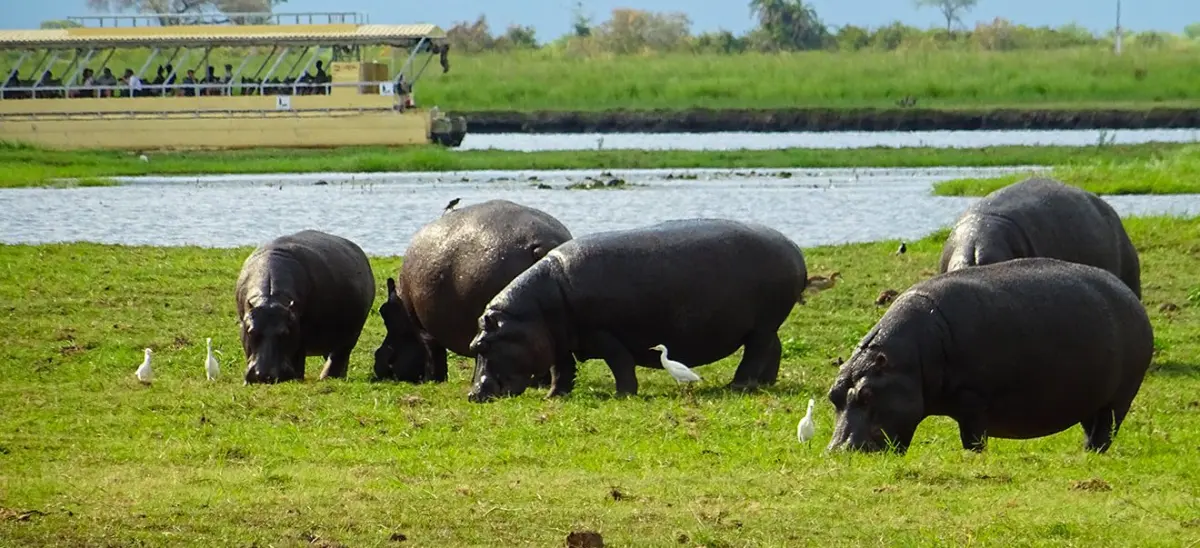
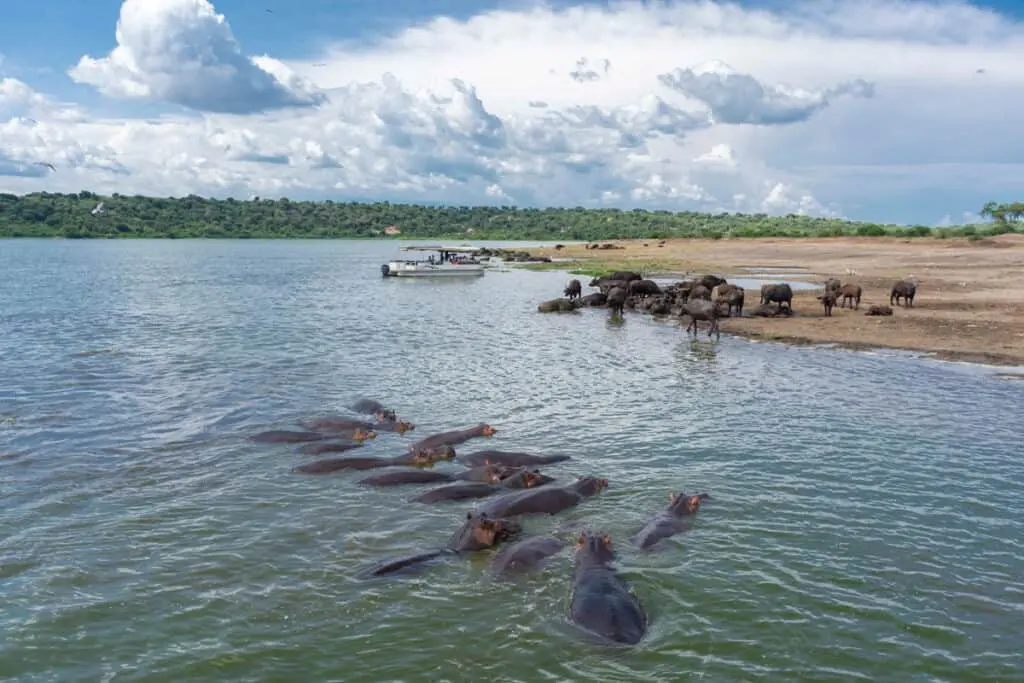
The term "bloat" is the most widely recognized collective noun for a group of hippopotamuses. This descriptor is thought to originate from the animal’s immense physical size and their habit of resting in dense, packed formations within rivers and lakes. When a group of hippos gathers in the water, their rounded, submerged bodies often look like a collection of large, floating objects, which reinforces the imagery of a bloat.
Beyond the term bloat, researchers and wildlife enthusiasts often use the word "pod" to describe these social units. While hippos are not strictly social in the way that wolves or elephants are, they do maintain loose associations. These groups are generally fluid, with individuals moving in and out of the water throughout the day. The terminology used often depends on the specific context of the observation, whether it is a casual sighting or a formal biological study.
How do hippos organize their groups?
Hippos typically organize themselves into groups based on gender and social status. A dominant bull usually controls a specific stretch of river, known as a territory, and manages a group of females and their offspring. These groups are not permanent family units but rather aggregations that form based on the availability of suitable aquatic resting spots. Young males often form smaller, separate bachelor groups to avoid direct conflict with the dominant bull.
- Dominant bull: Maintains control over a specific river territory and mating rights.
- Females and calves: Form the core of the group, often staying in the center for protection.
- Bachelor males: Younger or subordinate males that congregate away from the dominant bull.
- Subadults: Juveniles that are transitioning toward independence but remain near the maternal group.
These hierarchies are maintained through vocalizations and physical displays. A dominant bull will often perform "dung showering," a behavior where he sprays feces while spinning his tail to mark his territory and assert his status to other males in the vicinity.
Where do hippos spend most of their time?
Hippos are semi-aquatic mammals that spend up to 16 hours a day submerged in water. This behavior is essential for thermoregulation, as their skin is highly sensitive to the sun and prone to dehydration. By staying in rivers or lakes, they keep their body temperature stable despite the intense heat of the African savanna. They typically emerge from the water at dusk to graze on land, covering several miles to find sufficient grass.
- Shallow water areas: Preferred for resting because they allow the hippo to stand with its head above the surface.
- Riverbanks: Used for resting and sunning during the cooler hours of the morning or late afternoon.
- Terrestrial grazing grounds: Visited exclusively at night to avoid the heat and potential skin damage from direct sunlight.
- Mud wallows: Utilized when water levels are low to keep the skin moist and protected from biting insects.
Understanding these habitat preferences is crucial for anyone observing these animals in the wild. Because they rely so heavily on specific water depths, their movement patterns are largely dictated by the seasonal changes in river levels and the availability of nearby vegetation.
Common mistakes when identifying hippo groups
One common error is assuming that a group of hippos is a tightly knit family unit. While females are protective of their calves, the relationships between adults are often transient and competitive. Observers frequently mistake a group of bachelors for a breeding herd. It is important to look for the presence of calves and a single, larger, more aggressive male to distinguish a breeding pod from a bachelor group.
Another mistake is underestimating the distance a hippo can travel on land. People often assume that because hippos are seen in the water all day, they are sedentary creatures. In reality, they are highly active at night and can cover significant distances to forage. Assuming a hippo is harmless because it is currently resting in the water is a dangerous misconception. They are among the most aggressive animals in Africa and will defend their space if they feel threatened or if their path to the water is blocked.
How to safely observe a bloat of hippos
If you are planning to observe hippos in their natural habitat, prioritize safety above all else. Always maintain a significant distance, as these animals are notoriously territorial and possessive of their aquatic space. Use binoculars or a camera with a long telephoto lens to get a clear view without encroaching on their territory. Never position yourself between a hippo and the water, as this is their primary escape route and they will charge if they feel trapped.
- Keep a distance of at least 50 to 100 meters at all times.
- Stay inside a vehicle if you are on a guided safari tour.
- Avoid making loud noises or sudden movements that could startle the group.
- Watch for warning signs, such as yawning, which is a display of their massive canine teeth.
- Never attempt to approach a mother with a calf, as they are exceptionally protective and aggressive.
By following these guidelines, you can appreciate the complex social dynamics of a bloat while ensuring the safety of both yourself and the animals. Respecting their space allows for a genuine and educational wildlife experience that honors the natural behavior of these fascinating creatures.
Key facts
- A group of hippos is most commonly referred to as a bloat, though they are also called a pod or a herd.
- These groups typically consist of 10 to 30 individuals, though some pods can reach up to 200 members in crowded areas.
- Hippos spend the majority of their day in water to keep their skin cool and protected from the intense sun.
- Within a bloat, a dominant male, known as a bull, maintains control over a specific stretch of river or lake.
- Avoid approaching a hippo pod on foot, as they are highly territorial and among the most dangerous animals in Africa.
- When observing hippos, always keep a significant distance or remain inside a secure vehicle to avoid sudden charges.
The bottom line
A group of hippos is officially known as a bloat, reflecting the social nature of these large, semi-aquatic mammals. While they appear docile when resting in pods, they are highly territorial and require significant space. Understanding their social structure is essential for anyone observing them in the wild, as maintaining a safe distance is the most important step to prevent dangerous encounters with these powerful animals.
People also ask
Why do hippos stay in groups?
Hippos congregate in pods primarily for social interaction and protection from predators like crocodiles or lions. Living in a group also allows them to share limited space in deep water during the dry season.
Are hippos aggressive toward other members of their pod?
Yes, bulls frequently engage in violent fights to establish dominance and defend their territory. These confrontations often result in serious injuries or death due to their long, sharp canine tusks.
Do hippos sleep while in their pods?
Hippos often sleep while submerged in water, surfacing automatically to breathe without waking up. This behavior allows them to conserve energy while staying safe from land-based threats.
How do you identify the leader of a hippo pod?
The dominant bull is usually the largest individual and is often seen displaying aggressive behaviors like splashing or vocalizing. He spends much of his time patrolling the perimeter of the group's territory.
Can a bloat of hippos be found on land?
While they spend their days in the water, hippos leave their pods at night to graze on land. They travel several miles to find grass, usually returning to the water before sunrise.
Do hippos communicate with each other in a group?
Hippos use a variety of grunts, bellows, and wheezing sounds to communicate across distances. They also use underwater vocalizations that can be heard by other members of the pod.
This answer was created with the help of AI research tools and reference sources. Spotted an error? Let us know — we correct mistakes quickly. See our editorial policy.