What do moose eat?
Short answer
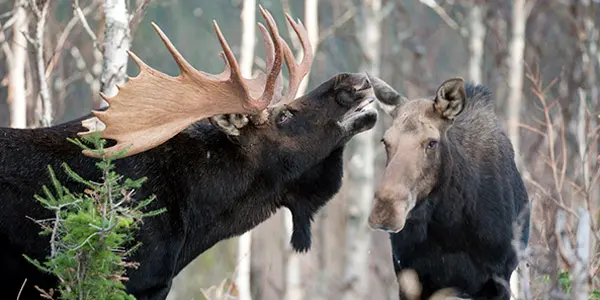
Moose are large herbivores that consume a diverse diet of woody plants, aquatic vegetation, and terrestrial forbs. During summer months, they focus on nutrient-rich leaves and water plants to build fat reserves. In winter, they rely on twigs, bark, and pine needles to survive the scarcity of the harsh northern environment.
On this page
What do moose eat in the summer?
During the warmer months, moose shift their diet toward highly digestible, nutrient-dense vegetation. They spend significant time wading into ponds, lakes, and slow-moving streams to consume aquatic plants like pondweed, water lilies, and horsetails. These plants are essential because they provide high concentrations of sodium, which is often lacking in the terrestrial plants found in the moose's forest habitat.
Beyond aquatic sources, moose browse heavily on the leaves of deciduous trees and shrubs. They particularly favor the foliage of willow, aspen, birch, and mountain ash. An adult moose can consume between 40 and 60 pounds of vegetation daily during this peak growth season. This high intake allows them to rapidly pack on the body mass necessary to endure the upcoming winter months when food quality drops significantly.
- Pondweed and water lilies for sodium intake.
- Willow and aspen leaves for protein.
- Various grasses and wildflowers found in forest clearings.
What do moose eat in the winter?
Winter presents a major challenge for moose, as their food sources become buried under snow and lose most of their nutritional value. During this time, they switch to a diet primarily composed of woody browse. They consume the terminal twigs and buds of deciduous trees, such as balsam fir, dogwood, and various species of willow. The bark of young trees also becomes a vital source of fiber and secondary nutrients.
Because woody browse is difficult to digest, moose must consume large quantities to maintain their metabolic requirements. They often travel through deep snow to find stands of conifers, which provide both shelter from the wind and a consistent, albeit low-quality, food source. While they lose weight during this season, their ability to process these tough materials ensures their survival until the spring thaw.
- Locate stands of balsam fir or willow.
- Strip the outer bark or clip the terminal twigs.
- Move to sheltered, low-wind areas to conserve body heat while feeding.
How much do moose eat per day?
The appetite of a moose is staggering, driven by its massive body size and the need to regulate its internal temperature. In the summer, a healthy adult moose may eat up to 60 pounds of forage in a single day. This volume includes both the heavy, water-logged aquatic plants and the lighter, leafy branches of trees. The sheer weight of this food is necessary to meet their high caloric demands.
During the winter, the daily intake drops in terms of weight because the food is drier and less succulent. However, the energy required to forage through deep snow remains high. Moose are highly selective feeders, choosing the most nutritious twigs and buds available to maximize their energy gain. This constant cycle of foraging is the primary activity of a moose’s day, occupying most of their waking hours.
- Daily summer intake: 40–60 pounds of fresh vegetation.
- Daily winter intake: 20–30 pounds of woody browse.
- Total annual consumption: Up to 10 tons of plant matter.
Common mistakes when observing moose feeding
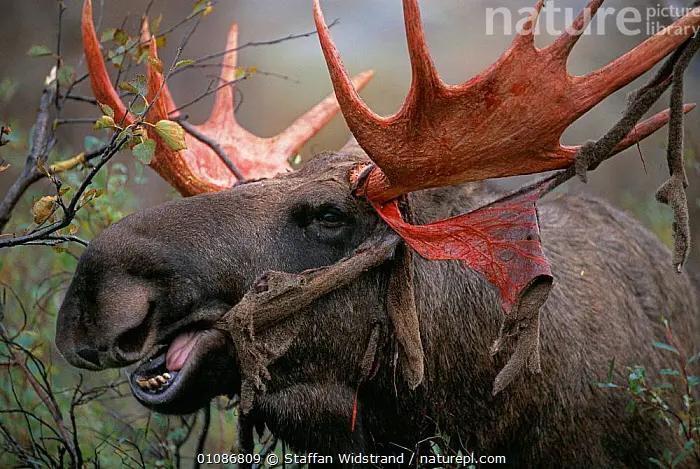
One common mistake people make is assuming that moose are strictly grazers like cattle. While they do occasionally eat grasses, they are primarily browsers, meaning they prefer the leaves, twigs, and bark of trees and shrubs. If you are trying to spot a moose, looking in open grassy fields will rarely yield results. Instead, focus your attention on riparian zones, forest edges, and areas with dense willow growth.
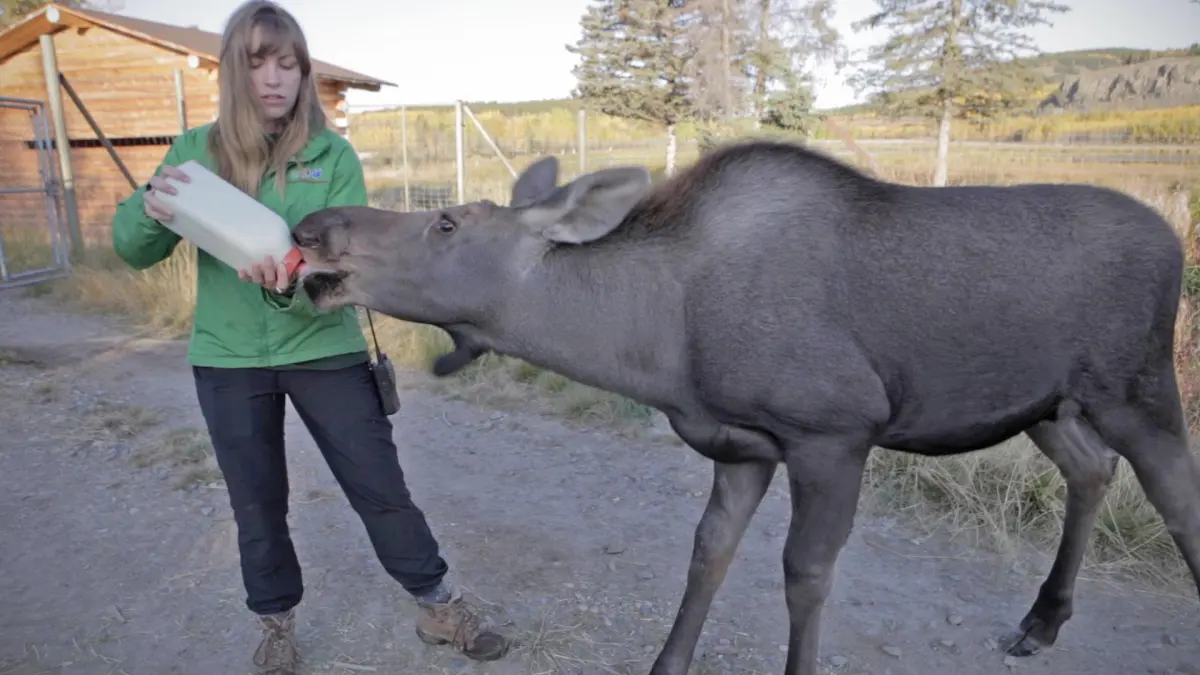
Another error is approaching a feeding moose too closely. Moose are highly protective of their food sources and can become aggressive if they feel threatened while eating. Furthermore, feeding a moose human food is dangerous and illegal in most jurisdictions. Human food can cause severe digestive issues for the animal and habituates them to human presence, which often leads to the moose being euthanized for public safety reasons.
- Do not attempt to feed them apples or grain.
- Maintain a distance of at least 25 yards.
- Avoid tracking them into dense brush where they may feel cornered.
Why do moose need so much sodium?
Sodium is a critical mineral for moose, but it is rarely found in sufficient quantities in their standard forest diet. This is why you will often see moose lingering in roadside ditches or near salt licks. They are actively seeking the salt runoff from road maintenance, which provides the electrolytes necessary for proper nerve and muscle function. This behavior is a biological necessity rather than a preference.
The aquatic plants they consume in the summer are the natural solution to this mineral deficiency. These plants can contain up to 500 times more sodium than land-based plants. When these sources are unavailable in the winter, moose are forced to seek out alternative mineral sources. Understanding this need explains why moose are frequently spotted near highways, as they are simply following their biological drive to maintain healthy sodium levels for survival.
Key facts
- Moose are herbivores that consume between 50 and 60 pounds of vegetation daily.
- They are "browsers," meaning they prefer eating leaves, twigs, and buds from trees rather than grazing on grass.
- Aquatic plants like pondweed and water lilies are essential summer foods because they provide vital sodium.
- An adult moose requires roughly 10,000 to 20,000 calories per day to maintain its massive body mass.
- In winter, their diet shifts heavily toward woody browse, including willow, aspen, birch, and balsam fir.
- Avoid feeding moose human food, as their specialized digestive systems cannot process processed items and it encourages dangerous human-wildlife encounters.
The bottom line
Moose are specialized herbivores that rely on a diverse diet of woody browse and aquatic vegetation to sustain their large frames. By consuming massive quantities of twigs, leaves, and mineral-rich pond plants, they meet their high caloric and nutritional needs. Understanding their reliance on specific seasonal habitats is key to appreciating how these impressive animals survive in harsh northern climates throughout the entire calendar year.
People also ask
Do moose eat pine needles?
Moose rarely eat pine needles because they are low in nutrients and high in resins that are difficult to digest. They much prefer the needles of balsam fir or the buds of deciduous trees like willow and aspen.
How do moose find food in deep snow?
Moose use their long, powerful legs to plow through deep snow to reach low-hanging branches. They often create "moose yards," which are areas where they congregate and trample snow to make movement easier for the entire group.
Can moose eat grass?
While moose can eat grass, it is not their primary food source because their long legs and short necks make grazing from the ground physically difficult. They are anatomically designed for reaching high into shrubs and trees.
Why do moose eat aquatic plants?
Aquatic plants are rich in sodium, a mineral that is scarce in the terrestrial plants moose eat throughout the year. Consuming these plants helps moose replenish their salt levels, which is critical for their health.
Do moose eat bark?
Yes, moose frequently strip the bark from trees, especially during the winter months when other food sources are buried or scarce. This provides them with additional fiber and nutrients when fresh leaves are unavailable.
How much water does a moose need?
A moose needs several gallons of water daily, which they often obtain directly from the aquatic plants they consume. When aquatic plants are unavailable, they will drink from streams, lakes, or melt snow.
This answer was created with the help of AI research tools and reference sources. Spotted an error? Let us know — we correct mistakes quickly. See our editorial policy.