What do robins eat?
Short answer
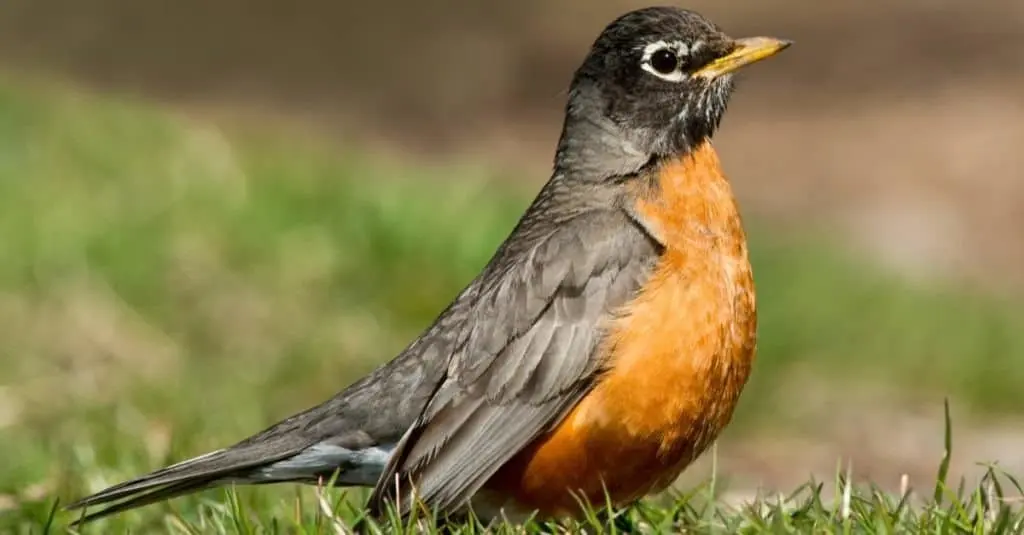
American robins are omnivorous birds that primarily consume invertebrates and fruits. During spring and summer, they forage for earthworms, beetles, and caterpillars to meet high protein needs. In autumn and winter, their diet shifts toward berries, grapes, and various fruits, as these provide the energy required to survive colder temperatures.
On this page
What do robins eat in the wild?
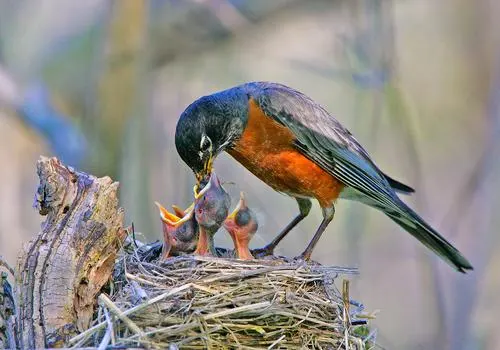
American robins are opportunistic foragers that adapt their diet based on seasonal availability. Their primary food source during the warmer months consists of soft-bodied invertebrates. Earthworms are the most iconic part of their diet, but they also consume a wide variety of other creatures found in soil and leaf litter. This high-protein intake is essential for nesting birds and their rapidly growing chicks.
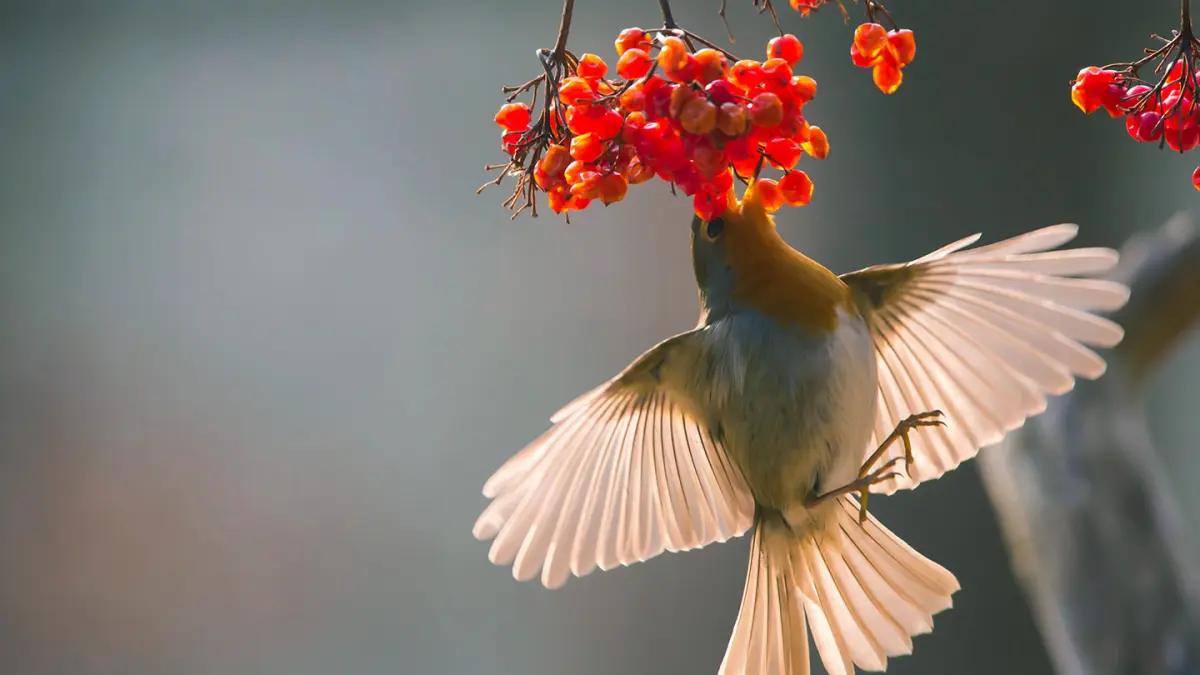
As the seasons change and the ground freezes, robins transition to a diet dominated by fruit. They are particularly fond of native berries, which provide the sugar needed for quick energy. While they are often associated with lawns, they are equally at home in shrublands and forest edges where fruit-bearing plants are abundant. Their diet typically includes:
- Earthworms and nightcrawlers
- Ground-dwelling beetles and grubs
- Caterpillars and moth larvae
- Spiders and snails
- Wild berries like holly, juniper, and dogwood
How to attract robins to your yard?
Attracting robins requires providing both food sources and a welcoming habitat. Because they prefer to forage on the ground, maintaining a healthy, chemical-free lawn is the most effective strategy. Avoid using pesticides or synthetic fertilizers, as these can poison the invertebrates that robins rely on for survival. A lush, moist lawn encourages worms to surface, making them easily accessible to the birds.
In addition to lawn management, incorporating native plants into your landscape provides a natural pantry. Robins are highly attracted to trees and shrubs that produce persistent fruit, which remains on the branches through the winter. Providing a reliable water source, such as a shallow birdbath, is equally important. Robins use these not only for drinking but also for bathing, which helps maintain their plumage. Consider these additions:
- Planting serviceberry or mountain ash trees
- Installing a heated birdbath for winter months
- Leaving leaf litter in garden beds to harbor insects
- Avoiding the use of lawn chemicals
Can you feed robins at a bird feeder?
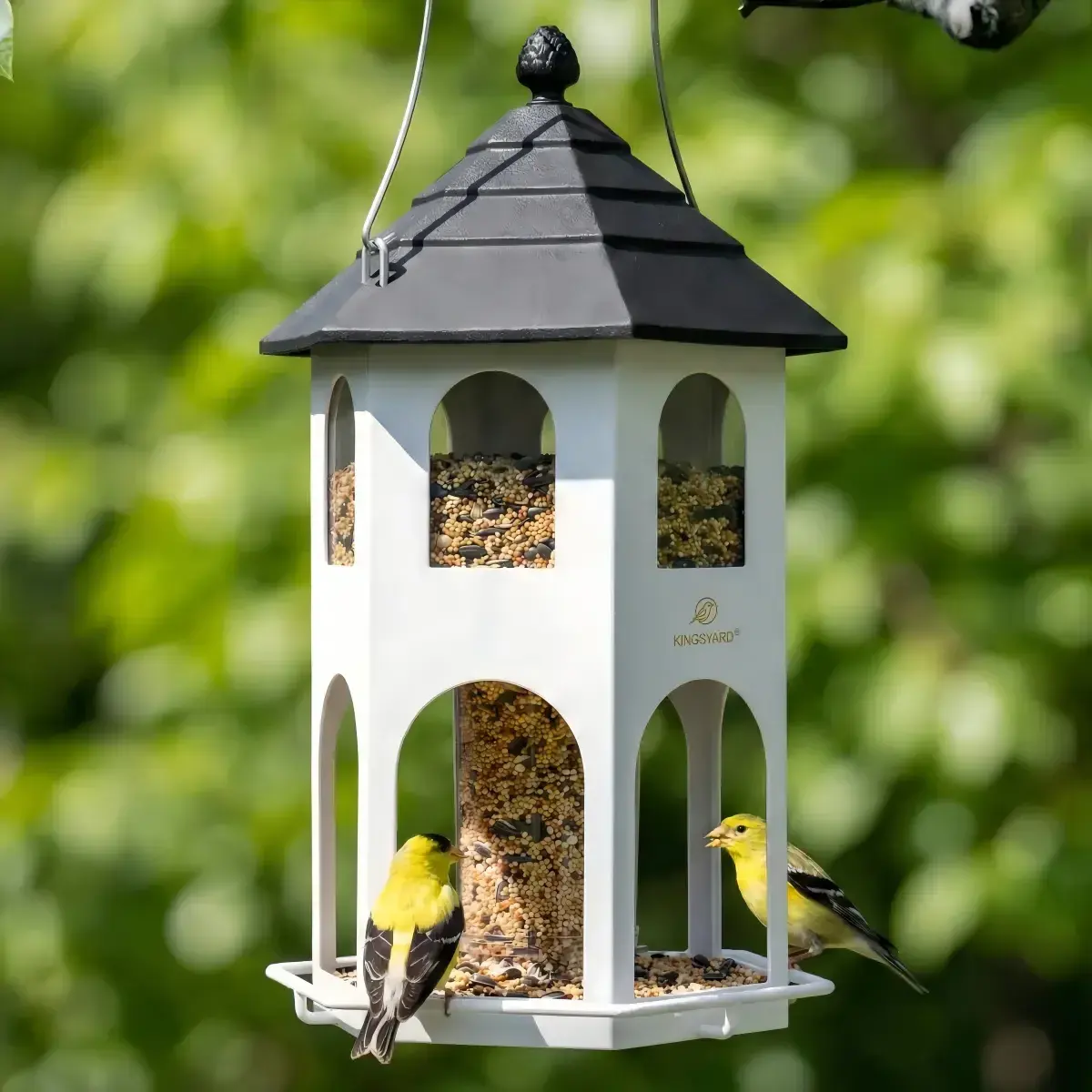
Robins are generally not typical visitors to standard hanging bird feeders because they are not acrobatic seed-eaters. They prefer to eat from flat surfaces or directly off the ground. If you wish to offer supplemental food, you must use a platform feeder or a shallow tray placed close to the grass. This mimics their natural foraging behavior and makes them feel more secure.
When offering supplemental food, focus on items that reflect their natural diet rather than standard birdseed mixes. They rarely consume sunflower seeds or millet, which are staples for finches and cardinals. Instead, focus on soft, high-energy foods that are easy to digest. Follow these steps to offer food successfully:
- Select a wide, open platform feeder or a simple wooden tray.
- Place the feeder in a quiet area with nearby cover like bushes.
- Offer mealworms, which can be purchased live or dried.
- Provide chopped fruit like apples, blueberries, or raisins.
- Keep the area clean to prevent the spread of avian diseases.
Why do robins eat fruit in winter?
The shift from insects to fruit is a survival mechanism driven by the scarcity of prey in cold weather. When the soil hardens due to frost, earthworms retreat deep underground, becoming inaccessible to the robin’s beak. Fruit becomes the primary source of calories, helping the birds maintain body heat during freezing nights. This seasonal dietary switch is a remarkable example of avian adaptation.
Interestingly, robins are known to form large flocks during the winter, moving together to locate fruit-bearing trees. This social behavior increases the chances of finding food in a landscape where resources are patchy. In some cases, if the weather is exceptionally cold and fruit is scarce, robins may consume fermented berries. This can occasionally lead to intoxicated behavior, though it is a natural byproduct of their winter diet. Their ability to switch between protein-rich insects and sugar-rich fruits is precisely why they can inhabit such a vast range across North America.
Common mistakes when feeding robins
The most frequent error people make is assuming that robins will eat the same seeds as other backyard birds. Placing a tube feeder filled with sunflower seeds will almost certainly result in disappointment, as robins will ignore the offering entirely. Another common mistake is failing to keep feeding areas clean. Because robins feed on the ground or on low platforms, they are susceptible to bacteria and parasites found in contaminated soil or feces.
Furthermore, many bird enthusiasts inadvertently harm robins by using lawn chemicals. Even if the chemicals are labeled as safe for pets, they can be toxic to the worms that robins consume in massive quantities. When the worms ingest toxins, the birds receive a concentrated dose, which can lead to illness or death. To avoid these issues, prioritize natural gardening methods and ensure any supplemental food is kept fresh and dry. By respecting their natural foraging habits, you ensure a healthy environment for these birds to thrive throughout the year.
Key facts
- American robins are omnivores that consume roughly 40 percent invertebrates and 60 percent fruits throughout the year.
- Earthworms are a primary food source, especially in the spring when soil moisture brings them to the surface.
- Robins frequently forage on lawns, using their keen eyesight to spot movement rather than relying on smell.
- During winter, robins shift their diet almost exclusively to berries and fruits, such as holly, juniper, and crabapples.
- Avoid using chemical pesticides on your lawn, as these toxins accumulate in the insects and worms that robins eat.
- You can attract robins to your yard by offering mealworms or halved apples on a platform feeder.
The bottom line
The American robin is a versatile feeder that balances a diet of protein-rich invertebrates with energy-dense fruits. By maintaining a chemical-free lawn and planting native berry-producing shrubs, you provide the essential nutrients these birds need to thrive. Understanding their reliance on visual foraging and seasonal food shifts allows you to better support their presence in your garden throughout the changing year.
People also ask
Do robins eat birdseed from feeders?
Robins rarely eat standard birdseed mixes because their beaks are designed for soft insects and fruits rather than hard seeds. You are more likely to attract them with specialized offerings like dried mealworms, suet crumbles, or fresh fruit pieces.
Why do robins tilt their heads while foraging?
Robins tilt their heads to position their large eyes toward the ground to detect the subtle vibrations or movements of worms. Contrary to popular belief, they are not listening for worms; they are visually scanning the soil for prey.
Are robins harmful to garden fruit crops?
Robins can be pests in orchards or berry patches because they consume large quantities of ripening fruit. Gardeners often use netting to protect strawberries, blueberries, and cherries from being eaten by hungry flocks.
Do robins drink water from birdbaths?
Yes, robins frequently visit birdbaths to both drink and bathe, especially during hot summer months. Keep the water shallow and clean to ensure they feel safe and comfortable while using the basin.
Do robins eat insects that damage gardens?
Robins consume many garden pests, including beetles, caterpillars, and cutworms, making them beneficial allies for gardeners. Their presence helps keep local insect populations in check without the need for synthetic chemicals.
Do robins store food for the winter?
Unlike some birds, robins do not cache or store food for later use. Instead, they migrate to regions where fruits remain available throughout the colder months, or they rely on persistent berries found on trees and shrubs.
This answer was created with the help of AI research tools and reference sources. Spotted an error? Let us know — we correct mistakes quickly. See our editorial policy.