Where do snails live?
Short answer
Snails inhabit diverse environments across the globe, ranging from deep ocean trenches to arid deserts and lush tropical forests. They occupy freshwater, saltwater, and terrestrial habitats. While most species require moisture to survive, many have evolved specialized physiological adaptations to thrive in nearly every climate, excluding only the most extreme polar regions.
On this page
Where do land snails live?
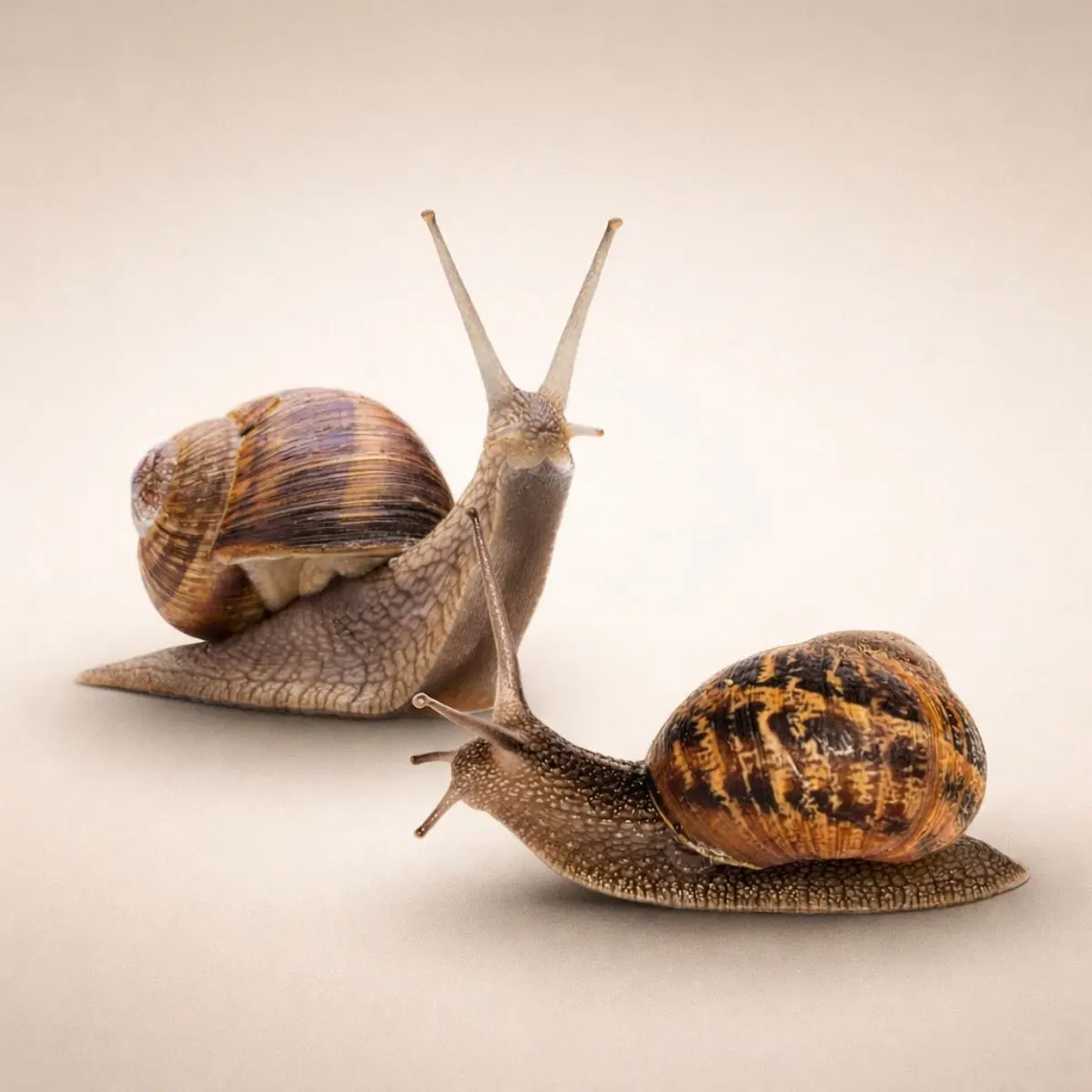
Terrestrial snails are found on every continent except Antarctica, favoring environments that provide consistent moisture and calcium. They are most commonly encountered in gardens, woodlands, and meadows where they can hide under damp leaf litter, logs, or stones during the heat of the day. Because their bodies are composed largely of water, they are nocturnal or crepuscular, emerging when humidity levels rise to prevent dehydration.
Calcium is a critical requirement for land snails, as they need it to build and maintain their protective shells. Consequently, you will find higher populations of snails in areas with limestone-rich soil or near human-made structures like concrete walls. They are highly sensitive to environmental changes and often serve as bioindicators for soil health. If you are searching for them in your own yard, focus on these specific micro-habitats:
- Beneath thick layers of mulch or decomposing organic matter.
- Inside the crevices of rock walls or stone foundations.
- On the undersides of broad-leafed plants during early morning hours.
- Near damp, shaded areas where water collects after a rainstorm.
Where do freshwater snails live?
Freshwater snails inhabit a vast array of aquatic ecosystems, including rivers, lakes, ponds, and even temporary drainage ditches. These mollusks are categorized primarily by their breathing methods, with some species possessing gills while others, known as pulmonates, must surface to breathe atmospheric air. They are often found clinging to submerged vegetation, rocks, or the muddy bottoms of stagnant or slow-moving water bodies.
The water quality of these habitats directly influences snail distribution. Some species thrive in nutrient-rich, algae-heavy ponds, while others require the oxygenated, fast-flowing water of mountain streams. They play a vital role in these ecosystems by grazing on algae and decomposing plant matter. If you are observing them in the wild, keep these factors in mind:
- Check the water temperature, as most species prefer temperate conditions.
- Look for submerged debris, which provides both food and protection from predators.
- Observe the substrate; sandy bottoms often host fewer snails than silty or vegetated areas.
- Avoid handling them if the water appears stagnant or polluted, as some species act as intermediate hosts for parasites.
Where do marine snails live?
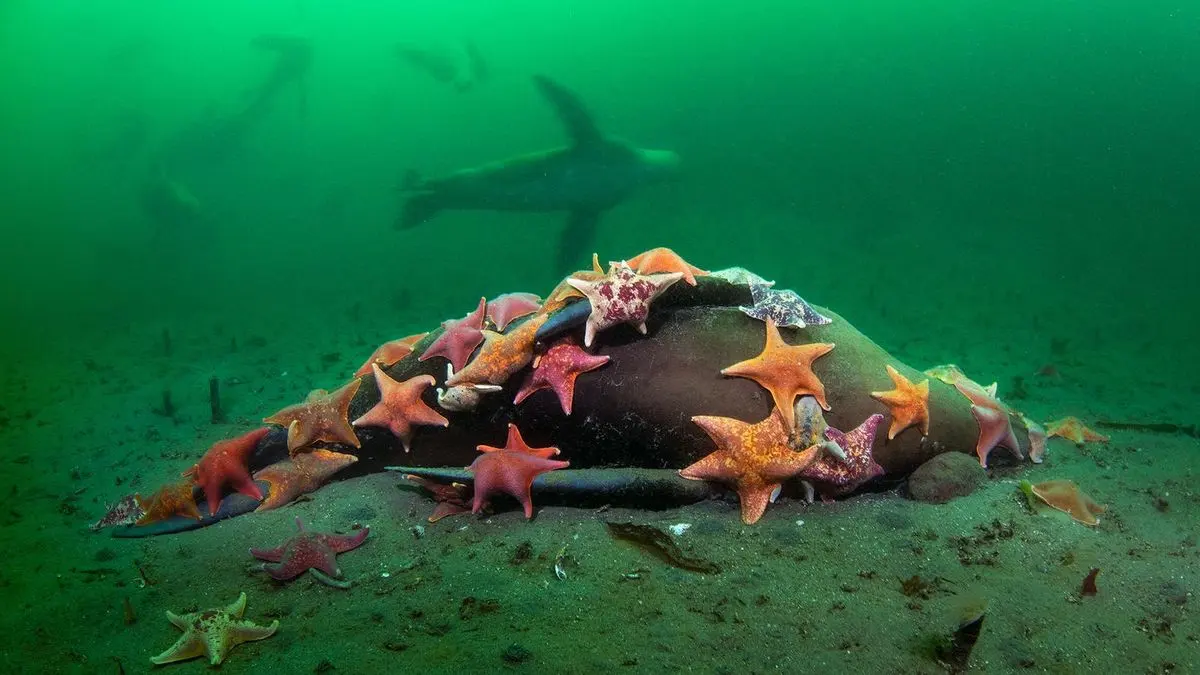
Marine snails, or sea snails, represent the largest group of gastropods and occupy every ocean zone, from the intertidal shoreline to the abyssal depths. In the intertidal zone, species like periwinkles attach themselves to rocks to withstand the pounding of waves during high tide. In contrast, deep-sea species have adapted to extreme pressure and near-freezing temperatures, often living near hydrothermal vents where they rely on chemosynthetic bacteria for energy.
The diversity of marine snail habitats is staggering, ranging from vibrant coral reefs to the vast, sandy plains of the ocean floor. Many marine snails are predatory, possessing specialized radulae—a tongue-like organ with tiny teeth—to drill into the shells of other mollusks or capture prey. To find them in coastal areas, visit rocky tide pools during low tide, where you can observe them safely attached to surfaces. Always remember that removing marine life from protected areas is illegal and disrupts the delicate balance of the coastal ecosystem.
How to create a habitat for pet snails
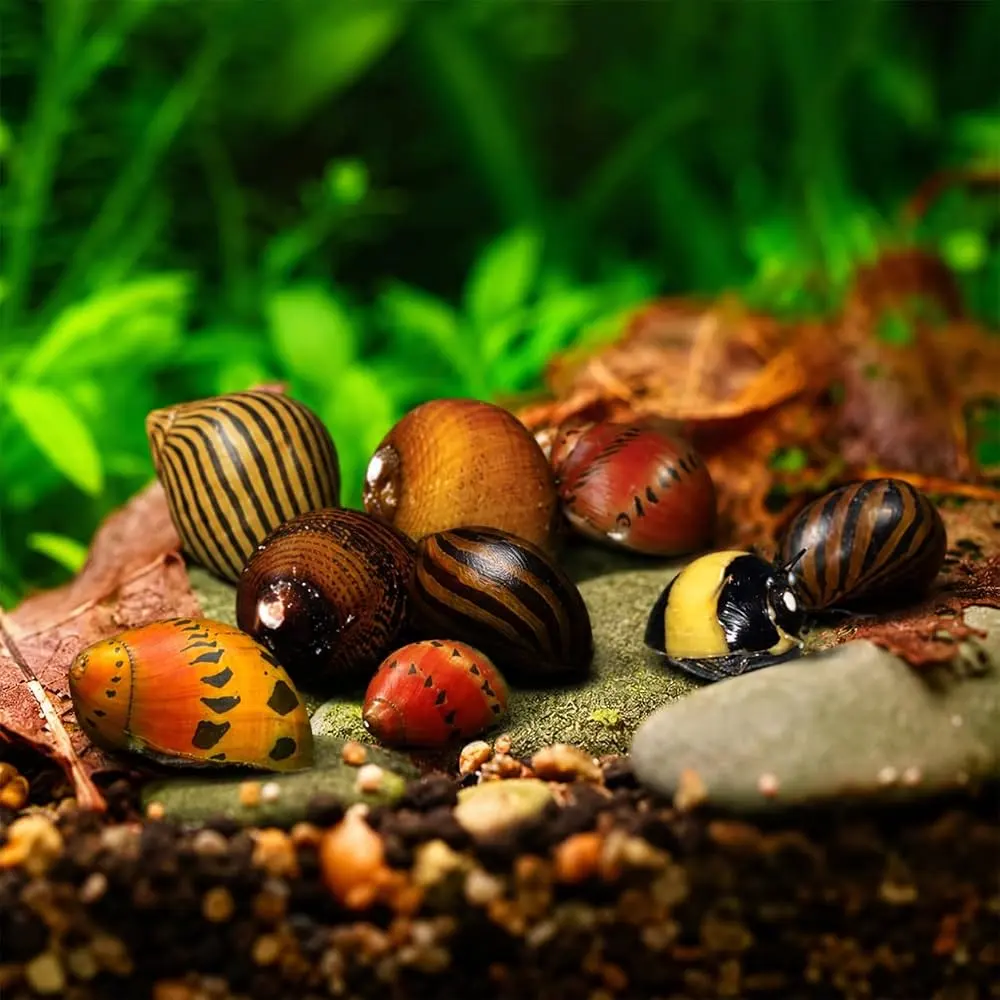
If you choose to keep snails as pets, you must replicate their natural environment to ensure their health and longevity. The enclosure, or terrarium, should be made of glass or plastic with adequate ventilation holes that are small enough to prevent escape. A substrate of coconut coir or peat moss is ideal, as it holds moisture well and provides a soft surface for the snail to burrow into when it needs to rest.
Maintaining the correct humidity and temperature is the most important aspect of snail care. Use a spray bottle to mist the enclosure daily, keeping the substrate damp but not waterlogged. You must also provide a constant source of calcium, such as a cuttlebone, which the snail will rasp to keep its shell strong. Avoid using any chemicals, soaps, or fertilizers near the enclosure, as snails are extremely sensitive to toxins and can absorb them through their skin.
Common mistakes when finding snail habitats
One of the most frequent errors people make is assuming that all snails need the same environment. For example, placing a terrestrial garden snail in an aquarium will result in drowning, while moving a freshwater species to a dry terrarium will cause rapid desiccation. Always identify the specific species before attempting to relocate or house it. Furthermore, many people mistakenly believe that snails can eat any kitchen scrap, but some foods like citrus, onions, and processed salts are highly toxic to them.
Another common mistake is over-handling snails or exposing them to direct sunlight. Their shells are fragile and can easily crack under pressure, and their soft bodies are prone to sunburn and dehydration. When observing them in nature, use a magnifying glass rather than picking them up. If you must move a snail, gently slide a thin card under its foot rather than pulling it off a surface, as this can cause permanent damage to its mantle and internal organs.
Key facts
- Snails occupy diverse environments ranging from deep ocean trenches to arid mountain peaks.
- Terrestrial snails require high humidity and calcium-rich soil to build and maintain their shells.
- Many garden snails hide under logs, rocks, or dense foliage during the day to avoid dehydration.
- Aquatic snails thrive in freshwater ponds, rivers, and saltwater oceans, breathing through gills or lungs.
- To keep a pet snail, ensure the enclosure has a substrate of organic potting soil free from pesticides.
- Avoid using common garden soil for indoor habitats, as it often contains parasites or chemical fertilizers.
The bottom line
Snails are remarkably adaptable creatures found in nearly every ecosystem on Earth, provided they have access to moisture and calcium. Whether they reside in your backyard, a freshwater stream, or the deep ocean, they play a vital role in decomposing organic matter. By maintaining a damp, protected environment, these mollusks can thrive, demonstrating the incredible evolutionary success of their simple yet effective protective shells.
People also ask
Do all snails live in shells?
Yes, all snails possess a shell at some stage of their life cycle, which serves as a protective home. While some species like slugs have evolved to lose their shells, true snails rely on their calcified structures for defense and moisture retention.
Can snails survive in the desert?
Certain desert snails undergo a process called estivation, where they seal themselves inside their shells with a layer of dried mucus. This allows them to remain dormant for months or even years until moisture returns to the environment.
How do snails breathe underwater?
Freshwater snails often use a specialized lung to breathe atmospheric air, requiring them to surface periodically. Conversely, many marine snails utilize gills to extract oxygen directly from the water.
What do snails eat in their natural habitat?
Most snails are herbivores that consume decaying plant matter, algae, fungi, and fresh leaves. Some predatory marine species, however, hunt other mollusks or small fish to survive.
Why do snails leave a slime trail?
The mucus trail serves as a lubricant to protect their soft bodies from sharp surfaces and helps them retain moisture. It also acts as a chemical signal to communicate with other snails for mating or navigation.
How long do snails live?
Lifespan varies significantly by species, with garden snails typically living two to five years in the wild. Some larger aquatic species or those in controlled environments can live for more than ten years.
Read the full answer →This answer was created with the help of AI research tools and reference sources. Spotted an error? Let us know — we correct mistakes quickly. See our editorial policy.