What do sea stars eat?
Short answer
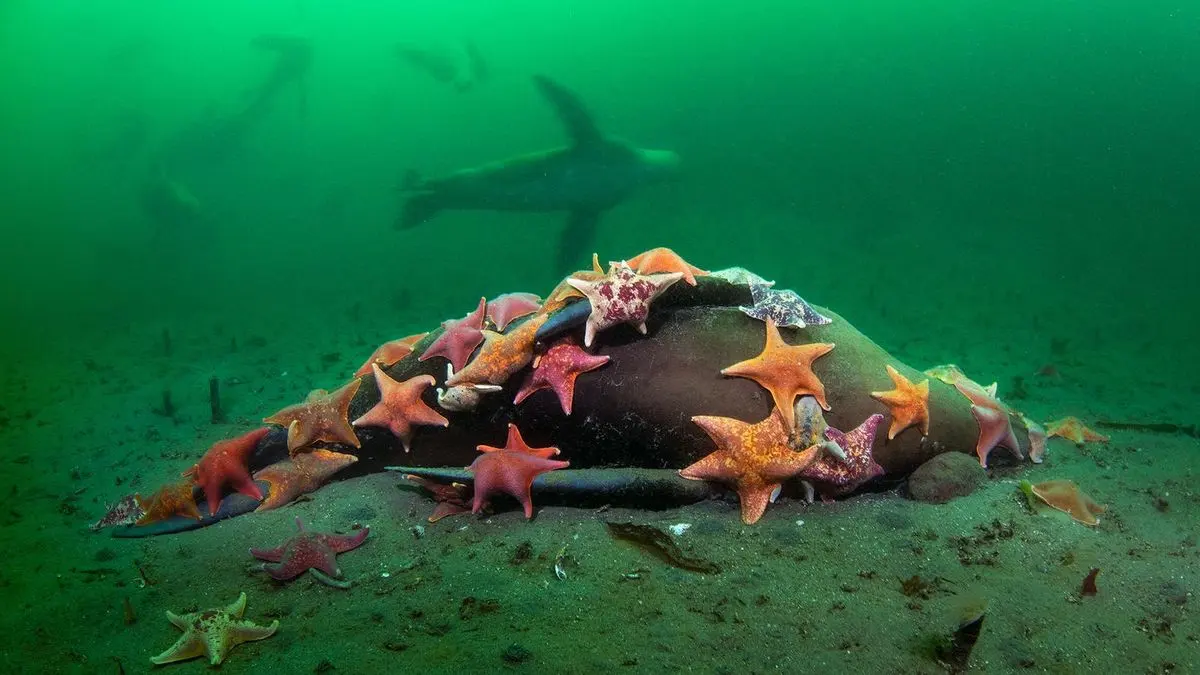
Sea stars are primarily carnivorous predators that consume a wide variety of marine invertebrates. Their diet typically includes mollusks like mussels, clams, and oysters, as well as snails, barnacles, and sea urchins. Some species also scavenge on decaying organic matter, while others feed on sponges or coral polyps found on reefs.
On this page
What do sea stars eat in the wild?
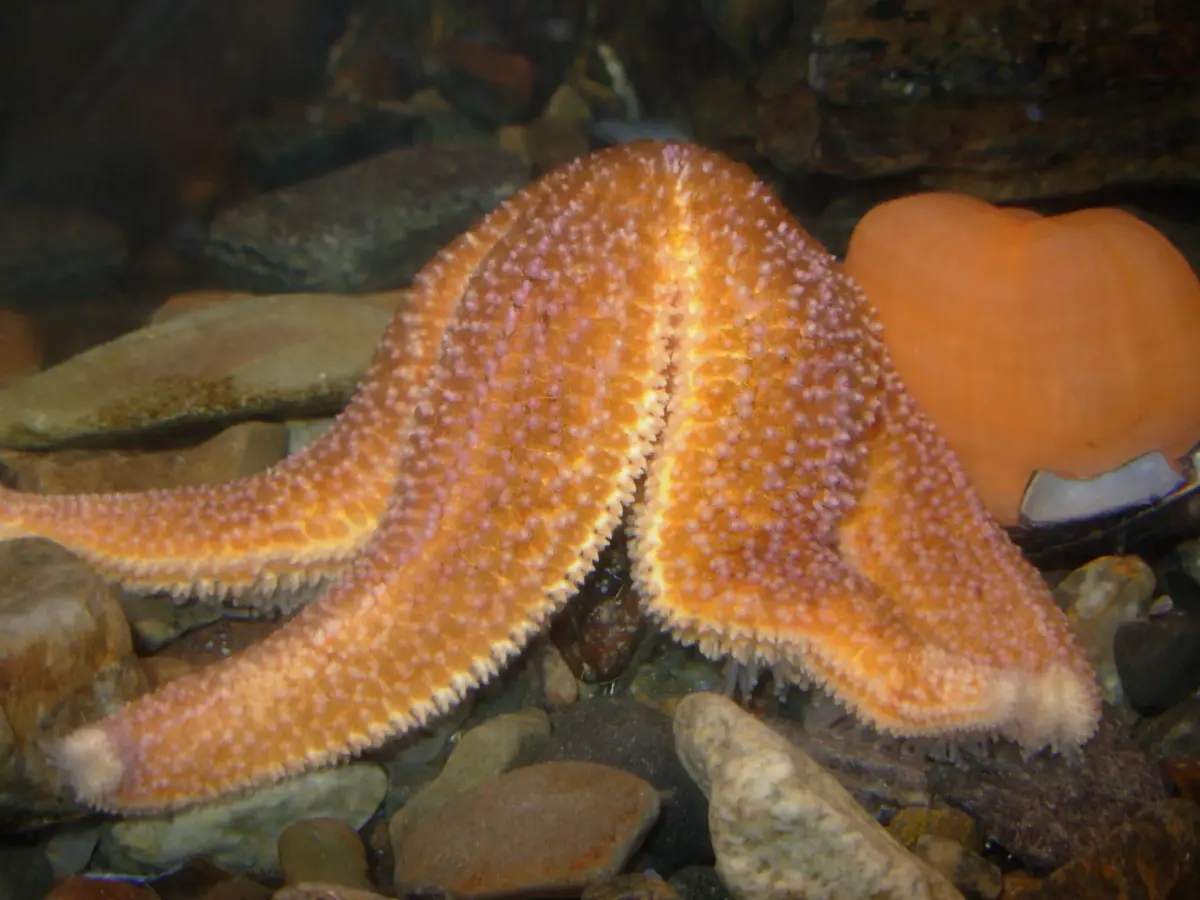
Sea stars are opportunistic hunters that play a vital role in maintaining the balance of marine ecosystems. Their diet is largely determined by their specific species and the environment they inhabit. Most common varieties, such as the ochre sea star, are specialized predators of bivalve mollusks. They use their powerful tube feet to pry open the shells of mussels and clams, exerting constant pressure until the prey’s adductor muscles fatigue and the shell gaps open.
Beyond bivalves, many sea stars consume a diverse array of sedentary or slow-moving prey. Their nutritional intake often includes:
- Sea urchins and sand dollars
- Barnacles and small crustaceans
- Gastropod snails and limpets
- Sponges and bryozoans
- Detritus and decaying organic matter
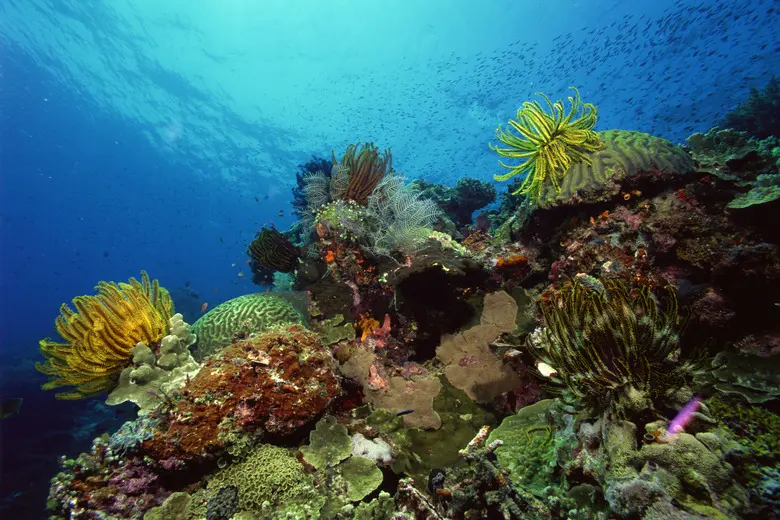
Some species, such as the crown-of-thorns starfish, have evolved to feed specifically on the polyps of reef-building corals. This specialized diet can have significant ecological consequences, as large outbreaks of these predators can cause widespread damage to coral reef structures. Other species act as scavengers, consuming dead fish or other marine carcasses that settle on the ocean floor.
How do sea stars digest their food?
The digestive process of a sea star is highly unique and specialized. Unlike most animals, they do not consume food through their mouths in the traditional sense. Instead, when feeding on a bivalve, the sea star pushes its cardiac stomach out through its mouth and inserts it into the narrow opening of the prey's shell. This allows the sea star to digest the soft tissues of the prey externally while the shell remains largely intact.
Once the stomach has enveloped the prey, the sea star secretes powerful digestive enzymes to break down the tissues into a liquid form. After the process is complete, the sea star retracts its stomach back into its central disc, where the nutrients are absorbed and transported to the pyloric caeca for further processing. This method of external digestion allows them to consume prey that is significantly larger than their own mouth opening.
How often do sea stars need to eat?
The frequency of feeding for a sea star depends heavily on the availability of prey and the water temperature. In environments with abundant food sources, a sea star may feed every few days. However, their metabolic rate is relatively slow, allowing them to survive for several weeks or even months without a substantial meal if necessary. This endurance is a critical adaptation for surviving in fluctuating ocean conditions.
Factors influencing feeding frequency include:
- Water temperature: Warmer water generally increases metabolic rates, requiring more frequent feeding.
- Prey density: Areas with high concentrations of mussels or barnacles lead to more consistent feeding patterns.
- Life stage: Juvenile sea stars typically require more frequent nutrition to support rapid growth and development.
- Species behavior: Active hunters like the sunflower star feed more often than sedentary, scavenging species.
Common mistakes when observing sea star feeding
Many people mistakenly attempt to feed sea stars in tide pools or aquarium settings by placing food directly into their mouths. This is ineffective and can cause significant stress to the animal. Sea stars are not designed to swallow chunks of food; attempting to force-feed them can damage their delicate stomach tissues or cause them to reject the food entirely.
Another common error is providing the wrong type of prey. Sea stars are highly selective and will often ignore food items that do not match their natural diet. For example, offering a predatory sea star processed fish food or plant matter will result in the food simply rotting in the tank, which degrades water quality. If you are observing them in the wild, never attempt to move a sea star while it is feeding, as this can force it to abandon its prey and potentially lead to injury of its tube feet.
Can sea stars eat plants or algae?
While the vast majority of sea stars are carnivores, there are some nuances regarding their consumption of plant-like materials. Most sea stars do not consume living algae or seagrasses as a primary food source. However, they may inadvertently ingest small amounts of algae while scavenging for detritus or grazing on sponges that have algae growing on their surfaces.
There are very few exceptions to the carnivorous rule within the class Asteroidea. Some species are considered omnivorous in the sense that they consume a mix of animal matter and organic film, but true herbivory is virtually non-existent among them. If you observe a sea star in an aquarium environment, it is best to provide high-protein, marine-based foods like frozen shrimp, clam meat, or mussel tissue to ensure they receive the necessary nutrients. Maintaining a balanced diet is essential for their long-term health and ability to regenerate limbs if they have suffered physical trauma in their natural environment.
Key facts
- Sea stars are primarily carnivorous predators that hunt slow-moving prey like mussels, clams, oysters, and snails.
- Many species feed by pushing their stomach out through their mouth to digest prey externally before consuming the liquefied remains.
- The crown-of-thorns sea star is a notable exception that feeds specifically on the living tissue of coral polyps.
- Some species are scavengers that consume decaying organic matter, such as dead fish or sponges, found on the ocean floor.
- Avoid touching or trying to feed wild sea stars, as their delicate tube feet and specialized digestive systems are easily damaged by human interference.
- Never attempt to keep a sea star in a home aquarium unless you have specialized knowledge, as they require precise water chemistry and specific live prey to survive.
The bottom line
Sea stars are fascinating marine predators that play a vital role in balancing ocean ecosystems. By feeding on mollusks, coral, and decaying matter, they prevent any single species from overpopulating the seafloor. While their unique method of external digestion is efficient for their lifestyle, these creatures are delicate organisms that should be observed in their natural habitat rather than handled or kept in captivity by hobbyists.
People also ask
How do sea stars open hard shells like those of clams?
Sea stars use their strong, suction-cupped tube feet to grip both halves of a bivalve's shell. They exert a steady pull until the prey's muscle tires and the shell gaps open just enough for the star to insert its stomach.
Do sea stars eat fish?
While most sea stars prefer stationary prey, some species will opportunistically consume small, sick, or dying fish. They are generally too slow to hunt healthy, active fish in the wild.
Are sea stars herbivores?
No, sea stars are not herbivores. While some species might accidentally ingest algae while grazing on detritus, they lack the digestive systems required to survive on a plant-based diet.
How often do sea stars need to eat?
Their feeding frequency depends on the species and water temperature. Some may consume a large meal and then go several days or even weeks without needing to hunt again.
Can sea stars eat other sea stars?
Yes, some species are cannibalistic. Larger predatory sea stars, such as the sunflower star, are known to consume smaller individuals of their own or different species.
Do sea stars have teeth?
Sea stars do not have teeth in the traditional sense. Instead, they use the edges of their mouth and their everted stomach to break down food and absorb nutrients directly.
This answer was created with the help of AI research tools and reference sources. Spotted an error? Let us know — we correct mistakes quickly. See our editorial policy.