How is maple syrup made?
Short answer
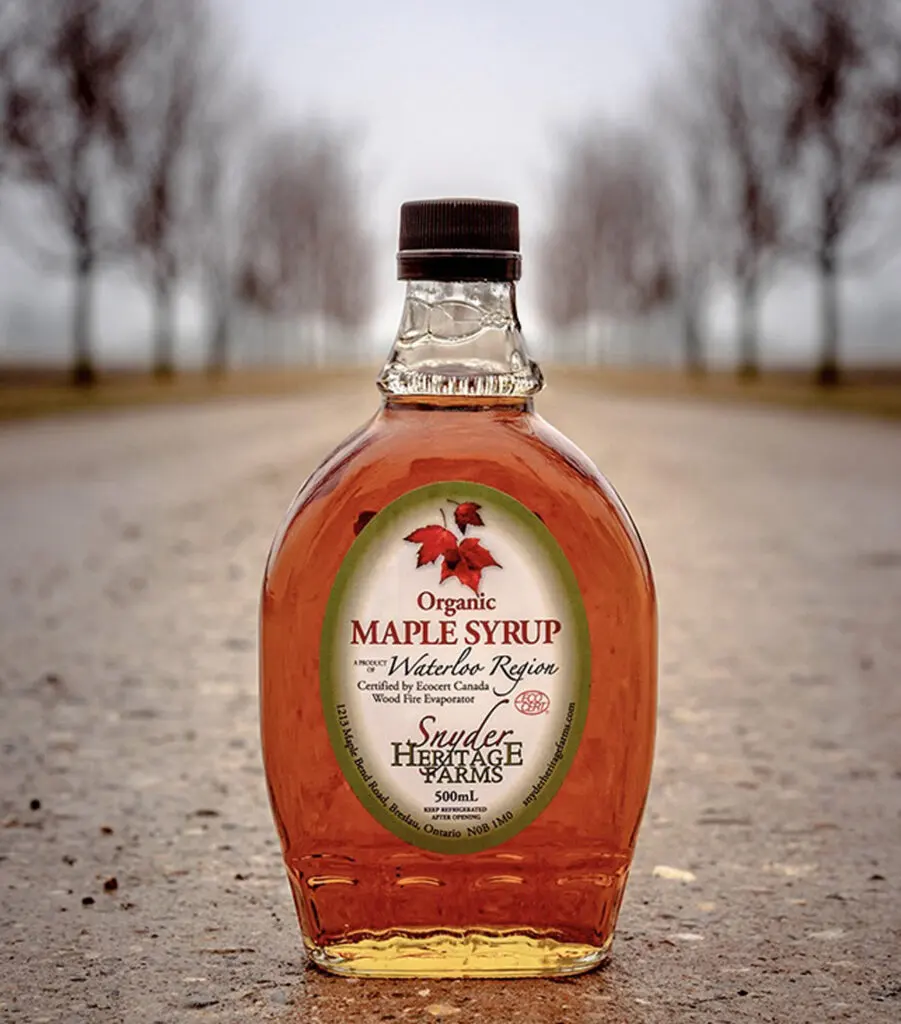
Maple syrup is produced by collecting sap from sugar maple trees and boiling it to remove excess water. The process requires a high ratio of sap to syrup, typically 40 to 1. Once the sugar concentration reaches 66 percent, the liquid is filtered and bottled as pure, amber-colored maple syrup.
On this page
How to tap maple trees for sap
Tapping begins in late winter or early spring when daytime temperatures rise above freezing and nighttime temperatures drop below it. This freeze-thaw cycle creates the pressure necessary for sap to flow. Sugar maples are the preferred source due to their high sugar content, though red and silver maples can also be used.
- Select a healthy tree at least 10 to 12 inches in diameter.
- Drill a hole about 1.5 to 2 inches deep at a slight upward angle.
- Insert a spout, or spile, into the hole and tap it gently with a hammer.
- Hang a bucket or connect tubing to the spile to collect the dripping sap.
Avoid drilling too close to previous years' tap holes, as this can damage the tree's health. A single tree can support one to three taps depending on its size. Always ensure your equipment is clean to prevent bacterial growth that can spoil the sap before it reaches the evaporator.
How to boil sap into syrup
The transformation of sap into syrup is a process of evaporation. Fresh sap is approximately 98 percent water and 2 percent sugar. To reach the density required for syrup, you must boil off the vast majority of that water. This is usually done in an evaporator, which is a shallow pan designed for maximum surface area.
- Monitor the temperature constantly; syrup is finished when it reaches 7 degrees Fahrenheit above the boiling point of water.
- Use a hydrometer to verify the density, which should be exactly 66 percent sugar, or 66 degrees Brix.
- Maintain a steady, rolling boil to ensure the sap reduces efficiently without scorching the bottom of the pan.
As the sap reduces, it darkens in color and develops its characteristic flavor. Beginners often struggle with the final stages, as the liquid can transition from syrup to sugar very quickly if left unattended.
Best equipment for beginners
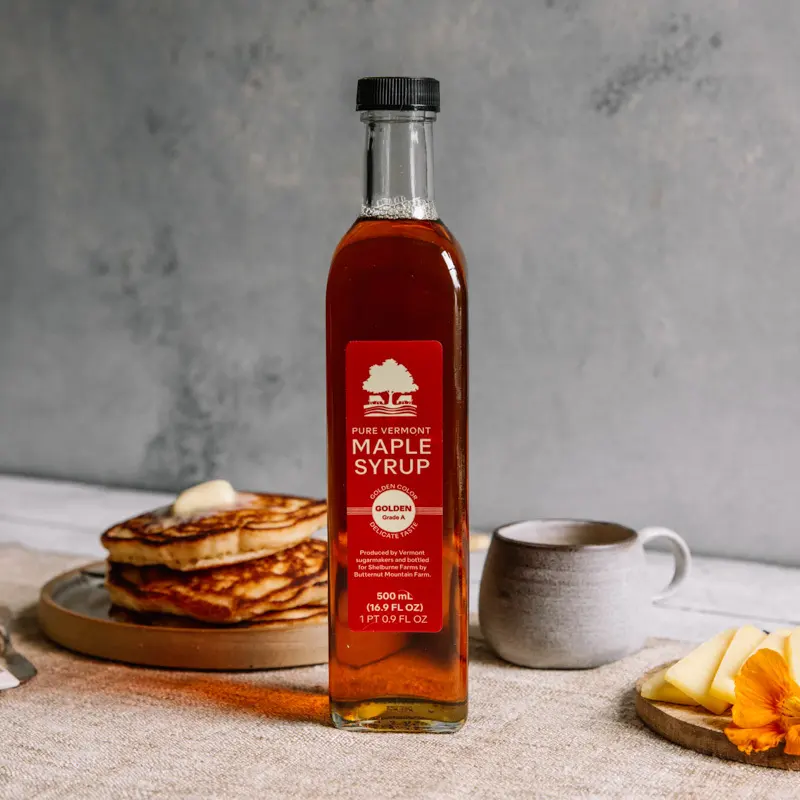
Starting a small-scale operation requires minimal investment. You do not need a commercial-grade evaporator to produce high-quality syrup at home. A simple stainless steel pan or a turkey fryer setup works effectively for small batches. Ensure that all containers used for collection are food-grade plastic or stainless steel to avoid chemical leaching.
- A drill with a 7/16-inch or 5/16-inch bit for tapping.
- Food-grade spiles and collection buckets or sanitized jugs.
- A candy thermometer or a professional-grade syrup hydrometer.
- A fine-mesh filter or wool filter to remove sugar sand, known as niter.
Avoid using aluminum pans if possible, as they can react with the sap and alter the flavor profile. Stainless steel is the industry standard for both home hobbyists and large-scale producers. Keep your workspace organized to prevent spills, as sticky sap is difficult to clean once it dries on surfaces.
Why maple syrup color changes
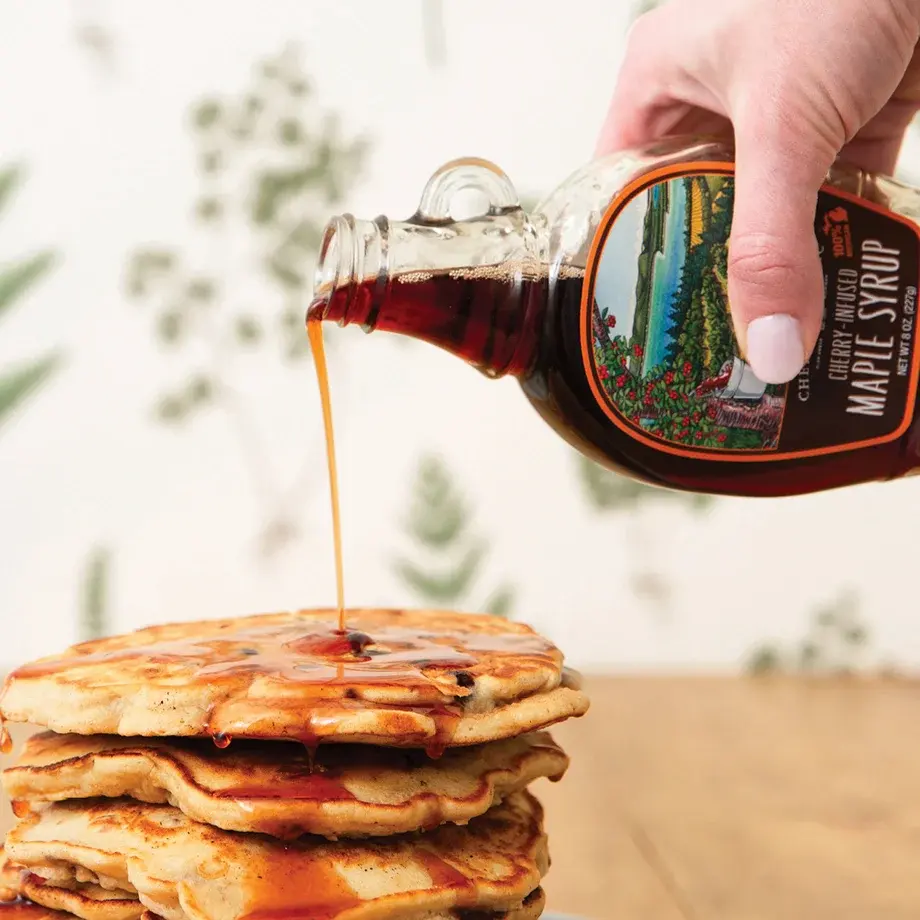
The color and flavor of maple syrup are determined by the time of season and the chemical reactions occurring during the boiling process. Early-season sap is typically clear and produces a light, delicate golden syrup. As the season progresses, the sap undergoes biological changes, resulting in a darker, more robust flavor profile.
The dark color is also a product of the Maillard reaction, a chemical reaction between amino acids and reducing sugars that occurs during prolonged heating. This reaction is responsible for the complex, toasted flavor notes found in late-season syrup. While consumers often prefer the lighter grades, darker syrups are prized by chefs for their intense maple intensity.
Storing your syrup properly is essential to maintaining its quality. Once bottled, it should be kept in a cool, dark place. If you notice any crystallization or cloudiness, simply reheat the syrup gently to dissolve the sugars.
Common mistakes when making syrup
The most frequent error is failing to filter the finished product correctly. After boiling, maple syrup contains fine mineral deposits called niter, or sugar sand, which can make the syrup appear cloudy and gritty. Always pass the hot syrup through a specialized wool or synthetic felt filter to ensure a smooth, professional consistency.
- Harvesting sap too late in the season, which can result in "buddy" syrup with an off-flavor.
- Boiling the sap indoors without proper ventilation, leading to excessive humidity and peeling wallpaper.
- Over-boiling the syrup, which can cause it to crystallize in the bottle or burn entirely.
- Using non-food-grade containers for collection, which may introduce harmful chemicals into the final product.
Proper sanitation is the hallmark of a successful producer. If your equipment is not thoroughly cleaned between batches, wild yeast and bacteria can multiply rapidly. Always rinse your pans and spiles with hot water and store them in a dry place after the season concludes to prevent rust and mold.
Key facts
- Maple syrup is produced primarily from the sap of the sugar maple tree, Acer saccharum.
- It takes approximately 40 gallons of raw sap to produce just one gallon of finished syrup.
- The sugaring season typically occurs between February and April when daytime temperatures are above freezing and nights are below.
- Sap must be boiled immediately after collection to prevent bacterial growth and fermentation.
- A hydrometer is the essential tool used to measure the sugar content of the syrup, which should reach 66 to 67 percent Brix.
- Filtering hot syrup through specialized wool or synthetic filters removes "sugar sand," which is composed of calcium malate crystals.
The bottom line
Maple syrup production is a precise craft that transforms thin, watery sap into a rich, golden sweetener through controlled evaporation. By harvesting during the brief spring thaw and boiling the sap until it reaches the correct sugar density, producers create a natural, complex product. Success relies on patience, careful temperature regulation, and maintaining cleanliness throughout the collection and filtration stages to ensure a high-quality final result.
People also ask
How do you know when a maple tree is ready to be tapped?
A tree must be at least 10 to 12 inches in diameter before it can be safely tapped. Younger trees lack the necessary root system and energy reserves to sustain the loss of sap without suffering long-term health damage.
What is the difference between Grade A and processing grade syrup?
Grade A syrup is categorized by color and flavor intensity, ranging from Golden to Very Dark, and is intended for direct consumption. Processing grade syrup has a strong flavor or color that makes it more suitable for use as an ingredient in commercial food manufacturing.
Can you make maple syrup from any tree?
While many trees produce sap, only members of the maple genus provide the high sugar concentration required for efficient syrup production. Other trees, such as birch or walnut, produce sap that is significantly lower in sugar and requires much longer boiling times.
Why does the color of syrup change throughout the season?
Early season sap is typically lighter in color and milder in flavor, while late-season sap darkens due to biochemical changes in the tree as it prepares for bud development. These changes in the sap's composition result in a more robust, caramelized flavor profile in the final product.
Does maple syrup expire if it is not opened?
Unopened, properly sealed maple syrup is shelf-stable for several years if stored in a cool, dark place. Once opened, it must be refrigerated to prevent the growth of mold, as the high sugar content can still support yeast and fungi over time.
What is the most common mistake beginners make when boiling sap?
The most frequent error is boiling the sap indoors without proper ventilation, which can cause severe moisture damage to walls and ceilings. Additionally, failing to monitor the temperature near the end of the process often leads to burning the syrup or causing it to boil over.
This answer was created with the help of AI research tools and reference sources. Spotted an error? Let us know — we correct mistakes quickly. See our editorial policy.