What is the Hollow Tree in Stanley Park?
Short answer
The Hollow Tree is a historic, massive western red cedar stump located in Vancouver’s Stanley Park. Once a living giant, it has served as a famous landmark and tourist attraction since the late 19th century. Today, it stands as a stabilized, iconic monument representing the park's natural heritage and cultural history.
On this page
What is the history of the Hollow Tree?
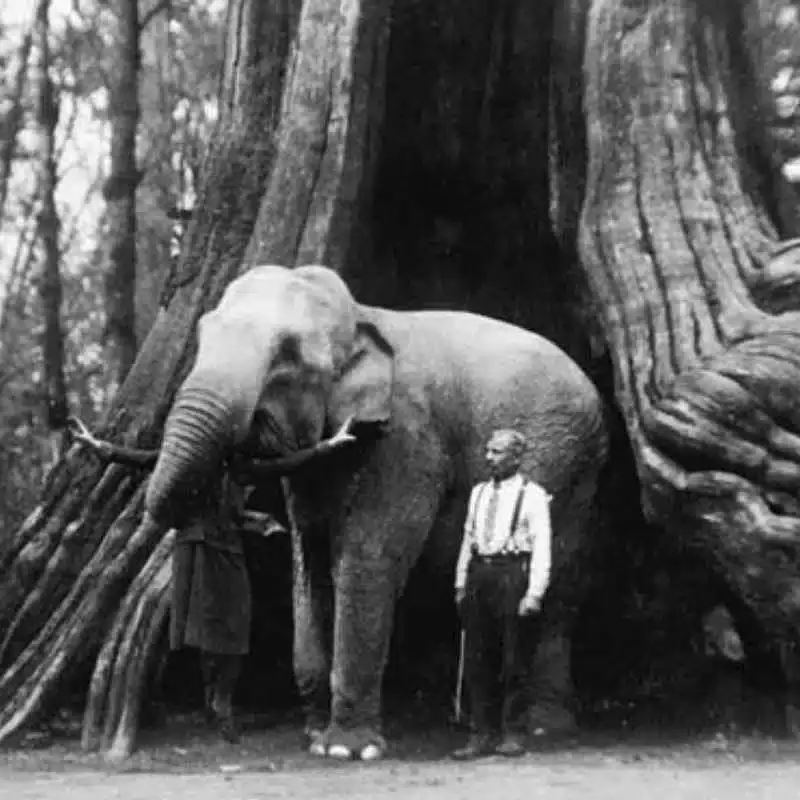
The Hollow Tree is the remains of a western red cedar estimated to be between 700 and 800 years old. It gained prominence in the late 1800s when it became a favorite spot for visitors to Stanley Park, which opened in 1888. Early photographs often show horse-drawn carriages and, later, automobiles driving directly through the hollowed-out trunk. This unique feature turned the tree into one of the most photographed natural landmarks in Western Canada.
Over time, the tree suffered from natural decay, environmental stress, and human impact. By the early 2000s, the structure was deemed unstable and unsafe, leading to intense public debate regarding its preservation. In 2006, a severe windstorm caused the tree to lean dangerously, prompting the Vancouver Park Board to consider its removal. However, a grassroots fundraising campaign successfully raised enough money to stabilize the stump, ensuring its survival for future generations.
How to visit the Hollow Tree in Stanley Park
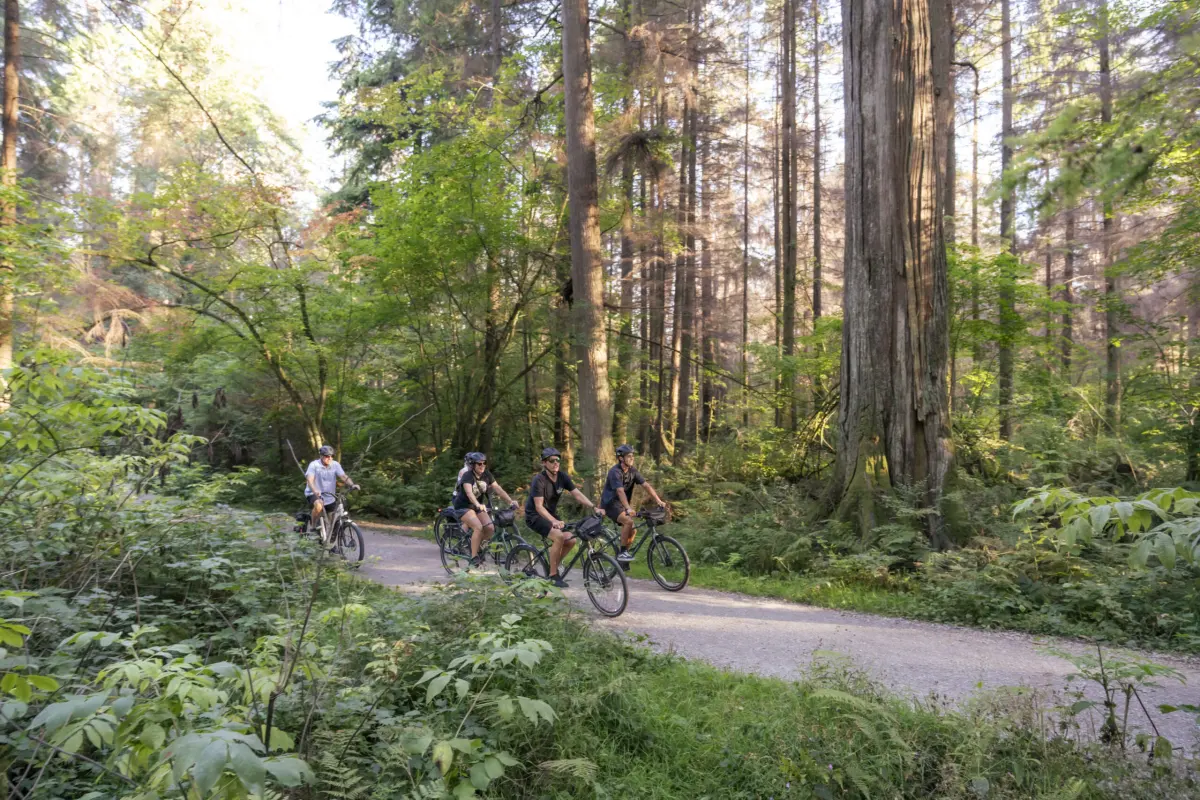
Visiting the landmark is a straightforward process for anyone exploring the park. It is located along Stanley Park Drive, the main loop road that circles the peninsula. You can reach the site by car, bicycle, or by taking the park’s shuttle bus service. There is a dedicated pull-off area for vehicles, making it easy to stop and view the monument without disrupting traffic flow.
If you are planning a trip, consider these logistical details:
- The site is accessible year-round and is open 24 hours a day.
- There is no admission fee to view the tree as it is located in a public park.
- Parking is limited, so arrive early during summer weekends or holidays to secure a spot.
- The area is paved and wheelchair accessible, allowing everyone to get a close-up view of the historic stump.
Why was the tree stabilized?
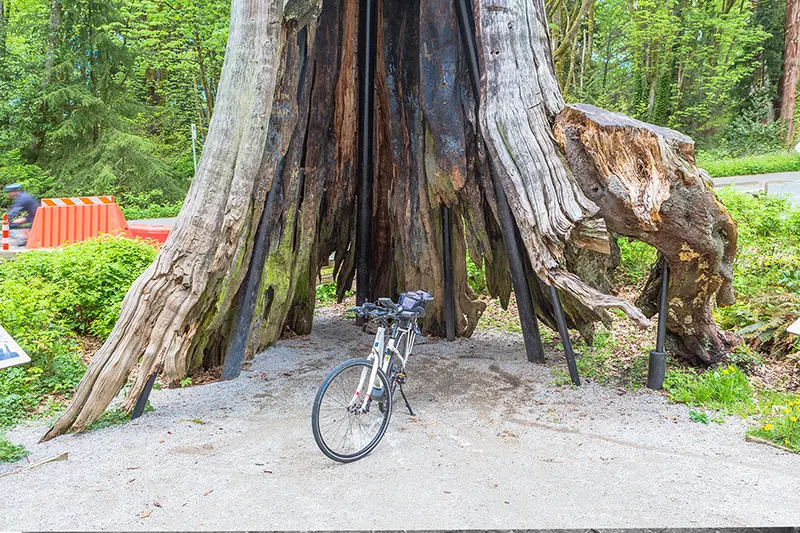
The stabilization project completed in 2009 was a complex engineering feat designed to prevent the tree from collapsing. Because the wood had rotted from the inside out, the structure lacked the integrity to remain upright on its own. Engineers used a series of internal steel supports and concrete footings to anchor the stump to the ground. This hidden framework allows the tree to maintain its original appearance while ensuring it remains safe for the public.
The project was controversial because some argued that the tree should be allowed to decompose naturally. Proponents of the restoration, however, emphasized the tree's role as a cultural icon and a symbol of the park’s resilience. By reinforcing the structure, the city preserved a living link to the ancient forests that once covered the entire peninsula. Today, the tree serves as an educational tool, illustrating the life cycle of western red cedars and the importance of forest conservation.
Common mistakes when visiting the Hollow Tree
Many visitors arrive at the site expecting to walk inside the trunk, but this is no longer permitted. To protect the fragile interior and ensure visitor safety, the area inside the tree is fenced off. Attempting to climb over the barriers or touch the interior wood can cause further damage to the historic structure. Please respect the signage and stay on the designated paths to help preserve the landmark for others to enjoy.
Another frequent error is underestimating the time needed to explore the surrounding area. Many people stop at the tree for a quick photo and leave immediately, missing the nearby trails that lead through the surrounding old-growth forest. To make the most of your visit, follow these steps:
- Park your vehicle in the designated pull-off area.
- Read the interpretive plaques that explain the tree's history and the 2009 restoration.
- Walk the short loop trail behind the tree to see other examples of the park's diverse flora.
- Check the park map to locate other nearby attractions like the Prospect Point lookout.
Best times to see the Hollow Tree
The best time to visit depends on your preference for weather and crowd levels. During the summer months, the park is vibrant and lush, but the area around the Hollow Tree can become quite crowded with tourists. If you prefer a quieter experience, visit during the early morning hours on a weekday. The morning light filtering through the canopy provides excellent conditions for photography and allows for a more contemplative viewing experience.
If you visit during the autumn or winter, you will experience a moodier, more atmospheric side of the park. The damp, misty conditions common in Vancouver during these seasons highlight the ancient, moss-covered nature of the tree. Regardless of when you choose to go, remember that Stanley Park is a vast area. Dress in layers, wear comfortable walking shoes, and be prepared for the unpredictable Pacific Northwest weather. By planning ahead, you can ensure a memorable visit to one of Vancouver’s most enduring and beloved historical landmarks.
Key facts
- The Hollow Tree is a massive, centuries-old Western red cedar stump located along Stanley Park Drive in Vancouver, British Columbia.
- It stands approximately 18 to 20 feet tall and features a large, natural cavity that visitors can walk through.
- The tree died naturally decades ago, but it has been preserved as a cultural landmark and a symbol of the park’s history.
- In 2006, the Vancouver Park Board declared the tree unstable and slated it for removal, sparking a massive public outcry.
- A restoration project in 2009 used steel supports and concrete footings to stabilize the stump, allowing it to remain in its original location.
- Visitors should avoid climbing on the exterior of the stump to prevent further erosion and damage to the fragile wood.
The bottom line
The Hollow Tree serves as a cherished historical landmark in Vancouver’s Stanley Park, representing the region's rich natural heritage. Once nearly removed due to safety concerns, this iconic cedar stump was saved through community advocacy and structural engineering. Today, it remains a must-see stop for park visitors, offering a unique opportunity to stand inside a piece of history while enjoying the beauty of the surrounding forest.
People also ask
Can I go inside the Hollow Tree?
Yes, the interior of the tree is accessible to the public. You can walk through the hollow center, which is a popular spot for photographs and viewing the park's natural landscape.
Is the Hollow Tree a living tree?
No, the tree is a dead cedar stump. It has been standing in its current state for many years, preserved as a historical monument rather than a growing organism.
Where exactly is the Hollow Tree located in Stanley Park?
It is situated on the west side of Stanley Park, directly along Stanley Park Drive. It is easily accessible by car, bicycle, or on foot via the park's main loop road.
Why was the Hollow Tree almost removed?
The tree was deemed a safety hazard in 2006 because it had become structurally unstable and was leaning significantly. Local residents campaigned to save it, leading to a successful stabilization effort.
How old is the Hollow Tree?
While exact dating is difficult for a stump, it is estimated to be several hundred years old. It remains a testament to the massive old-growth forests that once covered the entire Vancouver peninsula.
Are there parking facilities near the tree?
Yes, there is a designated pull-off area directly adjacent to the Hollow Tree. This allows visitors to park safely for a few minutes to walk up and explore the site.
This answer was created with the help of AI research tools and reference sources. Spotted an error? Let us know — we correct mistakes quickly. See our editorial policy.