Why do we sweat?
Short answer
Sweating is the body’s primary mechanism for thermoregulation. When internal temperatures rise, the hypothalamus triggers eccrine glands to release a water-based fluid onto the skin. As this moisture evaporates, it absorbs heat from the body, effectively cooling the blood and preventing organs from overheating during physical exertion or exposure to heat.
On this page
Why sweating happens
The human body operates optimally at an internal temperature of approximately 98.6°F (37°C). When you exercise, experience stress, or enter a warm environment, your hypothalamus—the brain’s thermostat—detects a rise in blood temperature. It sends chemical signals to millions of eccrine sweat glands distributed across your skin, particularly on the palms, soles, forehead, and underarms.
These glands secrete a solution composed mostly of water, along with small amounts of electrolytes like sodium, potassium, and chloride. As the liquid sits on your skin, it undergoes a phase change from liquid to vapor. This process, known as evaporative cooling, requires energy in the form of heat, which is pulled directly from your skin surface. By cooling the skin, the body lowers the temperature of the blood circulating near the surface, which then returns to the core to stabilize internal heat levels.
How to manage sweat effectively
Managing perspiration is a common concern for comfort and social confidence. While you cannot stop the biological process, you can influence how you handle the output. Using antiperspirants is the most effective method, as they contain aluminum-based compounds that create temporary plugs in the sweat ducts, physically blocking the release of moisture before it reaches the surface.
To optimize your hygiene and comfort, consider these practical steps:
- Apply antiperspirant at night on clean, dry skin to allow the active ingredients to form plugs while glands are less active.
- Choose breathable, natural fabrics like cotton, linen, or moisture-wicking synthetic blends that pull sweat away from the skin.
- Carry a small towel during intense exercise to wipe away excess moisture, which helps the evaporation process work more efficiently.
- Stay hydrated to ensure your body can continue producing sweat without depleting essential minerals, which helps prevent heat exhaustion during high-intensity activities.
What causes excessive sweating
Hyperhidrosis is a medical condition characterized by sweating far beyond what is necessary for thermoregulation. While normal sweating is usually triggered by heat or exertion, those with primary focal hyperhidrosis may experience dripping sweat even in cool temperatures. This condition often affects specific areas like the hands, feet, or underarms and can be triggered by emotional stimuli or hormonal shifts.
Secondary hyperhidrosis is different because it is caused by an underlying medical issue or medication. If you notice a sudden, systemic change in your sweat patterns, it is important to consult a healthcare professional. Common triggers for secondary sweating include:
- Thyroid disorders, specifically hyperthyroidism, which increases metabolic rate.
- Fluctuations in blood sugar levels, particularly hypoglycemia.
- Certain medications, including antidepressants and blood pressure treatments.
- Menopause, which causes hormonal fluctuations that disrupt the body’s temperature regulation systems.
Common mistakes when dealing with sweat
Many people make errors in their daily routine that inadvertently make moisture management more difficult. One frequent mistake is applying deodorant—which only masks odor—when they actually need an antiperspirant to control the volume of sweat. Another common error is wearing tight, non-breathable clothing, which traps heat against the body and forces the glands to work harder to cool you down.
Avoid these common pitfalls to maintain better comfort:
- Do not apply antiperspirant to broken or irritated skin, as this can lead to inflammation or infection.
- Avoid over-washing the skin with harsh soaps, which can strip away natural oils and cause the skin to produce more oil, potentially mixing with sweat to create more odor.
- Do not ignore the role of diet; consuming excessive caffeine, alcohol, or spicy foods can stimulate the nervous system and trigger increased sweat production.
- Do not assume that sweating more during a workout means you are burning more fat; sweat volume is a measure of heat dissipation, not caloric expenditure.
The role of sweat in health and odor
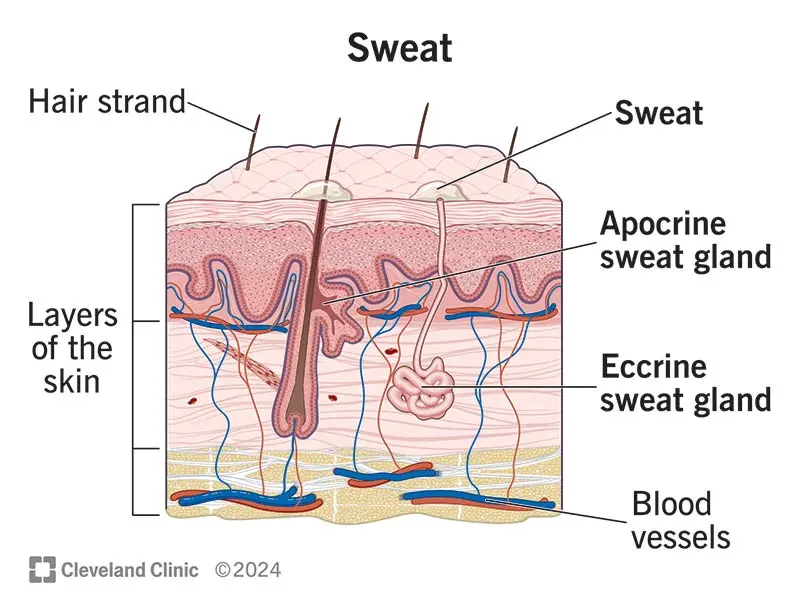
Sweat itself is almost entirely odorless. The distinct scent associated with perspiration is actually caused by bacteria living on the skin’s surface that break down the proteins and fats found in sweat produced by apocrine glands. These glands are located primarily in the armpits and groin and become active during puberty, secreting a thicker, more nutrient-rich fluid than the watery sweat produced by eccrine glands.
Maintaining good hygiene is the most effective way to manage these odors. Regular bathing removes the bacteria that thrive in moist environments. Additionally, keeping the skin dry and changing clothes after physical activity prevents the buildup of these odor-causing microbes. Understanding that sweating is a vital, healthy function of the human body can help you manage it with practical habits rather than viewing it as an inconvenience. By focusing on proper clothing choices, hydration, and targeted hygiene, you can support your body's natural cooling system while maintaining your personal comfort throughout the day.
Key facts
- The human body contains between 2 million and 4 million sweat glands.
- Eccrine glands, found all over the body, primarily secrete water and salt to cool the skin.
- Apocrine glands, located in the armpits and groin, produce thicker fluids that bacteria break down to create body odor.
- Sweating is regulated by the hypothalamus, the brain's internal thermostat.
- A person can lose up to 1.5 liters of fluid per hour during intense physical activity in hot conditions.
- To prevent dehydration, drink water before, during, and after exercise rather than waiting until you feel thirsty.
The bottom line
Sweating is a vital physiological process that maintains your internal body temperature, preventing overheating during physical exertion or exposure to high heat. By releasing moisture onto the skin, your body utilizes evaporative cooling to stabilize its core. While often misunderstood as a tool for weight loss or detoxification, its true purpose is survival. Stay hydrated and practice good hygiene to manage the natural effects of perspiration.
People also ask
Does sweating help you lose weight?
Sweating primarily causes weight loss through water depletion rather than fat burning. While the scale may show a lower number after a workout, this is temporary and will be regained once you rehydrate.
Why does sweat sometimes smell bad?
Sweat itself is nearly odorless. The smell occurs when bacteria on the skin surface break down the proteins and fats found in sweat produced by apocrine glands.
Is it possible to sweat too much?
Yes, a condition called hyperhidrosis causes excessive sweating beyond what is needed to cool the body. If sweating interferes with daily life, a dermatologist can offer treatments like clinical-strength antiperspirants or medical procedures.
Should I avoid using antiperspirants?
There is no scientific evidence that using antiperspirants is harmful to your health. They work by temporarily blocking sweat ducts with aluminum-based compounds to reduce moisture, whereas deodorants only mask odor.
Does sweating detoxify the body?
The liver and kidneys are the primary organs responsible for filtering toxins from the blood. Sweat is 99 percent water and trace amounts of salt, so it plays a negligible role in detoxification.
Why do I sweat when I am nervous?
Emotional sweating is triggered by the sympathetic nervous system during the "fight or flight" response. This activates apocrine glands, which react to stress hormones like adrenaline rather than physical heat.
This answer was created with the help of AI research tools and reference sources. Spotted an error? Let us know — we correct mistakes quickly. See our editorial policy.