Why do our fingers wrinkle in water?
Short answer
Fingers wrinkle in water because the autonomic nervous system triggers blood vessels beneath the skin to constrict. This reduces the volume of the fingertips, causing the skin to fold inward. Scientists believe this evolutionary adaptation improves grip on wet objects, functioning similarly to the tread patterns on automobile tires to channel away water.
On this page
Why do fingers wrinkle in water?
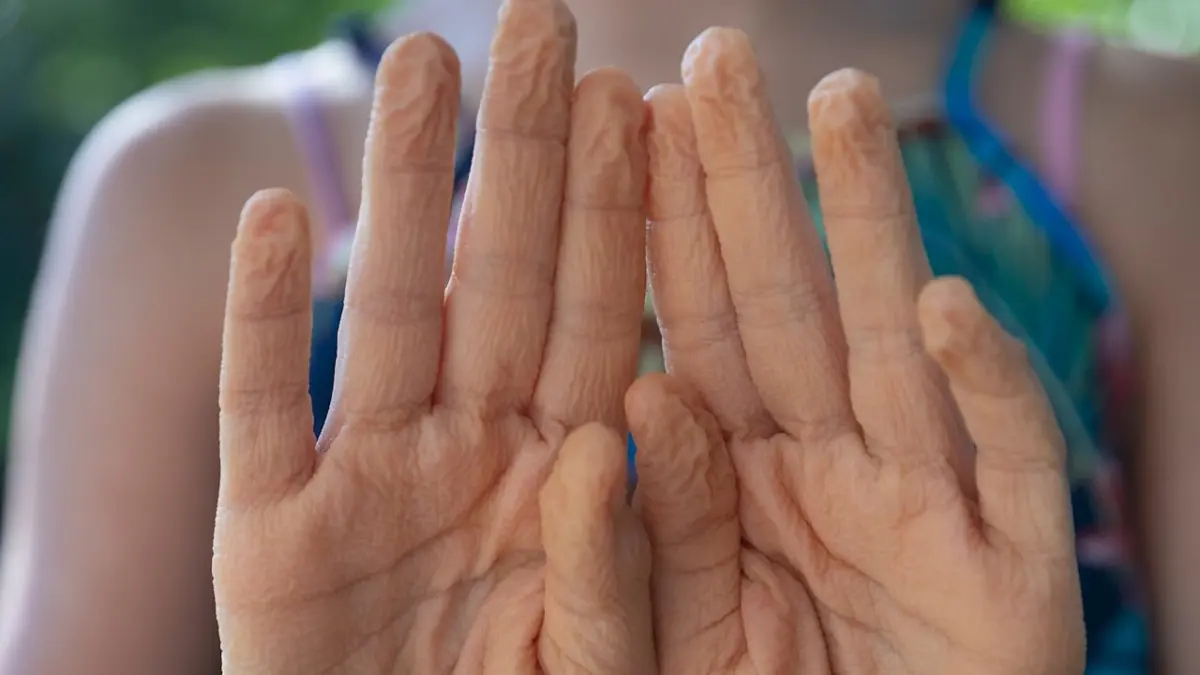
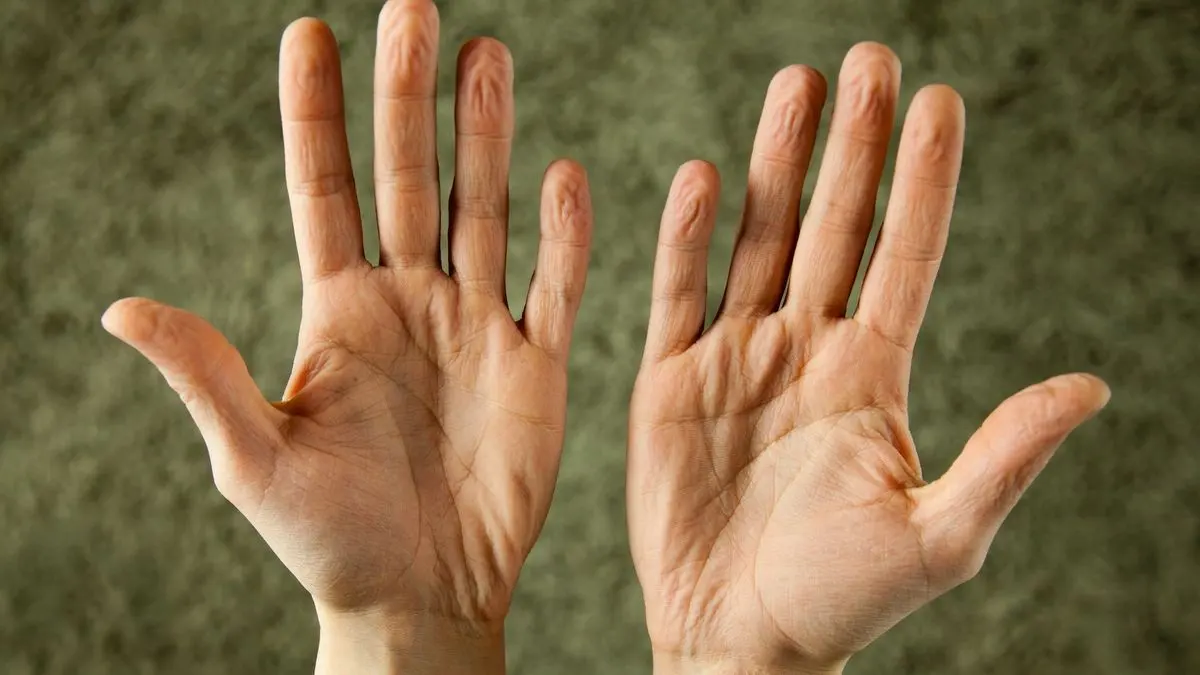
The phenomenon of skin wrinkling, technically known as aquagenic wrinkling, is not caused by the skin absorbing water like a sponge. Instead, it is an active physiological response controlled by the sympathetic nervous system. When your hands are submerged, the body detects the moisture and sends signals to the blood vessels in the fingers and toes. These vessels undergo vasoconstriction, narrowing the diameter of the veins and arteries beneath the skin.
As the underlying tissue volume decreases, the skin—which is anchored to the bone by ligaments—has no choice but to collapse into folds. This process is involuntary and serves a specific biological purpose. Research suggests that these wrinkles act as channels, allowing water to drain away from the contact surface when you touch an object. This mechanism significantly increases friction, making it easier to handle wet or submerged items.
How long does it take to wrinkle?
The time required for skin to wrinkle varies depending on temperature, water composition, and individual physiology. Generally, it takes between five and ten minutes of continuous immersion for the process to begin. However, if the water is particularly warm or if you have been exercising, the onset may be faster due to increased blood flow and skin sensitivity. The wrinkles typically reach their peak depth within twenty minutes of immersion.
If you are curious about your own reaction time, you can conduct a simple observation:
- Fill a basin with lukewarm water.
- Submerge your hand completely for three minutes.
- Check for initial signs of puckering around the nail beds.
- Continue for another five minutes to observe the full pattern formation.
- Once you remove your hand, note how long it takes for the skin to return to its original smooth state.
Does the nervous system affect wrinkling?
The connection between the nervous system and skin wrinkling was confirmed through studies of patients with nerve damage. Researchers discovered that individuals who have undergone a sympathectomy—a procedure where specific sympathetic nerves are severed—do not experience wrinkling in their fingers when submerged. This clinical evidence proves that the reaction is a deliberate neurological command rather than a passive physical reaction to hydration.
Because the response is neurological, it is also linked to the body's overall state of hydration and health. In some cases, medical professionals use the absence of wrinkling as a diagnostic tool to assess autonomic function. If your fingers fail to wrinkle after long periods in water, it may indicate an underlying issue with your peripheral nerves. However, for most healthy individuals, the lack of wrinkling is simply a variation in physiological response or a result of specific environmental conditions that inhibit the nervous system's signal.
Common mistakes when dealing with pruned skin
Many people mistakenly believe that moisturizing their hands will prevent wrinkling during a bath or swim. While keeping skin hydrated is generally healthy, it does not stop the autonomic nervous system from triggering vasoconstriction. Applying thick oils or petroleum jelly may create a temporary barrier, but it will not alter the underlying neurological response to prolonged submersion. Another common error is assuming that the skin is losing its elasticity or aging prematurely.
To maintain healthy skin after frequent exposure to water, avoid these common pitfalls:
- Using harsh, drying soaps immediately after your skin has been submerged.
- Rubbing your skin vigorously with a towel, which can cause micro-tears in the softened, wrinkled layers.
- Ignoring the need for a humectant-based moisturizer after the skin has fully dried.
- Over-exposing hands to hot water, which strips away natural oils and makes the skin more prone to irritation.
Why do we need wrinkled fingertips?
The evolutionary advantage of wrinkled fingers is often compared to the tread on a tire. Just as tires are grooved to displace water and maintain traction on a slick road, the folds in our skin allow water to escape from the contact patch of our fingertips. This adaptation was likely crucial for our ancestors, who needed to gather food from streams or navigate wet environments. By increasing the friction between the skin and the object, our ancestors could maintain a firm grip even in slippery conditions.
This trait is not unique to humans, as similar wrinkling patterns have been observed in other primates. It represents a sophisticated biological engineering feat that balances the need for sensory sensitivity with the requirement for physical utility. While we may find the appearance of "pruned" fingers strange in a modern context, it remains a testament to the body’s ability to adapt to its environment. By understanding this process, we gain a deeper appreciation for the complex, automated systems that govern our daily interactions with the physical world.
Key facts
- Finger wrinkling is an autonomic nervous system response, not merely a passive result of water absorption.
- The process is triggered by the constriction of blood vessels beneath the skin, known as vasoconstriction.
- Wrinkling typically begins after 5 to 10 minutes of immersion in water.
- Evolutionary biologists suggest these ridges act like tire treads to improve grip on wet objects.
- The phenomenon occurs even if the skin is not directly submerged, provided the nerves in the fingers are functioning.
- To maximize grip in wet conditions, keep your hands submerged for at least 5 minutes before attempting to handle slippery items.
The bottom line
The wrinkling of fingers in water is an active biological adaptation controlled by the nervous system rather than a simple reaction to moisture. By constricting blood vessels, the body creates channels that improve grip on wet surfaces, much like the treads on a tire. This evolutionary trait serves a practical purpose for dexterity, naturally reversing once the skin is dry and blood flow returns to normal.
People also ask
Do our toes wrinkle for the same reason?
Yes, the skin on our toes undergoes the same physiological process as our fingers when submerged. This reaction is believed to provide better traction on wet surfaces, helping to prevent slipping while walking.
Why do wrinkles disappear after we dry off?
Once the skin is removed from the water, the autonomic nervous system signals the blood vessels to return to their normal state. As blood flow stabilizes, the skin regains its original shape and elasticity.
Does skin wrinkling occur if nerves in the fingers are damaged?
If the nerves in the fingers are severed or damaged, the autonomic response is interrupted. In these cases, the fingers will not wrinkle despite prolonged exposure to water.
Are there any risks associated with wrinkled skin?
Generally, there are no health risks associated with temporary wrinkling. However, prolonged exposure can lead to skin maceration, where the skin becomes overly soft and prone to irritation or infection.
Do other primates experience this phenomenon?
Research suggests that other primates, such as macaques, also exhibit this wrinkling response. This supports the theory that the trait is an evolutionary adaptation for survival in wet environments.
Can you prevent fingers from wrinkling in water?
There is no practical way to prevent this natural biological response without interfering with nerve function. If you find the texture bothersome, simply dry your hands thoroughly to accelerate the recovery process.
This answer was created with the help of AI research tools and reference sources. Spotted an error? Let us know — we correct mistakes quickly. See our editorial policy.