How many babies do lions have?
Short answer
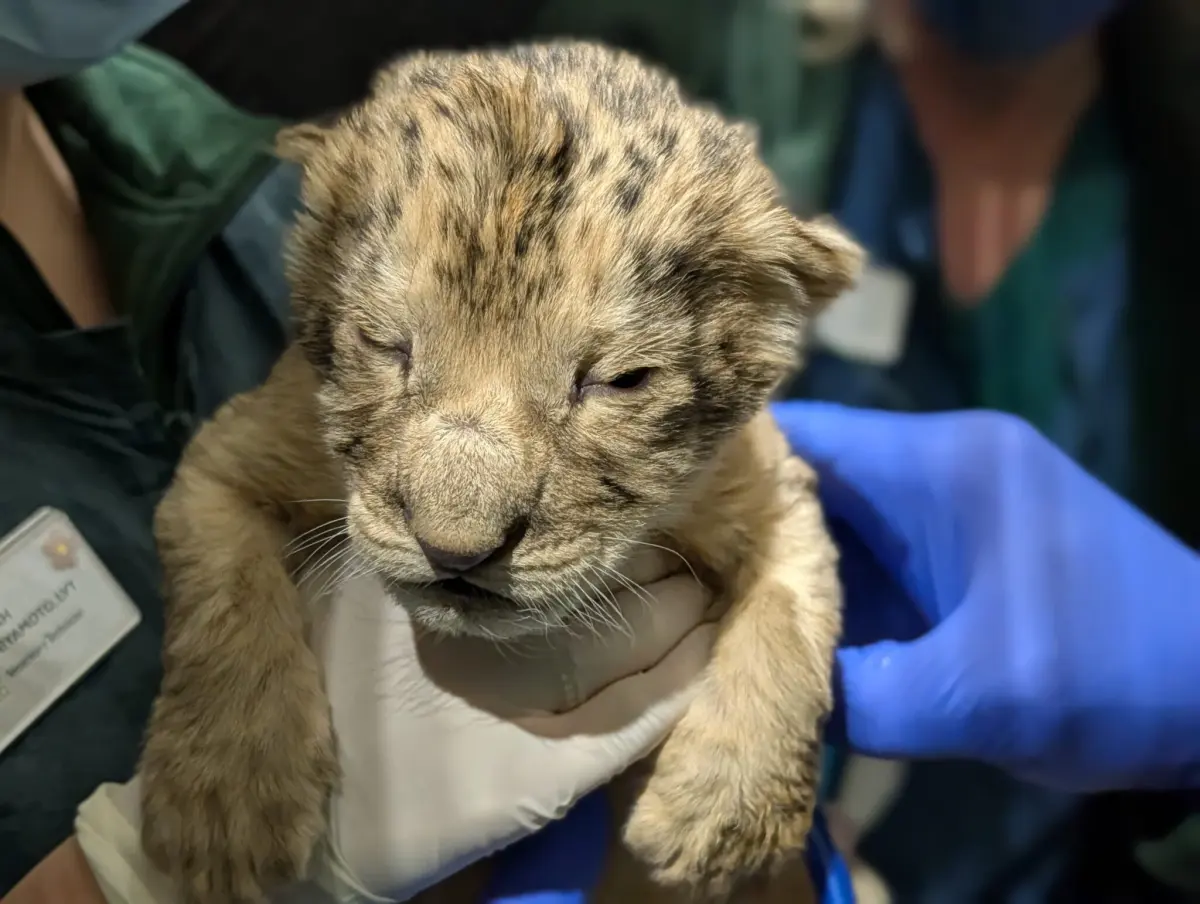
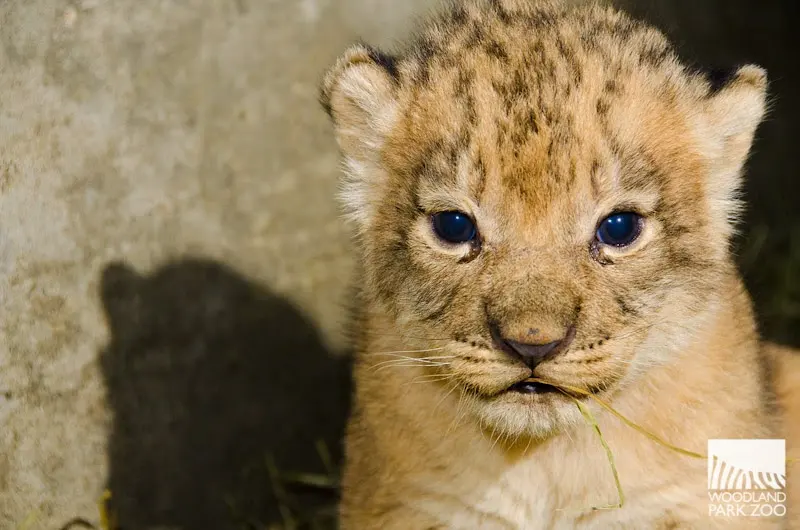
Lions typically give birth to litters of one to four cubs, with the average being two or three. While a female can produce larger litters, survival rates are often low due to environmental pressures. Cubs are born altricial, meaning they are helpless, blind, and entirely dependent on their mother for survival.
On this page
How many cubs does a lioness have?
A lioness usually gives birth to a litter of two to three cubs, though the number can range from one to four. These births occur after a gestation period of approximately 110 days. The size of the litter is often influenced by the mother's health, age, and the availability of prey in the surrounding habitat.
In a pride setting, lionesses often synchronize their reproductive cycles. This behavior allows multiple females to give birth around the same time, leading to a communal nursery known as a crèche. By raising cubs together, the pride increases the collective chances of survival against predators and environmental threats.
- First-time mothers often have smaller litters of one or two cubs.
- Experienced females in their prime are more likely to produce larger litters.
- Environmental stressors can lead to smaller litters or higher rates of cub mortality.
How long does it take for lion cubs to mature?
Lion cubs are born completely helpless and remain in a secluded den for the first six to eight weeks of their lives. During this initial phase, the mother keeps them hidden from the rest of the pride to protect them from potential threats. Once they are strong enough to walk, she introduces them to the pride members.
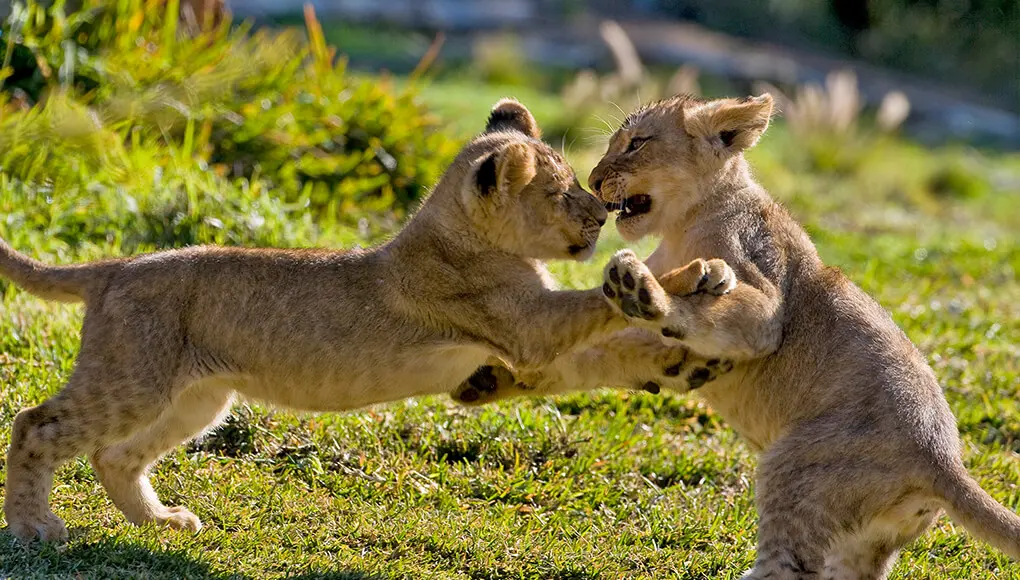
Development is a gradual process that spans several years. Cubs begin to eat meat at around three months old but continue to nurse from their mother for up to six months. By the age of two, they are physically capable of hunting, though they still rely on the pride for social structure and protection.
- Birth to 8 weeks: The cubs remain hidden in a den, nursing exclusively.
- 3 months: Cubs begin to transition to a diet of meat while still nursing.
- 6 months: Weaning is typically completed, and cubs begin learning to hunt.
- 2 years: Cubs reach physical maturity and begin participating in pride hunts.
Why do many lion cubs not survive?
The survival rate for lion cubs is notoriously low, with many failing to reach adulthood. Predation is a primary cause of mortality, as leopards, hyenas, and even rival male lions often target cubs. If a new coalition of males takes over a pride, they may kill existing cubs to bring the females back into estrus.
Starvation also plays a significant role in cub mortality. If the pride fails to make a kill or if the mother is injured, she may be unable to provide enough milk or food for her offspring. Disease and environmental exposure further challenge the development of young lions during their most vulnerable months.
How do lionesses care for their young?
Lionesses are highly protective and devoted mothers. They spend a significant amount of time grooming their cubs to maintain hygiene and strengthen social bonds. When the mother goes out to hunt, she often leaves the cubs in the care of other females within the pride, ensuring they are never left entirely unprotected.
The social structure of the pride is essential for cub survival. Communal nursing is a unique trait where a lioness will allow cubs other than her own to feed from her. This cooperative approach ensures that even if one mother is absent or struggling, the cubs have access to the nutrition they need to grow.
Common mistakes when observing lion cubs
One common mistake visitors make when observing lions in the wild is approaching the den area too closely. Loud noises, sudden movements, or blocking the path of a mother can cause her to abandon the den or move the cubs to a less secure location. Always maintain a respectful distance to avoid causing unnecessary stress.
Another error is assuming that a cub left alone is abandoned. In many cases, the mother is simply hunting nearby or is hidden in the tall grass. Interfering with what appears to be an abandoned cub is dangerous and often disrupts the natural rearing process. Always observe from a vehicle and follow the guidance of professional rangers to ensure the safety of both the animals and the observers.
Key facts
- Lionesses typically give birth to a litter of one to four cubs.
- Gestation lasts approximately 110 days, or about three and a half months.
- Cubs are born blind and helpless, weighing only about 3 to 4 pounds.
- Lionesses in a pride often synchronize their birthing cycles to raise cubs communally.
- A mother will hide her cubs in a secluded den for the first six to eight weeks.
- Mortality rates are high, with up to 50 percent of cubs failing to reach adulthood.
The bottom line
Lionesses usually produce litters of one to four cubs after a gestation period of roughly 110 days. While these young predators are born vulnerable, they benefit from communal care within the pride structure. Survival remains a significant challenge, as many cubs do not reach maturity. Understanding these reproductive patterns highlights the complex social dynamics and high-stakes environment required for the long-term sustainability of lion populations.
People also ask
How often do lions reproduce?
Lionesses generally give birth every 18 to 26 months, provided their previous litter has survived. If a litter is lost, the female may enter estrus much sooner to conceive again.
Do male lions help raise the cubs?
Male lions do not actively participate in the day-to-day care of cubs, such as feeding or grooming. Their primary role is to defend the pride's territory and protect the cubs from outside threats.
What do lion cubs eat?
Cubs rely exclusively on their mother's milk for the first few months of life. They begin to eat meat at around three months old but continue nursing until they are six or seven months of age.
When do cubs start hunting?
Cubs begin to show interest in hunting around six months, but they do not become proficient hunters until they are about 18 months old. They rely on the adults in the pride to provide food until they reach this stage.
Why do lionesses hide their cubs?
Hiding cubs in thick brush or rocky dens protects them from predators like hyenas, leopards, and rival male lions. This isolation is critical for their survival during the vulnerable early weeks before they can walk well.
How long do cubs stay with their mother?
Cubs typically remain with their mother and the pride until they are two to three years old. At this point, young males are often forced out to find their own pride, while females may stay within their natal group.
This answer was created with the help of AI research tools and reference sources. Spotted an error? Let us know — we correct mistakes quickly. See our editorial policy.