How many babies do squirrels have?
Short answer
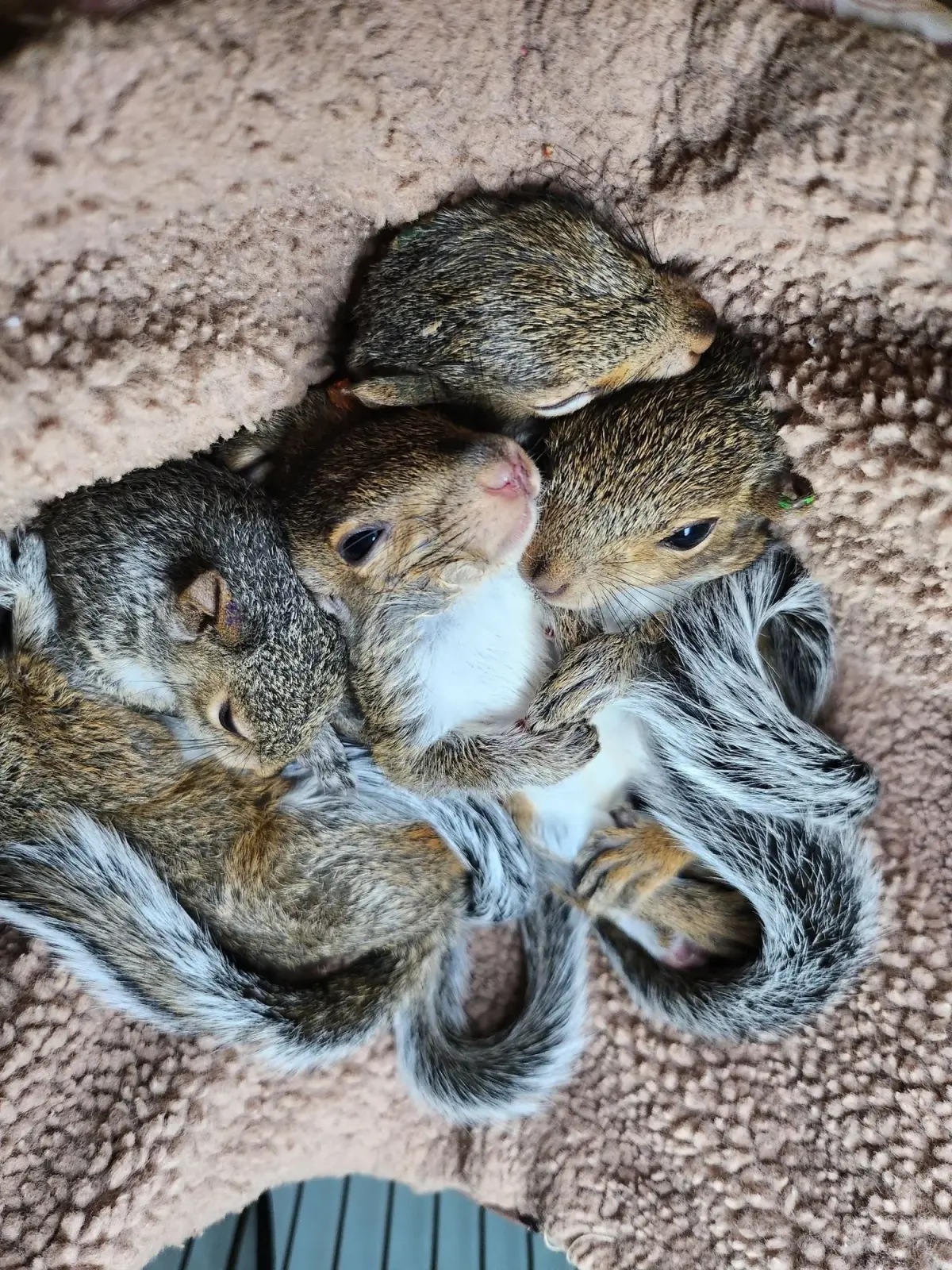
Female squirrels typically give birth to litters ranging from two to five offspring, known as kits or pups. While some species may have as few as one or as many as eight, three is a common average. Most squirrels produce two litters annually, depending on their species, local food availability, and climate.
On this page
How many litters do squirrels have per year?
Most common tree squirrels, such as the Eastern Gray Squirrel, typically produce two litters of offspring each year. The first breeding season generally occurs in late winter, between January and February, resulting in spring litters. The second breeding cycle happens during the summer months, usually in June or July, leading to late summer or early autumn litters.
The frequency of these litters is heavily influenced by environmental factors. In regions with harsh winters or limited food supplies, a female may only produce one litter per year to ensure the survival of her offspring. Conversely, in areas with abundant resources and mild temperatures, some squirrels might successfully raise two litters consistently. The health of the mother and the availability of nesting sites are also critical variables that determine whether a squirrel will reproduce once or twice in a single calendar year.
How long does it take for squirrels to grow?
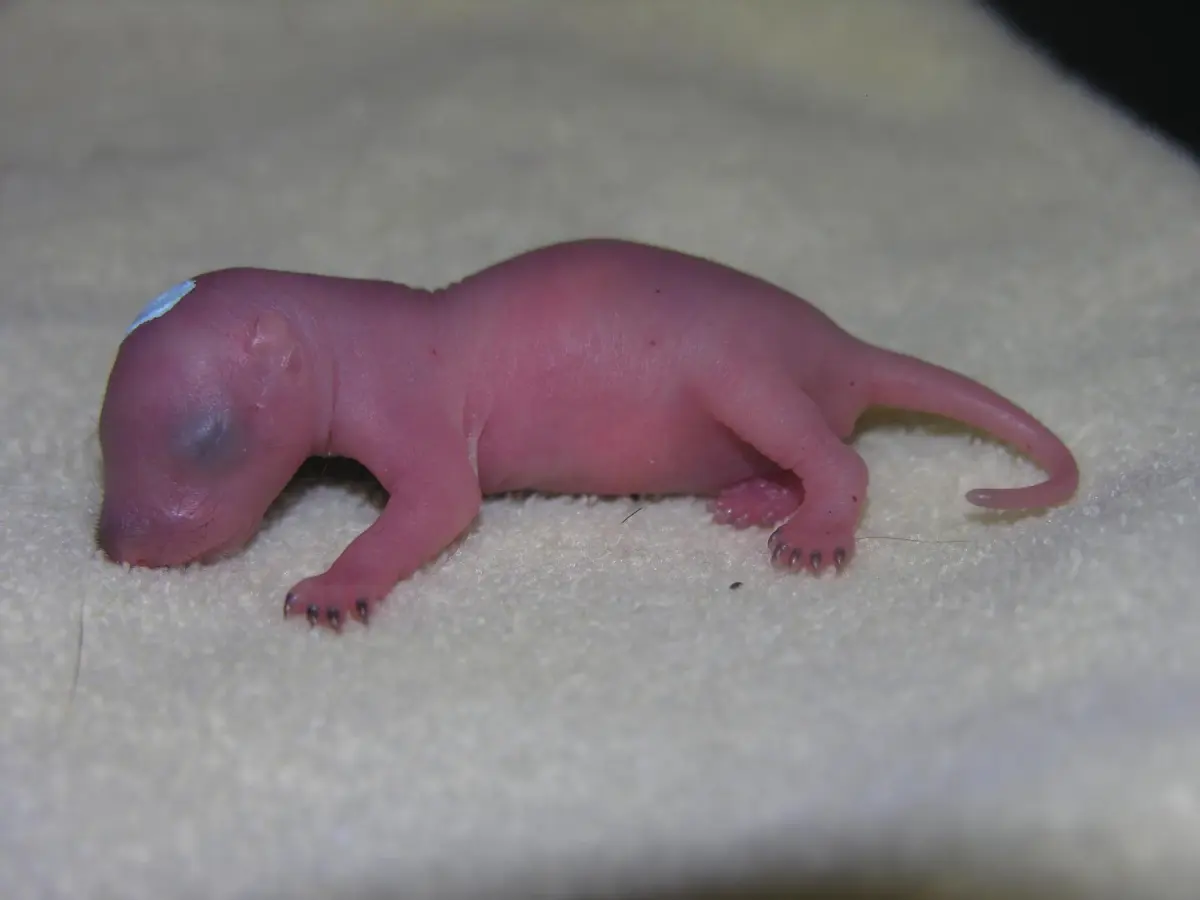
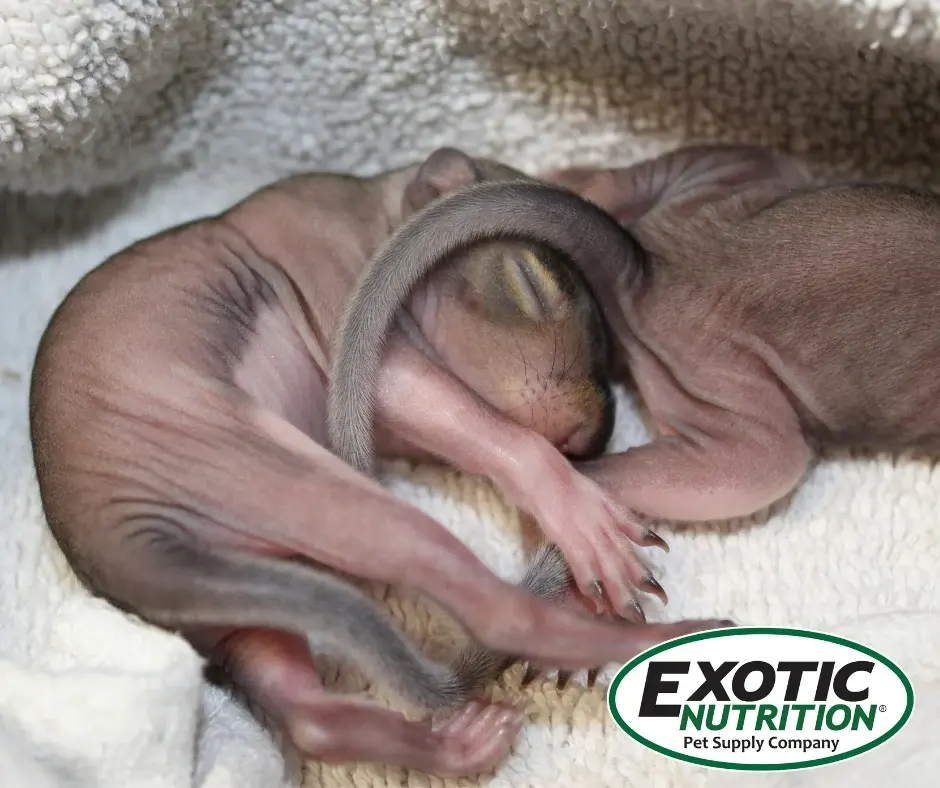
The development of squirrel kits is a rapid process characterized by distinct milestones. At birth, the young are completely helpless, hairless, and blind, relying entirely on their mother for warmth and nutrition. They remain in the nest for several weeks before they begin to explore their surroundings.
- Birth to 3 weeks: Kits are blind and hairless, staying huddled in the nest.
- 4 to 6 weeks: Eyes open, and the kits begin to develop fur and gain mobility.
- 7 to 10 weeks: Kits start venturing outside the nest to practice climbing and foraging.
- 12 weeks: Young squirrels are typically fully weaned and capable of independent survival.
By the time they reach three months of age, most squirrels are physically capable of foraging for their own food. While they may stay near their mother for a short period after weaning, they are generally considered independent juveniles by the start of their first winter.
What do squirrels need to raise their young?
A successful nesting environment is vital for the survival of a litter. Female squirrels construct spherical nests called dreys, which are typically located in the forks of tree branches. These structures are built using a combination of twigs, leaves, moss, and sometimes man-made materials like insulation or plastic, providing essential protection from predators and the elements.
- High, sturdy tree branches to keep the nest away from ground predators.
- A location sheltered from direct wind and heavy rain.
- Soft lining materials such as dried grass, feathers, or fur to maintain body heat.
- Proximity to reliable food sources like nut-bearing trees or bird feeders.
Providing a safe space is the mother's primary responsibility during the first few weeks. If a nest is destroyed by high winds or storms, the mother will often move her kits one by one to a secondary location, such as a hollow in a tree trunk or a nearby attic.
Common mistakes when observing squirrel nests
Many people inadvertently interfere with squirrel families by attempting to help when they see a kit on the ground. A common mistake is assuming that a young squirrel found outside the nest is abandoned. In reality, juveniles often fall out of the nest while learning to climb or are moved by their mothers. If the kit is uninjured, warm, and active, it is usually best to leave it alone, as the mother is likely nearby and will return to retrieve it.
Another frequent error is trimming trees or clearing brush during peak nesting seasons. This can destroy active nests and leave kits exposed to the elements or predators. It is recommended to inspect trees thoroughly for signs of nests before performing any major landscaping work. If you discover a nest, the most responsible action is to delay pruning until the young have vacated the area, which usually happens by late summer or early fall.
Why squirrel populations fluctuate
Squirrel populations are dynamic and often fluctuate based on the availability of "mast," which refers to the fruit and nut crops produced by trees like oaks and hickories. When there is a "mast year"—a season where trees produce an exceptionally high volume of nuts—squirrels often have higher reproductive success. This leads to larger litter sizes and higher survival rates for the kits, causing an overall increase in the local population the following year.
Conversely, when food sources are scarce, squirrels may skip a breeding cycle entirely. This natural population control helps prevent over-competition for limited resources. Predation also plays a significant role in population numbers, as hawks, owls, snakes, and domestic cats frequently target young, inexperienced squirrels. By balancing high reproductive rates with environmental constraints, squirrels have successfully adapted to a wide range of habitats, ranging from dense, ancient forests to suburban backyards and urban city parks.
Key facts
- Most tree squirrel species, such as the Eastern Gray Squirrel, typically produce 2 to 4 babies per litter.
- Squirrels generally have two breeding seasons per year, one in late winter and another in late summer.
- Newborn squirrels, known as kits or kittens, are born hairless, blind, and completely dependent on their mother.
- A mother squirrel will usually raise her litter alone, providing warmth and milk for about 8 to 10 weeks.
- To protect a nest, avoid trimming trees during peak birthing months of February to March and August to September.
- If you find a baby squirrel on the ground, observe it from a distance for several hours before intervening, as the mother often retrieves fallen young.
The bottom line
Squirrels are prolific breeders, typically birthing two litters of two to four kits each year. These young are born helpless and rely entirely on the mother for several months. If you encounter a baby squirrel, patience is essential, as the mother is often nearby. Always prioritize contacting professional wildlife rehabilitators for injured animals to ensure the best chance of survival and successful release back into nature.
People also ask
How long is the gestation period for a squirrel?
The gestation period for most common tree squirrels lasts between 38 and 46 days. This relatively short window allows the mother to produce two litters within a single year.
At what age do baby squirrels leave the nest
Young squirrels typically begin to venture out of the nest at about 6 to 7 weeks old. They are usually fully weaned and independent by the time they reach 10 to 12 weeks of age.
Do squirrels reuse their nests?
Yes, squirrels often reuse nests, known as dreys, across multiple seasons. They may also maintain several backup nests in different trees to evade predators or escape parasites.
What should I do if I find an injured baby squirrel?
Contact a licensed wildlife rehabilitator immediately rather than attempting to care for the animal yourself. Wild animals require specialized diets and handling techniques that are difficult to replicate in a home setting.
Do male squirrels help raise the young?
Male squirrels play no role in raising or protecting the offspring. The female is solely responsible for building the nest, nursing, and teaching the young how to forage.
How many litters can a squirrel have in her lifetime?
A healthy female squirrel can produce two litters annually for several years. Given their average lifespan of three to five years in the wild, a prolific female may successfully raise over a dozen litters.
This answer was created with the help of AI research tools and reference sources. Spotted an error? Let us know — we correct mistakes quickly. See our editorial policy.