What is a baby wolf called?
Short answer
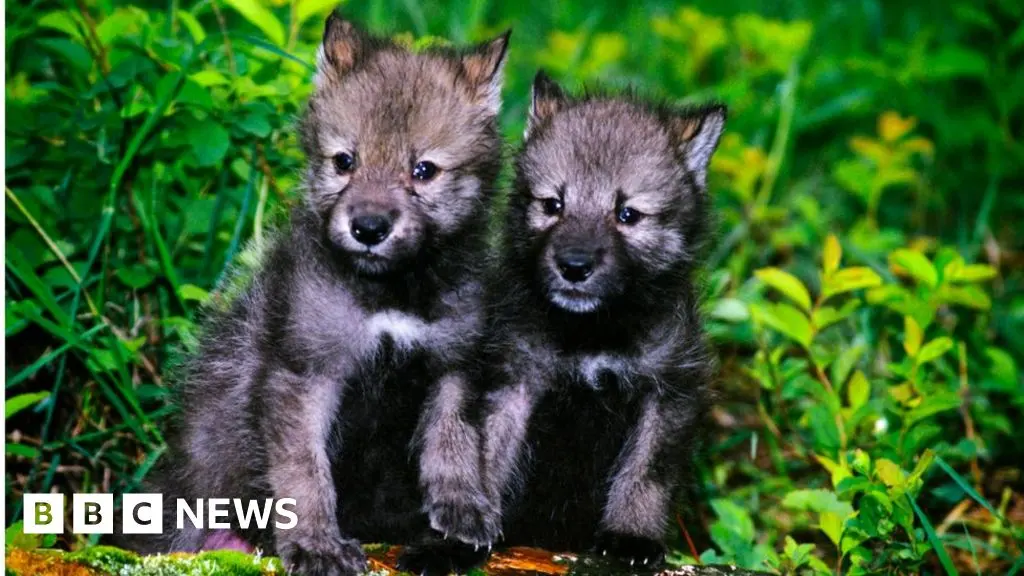
A baby wolf is called a pup. Sometimes referred to as a whelp, these young canines are born in litters, typically numbering between four and six individuals. They remain inside the den for the first few weeks of life, relying entirely on their mother for nourishment and warmth until they are ready to emerge.
On this page
What is a baby wolf called?
The term pup is the standard scientific and common name for a young wolf. While the word whelp is occasionally used in literature or historical contexts, it is interchangeable with pup and refers specifically to the offspring of canines. These animals are born into a highly social family unit known as a pack, which is usually led by a breeding pair of adults.
Within the first few weeks of life, pups are completely dependent on their mother and the pack for survival. They are born blind, deaf, and unable to regulate their own body temperature. As they grow, they begin to interact with other pack members, which helps them develop the complex social behaviors necessary for their future roles within the hierarchy of the wolf pack.
How long does it take for wolf pups to grow?
Wolf pups undergo rapid physical development during their first year of life. By the time they reach six to eight weeks of age, they are typically weaned off their mother's milk and begin consuming regurgitated meat provided by the adults. This transition is a critical phase, as it marks their first step toward independence and integration into the pack's hunting lifestyle.
By the time they reach their first autumn, pups are often nearly the size of adult wolves. However, they are not yet considered fully mature. They continue to learn hunting techniques and social cues from their elders until they reach sexual maturity, which usually occurs between two and three years of age.
- Birth to 3 weeks: Pups are confined to the den and rely solely on nursing.
- 3 to 8 weeks: Pups begin to explore the den entrance and transition to solid food.
- 3 to 6 months: Pups start accompanying the pack on short excursions and practice hunting.
- 6 months to 1 year: Pups reach near-adult size and participate in pack activities.
How do wolf pups learn to survive?
Survival for a young wolf is a communal effort. While the mother provides the most direct care, other members of the pack, often referred to as babysitters, play a vital role in protecting and feeding the pups. This cooperative breeding strategy ensures that the offspring have the best possible chance of reaching adulthood despite the harsh environments they inhabit.
Play is the primary method through which pups learn essential survival skills. Through wrestling, chasing, and mock-fighting with their siblings, they develop the coordination, strength, and communication skills required for hunting and establishing social standing. These interactions are not merely games; they are rigorous training sessions that prepare them for the challenges of life in the wild.
- Social bonding: Pups learn to recognize and respect the pack hierarchy.
- Hunting practice: Stalking and pouncing on siblings mimics the movements needed to catch prey.
- Communication: Pups learn to interpret body language, howls, and scent marking.
- Territorial awareness: They become familiar with the boundaries and resources of their pack's home range.
Why is the mortality rate for wolf pups high?
Despite the protection provided by the pack, the mortality rate for wolf pups is significant. Many factors contribute to these losses, including malnutrition, disease, and predation by other large carnivores such as bears or rival wolf packs. Harsh weather conditions, particularly during the first few months of winter, can also claim the lives of pups that have not yet built up sufficient fat reserves.
In addition to environmental threats, the availability of prey is a major factor in pup survival. If the adult pack members struggle to find enough food, the pups are often the first to suffer. A lack of consistent nourishment can stunt their growth and leave them vulnerable to secondary health issues, making the success of the pack's hunting efforts directly linked to the survival of the next generation.
Common mistakes when observing wolf pups
One of the most frequent errors made by wildlife enthusiasts is attempting to get too close to a den. Wolves are naturally wary of humans, and intrusion can cause the mother to relocate the pups to a less suitable area, which puts them at extreme risk. Maintaining a significant distance is essential to ensure the safety and well-being of the animals.
Another common mistake is assuming that a lone pup found in the woods has been abandoned. In reality, the parents are likely nearby hunting or patrolling the territory. If you encounter a pup, the best course of action is to leave the area immediately and quietly. Attempting to intervene or feed the animal can cause it to lose its natural fear of humans, which is often fatal for the wolf later in life.
Key facts
- A baby wolf is scientifically and commonly referred to as a pup.
- Wolf pups are born blind and deaf, weighing approximately one pound at birth.
- Litters typically consist of four to six pups, born after a gestation period of about 63 days.
- Pups remain inside the underground den for the first three to four weeks of life.
- Weaning usually begins around five weeks of age when the mother starts regurgitating solid food.
- By six months of age, pups are physically capable of traveling and hunting with the pack.
The bottom line
A baby wolf is formally called a pup. These social animals are born into protected dens and rely on the collective support of their pack to survive their vulnerable early months. As they transition from nursing to consuming meat, they learn essential hunting and communication skills from their elders. Understanding these developmental stages highlights the complex, cooperative nature of wolf packs in the wild environment.
People also ask
How long do wolf pups stay with their parents?
Pups typically remain with their natal pack for at least 10 to 54 months. Many wolves eventually disperse to find their own mates and establish new territories.
Do all adult wolves in a pack help raise the pups?
Yes, wolf packs are cooperative breeders. While the alpha pair are the primary parents, other pack members often assist by babysitting, bringing food, and protecting the pups.
What do wolf pups eat during their first few months?
For the first few weeks, pups rely exclusively on their mother's milk. Once they begin weaning, adult pack members provide them with regurgitated meat until they are old enough to eat at a kill site.
How can you tell the difference between a wolf pup and a coyote pup?
Wolf pups generally have larger, broader paws and a blockier muzzle compared to the narrower, more pointed features of a coyote pup. Additionally, wolf pups grow significantly faster and reach larger adult sizes.
At what age do wolf pups start howling
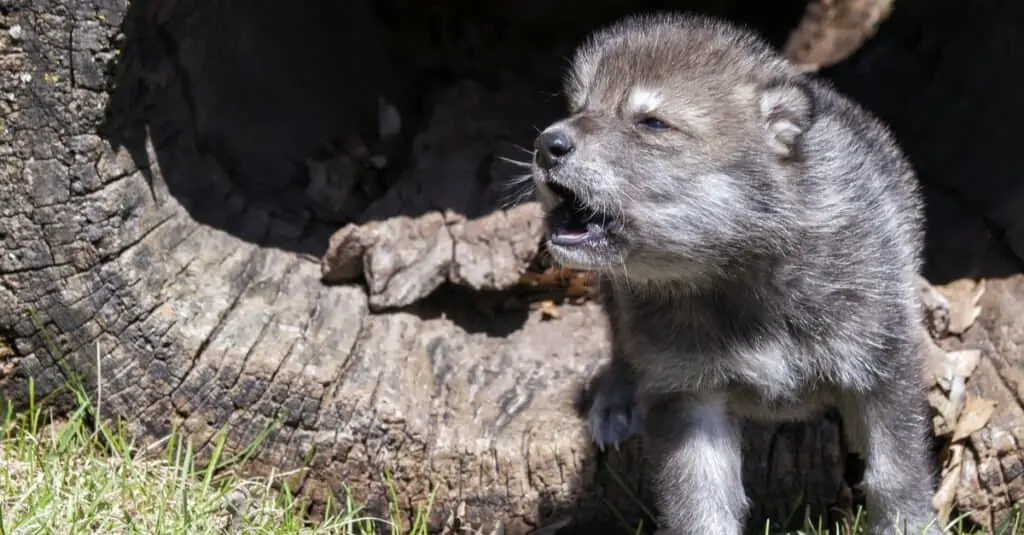
Pups typically begin attempting to howl when they are about one month old. These early attempts often sound more like high-pitched squeaks or yips before developing into a mature howl.
Are wolf pups dangerous to humans?
While they are wild animals with natural predatory instincts, pups are generally shy and avoid human contact. Approaching a den is dangerous, however, as protective adult wolves may perceive human presence as a threat.
This answer was created with the help of AI research tools and reference sources. Spotted an error? Let us know — we correct mistakes quickly. See our editorial policy.