What is Greek mythology?
Short answer
Greek mythology is the body of traditional stories concerning the gods, heroes, and rituals of the ancient Greeks. These narratives explained natural phenomena, human behavior, and the origins of the world. Far from mere fiction, these tales served as a foundational framework for ancient religious practices, art, literature, and social values.
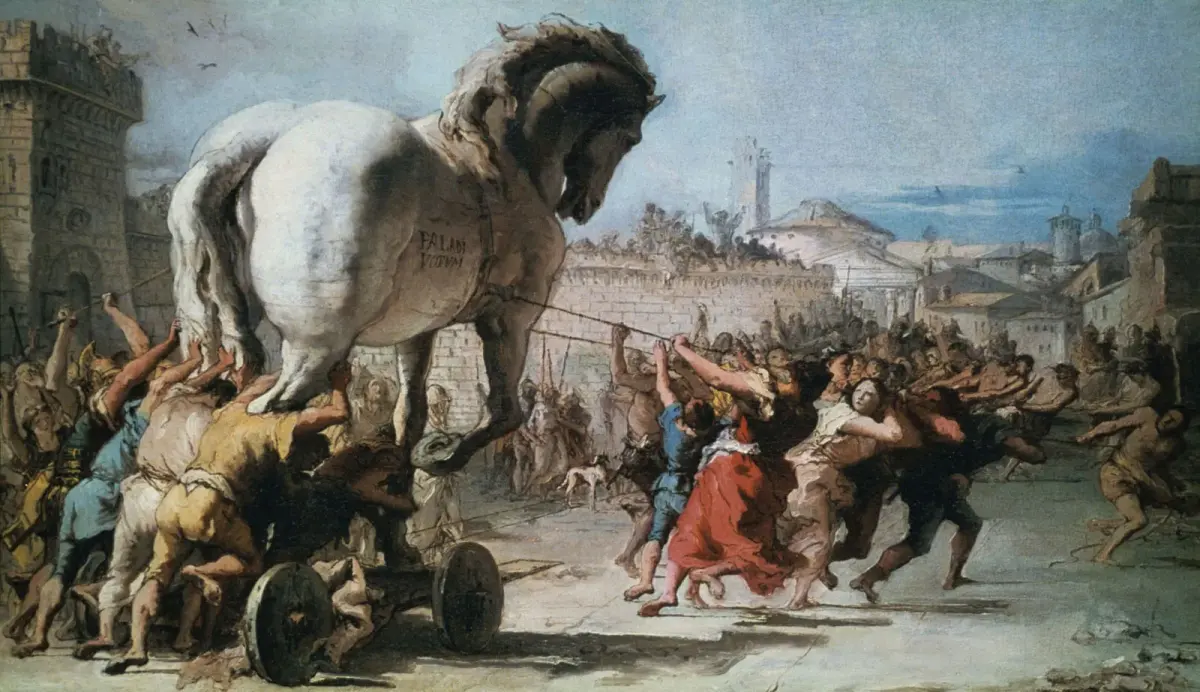
On this page
What are the core themes of Greek mythology?
Greek mythology functions as a complex system of storytelling designed to explain the human condition and the mysteries of the universe. At the center of these narratives are the Olympian gods, who embody both human virtues and destructive vices. These deities were not distant, abstract concepts; they were active participants in mortal affairs, often acting with jealousy, passion, and vengeance. By projecting these traits onto the divine, the Greeks sought to understand the unpredictable nature of their own lives and the environment around them.
Beyond the gods, the mythology features a vast array of legendary heroes, monsters, and semi-divine beings. These characters often faced impossible trials, reflecting the cultural emphasis on arete, or excellence, and the inevitability of fate. The stories frequently explore the tension between mortal ambition and the will of the gods. Key themes include:
- The struggle between order and chaos.
- The consequences of hubris, or excessive pride.
- The inescapable nature of destiny.
- The importance of hospitality and religious piety.
Who are the most important Greek gods?
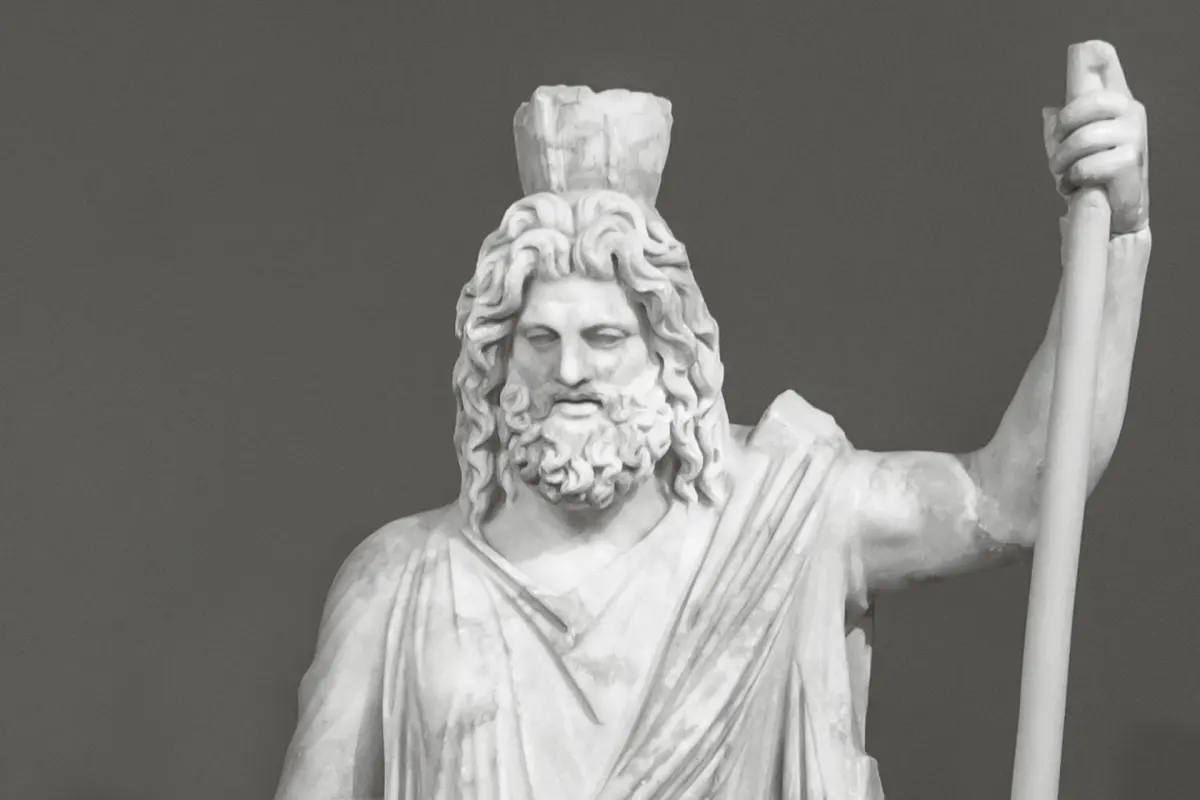
The Greek pantheon is led by the twelve Olympians, who resided on Mount Olympus after defeating the Titans in a cosmic war. Zeus, the king of the gods, reigned supreme, wielding the thunderbolt and maintaining justice. His siblings and children governed various aspects of life, from the depths of the sea to the wisdom of the mind. Understanding these primary figures is essential for interpreting ancient art and literature.
The major deities include:
- Zeus: God of the sky, lightning, and justice.
- Hera: Queen of the gods, goddess of marriage and family.
- Poseidon: God of the sea, earthquakes, and horses.
- Athena: Goddess of wisdom, war strategy, and crafts.
- Apollo: God of the sun, music, poetry, and prophecy.
- Artemis: Goddess of the hunt, wilderness, and the moon.
- Aphrodite: Goddess of love and beauty.
- Ares: God of war and violence.
- Hephaestus: God of fire, metalworking, and craftsmanship.
- Hermes: Messenger of the gods, god of trade and travelers.
- Hestia: Goddess of the hearth and home.
- Demeter: Goddess of agriculture and the harvest.
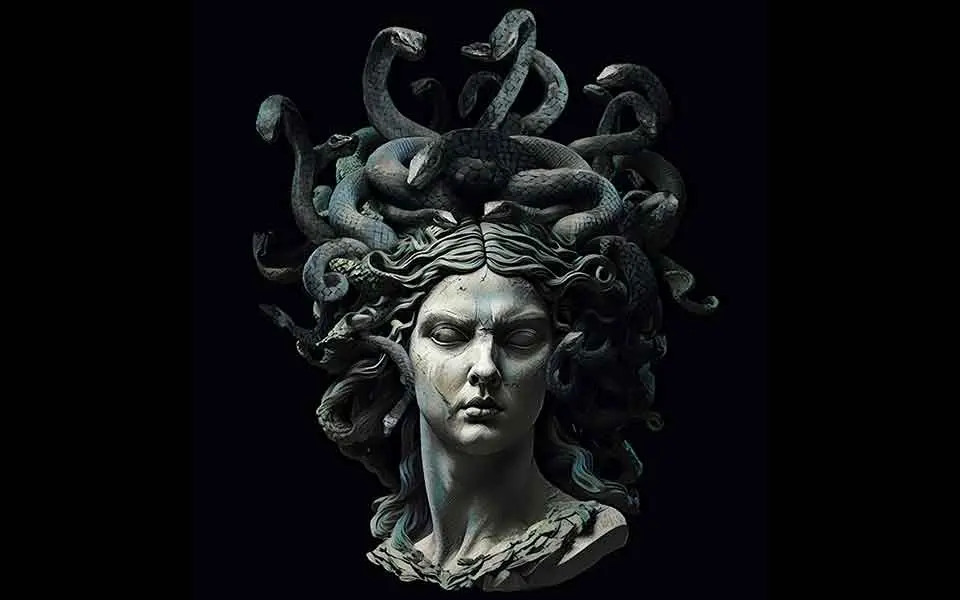
How to start learning about Greek mythology?
For those beginning their exploration, it is best to start with primary sources rather than modern adaptations. The earliest written accounts provide the most authentic glimpse into how the Greeks viewed their world. These texts are not just historical documents; they are foundational works of Western literature that continue to influence contemporary storytelling. Engaging with these narratives requires patience, as the language and cultural context can be dense for modern readers.
To effectively study these myths, follow these recommendations:
- Read Hesiod’s Theogony to understand the origins of the gods and the cosmos.
- Explore Homer’s Iliad and Odyssey to see how myths integrated into the lives of heroes.
- Consult Ovid’s Metamorphoses for a comprehensive, albeit Roman-influenced, collection of transformation myths.
- Use a reliable classical dictionary to keep track of the complex family trees and multiple aliases of the deities.
- Focus on one specific myth cycle, such as the labors of Heracles, before attempting to memorize the entire pantheon.
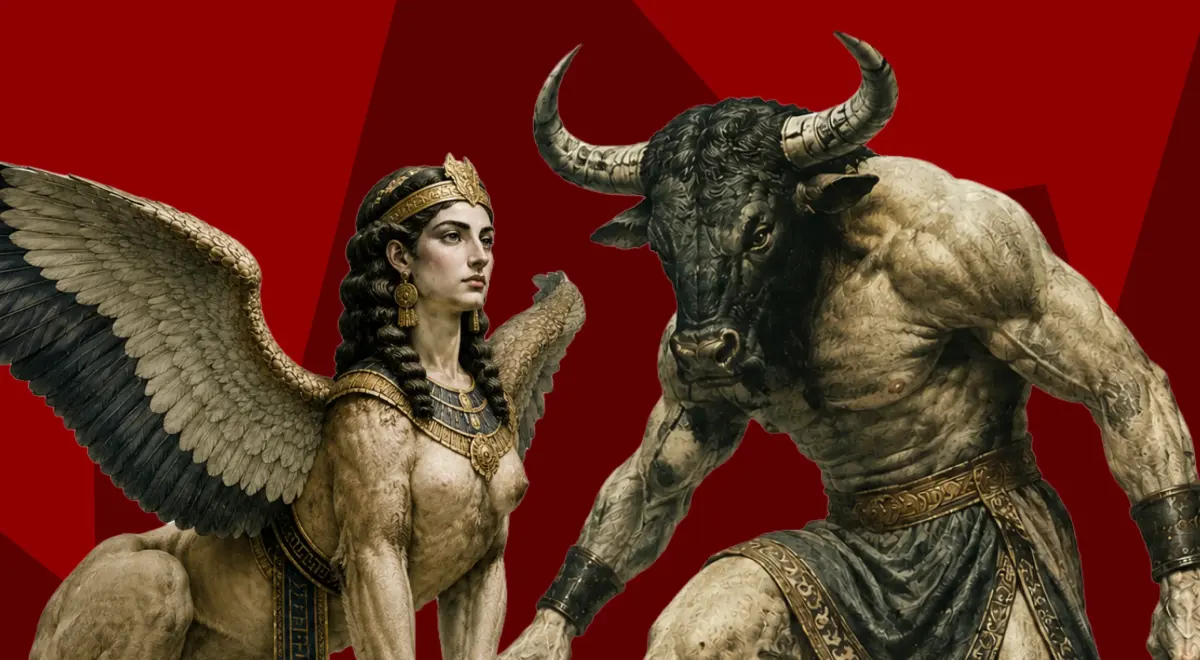
Why do Greek myths still matter today?
The endurance of Greek mythology lies in its psychological depth and its ability to mirror the complexities of human existence. These stories have permeated the Western canon, serving as the blueprint for countless plays, novels, and films. When we analyze modern narratives, we often find the same archetypes—the tragic hero, the wise mentor, and the vengeful antagonist—that were established thousands of years ago. By studying these myths, we gain a clearer understanding of the evolution of human thought and the universal questions that have persisted through time.
Furthermore, Greek mythology remains a vital tool for understanding historical art and architecture. From the Renaissance paintings of Botticelli to the neoclassical sculptures found in modern museums, the imagery of the gods is ubiquitous. Recognizing these symbols allows viewers to decode the intent behind historical masterpieces. The myths remind us that while technology and society change, the fundamental human experiences of love, grief, ambition, and fear remain remarkably consistent across centuries of civilization.
Common mistakes when studying Greek mythology?
One of the most frequent errors is assuming that there is a single, "official" version of any given myth. In reality, Greek mythology was an oral tradition for centuries, meaning that stories varied significantly depending on the region, the poet, and the time period. A myth told in Athens might differ greatly from the same story told in Sparta or Corinth. Avoiding the search for a definitive version is crucial; instead, embrace the variations as evidence of the culture's fluidity and regional diversity.
Another common pitfall is conflating Greek mythology with Roman mythology. While the Romans adopted many Greek gods and renamed them—such as Zeus becoming Jupiter or Aphrodite becoming Venus—the cultural context and the nature of the worship were often distinct. Do not treat these two systems as identical, as doing so obscures the unique contributions of each civilization. Finally, avoid interpreting the myths as literal history or moral instruction manuals. They were complex, often contradictory narratives that reflected the evolving social, political, and spiritual values of the ancient Mediterranean world.
Key facts
- Greek mythology consists of the body of myths and legends belonging to the ancient Greeks concerning their gods, heroes, and the nature of the world.
- The twelve primary deities, known as the Olympians, resided atop Mount Olympus and included figures such as Zeus, Hera, Poseidon, and Athena.
- These stories were not considered a formal religion with a single holy book but rather a shared cultural framework for explaining natural phenomena and human behavior.
- Homer’s epic poems, the Iliad and the Odyssey, composed around the 8th century BCE, serve as the most significant literary foundations for these myths.
- Avoid confusing Greek mythology with Roman mythology; while the Romans adopted many Greek gods, they renamed them, such as changing Zeus to Jupiter and Ares to Mars.
- When studying these myths, focus on the archetypes they represent, as these characters often embody fundamental human traits like jealousy, courage, wisdom, and hubris.
The bottom line
Greek mythology provides a fascinating lens into the ancient world, offering timeless insights into the human condition through tales of gods and heroes. By understanding the core deities and the cultural context of these narratives, you can better appreciate their enduring impact on modern thought and art. Remember that these stories are fluid, reflecting the diverse perspectives and values of the ancient Greek civilization.
People also ask
Who are the most important gods in Greek mythology?
The twelve Olympians are the central figures, led by Zeus, the king of the gods. Other prominent members include Hera, Poseidon, Demeter, Athena, Apollo, Artemis, Ares, Aphrodite, Hephaestus, Hermes, and either Hestia or Dionysus.
Did the ancient Greeks actually believe in these myths?
Yes, the ancient Greeks viewed these myths as vital explanations for the origins of the world and the forces of nature. While some philosophers later questioned the literal truth of the stories, they remained central to Greek religious rituals and civic identity for centuries.
What is the difference between a myth and a legend?
A myth typically explains natural phenomena or the actions of gods, often taking place in a primordial time. A legend is generally rooted in historical fact or features human heroes, such as Heracles or Achilles, whose exploits are exaggerated over time.
Read the full answer →Why are there so many versions of the same Greek myth?
Greek mythology was primarily an oral tradition passed down through generations before being written down. Because different city-states and poets adapted stories to fit their own cultural values or political needs, variations in plot and character detail are common.
How can I start learning about Greek mythology?
Begin by reading a reliable modern translation of Homer’s Iliad or Hesiod’s Theogony. These texts provide the essential narrative structure and genealogy of the gods that inform almost all subsequent adaptations in art and literature.
Are Greek myths still relevant today?
Absolutely, as these stories have profoundly influenced Western literature, psychology, and popular culture. Concepts such as the "Achilles' heel" or the "narcissism" of Narcissus remain standard parts of the modern English lexicon and continue to inspire contemporary storytelling.
This answer was created with the help of AI research tools and reference sources. Spotted an error? Let us know — we correct mistakes quickly. See our editorial policy.