Who invented the umbrella?
Short answer
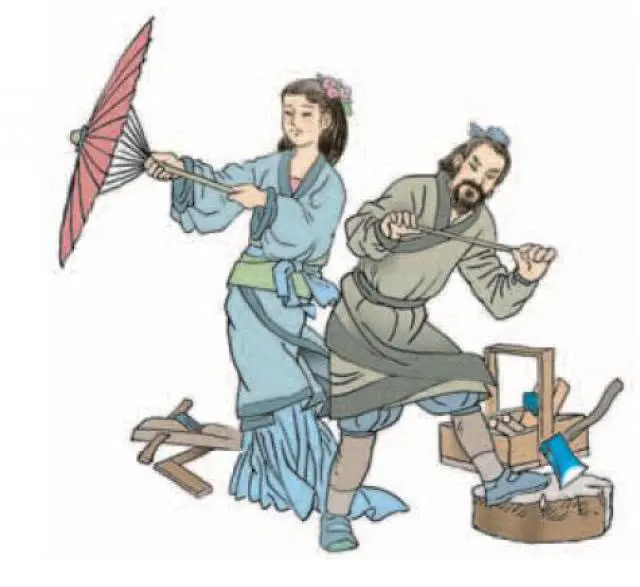
The umbrella was not invented by a single individual, as its origins span thousands of years across multiple ancient civilizations. While early versions appeared in Mesopotamia and Egypt as sunshades, the Chinese were the first to waterproof them for rain protection by waxing or lacquering paper around the 11th century BCE.

On this page
Who actually invented the umbrella?
The umbrella emerged as a status symbol in ancient civilizations rather than a practical tool for rain. In Mesopotamia and ancient Egypt, rulers and high-ranking officials used parasols to shield themselves from the intense sun. These early designs were crafted from palm leaves or feathers attached to long wooden handles, often held by servants. Because they were heavy and complex to operate, they remained exclusive to the elite for centuries.
The transition from a sunshade to a rain-resistant device occurred primarily in China. By the 11th century BCE, artisans began coating paper canopies with wax or lacquer to repel water. This innovation allowed the umbrella to become a functional accessory for everyday life. Over time, the design evolved to include bamboo ribs and collapsible frames, making them portable and durable enough to withstand the elements.
How did the umbrella reach Europe?
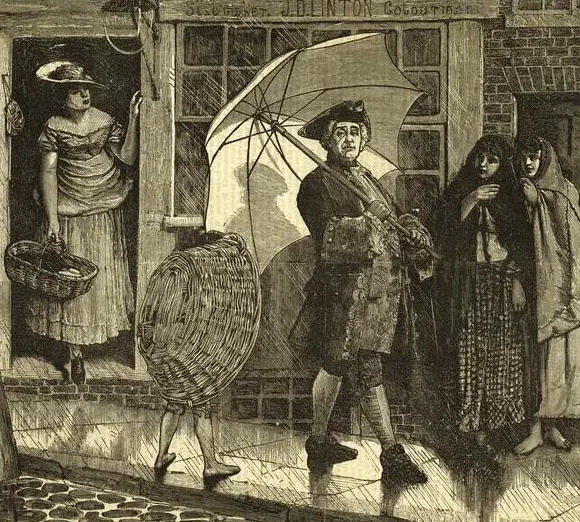
Umbrellas did not become common in Europe until the 16th century, and even then, they were viewed with skepticism. Initially, they were associated with feminine fashion and seen as an unnecessary luxury imported from the East. Men in England and France largely avoided them, fearing that carrying an umbrella would be perceived as a sign of weakness or an attempt to mimic foreign customs.
The cultural shift began in the mid-18th century thanks to Jonas Hanway, an English traveler who famously carried an umbrella through London for thirty years. Despite being mocked by carriage drivers who feared the devices would ruin their business, Hanway’s persistence eventually normalized the umbrella for men. By the 19th century, the "brolly" had become an essential staple of the British wardrobe, particularly in the rainy climate of London.
What are the different types of umbrellas?
Modern umbrellas are categorized by their folding mechanisms and intended use. Understanding these types helps in selecting the right tool for specific weather conditions, ranging from light drizzle to heavy, wind-driven storms.
- Compact umbrellas: These feature telescoping shafts that fold down to fit inside bags or briefcases, offering maximum portability.
- Golf umbrellas: Designed with a large canopy, usually between 60 and 70 inches, these provide coverage for multiple people and are built with wind-venting technology.
- Automatic umbrellas: These utilize a spring-loaded mechanism that allows the user to open or close the canopy with a single button press.
- Bubble umbrellas: Featuring a deep, transparent plastic canopy, these provide superior visibility and protection against side-blown rain.
Choosing the right type depends on your environment. If you live in a city with high winds, a vented canopy is essential to prevent the frame from inverting. For those who travel frequently, a high-quality, lightweight compact umbrella is the most practical choice.
How to maintain an umbrella for longevity?
Proper care is the most effective way to ensure your umbrella lasts through multiple seasons. Many people make the mistake of folding their umbrellas while the fabric is still damp, which leads to mildew growth and structural rust.
- Shake off excess water before entering a building to prevent pooling.
- Leave the umbrella in a partially open position until the canopy is completely dry to the touch.
- Store the item in a cool, dry place away from direct sunlight, which can degrade synthetic fabrics over time.
- Periodically check the ribs and the central shaft for signs of bending or misalignment.
- If the fabric becomes dusty, wipe it down with a damp cloth and mild soap, then rinse thoroughly.
By following these simple steps, you can prevent the common issue of stiffening hinges or foul-smelling fabric. If you notice a small tear in the canopy, use a waterproof adhesive patch rather than standard tape to maintain the integrity of the material.
Common mistakes when buying an umbrella?
Consumers often prioritize style over structural integrity, leading to frequent replacements. The most common error is purchasing an umbrella based solely on its aesthetic appeal or low price point without inspecting the frame. Cheap, plastic-based frames are prone to snapping under minimal pressure, whereas fiberglass or reinforced steel frames offer significantly better durability against gusty winds.
Another frequent mistake is ignoring the canopy material. While polyester is standard, high-end umbrellas often use pongee fabric, which is denser and dries much faster. Additionally, shoppers often overlook the handle design. An ergonomic, non-slip handle is safer during heavy downpours, as it ensures a firm grip even when wet. Always test the opening mechanism in the store to ensure it operates smoothly without catching or jamming. By investing in a high-quality frame and durable fabric, you avoid the frustration of a broken umbrella during a storm and reduce unnecessary waste.
Key facts
- Ancient Chinese inventors created the first collapsible umbrellas around 21 AD using waxed paper and bamboo.
- The word "umbrella" derives from the Latin umbra, meaning shade, as early versions were designed for sun protection.
- Jonas Hanway is credited with popularizing the umbrella for men in London during the 1750s, despite facing public ridicule.
- Samuel Fox invented the modern, lightweight steel-ribbed umbrella frame in 1852, which remains the industry standard.
- To extend an umbrella's life, always leave it open in a shaded area until completely dry to prevent rust and mildew.
- Avoid forcing an umbrella open if the ribs are tangled, as this often snaps the delicate tension wires.
The bottom line
The umbrella evolved from an ancient sunshade into an essential tool for modern weather protection. While early versions used paper and bamboo, 19th-century innovations in steel manufacturing transformed the device into the reliable, collapsible accessory we use today. By selecting a sturdy frame and ensuring your umbrella dries thoroughly after every use, you can maintain its functionality and protect yourself from the elements for years.
People also ask
Why were umbrellas originally only for women?
In 18th-century Europe, umbrellas were viewed as effeminate fashion accessories linked to French culture. Men typically relied on heavy cloaks or carriages to stay dry until the umbrella became a practical, socially accepted tool for all genders.
What is the difference between an umbrella and a parasol?
An umbrella is designed specifically to repel rain using waterproof materials like polyester or nylon. A parasol is intended solely for sun protection and is often made of lace, paper, or cotton to provide shade.
Can umbrellas withstand high winds?
Most standard umbrellas will invert or break in winds exceeding 25 miles per hour. If you live in a windy climate, look for "windproof" models that feature a double-canopy design to allow air to pass through.
How do I fix a broken umbrella rib?
If a rib snaps, you can often repair it by using a small metal sleeve or a piece of a drinking straw and strong adhesive. However, if the central shaft is bent, the umbrella is usually beyond repair and should be recycled.
Why do some umbrellas have a curved handle?
The J-shaped handle was originally designed so that men could hang their umbrellas over their arms while walking. This allowed them to keep their hands free for other tasks like holding a briefcase or tipping a hat.
Are automatic umbrellas better than manual ones?
Automatic umbrellas offer convenience for quick deployment, but they contain more moving parts that can fail over time. Manual umbrellas are generally more durable, lighter, and easier to repair if a component malfunctions.
This answer was created with the help of AI research tools and reference sources. Spotted an error? Let us know — we correct mistakes quickly. See our editorial policy.