How do you draw a girl with an umbrella step by step?
Short answer
Drawing a girl with an umbrella involves constructing a balanced figure using simple geometric shapes, then layering clothing and accessories. Begin by sketching a light skeletal frame to establish the pose. Add the umbrella as a central canopy above the head, then refine the girl’s proportions, clothing details, and final shading.
On this page
How to sketch the basic proportions
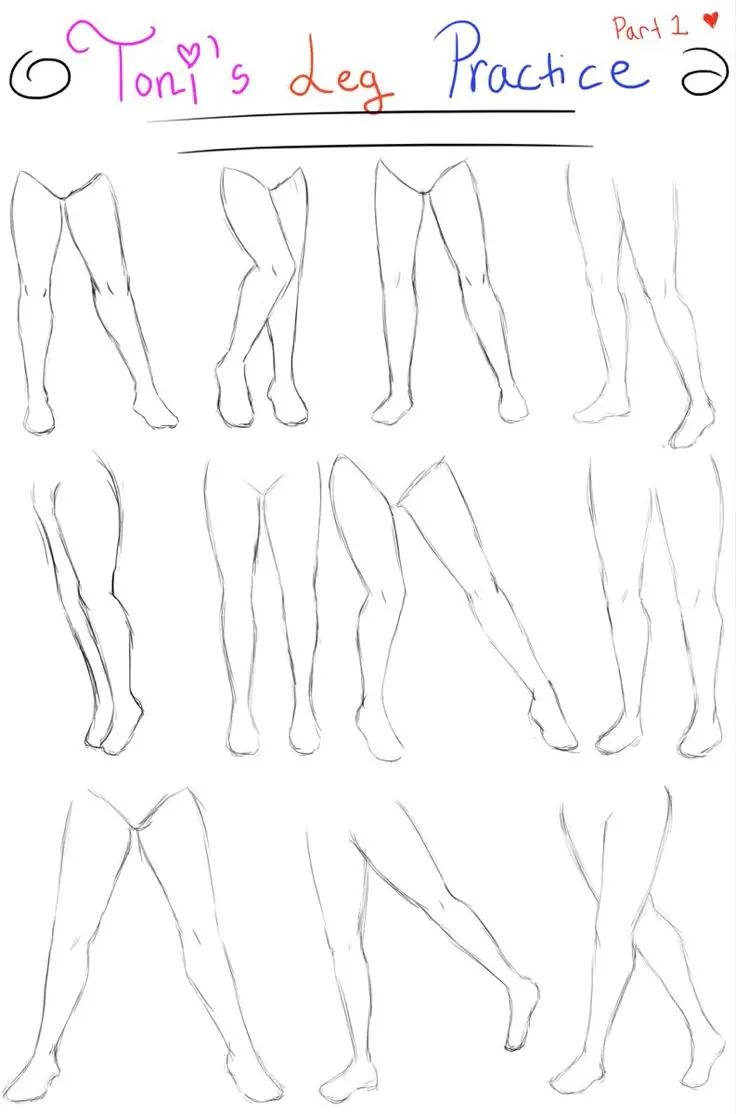
The foundation of any figure drawing is the gesture sketch, which maps out the pose before adding detail. Start by drawing a light vertical line to act as the spine, ensuring the girl’s weight is shifted to one leg to create a natural, relaxed stance. Use a circle for the head and simple ovals for the torso and pelvis. Because she is holding an umbrella, ensure the arm holding the handle is slightly bent, with the elbow tucked near the waist or raised depending on the desired height of the canopy.
Maintaining correct proportions is vital for a realistic look. A common rule of thumb is that an average adult figure is about seven to eight heads tall. Keep your initial lines very light so they can be easily erased or covered later. Focus on the "line of action," which is the curve of the spine, to give the character a sense of movement. If the pose feels stiff, adjust the angle of the shoulders and hips so they are not perfectly parallel, as this creates a more dynamic and lifelike silhouette.
How to draw the umbrella shape
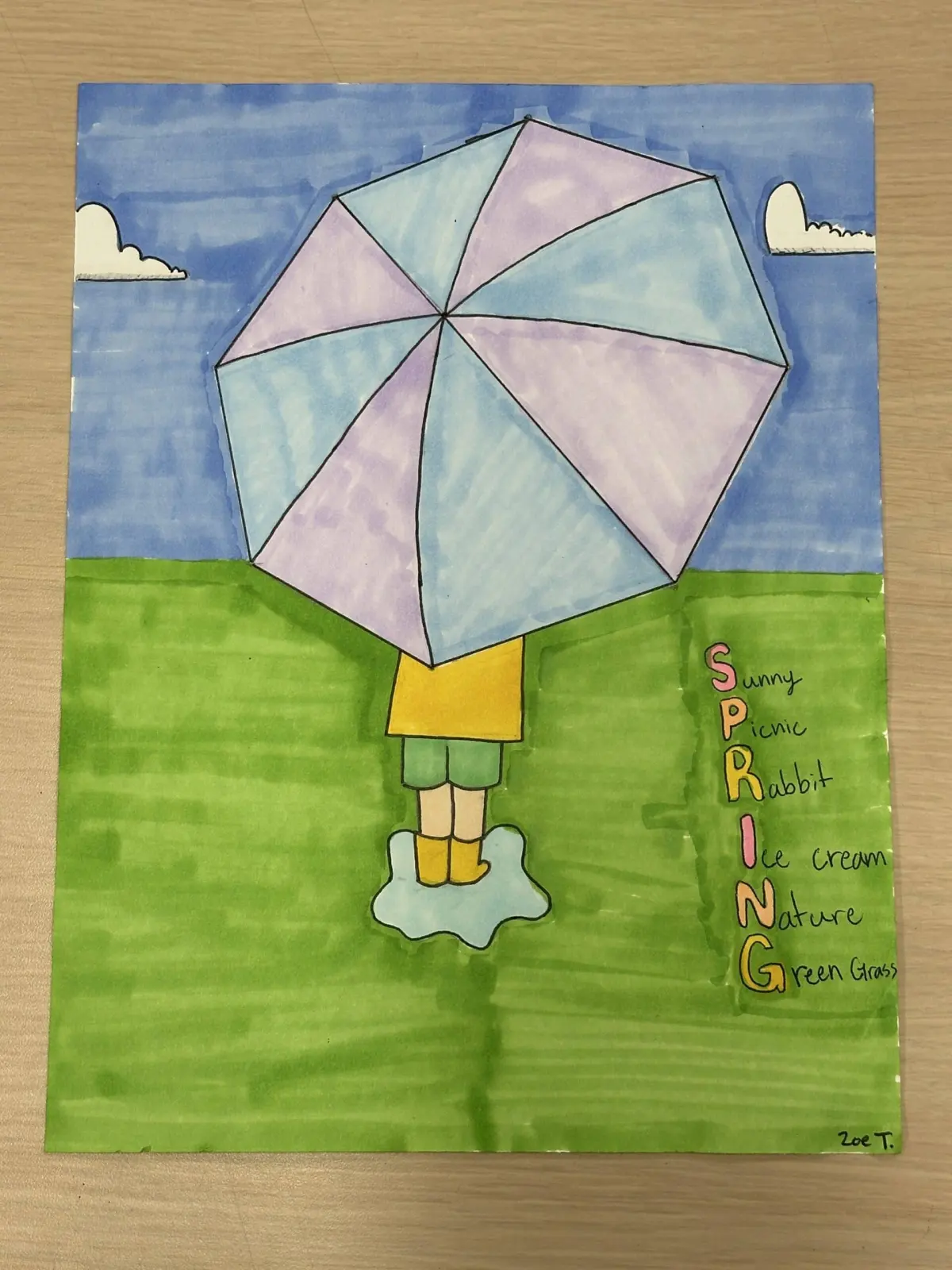
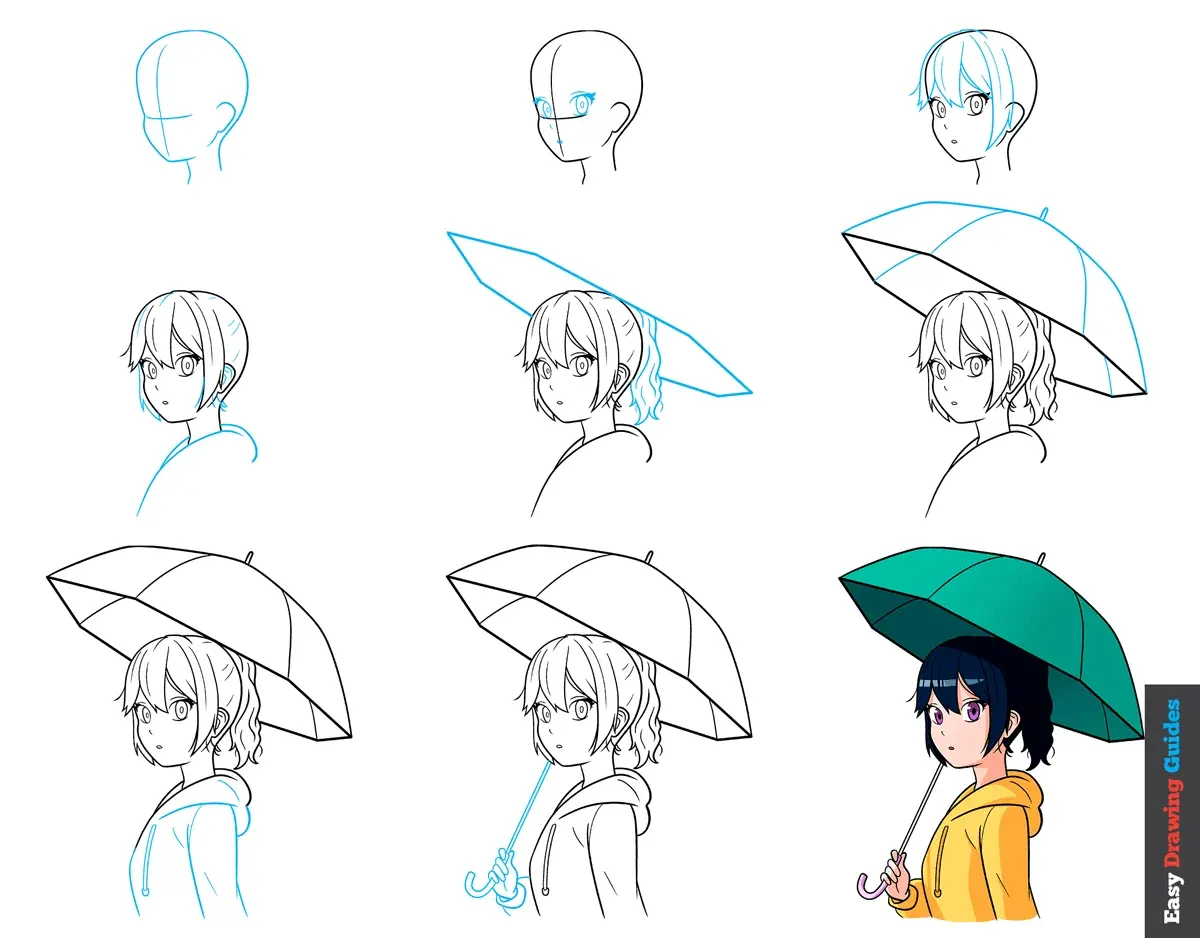
The umbrella serves as both a functional accessory and a framing device for the character’s face. To draw it accurately, start by sketching a wide, shallow arc positioned above the girl's head. Connect the ends of this arc with a scalloped line to represent the fabric panels. Place a small point at the very top for the ferrule and draw a straight line downward to represent the shaft, connecting it to the hand you previously positioned.
When rendering the umbrella, consider the perspective from which you are viewing the scene. If you are drawing from a slightly low angle, the underside of the umbrella will be visible, requiring you to draw the internal ribs radiating from the center. If the view is from above, focus on the curvature of the outer fabric.
- Draw a horizontal ellipse to define the overall width of the canopy.
- Divide the ellipse into six or eight equal sections to represent the panels.
- Draw the handle using a simple "J" or "U" shape attached to the bottom of the shaft.
- Add thickness to the shaft and handle to make them look sturdy.
How to add clothing and details
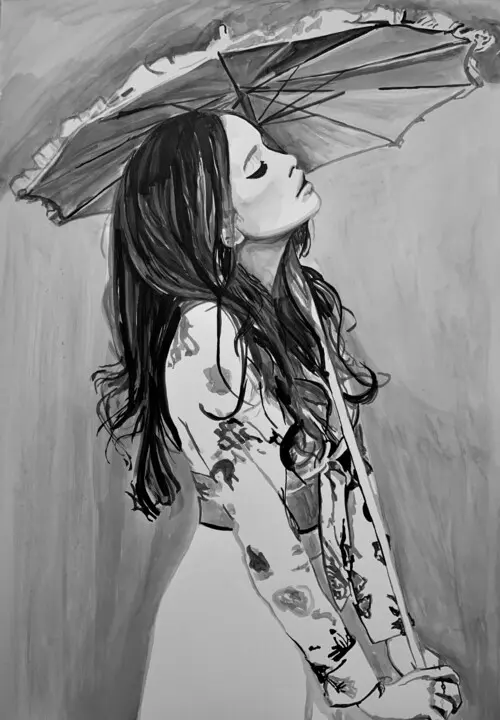
Once the umbrella and body frame are established, begin layering clothing onto the figure. For a classic look, draw a simple dress or a coat that flows naturally with the character's pose. Pay attention to how the fabric bunches at the elbows or waist, as these folds indicate tension and movement. Since the character is likely in the rain, consider adding details like boots, a scarf, or hair that appears slightly windblown.
The way clothing interacts with the umbrella is a key detail. If the umbrella is tilted, the clothing on the side exposed to the "elements" might be drawn with slightly straighter, more rigid lines, while the sheltered side remains soft. Ensure the girl’s hair does not look like a solid block; draw individual strands or clumps to give it volume. Avoid over-detailing the face at this stage; focus on the silhouette of the clothing first, as this defines the character’s overall shape and personality within the composition.
Common mistakes when drawing figures
One of the most frequent errors is making the umbrella too small or positioned incorrectly in relation to the hand. If the umbrella is not centered over the character’s head or shoulder, it will look like it is floating rather than being held. Another common issue is "tangents," where lines from the umbrella shaft accidentally merge with the lines of the girl’s arm or body, creating a confusing visual result. Always ensure there is a clear separation between the accessory and the figure.
Another mistake is neglecting the weight of the character. If the girl is standing on one leg, the opposite hip should be higher to support the balance. Beginners often draw the head too large or the limbs too short, which can make the character look like a child regardless of the intended age. To fix this, periodically step back from your drawing or look at it in a mirror to spot imbalances. If the figure looks like it is about to tip over, adjust the placement of the feet relative to the center of gravity.
Best shading techniques for beginners
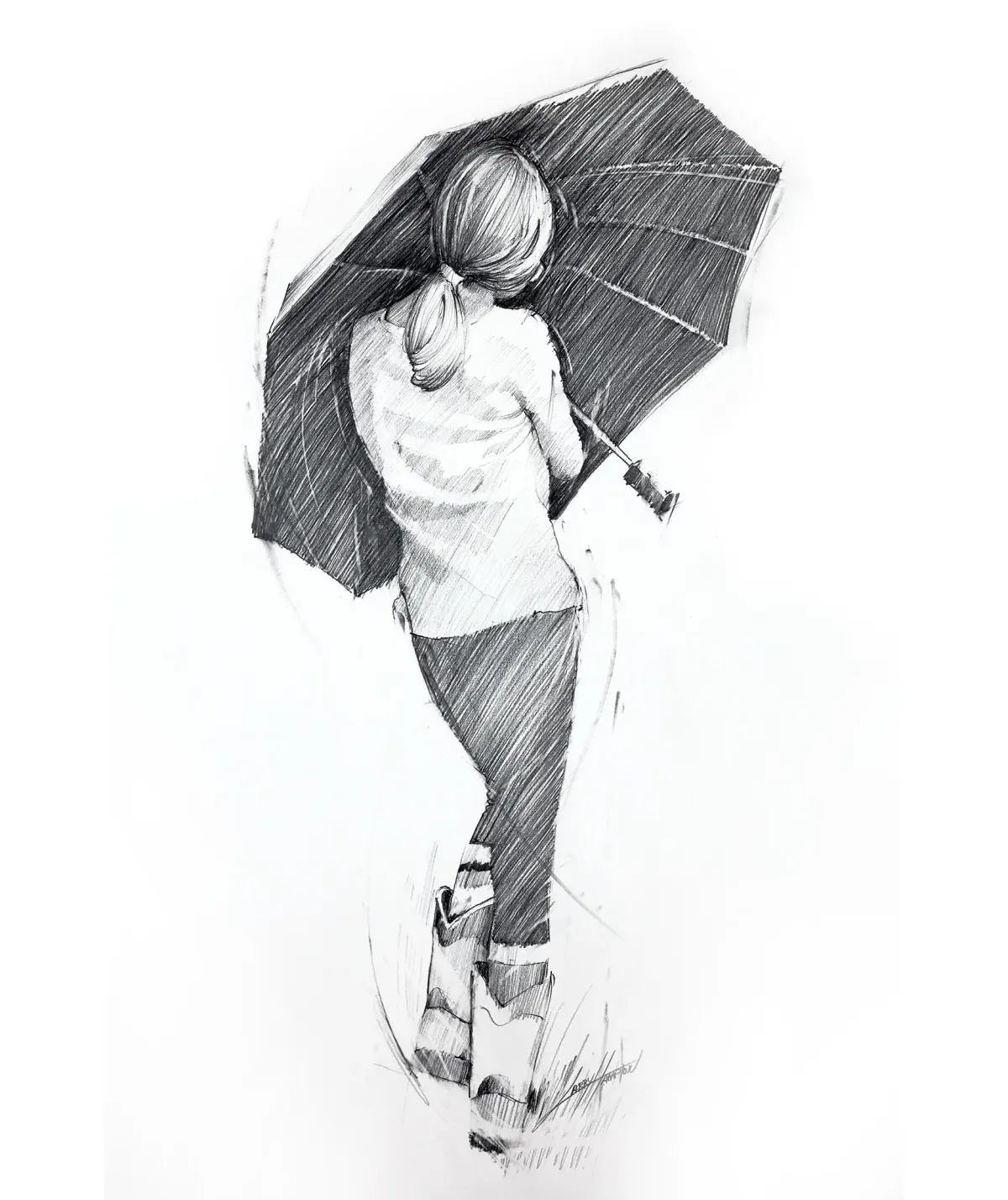
Shading brings your drawing to life by defining light sources and adding depth. Decide where the light is coming from—perhaps from a streetlamp or the sky—and keep that consistent. If the umbrella is casting a shadow, the area directly underneath it should be darker than the rest of the figure. Use cross-hatching or soft blending to create gradients on the clothing, focusing on the areas where fabric folds create deep crevices.
To enhance the atmosphere, consider adding rain effects. You can draw thin, diagonal lines across the page to represent falling rain, but be careful not to obscure the figure too much. Keep the lines light and varied in length to create a sense of depth.
- Use a 2B pencil for initial shading to keep the tones soft.
- Use a kneaded eraser to lift highlights on the umbrella fabric.
- Apply darker pressure only in the deepest shadows, such as under the chin or in the folds of the coat.
- Keep the edges of the umbrella sharp to contrast with the softer, blended textures of the clothing.
Key facts
- Start by drawing a vertical line for the umbrella handle to establish the center of balance.
- Sketch the umbrella canopy as a wide, shallow arc rather than a perfect semicircle.
- Position the girl’s head slightly off-center to create a more dynamic, natural composition.
- Use simple geometric shapes like ovals for the head and rectangles for the torso to map out proportions.
- Ensure the umbrella handle aligns with the girl's hand to maintain a realistic connection.
- Add weight to the side opposite the umbrella to prevent the figure from appearing to tip over.
The bottom line
Drawing a girl with an umbrella is a rewarding exercise in balancing composition and perspective. By establishing a central axis for the handle and using basic geometric shapes for the body, you create a stable foundation. Focus on the interaction between the hand and the handle, and use subtle details like wind-blown clothing to bring the scene to life with a sense of movement and narrative.
People also ask
How do I make the umbrella look like it is protecting the girl from rain?
Tilt the canopy at a slight angle toward the direction of the wind. Adding small, diagonal lines around the umbrella helps suggest falling rain and reinforces the protective function.
What is the best way to draw hands holding an umbrella handle?
Draw a simple "C" shape around the handle to represent the thumb and fingers. Keep the grip loose to avoid making the hand look stiff or unnatural.
How can I show movement in the girl's clothing?
Draw the hem of a skirt or the ends of a coat blowing in one direction. This creates a sense of wind and adds energy to a static drawing.
Should I draw the umbrella handle straight or curved?
A straight handle is easier for beginners, but a curved "J" hook is more traditional and adds visual interest. Choose the style that best fits the character's personality.
How do I keep the figure's proportions accurate?
Use the head size as a unit of measurement for the body. An average adult figure is typically seven to eight heads tall, which helps maintain realistic scale.
What common mistakes should I avoid when drawing an umbrella?
Avoid drawing the canopy too flat, as it should have a slight dome shape to look three-dimensional. Also, ensure the ribs of the umbrella radiate from a single center point to maintain structural logic.
This answer was created with the help of AI research tools and reference sources. Spotted an error? Let us know — we correct mistakes quickly. See our editorial policy.