What is observational drawing?
Short answer
Observational drawing is the practice of creating art by directly looking at real-world subjects rather than relying on memory or imagination. By translating three-dimensional forms onto a two-dimensional surface, artists develop essential skills in proportion, perspective, and light. It serves as the foundational discipline for virtually all representational art and visual communication.
On this page
What is observational drawing?
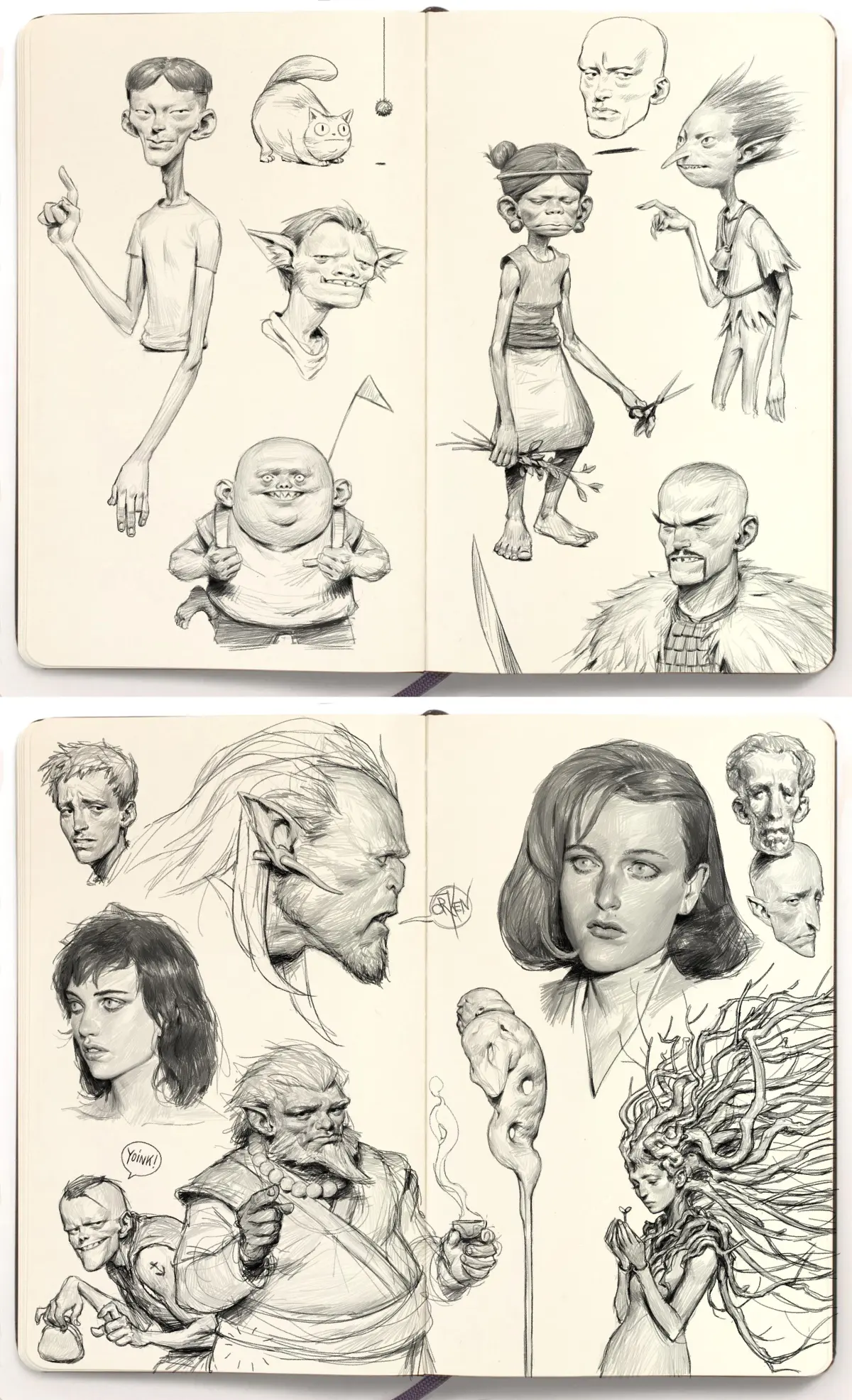
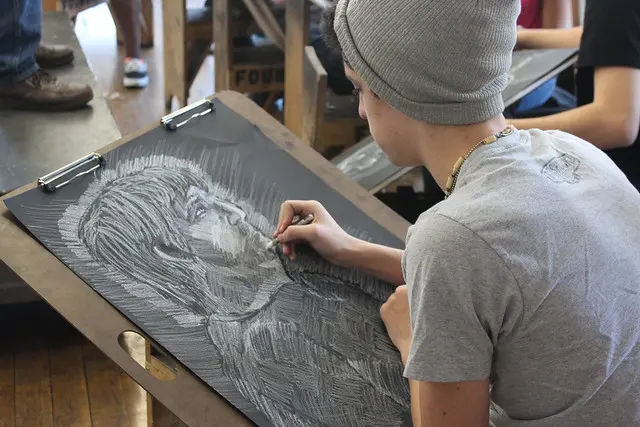
Observational drawing is the act of recording what the eyes perceive in the physical environment. Unlike conceptual drawing, which relies on internal mental images, this method requires a constant visual dialogue between the artist and the subject. Whether sketching a human figure, a landscape, or a simple household object, the goal is to capture the objective truth of the subject’s shape, volume, and spatial relationship to its surroundings.
This practice forces the brain to move beyond symbolic representations. Most people naturally draw symbols—such as a simple circle for an eye or a triangle for a nose—because the brain prioritizes efficiency over accuracy. Observational drawing disrupts these mental shortcuts, compelling the artist to analyze specific edges, negative spaces, and tonal values. By focusing on the "what is" rather than the "what I think is there," artists cultivate a heightened sense of visual literacy that improves all forms of creative expression.
How to start observational drawing for beginners
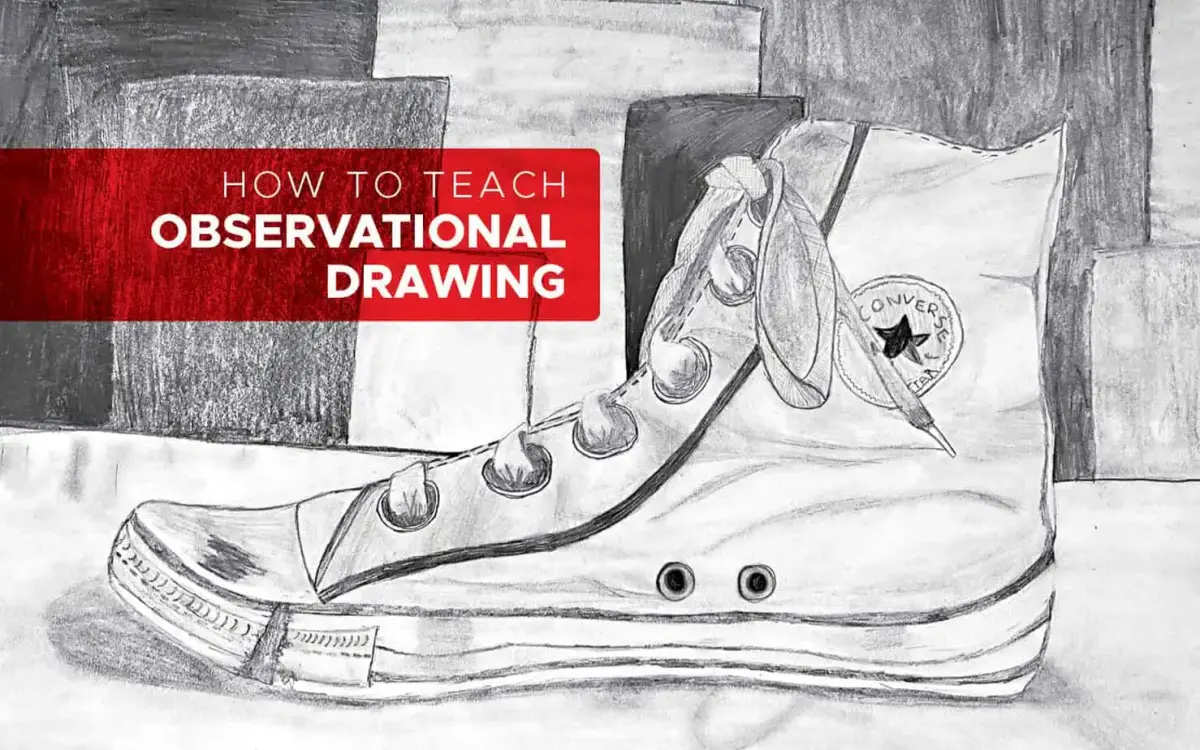
Beginning this practice requires minimal equipment, but it demands a shift in mindset. You must learn to trust your eyes over your preconceptions. Start by selecting a stationary object, such as a piece of fruit or a coffee mug, and placing it in a well-lit area. The goal is not to produce a masterpiece but to document the specific contours and shadows you see.
Follow these steps to conduct your first study:
- Position your subject at eye level to minimize distortion.
- Spend the first few minutes simply looking at the object without drawing, noting where the light hits and where the shadows fall.
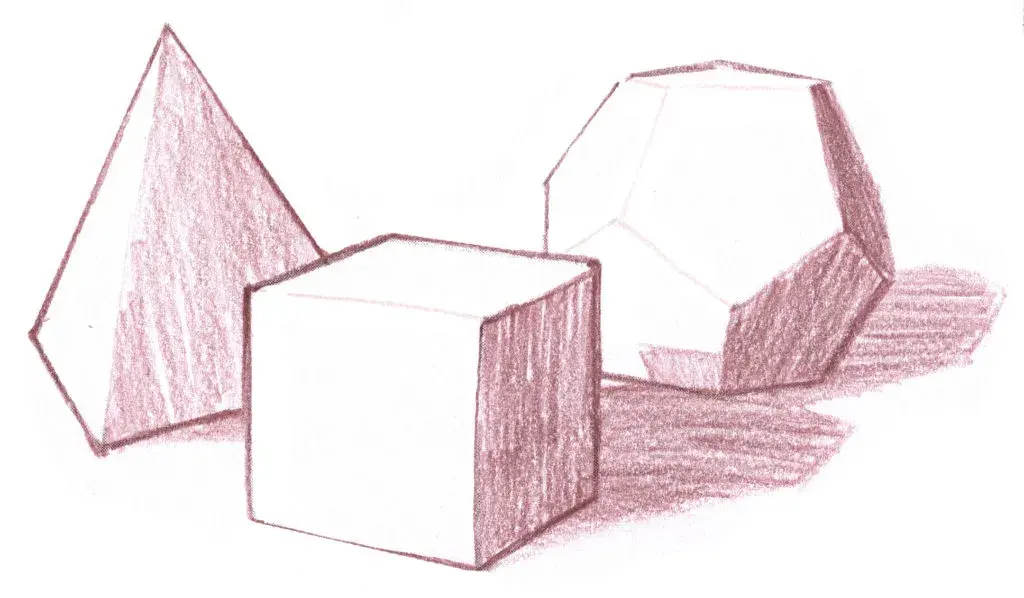
- Lightly sketch the overall proportions using basic geometric shapes like spheres or cylinders.
- Refine your outlines by comparing the angles of the object to the edges of your paper.
- Apply shading by identifying the darkest areas first, then working toward the highlights.
Why observational drawing is important
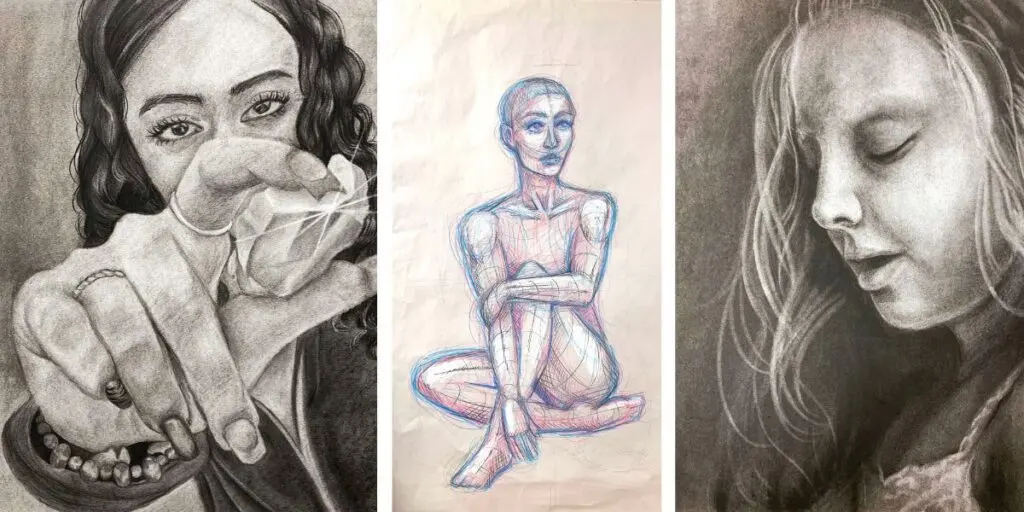
The primary benefit of observational drawing is the development of hand-eye coordination and spatial reasoning. When you draw from life, you are effectively training your brain to process complex visual data and translate that data into precise motor movements. This skill is transferable to many fields, including architecture, engineering, medical illustration, and digital design, where the ability to interpret form is critical.
Beyond technical skill, observational drawing fosters deep concentration and mindfulness. It requires a meditative state of focus that slows down the perception of time. By spending an hour observing the subtle curvature of a leaf or the way light wraps around a glass bottle, you gain a profound appreciation for the details of the physical world. This discipline changes how you interact with your environment, turning everyday sights into a rich tapestry of textures, colors, and structural possibilities.
Common mistakes when observational drawing
Even experienced artists struggle with the tendency to draw what they believe they see rather than what is actually present. This is often called "symbolic drawing," where the artist relies on learned patterns. For example, when drawing a face in profile, many beginners will draw a full eye because they know eyes are round, ignoring the fact that the eye appears as a thin sliver from the side.
Avoid these frequent errors to improve your accuracy:
- Drawing too small: Keep your subject large on the page to allow for better detail and control.
- Ignoring negative space: Focus on the shapes of the empty air around your object, as these are often easier to measure than the object itself.
- Guessing the light source: Ensure your shadows are consistent, coming from a single, logical direction.
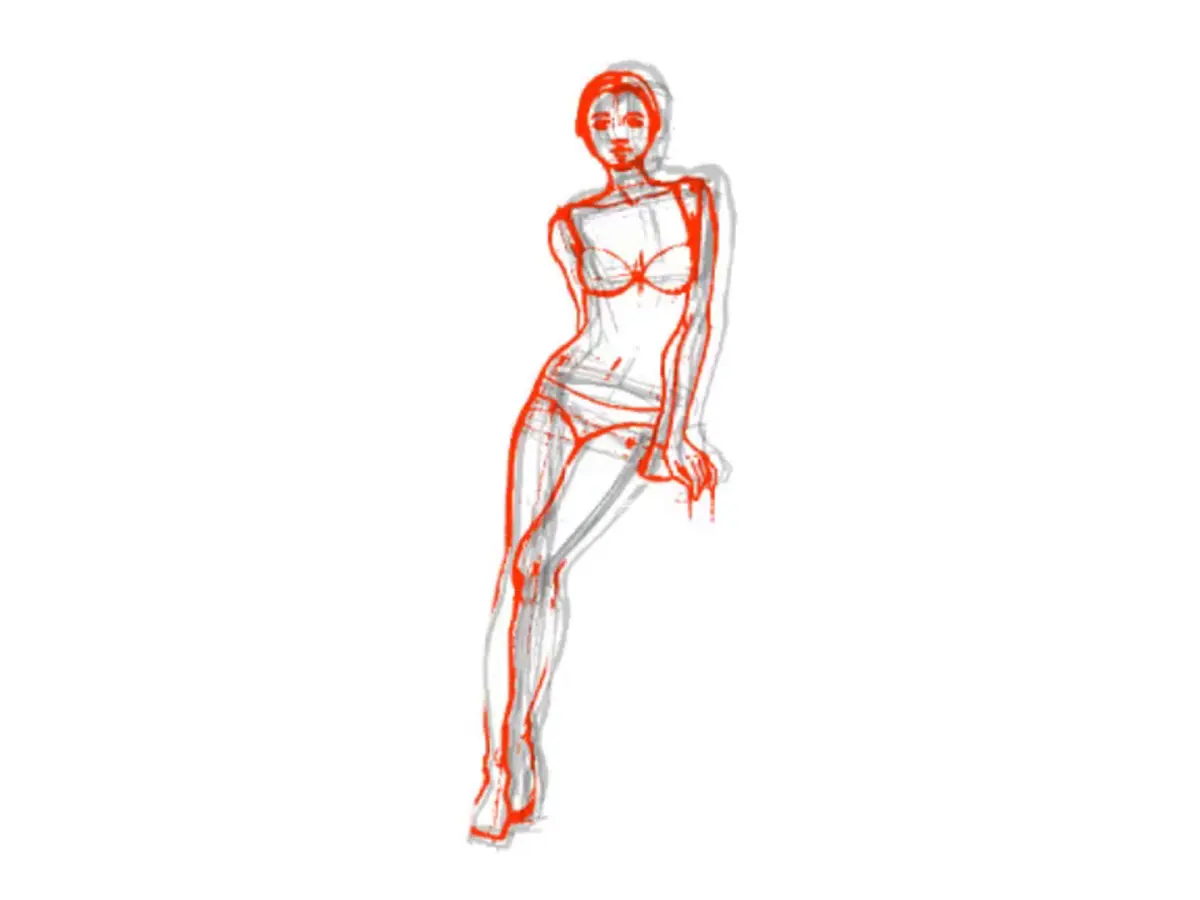
- Using heavy outlines: Start with light, gestural marks so that you can easily correct proportions as you progress.
- Rushing the initial layout: If your basic structure is off, no amount of shading will fix the final drawing.
How long does it take to get better?
Improvement in observational drawing is cumulative and depends more on consistency than raw talent. Practicing for twenty minutes every day is significantly more effective than a single four-hour session once a week. Within a few weeks of daily practice, most students notice a marked improvement in their ability to judge distances and replicate textures. Mastery is a lifelong pursuit, but the "aha!" moment—where your hand finally captures exactly what your eye perceives—often happens within the first three to six months of dedicated study.
To accelerate your progress, keep a sketchbook specifically for observational studies. Date every page to track your growth over time. Do not be discouraged by "failed" drawings; every inaccurate sketch is a lesson in observation that prevents you from making the same mistake twice. By committing to this process, you transform your relationship with the visual world, moving from a passive observer to an active, skilled interpreter of form and light.
Key facts
- Observational drawing is the practice of drawing an object while directly looking at it rather than relying on memory or imagination.
- The primary goal is to translate three-dimensional forms onto a two-dimensional surface by accurately recording light, shadow, and proportion.
- Artists often use a "sighting" technique, holding a pencil at arm's length to measure the relative sizes and angles of objects.
- Developing hand-eye coordination is essential, as the process trains the brain to see shapes and negative spaces instead of just naming objects.
- Using a viewfinder, a small cardboard frame, helps artists isolate a composition and manage the scale of their subject matter.
- Common mistakes include drawing what you "think" an object looks like, such as drawing a symbolic eye, rather than observing the actual contours present.
The bottom line
Observational drawing is the foundational skill of visual art, requiring you to prioritize objective reality over mental assumptions. By training your eyes to measure angles, proportions, and light values, you bridge the gap between perception and execution. Whether you are a beginner or an experienced artist, consistent practice in drawing from life will sharpen your focus, improve your technical accuracy, and deepen your appreciation for the world.
People also ask
How does observational drawing differ from sketching?
Sketching is often a quick, informal way to capture an idea or a gesture, while observational drawing is a deliberate, analytical process. It requires sustained focus on the subject's physical reality to ensure technical accuracy.
Do I need expensive materials to start practicing?
No, you only need a basic graphite pencil, an eraser, and a sheet of paper. High-quality materials can enhance the experience, but the core skill is developed through consistent practice and observation rather than specialized tools.
What is the role of negative space in this process?
Negative space refers to the empty areas surrounding or between the parts of an object. Focusing on these shapes often makes it easier to draw complex subjects accurately because it removes the bias of identifying the object.
How can I improve my ability to see proportions correctly?
You can improve by comparing the height and width of your subject using a consistent unit of measurement, such as the width of your pencil. Always check these measurements against the entire composition to maintain balance.
Is it better to draw from life or from photographs?
Drawing from life is superior for beginners because it provides true depth perception and allows you to move around the subject. Photographs flatten the image and distort perspective, which can hinder your ability to understand three-dimensional form.
How long should a typical observational drawing session last?
Sessions can range from five-minute gesture studies to several hours for detailed renderings. Beginners should start with 20-minute sessions to build concentration without becoming overwhelmed by the complexity of the subject.
This answer was created with the help of AI research tools and reference sources. Spotted an error? Let us know — we correct mistakes quickly. See our editorial policy.