How do you draw a vampire bat?
Short answer
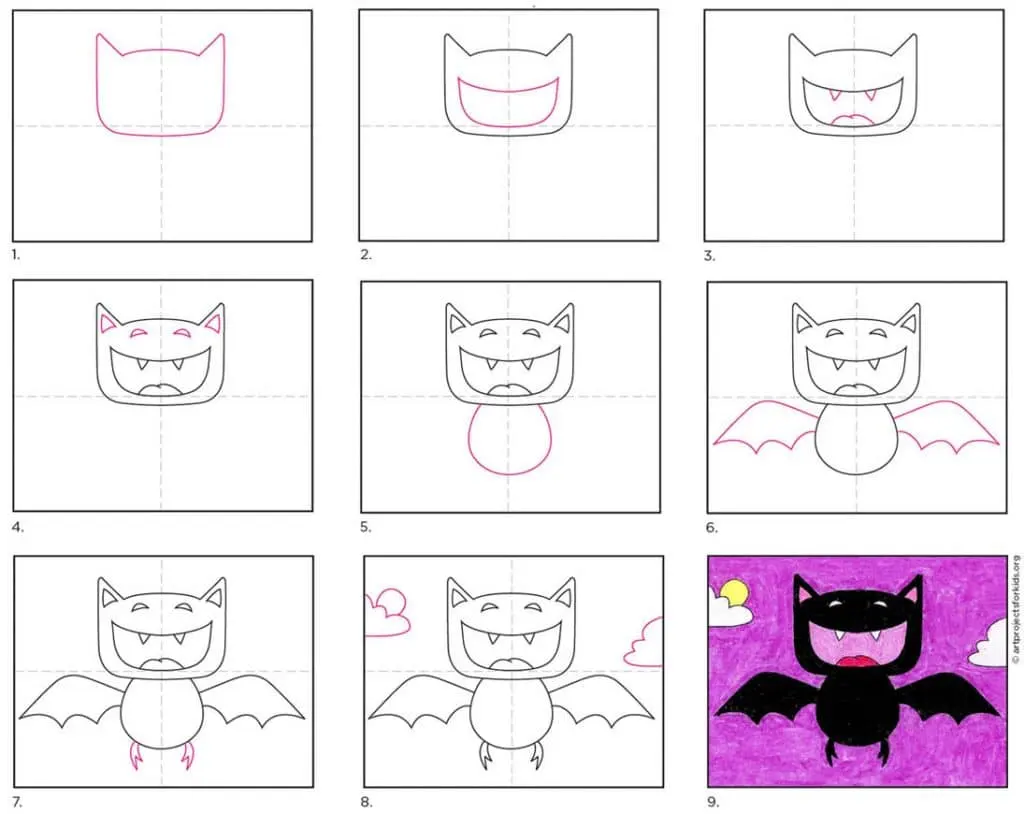
Drawing a vampire bat requires focusing on its unique physical traits, such as the pug-nosed face, sharp incisors, and leathery, folded wings. Start by sketching a rounded body and a compact head. Use sharp, angular lines for the ears and wings to emphasize the creature's nocturnal, predatory nature and distinct silhouette.
On this page
How to structure the basic vampire bat anatomy
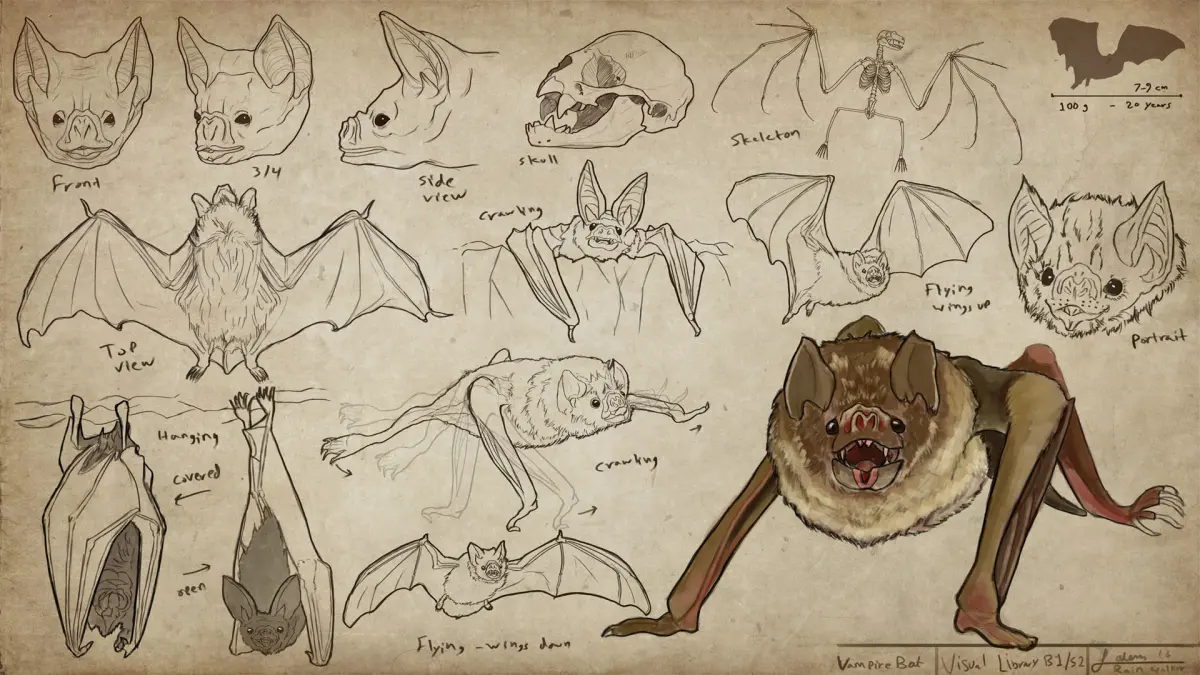
To draw a realistic vampire bat, begin by understanding its proportions. Unlike fruit bats, vampire bats are relatively small, usually measuring about 3 inches in length. Start your sketch by drawing a small, oval-shaped body. Place a slightly smaller, rounded circle above it for the head. Keep the neck short and thick, as vampire bats have powerful muscles to support their specialized feeding habits.
When sketching the limbs, remember that the wings are modified forelimbs. The thumb is prominent and clawed, which helps the bat crawl on the ground. Connect the wings to the body using long, thin lines representing the finger bones. Keep these lines slightly curved to suggest the tension in the wing membrane. Avoid making the body too elongated, as these bats are compact and built for agility rather than long-distance gliding.
What are the key features of a vampire bat face
The face is the most recognizable part of a vampire bat. Unlike other bats that have long, snout-like noses, the vampire bat possesses a flat, pug-like nose with a U-shaped pad. Draw this by sketching a small, heart-shaped or blunt area at the center of the face. The ears should be relatively large and pointed, standing upright to help the bat detect the breathing sounds of its prey.
The teeth are the defining characteristic of the species. They possess razor-sharp upper incisors designed for slicing rather than biting. When drawing the mouth, keep it slightly open to reveal these specialized teeth. Focus on the following details to ensure accuracy:
- Draw the nose leaf as a small, fleshy bump rather than a long snout.
- Keep the eyes small and bead-like, positioned forward on the face.
- Add subtle wrinkles around the eyes and nose to give the face texture.
- Ensure the incisors are depicted as triangular and extremely sharp.
How to draw the wings and membrane
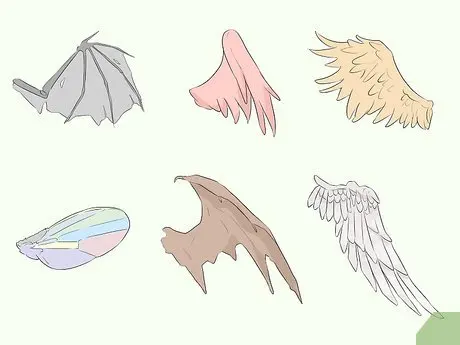
The wings of a vampire bat are leathery and dark. When drawing them in a folded position, use overlapping, jagged shapes to mimic the way the skin tucks against the body. If drawing the bat in flight, extend the wings wide, showing the thin, translucent membrane stretched between the elongated finger bones. Use light, feathery strokes to indicate the texture of the skin.
Pay attention to the way the membrane attaches to the body. It typically connects to the ankles, leaving the tail very short or absent. This lack of a tail is a key anatomical distinction from many other bat species. Follow these steps to refine the wing structure:
- Draw the primary arm bone extending from the shoulder to the elbow.
- Extend the four long finger bones in a fan-like shape from the wrist.
- Sketch the thin, dark membrane connecting these fingers, keeping the edges slightly scalloped.
- Add small, clawed thumbs at the top of each wing joint for a realistic touch.
Best techniques for shading and texture
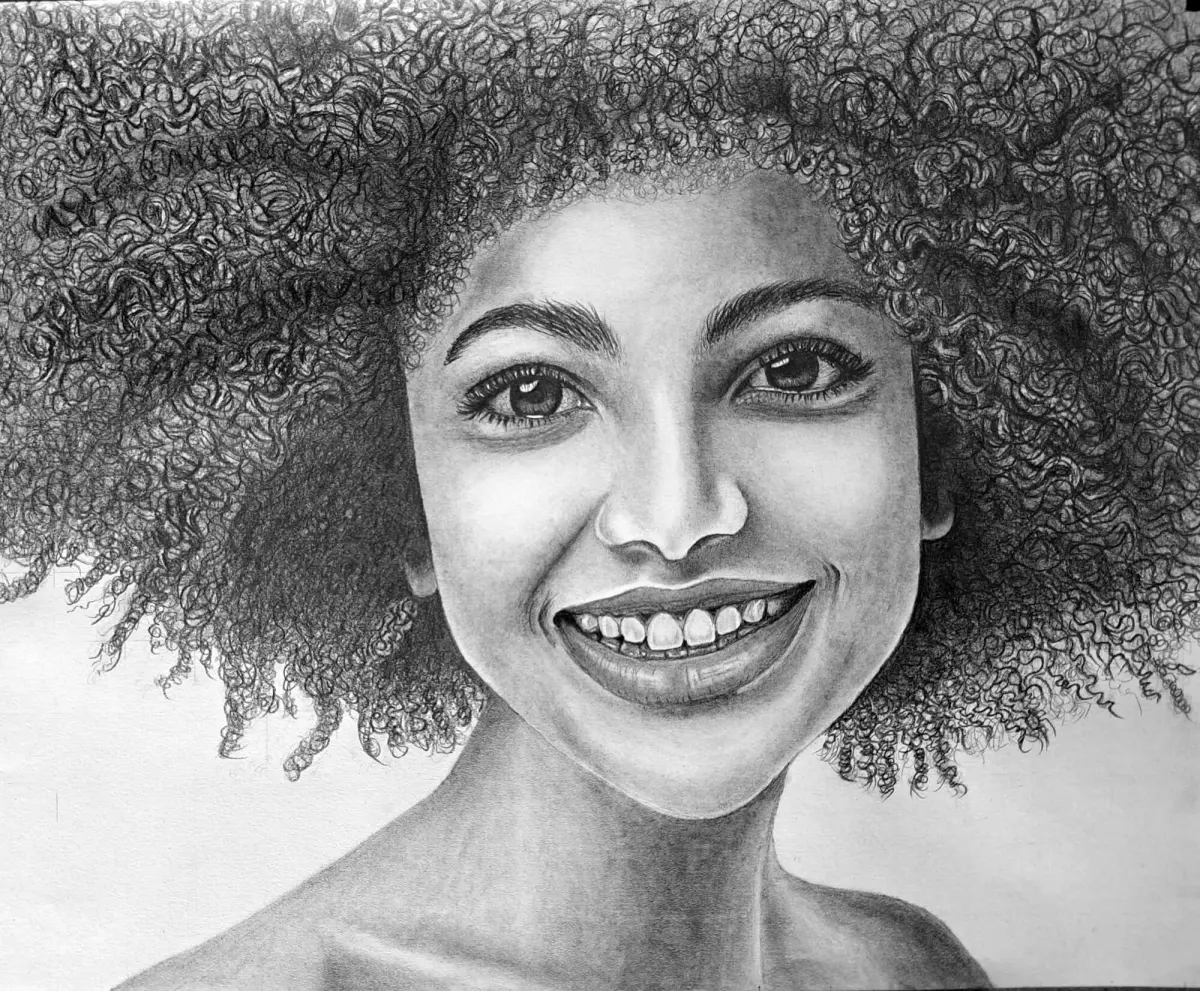
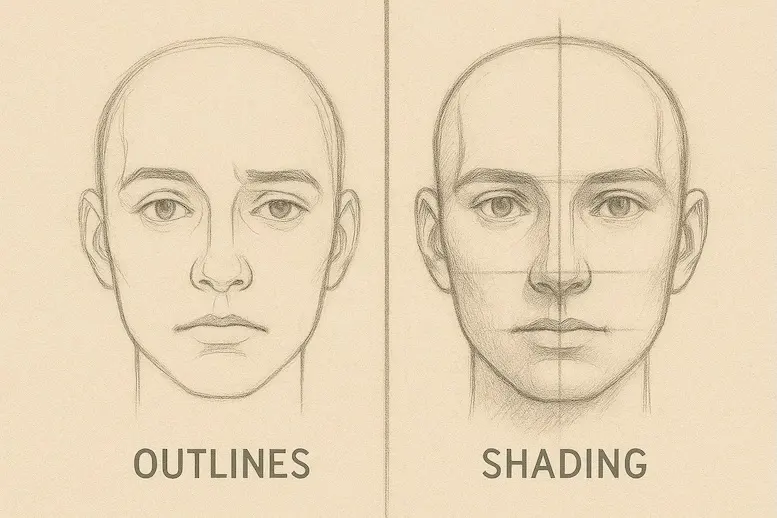
Vampire bats have short, dense fur that is typically brown, gray, or reddish-brown. Use short, quick pencil strokes to create the appearance of fur, focusing on the chest and back areas. Avoid long, flowing lines, as this will make the bat look like it has long hair rather than a coat. Use a darker graphite grade to fill in the wing membranes, leaving them slightly lighter where the light would hit the skin.
For the face, use smooth shading to highlight the contours of the snout and the prominent ears. The ears should have a slightly translucent quality, so avoid making them pitch black. Instead, use cross-hatching to create depth. Ensure the transition between the furry body and the leathery wings is clear, as this contrast is essential for a professional-looking drawing. Highlighting the sharp edges of the teeth with a white eraser can make them stand out effectively.
Common mistakes when drawing vampire bats
One frequent error is giving the bat a long, pointed snout. Many artists default to the classic "fruit bat" look, which features a fox-like face. Remember that the vampire bat is specialized for blood-lapping, not fruit-eating, so the face must remain stubby and compact. Another mistake is drawing the wings too symmetrically or stiffly; in nature, bat wings are highly flexible and often asymmetrical during movement.
Avoid these common pitfalls to improve your accuracy:
- Do not add a long tail, as vampire bats have almost no visible tail.
- Avoid drawing large, human-like eyes; keep them small and dark.
- Do not make the body too large; they are small, ground-dwelling creatures.
- Ensure the wings are not too thin; they should look like thick, muscular skin.
- Do not forget the sharp, specialized thumb claw, which is vital for their movement on the ground.
By focusing on these specific anatomical traits, you will capture the essence of this unique animal.
Key facts
- Vampire bats belong to the family Phyllostomidae and are native to the Americas.
- Their bodies are compact, usually measuring about 3 inches long with a wingspan of 7 inches.
- Unlike other bats, they have strong, muscular hind limbs adapted for walking and hopping on the ground.
- The nose leaf, a small, fleshy projection on the snout, is a key anatomical feature used for sensory perception.
- Their ears are relatively small and pointed compared to the large, elaborate ears of other bat species.
- When drawing, focus on the thumb, which is long and robust to assist in crawling toward prey.
The bottom line
To draw a vampire bat accurately, emphasize its compact, muscular build and specialized terrestrial limbs rather than just its wings. Focus on the distinct, pug-like snout and the leathery membrane stretched across elongated fingers. By prioritizing these anatomical details—such as the robust thumb and the lack of a traditional nose—you can create a scientifically grounded illustration that captures the unique essence of this fascinating nocturnal mammal.
People also ask
What is the most common mistake when drawing a bat?
Many beginners draw wings that look like bird feathers, but bat wings are actually thin, leathery membranes stretched over elongated finger bones. Ensure the wing structure resembles a hand with fingers spread wide.
How do you capture the unique face of a vampire bat?
Focus on the pug-like snout and the lack of a prominent nose, which distinguishes them from other bats. Their eyes are small and set forward, providing excellent binocular vision for navigating in low light.
Should a vampire bat be drawn hanging upside down or on the ground?
While they sleep hanging upside down, they are unique for their agility on the ground. Drawing one in a crouched, terrestrial position highlights their specialized anatomy.
How do you make the wings look realistic?
Use thin, overlapping lines to represent the skin membrane, known as the patagium. Add subtle folds and wrinkles near the joints to show movement and flexibility.
What color palette is most accurate for a vampire bat?
They are typically covered in short, dense fur that ranges from dark brown to reddish-gray. Avoid bright colors, as their natural camouflage is designed for nocturnal environments.
Do vampire bats have large, visible fangs?
They possess specialized incisors used for making small incisions, but these are often hidden by the lips. You do not need to draw oversized, cartoonish fangs to maintain biological accuracy.
This answer was created with the help of AI research tools and reference sources. Spotted an error? Let us know — we correct mistakes quickly. See our editorial policy.