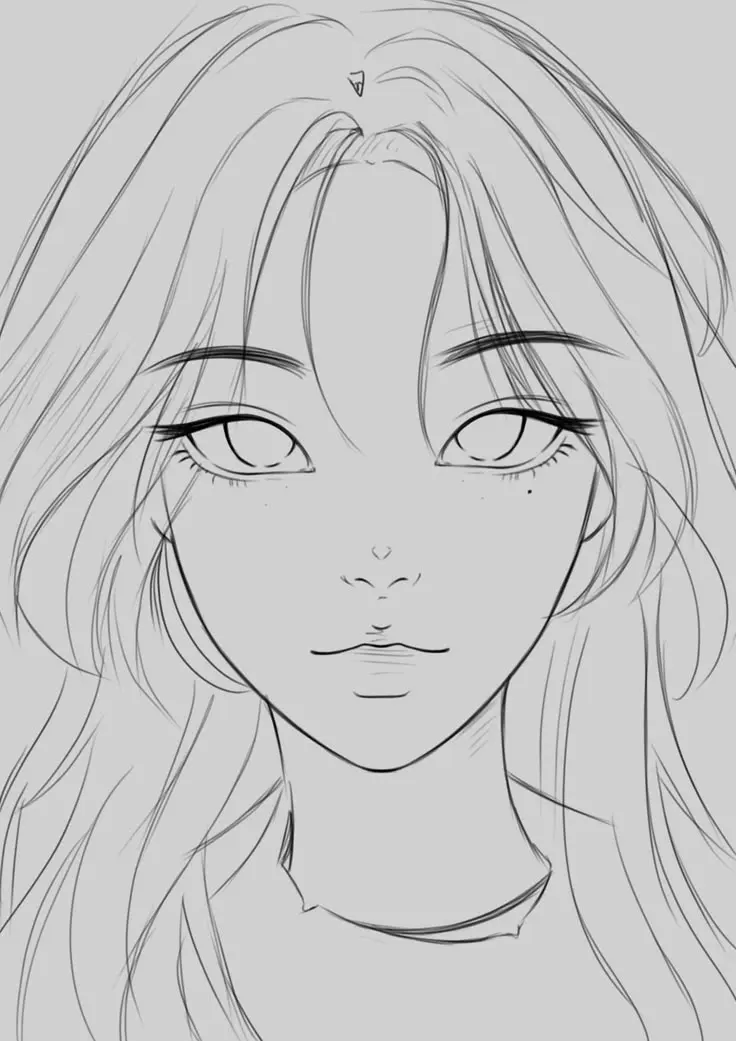
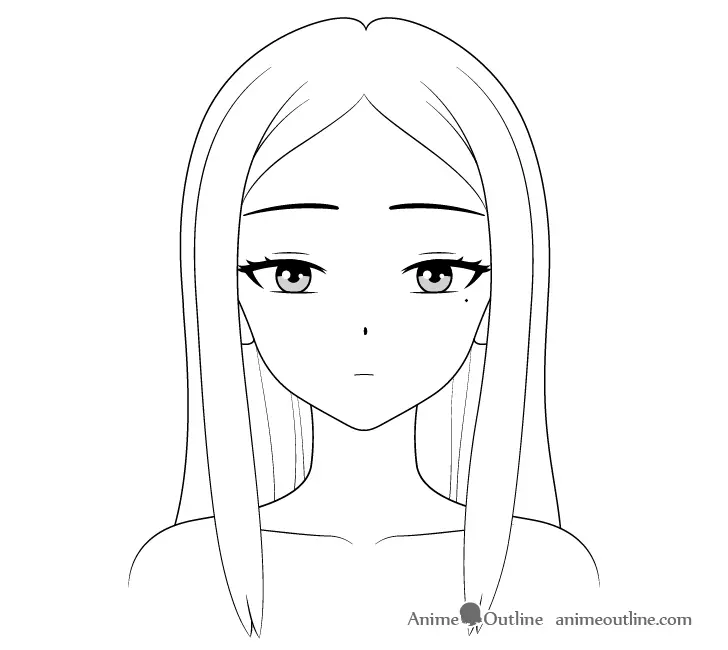
How do you draw both sides of a face evenly?
Short answer
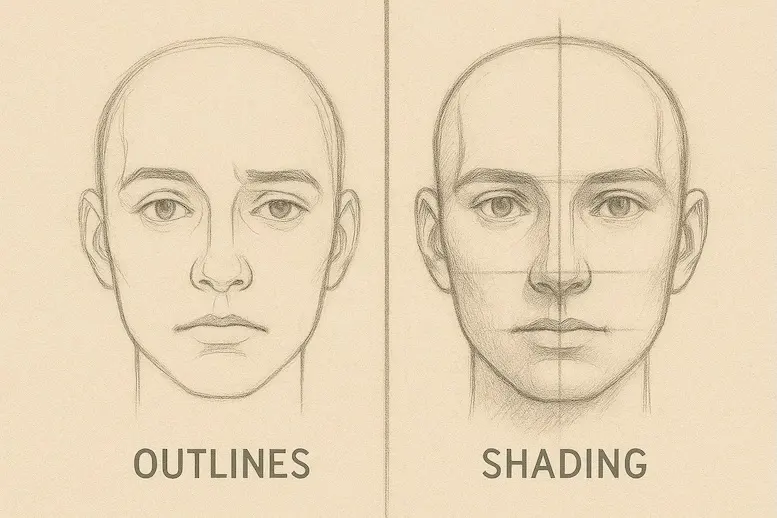
Achieving facial symmetry requires establishing a central vertical axis and using consistent horizontal guidelines. By measuring proportional distances from the midline to key features like the eyes, nose, and mouth, you can map out both sides simultaneously. Frequent flipping of your canvas or using a mirror helps identify and correct lopsidedness early.
On this page
How to set up facial proportions
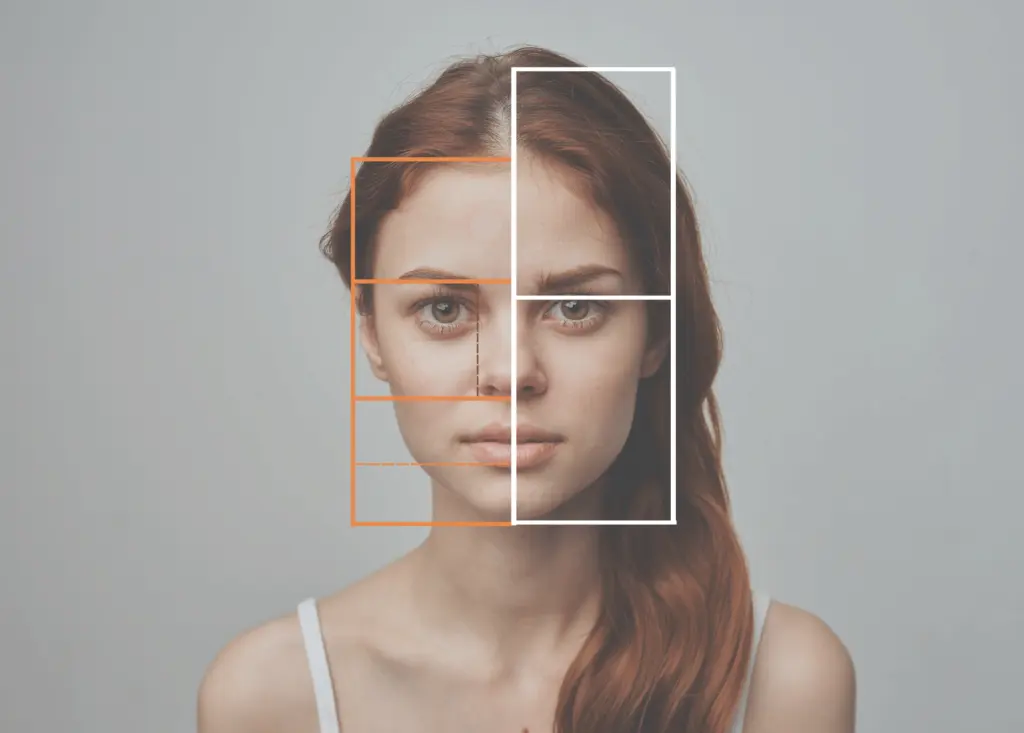
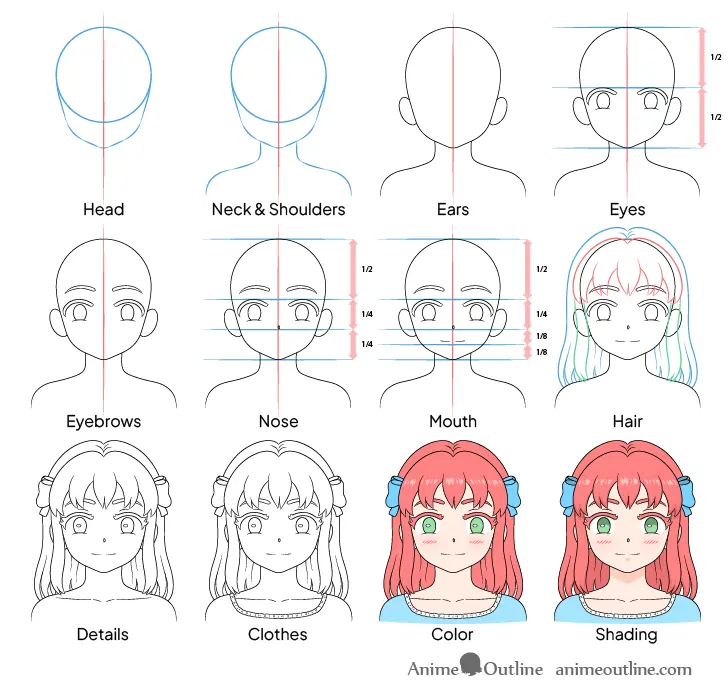
The foundation of a symmetrical face lies in the initial construction of the skull and the placement of guide lines. Start by drawing a light vertical line down the center of your paper, which serves as the axis of symmetry. Next, draw a horizontal line across the middle to represent the eye level. Because the human face is generally five eyes wide, you can use the width of one eye as a standard unit of measurement to space the features correctly across the midline.
Using a ruler or a pair of calipers helps ensure that the distance from the center line to the outer corner of the left eye is identical to the distance on the right. Once the eye line is set, mark the positions for the bottom of the nose and the mouth using similar horizontal markers. Keeping these lines perfectly perpendicular to your central axis prevents the face from tilting or appearing skewed.
Why faces look uneven in drawings
Most artists struggle with symmetry because the human brain naturally perceives the world through a dominant eye, which can subtly distort spatial relationships. When you draw for an extended period, your eyes become accustomed to your mistakes, a phenomenon known as "drawing fatigue." This makes it difficult to spot subtle imbalances in the jawline or the tilt of the eyebrows without a fresh perspective.
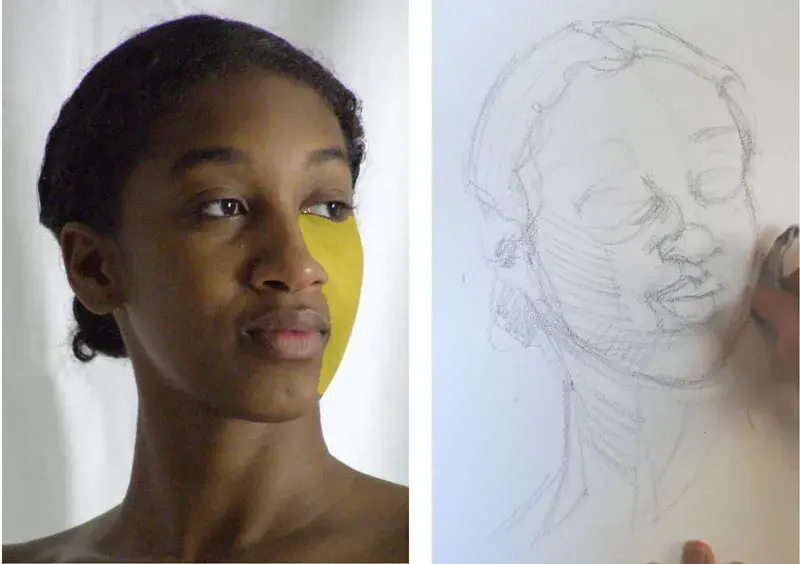
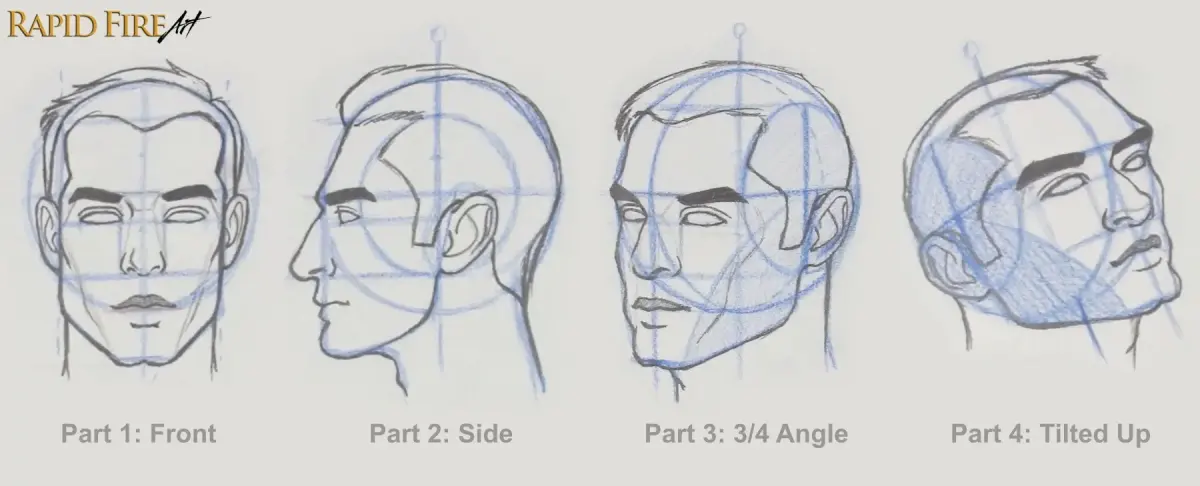
Another common issue involves the angle of the head. If the head is turned even slightly, the perspective shifts, making one side appear wider or more compressed than the other. To maintain balance, you must account for foreshortening, where features closer to the viewer appear larger. By constantly checking the negative space—the empty areas around the head—you can identify if one side is bulging or receding more than its counterpart.
How to use mirrors for symmetry
Professional portraitists frequently use a "mirror check" to instantly reveal errors in symmetry. By holding your drawing up to a mirror, the reflected image flips the perspective, allowing you to see the composition as if it were a new piece of work. This inversion makes lopsided eyes, uneven nostrils, or a crooked mouth immediately obvious to the viewer.
If you are working digitally, you can achieve this by flipping your canvas horizontally with a single command. If you are working traditionally, you can use a small hand mirror placed to the side of your paper.
- Hold the mirror vertically against the center line of your drawing.
- Observe the reflection of one side of the face.
- Compare the reflection to the physical drawing on the opposite side.
- Adjust your lines until the reflection and the drawing align visually.
Common mistakes when drawing faces
Many beginners fall into the trap of drawing features individually rather than as a cohesive structure. If you finish one eye completely before starting the other, you lose the ability to compare their shapes and heights in real time. It is far more effective to work in stages, sketching the basic shapes for both eyes, then both sides of the nose, and finally the mouth, moving back and forth between the left and right sides.
Another frequent error is neglecting the jawline's connection to the ears. Artists often draw the jaw as a single continuous curve, which leads to uneven cheeks. Instead, focus on the bony landmarks of the skull, such as the cheekbones and the mandible.
- Avoid pressing down hard with your pencil during the initial layout.
- Do not ignore the tilt of the head, as this changes the horizontal alignment of all features.
- Refrain from focusing on details like eyelashes or skin texture until the underlying geometry is perfectly balanced.
Best tools for achieving balance
While manual measurement is a skill that improves with practice, certain tools can assist in achieving professional levels of accuracy. A simple divider or a pair of drafting calipers allows you to pick up a measurement from one side of the face and transfer it precisely to the other. These tools eliminate the guesswork involved in estimating distances by eye.
If you prefer to work without mechanical aids, you can use a "sight-size" method or a simple piece of tracing paper. By tracing your own initial sketch and flipping the paper over, you can see exactly where the two sides diverge.
- Sketch your subject lightly on a sheet of paper.
- Place a piece of thin tracing paper over your work.
- Trace only the left side of the face.
- Flip the tracing paper over to the right side to see if your drawing matches the intended symmetry.
- Use the results to guide your corrections on the original drawing.
By consistently applying these techniques, you will develop a stronger intuitive sense of proportion that eventually reduces the need for constant measurement and correction.
Key facts
- Use a vertical centerline to divide the face into two equal halves, ensuring both eyes and ears align horizontally along the same axes.
- Measure distances using a pencil or divider tool, comparing the width of the eyes to the space between them to maintain consistent proportions.
- Draw the skull as a sphere and the jaw as a trapezoid to establish a symmetrical foundation before adding facial features.
- Flip your drawing horizontally or view it in a mirror to instantly reveal asymmetrical errors that the brain typically ignores.
- Work on both sides of the face simultaneously rather than finishing one side completely, which helps maintain balanced shading and shape.
- Use light construction lines to map out the hairline, brow ridge, and chin, adjusting these guides until both sides match perfectly.
The bottom line
Achieving facial symmetry requires a disciplined approach to construction rather than relying on freehand intuition. By establishing a clear vertical axis and using consistent measurements, you can build a balanced foundation before adding details. Regularly checking your work in a mirror or flipping the canvas helps identify hidden imbalances. With practice, these structural habits will allow you to create portraits that appear both proportional and anatomically convincing.
People also ask
Why does one eye always look higher than the other in my portraits?
This usually happens because you are focusing on individual features rather than the overall alignment of the head. Always draw a horizontal guideline across the eyes to ensure they sit on the same plane.
How can I fix a lopsided jawline?
A lopsided jaw often stems from an incorrectly drawn center axis. Ensure your centerline is perfectly vertical and that both sides of the jaw connect to the chin at the same angle.
Should I use a grid to help with facial symmetry?
Grids are excellent tools for beginners to map out proportions accurately. By dividing your reference image and paper into equal squares, you can ensure features are placed in the correct relative positions.
Is it normal for human faces to be slightly asymmetrical?
Yes, real human faces are rarely perfectly symmetrical due to bone structure and muscle use. While portraits should look balanced, slight variations often make a drawing look more natural and human.
How do I keep my shading consistent on both sides?
Apply your light and shadow in layers across the entire face instead of focusing on one side at a time. This allows you to compare the intensity of your pencil strokes across the center divide.
Does the angle of the head affect how I draw symmetry?
Yes, perspective causes features to appear smaller or foreshortened as they turn away from the viewer. When drawing a head at an angle, use ellipses to represent the eyes and ears to account for this depth.
This answer was created with the help of AI research tools and reference sources. Spotted an error? Let us know — we correct mistakes quickly. See our editorial policy.