What is the hardest language to learn?
Short answer
There is no single hardest language, as difficulty depends entirely on your native tongue and prior experience. For English speakers, languages like Mandarin Chinese, Arabic, Japanese, and Korean are considered the most challenging due to complex writing systems, tonal variations, and grammatical structures that differ significantly from Indo-European linguistic roots.
On this page
Why are some languages harder to learn?
The perceived difficulty of a language is largely determined by the "linguistic distance" between your native language and the target language. For a native English speaker, languages within the Germanic or Romance families, such as Dutch or Spanish, are relatively accessible because they share cognates, similar sentence structures, and the Latin alphabet. In contrast, languages that utilize entirely different scripts, such as the logographic system of Mandarin or the syllabic characters of Japanese, require learners to master thousands of unique symbols before they can achieve basic literacy.
Furthermore, grammatical complexity plays a significant role in the learning curve. Languages with extensive case systems, such as Hungarian or Finnish, force learners to memorize complex noun inflections that change depending on the word's function in a sentence. When a language also incorporates unfamiliar sound systems or tonal distinctions, such as the four tones of Mandarin or the glottal stops of certain indigenous languages, the cognitive load increases substantially. These factors combine to create a steep initial barrier that requires hundreds of hours of dedicated study to overcome.
How long does it take to learn a difficult language?
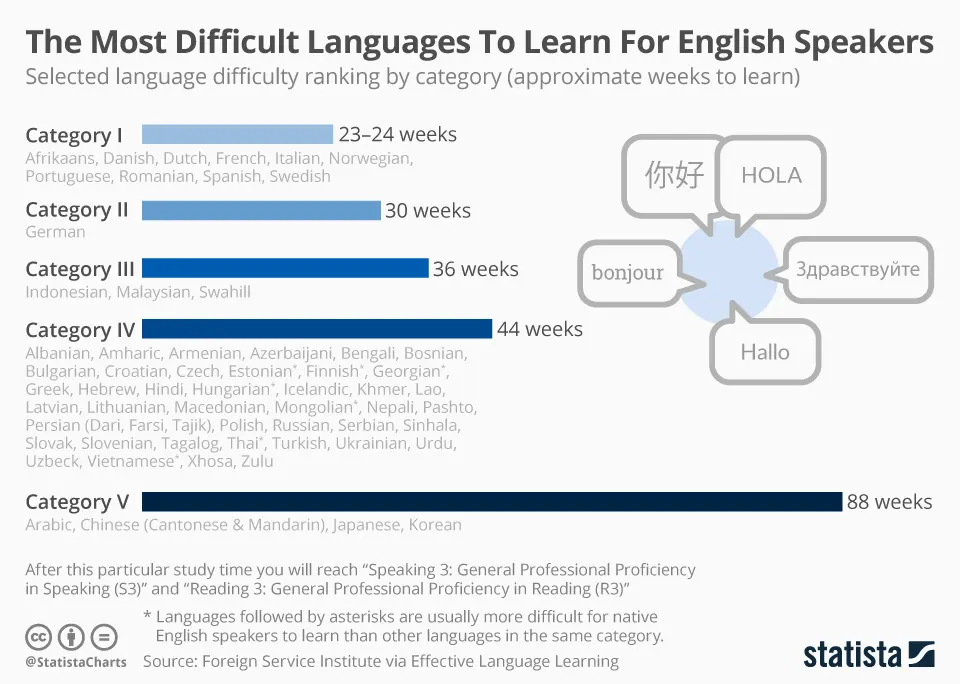
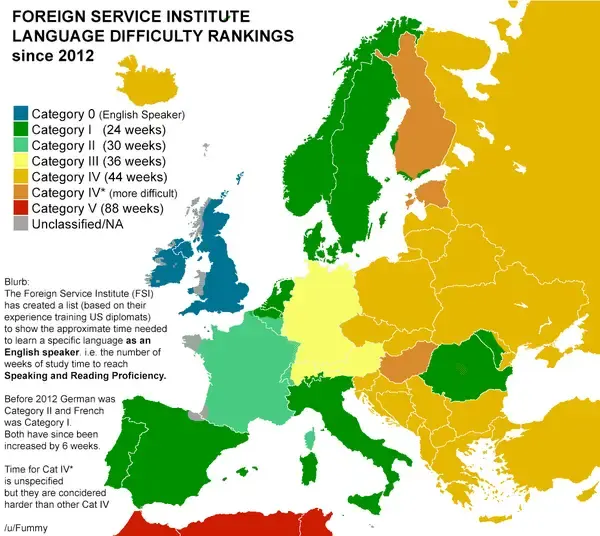
The United States Foreign Service Institute (FSI) categorizes languages based on the time required for an average English speaker to reach professional proficiency. While easier languages might take 600 class hours, the most difficult languages—often called Category IV or V—typically require 2,200 hours of intensive study. This equates to over a year of full-time immersion. Learners should approach this timeline with realistic expectations, understanding that fluency is a long-term commitment rather than a sprint.
To manage this extended timeline effectively, consider these benchmarks for progress:
- Beginner level: 200–400 hours of study focusing on core vocabulary and basic grammar.
- Intermediate level: 800–1,000 hours, allowing for complex conversations and reading news.
- Advanced proficiency: 2,000+ hours, enabling professional-level work and nuanced cultural understanding.
- Mastery: A lifelong process involving constant exposure to literature, media, and native-level social interaction.
Which languages are the most challenging for English speakers?
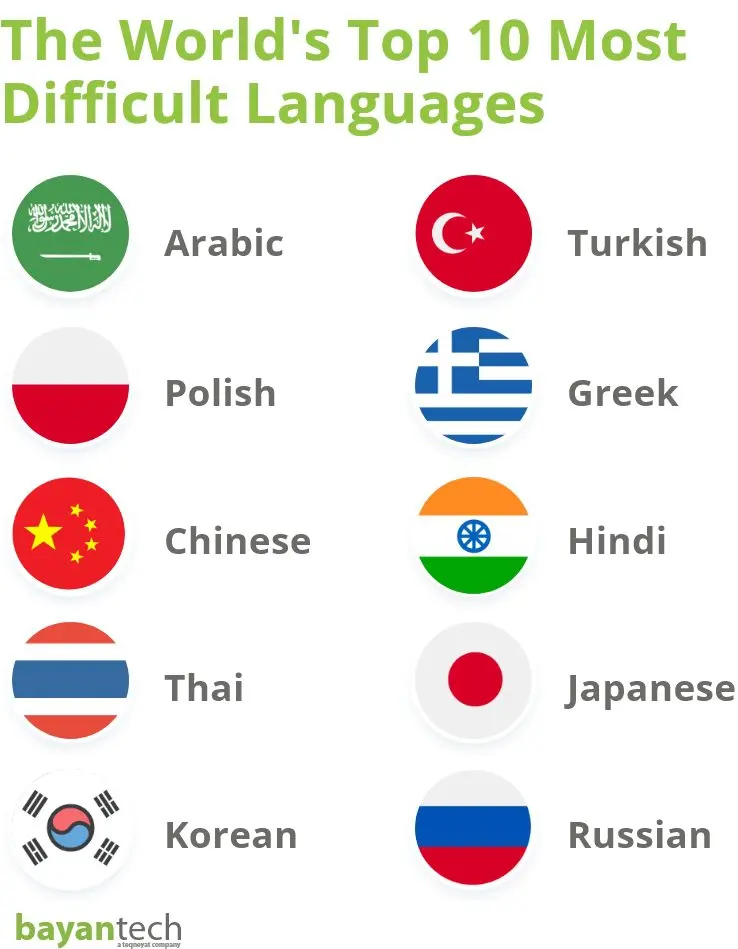
While individual aptitude varies, certain languages consistently rank as the most difficult for English speakers due to their unique structural demands. Mandarin Chinese is frequently cited because of its logographic writing system and its tonal nature, where a slight change in pitch alters the meaning of a word entirely. Arabic is similarly challenging, not only because of its complex script but also because of its diglossic nature, where the spoken dialects differ drastically from the Modern Standard Arabic used in formal writing and media.
Japanese presents a tripartite challenge: the mastery of two phonetic alphabets (hiragana and katakana) alongside thousands of kanji characters borrowed from Chinese. Korean, while having a more logical alphabet called Hangul, features a complex system of honorifics and a sentence structure that is fundamentally different from English.
- Mandarin Chinese: Requires memorizing thousands of characters and mastering four distinct tones.
- Arabic: Features a complex root-based morphology and significant differences between regional dialects.
- Japanese: Demands high-level literacy in three distinct writing systems and nuanced social etiquette in speech.
- Korean: Uses a unique grammar structure and a complex hierarchy of polite speech levels.
Common mistakes when learning a hard language
One of the most frequent errors is attempting to translate directly from English. Because languages like Russian or Arabic have different logical frameworks, word-for-word translation often results in sentences that are grammatically incorrect or nonsensical. Another common mistake is neglecting the script early on. Many learners rely on romanization—writing the target language using the Latin alphabet—to speed up the process. While this provides a temporary crutch, it ultimately hinders long-term progress by preventing the learner from engaging with authentic materials and developing correct pronunciation.
Learners also often fall into the trap of inconsistent study habits. Language acquisition is a skill that relies on neuroplasticity, which is reinforced through daily practice rather than infrequent, long study sessions. Attempting to cram vocabulary lists without context is another ineffective strategy. Instead, learners should prioritize active usage, such as speaking or writing, over passive consumption. Avoiding these pitfalls requires a disciplined approach that emphasizes consistent, context-rich engagement with the target language every single day.
Best strategies for beginners to succeed
To succeed with a difficult language, you must prioritize immersion and active production. Start by mastering the writing system immediately, as this provides the foundation for all future learning. Use spaced-repetition software to manage vocabulary retention, which helps move information from short-term to long-term memory. Most importantly, seek out native speakers or tutors early in your journey. Speaking with a human being forces you to process the language in real-time, which is the only way to bridge the gap between textbook knowledge and actual communication.
Follow these steps to structure your learning journey:
- Master the script: Dedicate the first month exclusively to reading and writing the alphabet or characters.
- Focus on high-frequency words: Learn the 500 most common words to understand 70% of daily conversation.
- Use multimedia: Watch children’s shows or listen to podcasts in the target language to train your ear.
- Speak daily: Even if it is just talking to yourself, vocalizing the language builds muscle memory.
- Embrace failure: Accept that you will make mistakes, as they are the primary mechanism for linguistic growth.
Key facts
- The U.S. Foreign Service Institute (FSI) classifies languages by the time required for native English speakers to reach professional proficiency.
- Category IV languages, including Mandarin Chinese, Japanese, Arabic, and Korean, typically require 88 weeks or 2,200 class hours of study.
- Mandarin Chinese is considered difficult primarily due to its logographic writing system, which requires memorizing thousands of unique characters.
- Japanese features three distinct writing systems—Hiragana, Katakana, and Kanji—which complicates the initial stages of literacy.
- Arabic presents significant challenges because of its complex root-based grammar and the diglossia between Modern Standard Arabic and regional dialects.
- Motivation and immersion are more significant predictors of success than inherent linguistic difficulty; consistent daily practice is essential.
The bottom line
There is no single "hardest" language, as difficulty is relative to your native tongue and prior experience. Languages requiring the most time involve unfamiliar writing systems, tonal nuances, or complex grammatical structures. Success relies less on innate talent and more on consistent, active immersion. By choosing a language that genuinely interests you and committing to daily practice, you can overcome even the most daunting linguistic barriers.
People also ask
Is Mandarin Chinese actually the hardest language to learn?
For English speakers, Mandarin is often ranked as the most difficult due to its tonal nature and complex character-based writing system. While the grammar is relatively straightforward compared to European languages, the lack of an alphabet requires years of dedicated memorization.
How long does it really take to become fluent in a new language?
Fluency depends on your definition and the target language's distance from your native tongue. The FSI estimates that easier languages like Spanish or French take about 24–30 weeks, while the most difficult languages require at least 88 weeks of intensive study.
Does knowing another language make learning a third one easier?
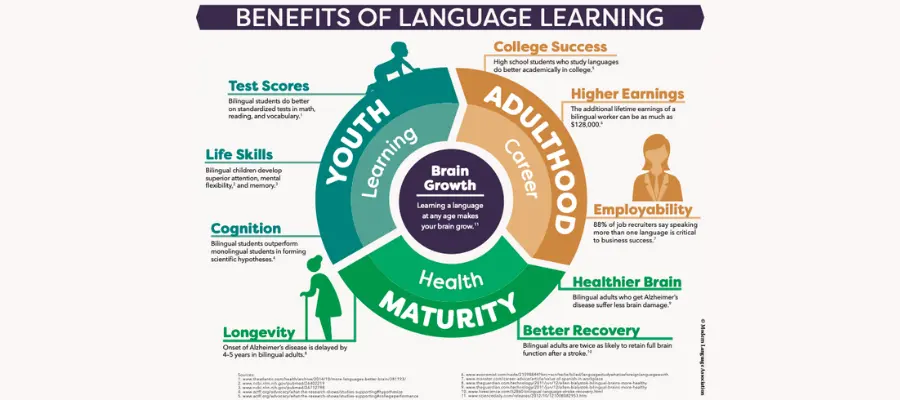
Yes, learning a second language improves your cognitive flexibility and understanding of grammatical structures. If you learn a language within the same family as your target, such as Spanish before Italian, you will recognize cognates and shared syntax that accelerate your progress.
What is the most common mistake beginners make when learning a difficult language?
The most common mistake is neglecting speaking practice in favor of passive reading or app-based vocabulary drills. Language is a motor skill, and failing to produce sounds early on prevents the development of the necessary muscle memory for proper pronunciation.
Can I learn a difficult language just by watching movies?
Watching movies is an excellent supplement for listening comprehension, but it is insufficient as a standalone method. You must balance input with active output, such as writing sentences or speaking with native tutors, to solidify your knowledge of grammar and vocabulary.
Why are some languages easier to learn than others?
Languages are easier when they share a common ancestor, vocabulary, or alphabet with your native language. English speakers find Germanic or Romance languages easier because they share thousands of cognates and use the Latin script, reducing the cognitive load required to reach basic communication.
This answer was created with the help of AI research tools and reference sources. Spotted an error? Let us know — we correct mistakes quickly. See our editorial policy.