What are the benefits of swimming?
Short answer
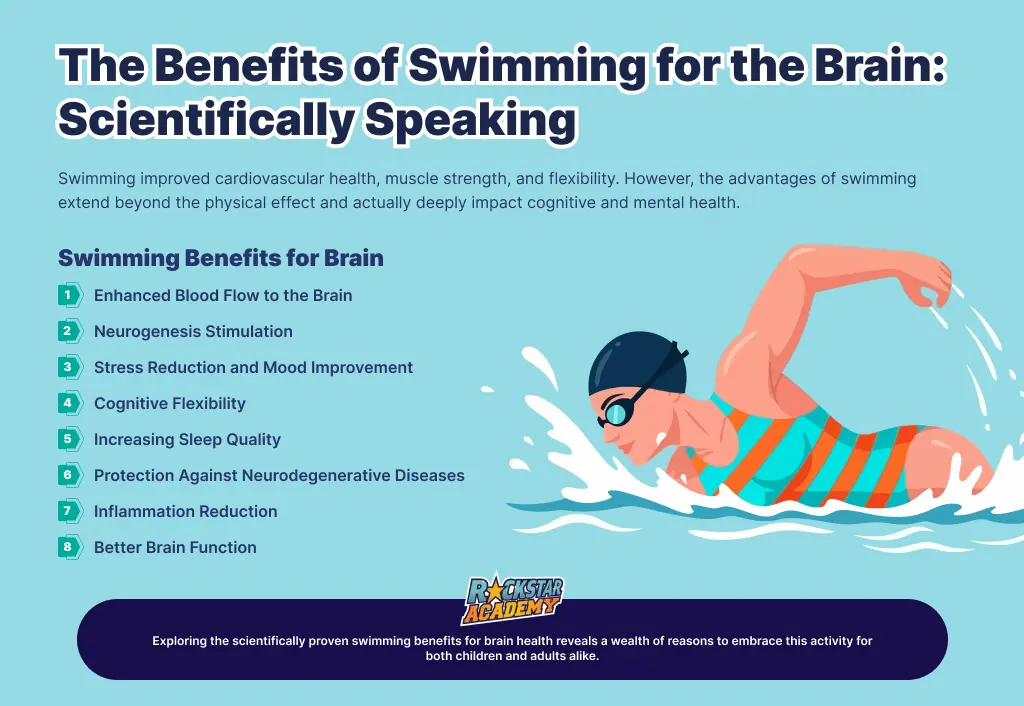
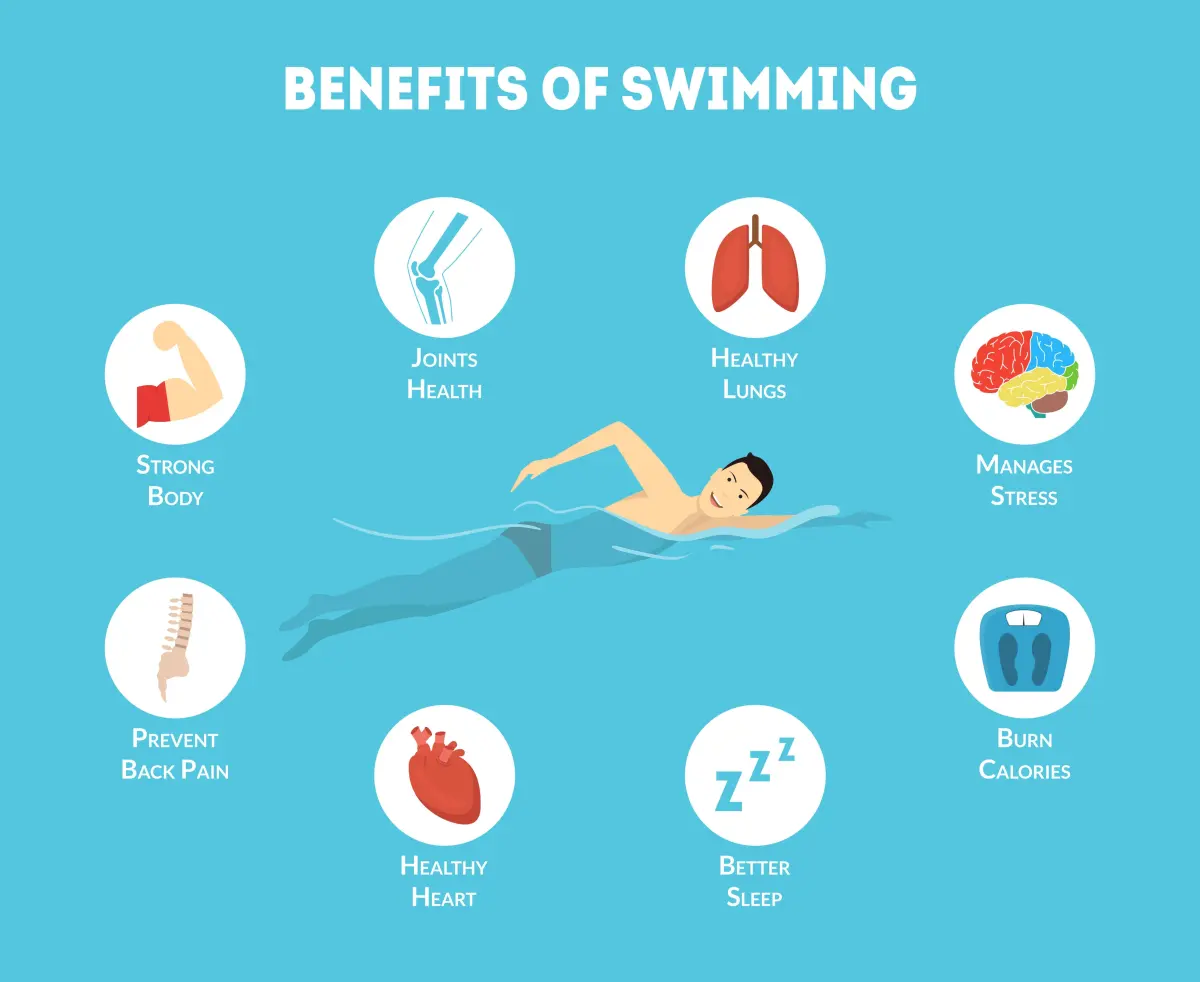
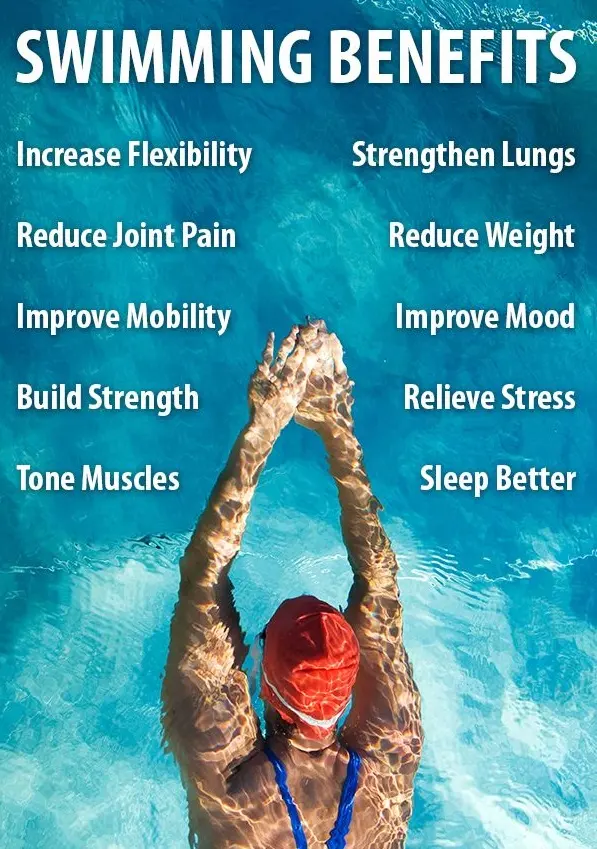
Swimming is a comprehensive full-body workout that improves cardiovascular health, builds muscular strength, and increases flexibility without stressing joints. Because water provides natural resistance and buoyancy, it is an ideal exercise for all ages and fitness levels, promoting better sleep, reduced stress, and enhanced lung capacity through controlled rhythmic breathing.
On this page
Why is swimming good for your health?
Swimming is unique because it engages nearly every major muscle group simultaneously, including the core, back, shoulders, and legs. Unlike land-based exercises, the buoyancy of water supports up to 90 percent of your body weight, which significantly reduces the impact on joints and bones. This makes it an excellent choice for individuals managing arthritis, recovering from injuries, or those who find high-impact activities like running painful.
Beyond muscle toning, swimming is a potent cardiovascular activity that strengthens the heart and lungs. Regular sessions improve the efficiency with which your body uses oxygen, leading to lower resting heart rates and improved circulation. Studies have shown that consistent lap swimming can help manage blood pressure and cholesterol levels, effectively lowering the risk of heart disease. Furthermore, the rhythmic nature of swimming and the sensory experience of being submerged in water are known to lower cortisol levels, acting as a powerful stress reliever for many people.
How long should you swim for results?
For most healthy adults, the American Heart Association recommends at least 150 minutes of moderate-intensity aerobic activity per week. To achieve measurable fitness gains, you can break this down into three sessions of 50 minutes or five sessions of 30 minutes. If you are a beginner, it is better to start with shorter, more frequent sessions to allow your muscles to adapt to the unique resistance of the water.
- Start with 15 minutes of continuous movement to gauge your endurance.
- Gradually add 5 minutes to your session each week as your stamina grows.
- Aim to reach a point where you can swim for 30 to 45 minutes without feeling overly exhausted.
- Incorporate interval training, such as swimming fast for two laps and slow for one, to boost calorie burn.
Consistency is more important than duration when you are first starting out. Even short, 20-minute sessions provide significant benefits if you maintain a steady pace.
Best swimming strokes for beginners
If you are new to swimming, choosing the right stroke can make your experience more enjoyable and sustainable. The breaststroke is often recommended for beginners because it allows you to keep your head above water, making it easier to breathe while you develop your rhythm. It provides a balanced workout for both the upper and lower body, though it requires coordination between your arms and legs.
- Freestyle (Front Crawl): The most efficient stroke for speed and cardiovascular conditioning.
- Backstroke: Excellent for posture and allowing you to breathe naturally without submerging your face.
- Breaststroke: Great for building leg strength and improving coordination.
- Sidestroke: A relaxing, low-energy option often used for endurance or recovery sessions.
Avoid pushing yourself to master the butterfly stroke early on, as it is technically demanding and can lead to shoulder fatigue. Focus instead on mastering your breathing technique and body position in the water before increasing your intensity.
Common mistakes when learning to swim
One of the most frequent errors beginners make is holding their breath while their face is submerged. This leads to rapid carbon dioxide buildup, causing you to feel winded and anxious. Instead, learn to exhale slowly and steadily through your nose or mouth while your face is underwater, then inhale quickly when you turn to breathe. Proper breathing rhythm is the foundation of efficient swimming and prevents early exhaustion.
Another common mistake is poor body alignment, often caused by looking forward instead of down at the bottom of the pool. Lifting your head too high causes your hips and legs to sink, creating unnecessary drag that makes you work much harder to move forward. Keep your head in a neutral position, aligned with your spine, and look directly at the pool floor. This simple adjustment keeps your body horizontal, reduces resistance, and makes your strokes significantly more effective and fluid.
How to stay safe in the water
Safety is the most critical aspect of any aquatic activity, regardless of your skill level. Never swim alone, especially if you are not a confident swimmer, and always choose a pool or beach that is monitored by qualified lifeguards. If you are swimming in open water, be aware of currents, water temperature, and potential obstacles. Wearing a brightly colored swim cap or using a tow float can help others see you clearly if you are swimming in a lake or ocean.
- Always warm up your muscles with light stretching on the pool deck before entering the water.
- Stay hydrated; even though you are in the water, you are still sweating and losing fluids.
- Learn to recognize the signs of fatigue, such as heavy limbs or difficulty maintaining your stroke.
- If you feel a cramp, stop swimming, signal for help if necessary, and stretch the affected muscle gently.
By respecting your limits and staying aware of your surroundings, you can enjoy the physical and mental rewards of swimming for many years to come.
Key facts
- Swimming burns between 400 and 700 calories per hour depending on the intensity and stroke chosen.
- The water provides 12 times the resistance of air, which helps build muscle tone and strength across the entire body.
- It is a low-impact exercise, making it ideal for individuals with arthritis or those recovering from joint injuries.
- Experts recommend a minimum of 150 minutes of moderate-intensity aerobic activity per week, which can be easily achieved through consistent pool sessions.
- To avoid "swimmer’s ear," always dry your ears thoroughly with a towel after exiting the pool or use specialized ear drops.
- Focus on maintaining a horizontal body position to reduce drag, which prevents unnecessary fatigue and improves your overall speed.
The bottom line
Swimming stands out as a uniquely comprehensive exercise that combines cardiovascular conditioning with resistance training in a low-impact environment. By engaging almost every muscle group while protecting joints from high-impact stress, it serves as a sustainable practice for people of all ages. Whether you are aiming to lose weight, improve lung capacity, or simply reduce daily stress, regular sessions in the pool provide measurable, long-term health improvements.
People also ask
Does swimming help with weight loss?
Yes, swimming is an effective tool for weight management because it engages major muscle groups simultaneously. Because water conducts heat away from the body 25 times faster than air, the body burns additional energy just to maintain its core temperature.
Is swimming safe for people with asthma?
Swimming is often recommended for people with asthma because the warm, humid air around indoor pools is less likely to trigger exercise-induced bronchospasm. However, some individuals may be sensitive to chlorine, so choosing a well-ventilated facility is important.
How often should I swim to see health benefits?
Aiming for three sessions per week is a great starting point for cardiovascular health and muscle endurance. Consistency is more important than duration, so start with 20-minute sessions and gradually increase your time as your stamina improves.
Do I need to be a strong swimmer to get a workout?
You do not need to be an expert swimmer to benefit from the water; simply walking or jogging in the shallow end provides significant resistance. Using a kickboard or foam dumbbells can also help you focus on specific muscle groups without needing advanced technique.
What is the best stroke for beginners?
The breaststroke is often the most accessible for beginners because it allows for a steady rhythm and easier breathing. The front crawl is more efficient for speed, but it requires more coordination regarding the timing of the arm strokes and head rotation.
Can swimming improve my sleep quality?
Regular physical activity, including swimming, is proven to help regulate the body's circadian rhythm and reduce stress hormones. Many people find that the combination of physical exertion and the soothing nature of water helps them fall asleep faster.
This answer was created with the help of AI research tools and reference sources. Spotted an error? Let us know — we correct mistakes quickly. See our editorial policy.