What is a baby giraffe called?
Short answer
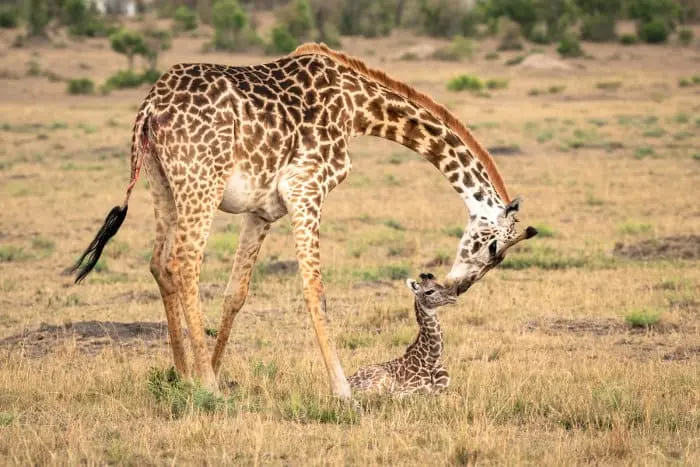
A baby giraffe is called a calf. Like many other large ungulates, this term applies to both male and female offspring from birth until they reach maturity. Calves are remarkably large at birth, typically standing about six feet tall and weighing between 100 and 150 pounds to survive in the wild.
On this page
What is a baby giraffe called?
The term "calf" is the standard scientific and common name for a young giraffe. While some people occasionally use the term "kid," which is technically reserved for young goats, "calf" remains the only accurate designation in zoological contexts. This terminology is consistent across all nine recognized subspecies of the giraffe, regardless of their specific geographic range in Africa.
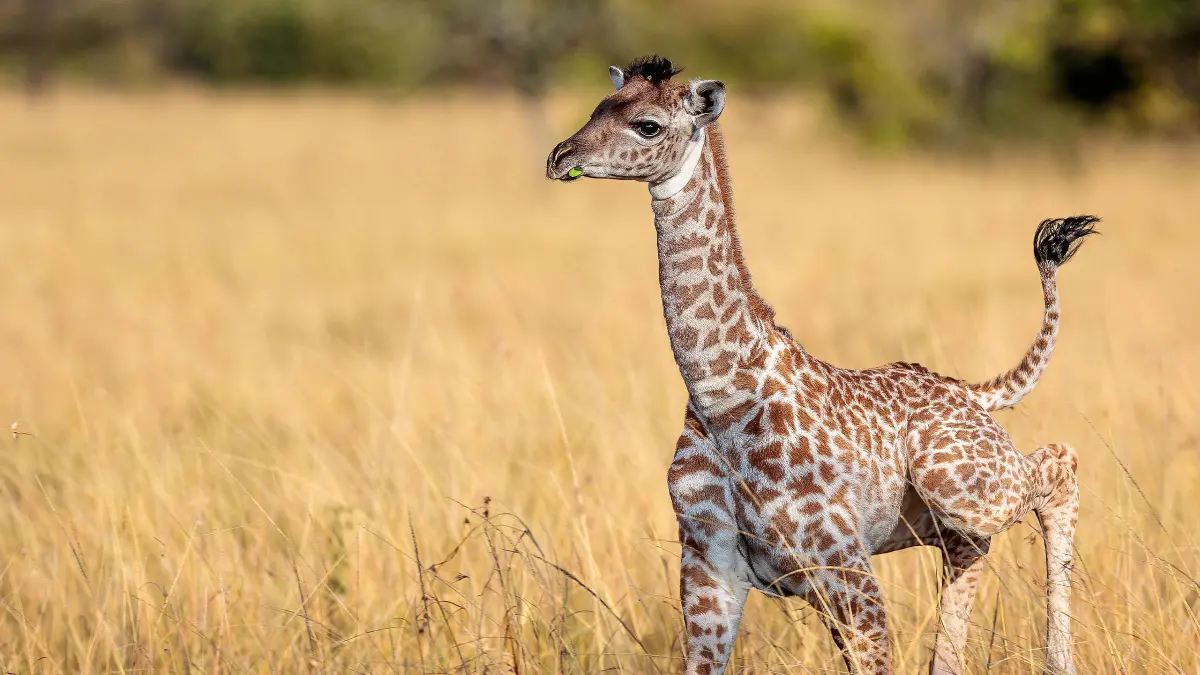
When identifying a calf in the wild, observers often look for specific physical markers that distinguish them from adults. A newborn calf is born with its umbilical cord still attached and possesses a slightly different body proportion, characterized by a shorter neck relative to its body size compared to an adult. As they grow, their proportions shift, but the name "calf" remains appropriate until they reach sexual maturity, which typically occurs around four to five years of age.
How long does a calf stay with its mother?
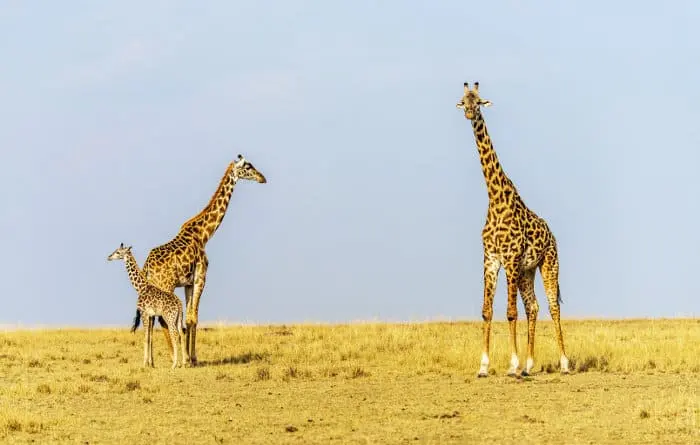
A giraffe calf maintains a very close bond with its mother for the first year of its life. During the initial weeks, the mother keeps the calf hidden in tall grass or brush to protect it from predators like lions, hyenas, and leopards. This period of "hiding" is critical for the calf's survival, as its legs are still gaining the strength needed for sustained movement.
As the calf grows, it begins to integrate into a "crèche," or a nursery group, where several calves stay together under the watchful eye of one or more adult females. This social structure provides safety in numbers while allowing the mothers to forage for food. The weaning process is gradual and typically follows this timeline:
- 1 to 3 months: The calf begins to supplement its diet with solid vegetation.
- 6 to 9 months: The calf spends increasing time away from the mother.
- 12 to 15 months: The calf is fully weaned and independent from the mother's milk.
Why are baby giraffes born so large?
The impressive size of a newborn calf is an evolutionary adaptation designed for survival in predator-rich environments. Because giraffes live in open savannas with little cover, a calf must be able to stand and run within an hour of birth to avoid being targeted by carnivores. This rapid development requires the calf to be born with fully formed, sturdy legs and a high level of alertness.
The birth process itself is quite dramatic, as the mother gives birth while standing up. This means the calf experiences a six-foot drop to the ground, which serves to break the amniotic sac and stimulate its first breath. This "tough start" is essential for the calf's development, as it immediately forces the young animal to orient itself and prepare for the dangers of the African plains. The calf's ability to stand quickly is a testament to the intense physiological preparation that occurs during the 14- to 15-month gestation period.
Common mistakes when identifying baby giraffes
One frequent mistake made by casual observers is confusing a young giraffe with a dwarf or stunted adult. While adult giraffes vary in height, a calf will always display specific juvenile behaviors, such as frequent suckling or staying very close to a larger female. If you see a small giraffe, observe its social interactions; a calf will almost always be accompanied by an adult, whereas a smaller adult will move independently.
Another error involves misjudging the age of a calf based solely on its height. Because growth rates can vary based on nutrition and environmental conditions, a calf that is six months old might look significantly different in size compared to another calf of the same age in a different region. To accurately estimate age, look for these indicators:
- The presence of the umbilical cord stump, which indicates a calf is only a few days old.
- The thickness of the ossicones, or horn-like structures on the head, which are soft and flat in newborns.
- The level of coordination, as older calves move with much more grace and speed than newborns.
How do baby giraffes learn to survive?
Survival for a calf is a process of learning through observation and social interaction. The mother teaches the calf which plants are safe to eat, typically focusing on acacia leaves, which are high in nutrients. By mimicking the feeding habits of the adults in the crèche, the calf learns how to navigate the complex task of browsing from tall trees using its long, prehensile tongue.
Beyond feeding, the calf must learn to recognize the alarm signals of the herd. Giraffes are generally quiet animals, but they use subtle body language and occasional low-frequency sounds to communicate danger. A calf learns to interpret the sudden movement or focused gaze of an adult as a sign to flee. By staying within the safety of the group, the calf gains the experience necessary to navigate the savanna, eventually transitioning from a vulnerable newborn into a towering, resilient adult that can defend itself against most predators.
Key facts
- A baby giraffe is officially called a calf.
- Newborn giraffes stand approximately 6 feet tall at birth.
- Calves are able to stand and walk within an hour of being born.
- Mothers give birth while standing, meaning the calf drops about 5 feet to the ground.
- Calves typically begin eating solid vegetation at around four months of age.
- Young giraffes are vulnerable to predators and rely on a "nursery" group for protection.
The bottom line
The term for a baby giraffe is a calf. Born at an impressive six feet tall, these resilient animals are capable of walking shortly after birth. While they grow rapidly on a diet of mother's milk and eventually acacia leaves, they remain under maternal care for over a year. Understanding these early life stages highlights the remarkable survival adaptations that allow giraffes to thrive in the wild.
People also ask
How long does a giraffe stay pregnant?
A giraffe’s gestation period lasts between 14 and 15 months. This long duration allows the calf to develop significantly before birth, ensuring it is prepared to stand shortly after entering the world.
Do male giraffes help raise the calves?
No, male giraffes do not participate in raising their young. Once the calf is born, the mother is solely responsible for its protection and nourishment during the early stages of its life.
How much does a newborn giraffe weigh?
A newborn calf usually weighs between 100 and 150 pounds. Despite this substantial weight, they are surprisingly agile and can keep pace with their mothers shortly after birth.
How long do calves stay with their mothers?
Calves generally remain with their mothers for about 15 to 18 months. During this time, they learn essential survival skills, such as how to forage efficiently and how to identify potential threats in the wild.
What do baby giraffes eat?
For the first several months, a calf survives exclusively on its mother's milk. As they grow, they begin to mimic their mothers by nibbling on leaves and twigs from acacia trees.
Why do giraffes have spots?
A giraffe’s unique spot pattern acts as a form of camouflage in the dappled light of the savanna. Each individual has a distinct pattern, much like a human fingerprint, which helps them blend into their surroundings.
This answer was created with the help of AI research tools and reference sources. Spotted an error? Let us know — we correct mistakes quickly. See our editorial policy.