What do squirrels eat?
Short answer
Squirrels are opportunistic omnivores that primarily consume plant-based foods like nuts, seeds, fruits, and fungi. While they are famous for hoarding acorns, their diet also includes insects, bird eggs, and small vertebrates. They adapt their intake based on seasonal availability, ensuring they consume enough energy to survive throughout the year.
On this page
What do squirrels eat in the wild?
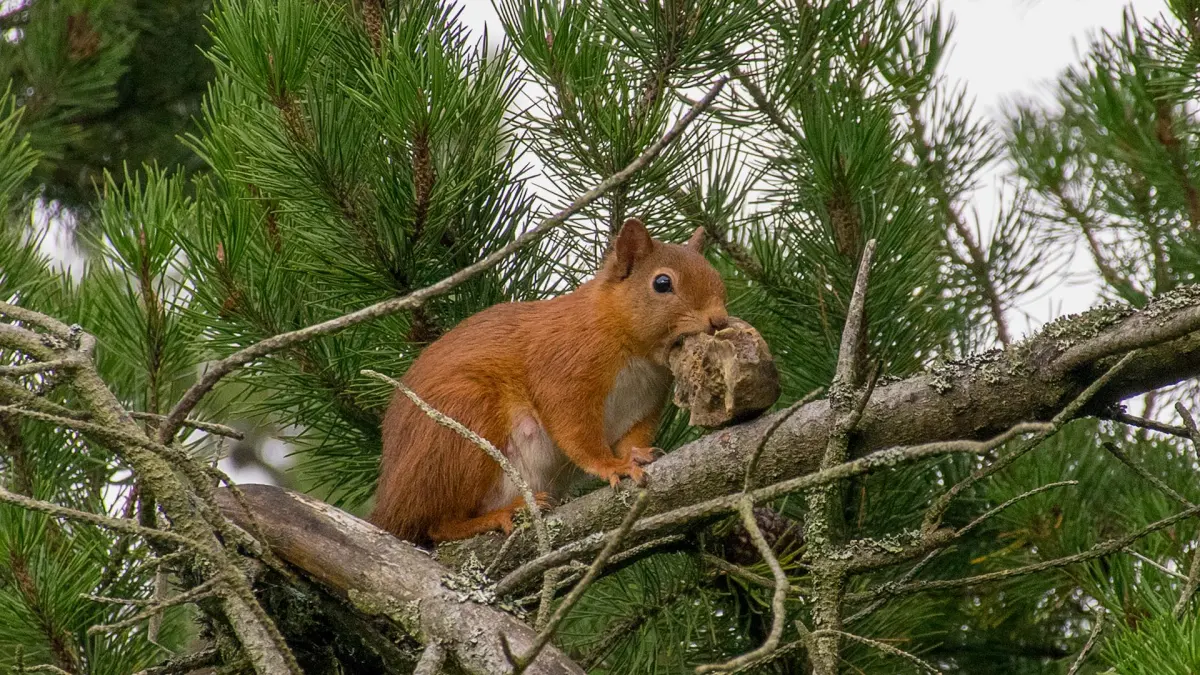
Squirrels are highly adaptable foragers that adjust their diet based on the changing seasons and their immediate environment. Their primary food sources include tree nuts such as acorns, hickory nuts, walnuts, and beechnuts. These calorie-dense items are essential for building the fat reserves necessary to survive cold winter months. In addition to nuts, they consume a wide variety of seeds, including those from pinecones, maples, and sunflowers.
Beyond nuts and seeds, squirrels frequently forage for fruits, berries, and buds. During the spring, they often eat tender plant shoots and flowers, which provide essential hydration and nutrients. They are also known to consume fungi, including various types of mushrooms, which they sometimes leave to dry on tree branches before eating. This diverse plant-based diet is supplemented by opportunistic protein sources when they are available.
- Acorns and oak mast
- Walnuts and hickory nuts
- Sunflower and pine seeds
- Wild berries and crabapples
- Tree buds and spring flowers
Do squirrels eat meat or insects?
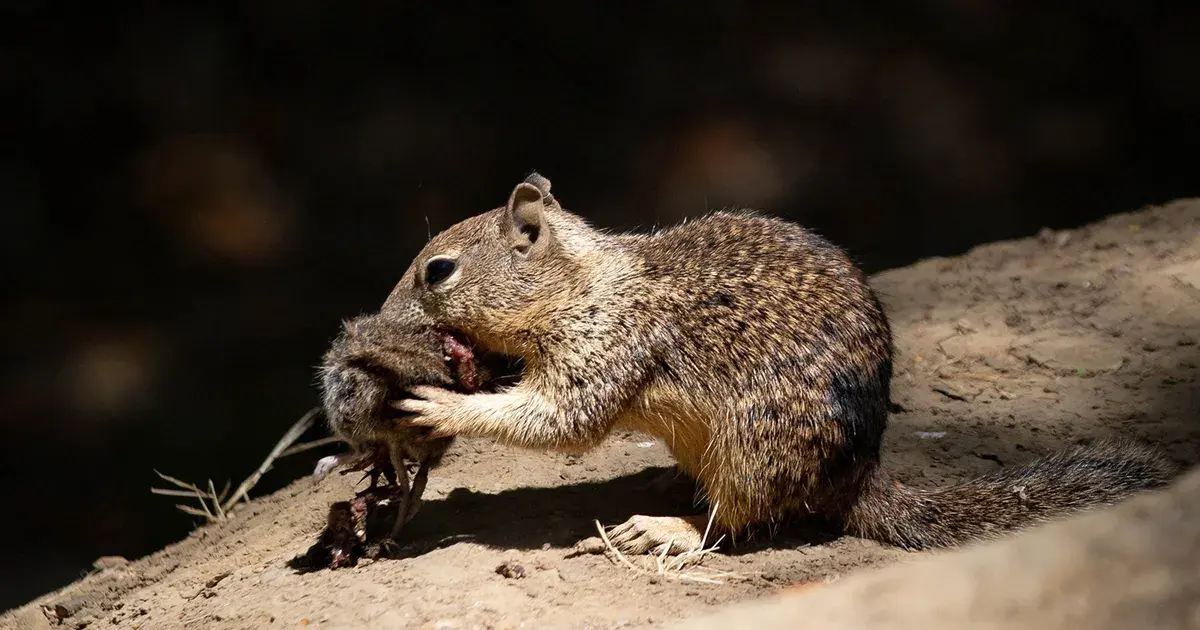
While many people view squirrels strictly as herbivores, they are actually opportunistic omnivores. When primary food sources are scarce or when they require an extra boost of protein, squirrels will hunt or scavenge for animal matter. This behavior is more common than many observers realize, particularly during the breeding season when female squirrels require additional nutrients to support their young.
Their animal-based diet can include a variety of small organisms found within their habitat. They have been documented eating insects, larvae, and caterpillars. Furthermore, squirrels may raid bird nests to consume eggs or even hatchlings if the opportunity arises. In rare instances, they have been observed eating small snakes, frogs, or carrion. This protein intake helps them maintain muscle mass and supports their high metabolic rates.
- Locate insect-rich areas like rotting logs or tree bark.
- Monitor bird nests for unattended eggs or vulnerable nestlings.
- Scavenge for small animal remains near roadsides or forest floors.
- Supplement plant-based diets with these high-protein options during late winter.
How do squirrels store food for winter?
Squirrels utilize a strategy known as scatter-hoarding to survive the winter. Rather than keeping all their food in one central location, they bury thousands of individual nuts and seeds in small, shallow holes across their territory. This reduces the risk of losing their entire winter supply to a single predator or competing squirrel. They use their keen sense of smell to relocate these caches, even when the ground is covered in snow.
The process of caching is highly methodical. A squirrel will often perform a "deceptive caching" maneuver if it knows it is being watched by another squirrel or a predator. It will dig a hole and pretend to drop a nut into it, covering the empty spot with dirt to mislead observers while hiding the actual food elsewhere. This strategy ensures that a significant portion of their hard-earned winter supply remains secure and available for consumption during the coldest months.
Common mistakes when feeding squirrels
Many people enjoy feeding squirrels in their backyards, but providing the wrong types of food can lead to health issues. A common mistake is offering processed human foods like bread, crackers, or sugary snacks. These items lack the nutritional density squirrels require and can cause dental problems or metabolic imbalances. Furthermore, feeding squirrels peanuts or corn exclusively is discouraged, as these are low in calcium and high in phosphorus, which can lead to severe bone diseases over time.
Another frequent error is creating an over-reliance on supplemental feeding. When squirrels become dependent on human handouts, they may stop foraging for natural, nutrient-rich foods. This can lead to obesity and make them more vulnerable to predators or harsh weather conditions. If you choose to provide food, it should be done sparingly to encourage them to maintain their natural foraging behaviors. Always ensure that any supplemental food is clean, dry, and free of mold to prevent the spread of diseases.
How to provide a healthy diet for squirrels
If you want to support the local squirrel population in your garden, focus on providing natural alternatives that mimic their wild diet. Instead of processed snacks, offer high-quality, raw nuts in the shell, such as walnuts, hazelnuts, or almonds. The act of gnawing through the hard shell is essential for maintaining the health of their constantly growing incisors. You can also provide fresh, sliced vegetables like carrots or broccoli, which offer vitamins and moisture.
Creating a squirrel-friendly environment is more effective than direct feeding. Planting native trees, such as oaks or hickories, provides a sustainable, long-term food source that does not require human intervention. Additionally, installing a birdbath or a shallow water dish ensures they stay hydrated, especially during hot, dry summers. By focusing on habitat enrichment rather than constant artificial feeding, you help maintain the health of the local ecosystem. Always keep feeding stations clean to avoid attracting pests or spreading pathogens among the local wildlife population.
Key facts
- Squirrels are primarily herbivores, consuming a diet of nuts, seeds, fruits, fungi, and green vegetation.
- Most squirrel species are scatter-hoarders, meaning they bury thousands of individual food items to retrieve during winter.
- While they prefer plant matter, squirrels are opportunistic omnivores that will eat insects, bird eggs, and small vertebrates if necessary.
- To prevent squirrels from raiding bird feeders, use baffles or choose spicy seeds treated with capsaicin, which birds cannot taste but squirrels find repellent.
- Avoid feeding squirrels processed human foods like bread, chocolate, or salty snacks, as these can cause severe nutritional deficiencies and health issues.
- Squirrels require a constant supply of calcium and minerals, often gnawing on discarded antlers or bones to supplement their diet.
The bottom line
Squirrels are adaptable foragers that rely on a diverse diet of nuts, seeds, and vegetation to survive. While they are famous for burying caches to endure winter, they are also opportunistic eaters willing to consume insects or garden produce. By understanding their natural feeding behaviors, you can better manage your backyard environment, protect your bird feeders, and avoid providing unhealthy human foods to these clever rodents.
People also ask
Do squirrels eat birdseed?
Yes, squirrels are highly attracted to birdseed, particularly black oil sunflower seeds and peanuts. They often raid feeders, which can deplete food supplies intended for birds and potentially damage feeding equipment.
Can squirrels eat peanuts?
Squirrels enjoy peanuts, but they should only be fed raw, unsalted nuts in moderation. Roasted or salted peanuts contain additives that are harmful to their digestive systems and can lead to long-term health complications.
Do squirrels eat garden vegetables?
Squirrels frequently consume garden vegetables such as tomatoes, corn, and squash. They are often attracted to the high water content in these plants during dry summer months.
Do squirrels eat insects?
Although they prefer nuts and seeds, squirrels will eat caterpillars, beetles, and other insects. This behavior typically occurs when their primary food sources are scarce or when they need extra protein.
Should I feed squirrels in my backyard?
Providing food can lead to squirrels becoming dependent on humans and losing their natural foraging skills. If you choose to feed them, offer natural items like walnuts or acorns rather than human scraps.
How do squirrels find their buried food?
Squirrels use a combination of spatial memory and their keen sense of smell to relocate buried caches. They do not rely solely on memory, as they often sniff the ground to pinpoint the exact location of a nut.
This answer was created with the help of AI research tools and reference sources. Spotted an error? Let us know — we correct mistakes quickly. See our editorial policy.