What do rattlesnakes eat?
Short answer
Rattlesnakes are carnivorous predators that primarily consume small mammals, such as rodents, rabbits, and squirrels. They also occasionally eat birds, lizards, and amphibians. As ambush hunters, they utilize venom to immobilize their prey before swallowing it whole. Their diet varies based on the snake's age, size, and available local habitat.
On this page
What do rattlesnakes eat in the wild?
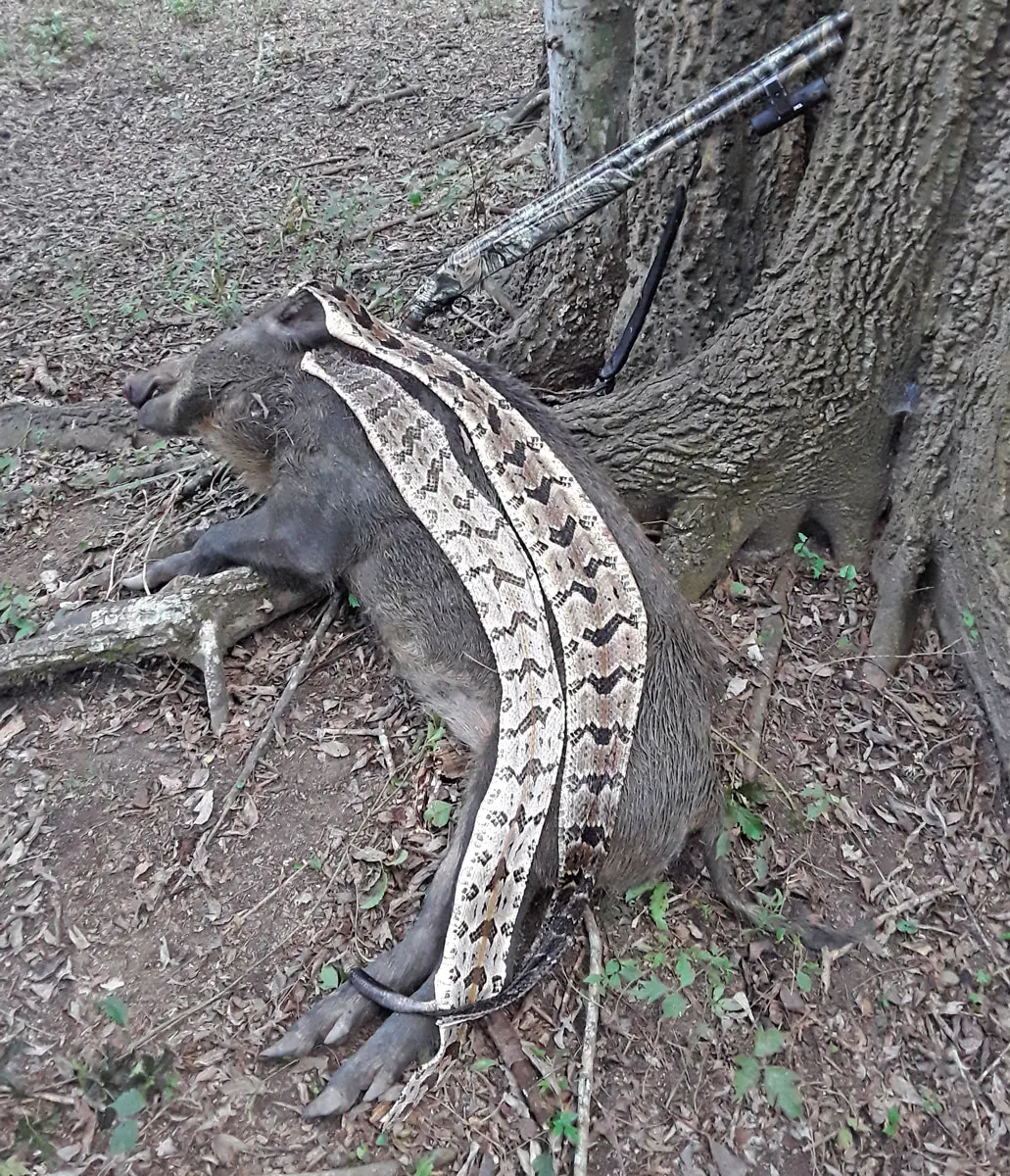
Rattlesnakes are opportunistic carnivores that play a vital role in controlling rodent populations. Their diet consists almost exclusively of small vertebrates found within their specific ecosystems. While mice and rats are the most common food sources, adult rattlesnakes are capable of consuming larger prey like ground squirrels, chipmunks, and young rabbits. Smaller or juvenile snakes typically focus on smaller targets, such as lizards or nestling birds, to match their physical size.
The hunting strategy of a rattlesnake is highly efficient. They are sit-and-wait predators that hide in vegetation or rocky crevices, remaining perfectly still until prey wanders within striking distance. Once an animal is close, the snake strikes with lightning speed, injecting a potent hemotoxic venom. This venom begins the process of breaking down the prey's tissues even before it is consumed. After the strike, the snake tracks the scent of the dying animal to recover it for ingestion.
- Mice and rats
- Ground squirrels and chipmunks
- Rabbits
- Small birds and bird eggs
- Lizards and amphibians
How often do rattlesnakes need to eat?
Unlike mammals, which require frequent meals to maintain high body temperatures, rattlesnakes have a slow metabolism. Because they are ectothermic, or cold-blooded, they do not burn energy to generate internal heat. Consequently, a single large meal can sustain an adult rattlesnake for several weeks or even months. The frequency of feeding depends heavily on the ambient temperature, the size of the prey, and the snake's current reproductive status or shedding cycle.
During the warmer months, when their metabolism is higher, rattlesnakes are more active and hunt more frequently. In contrast, during the winter months, they enter a state of brumation, which is similar to hibernation. During this period, their energy needs drop significantly, and they may go without food for the entire winter season. An adult snake might only require 10 to 15 substantial meals per year to remain healthy and thrive in its environment.
Why do rattlesnakes eat their prey whole?
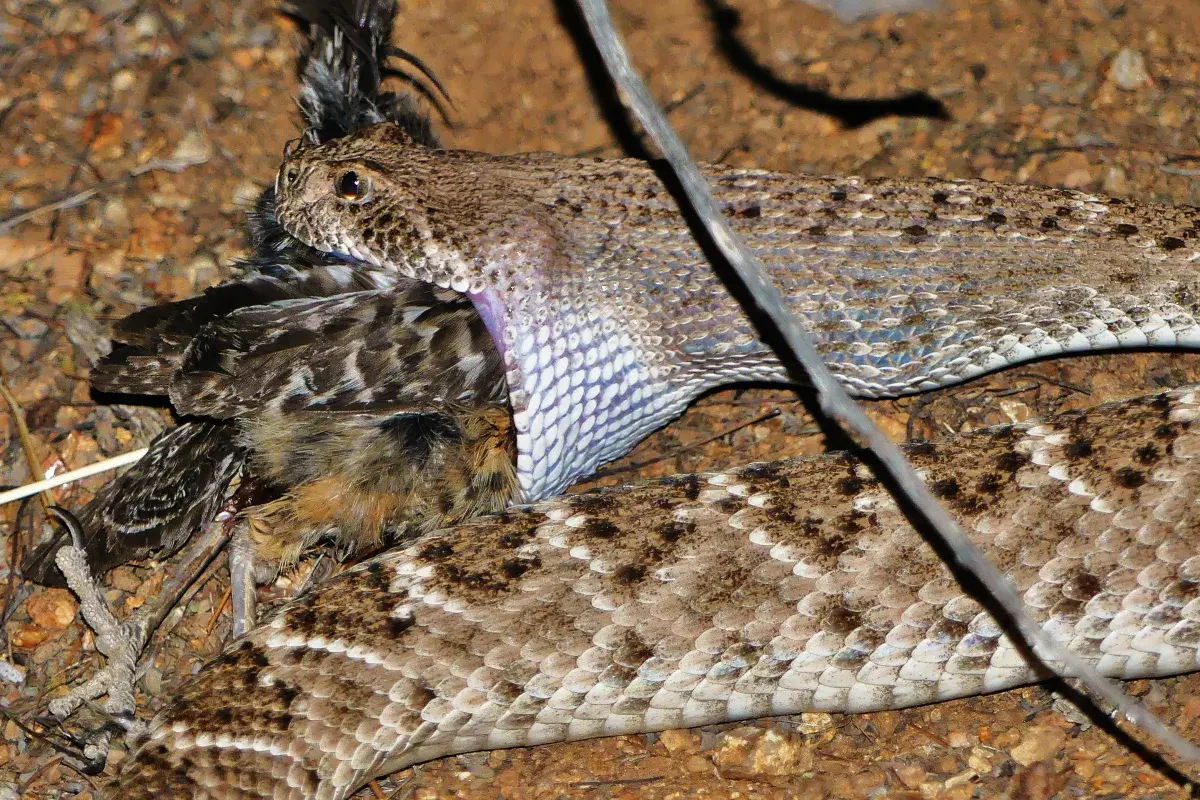
Rattlesnakes possess specialized anatomical features that allow them to consume prey much larger than their own heads. Their lower jaws are not fused to their skulls but are instead connected by highly flexible ligaments. This unique structure enables the jaw to expand and move independently, allowing the snake to "walk" its mouth over the prey. They also have backward-curving teeth that act like hooks, preventing the animal from escaping once the swallowing process begins.
Digestion is a slow and energy-intensive process for these reptiles. Once the prey is swallowed, the snake’s body produces powerful enzymes that dissolve the animal, including the bones and fur. Because the stomach acid is so potent, the snake can extract nearly all available nutrients from the carcass. During the digestion phase, the snake is physically vulnerable and often seeks a secluded, warm spot to rest while its body focuses on breaking down the meal.
- Locate prey using heat-sensing pits and scent organs.
- Deliver a venomous strike to immobilize the target.
- Track the scent of the prey to its final location.
- Consume the prey head-first to facilitate easier swallowing.
- Digest the meal over several days in a safe, hidden location.
Common mistakes when observing rattlesnake feeding
One of the most dangerous mistakes people make is attempting to feed or interact with a wild rattlesnake. Many enthusiasts try to offer food to snakes they find in nature, which is harmful to the animal and risky for the human. Feeding a wild snake can disrupt its natural hunting behaviors and lead to habituation, where the snake loses its fear of humans. This behavior often results in the snake being labeled a nuisance and subsequently relocated or destroyed by wildlife authorities.
Another common error is assuming that a rattlesnake is always hungry or aggressive. If you encounter a snake in the wild, it is likely focused on its own survival rather than searching for human interaction. Attempting to get close to capture photos or videos of a snake feeding can cause the animal to abandon its meal. Always maintain a distance of at least six feet, as rattlesnakes can strike at a distance equal to half their body length.
How do rattlesnakes find their food?
Rattlesnakes possess a sophisticated sensory toolkit that makes them highly effective hunters. The most famous of these are the loreal pits, located between the eye and the nostril on each side of the head. These pits are heat-sensing organs that allow the snake to "see" the infrared radiation emitted by warm-blooded prey. This allows them to hunt in total darkness, accurately distinguishing between a small mouse and a rock based on temperature differences.
In addition to thermal sensing, rattlesnakes rely heavily on their sense of smell. They use their forked tongues to collect scent particles from the air and the ground, which are then transferred to the Jacobson’s organ in the roof of the mouth. This organ analyzes the chemical signals, helping the snake identify the species and direction of nearby prey. By combining thermal detection with an acute sense of smell, rattlesnakes can successfully navigate complex terrains to secure their next meal.
Key facts
- Rattlesnakes are obligate carnivores that primarily hunt small mammals, including mice, rats, squirrels, and rabbits.
- They utilize heat-sensing pits located between their eyes and nostrils to detect the body heat of warm-blooded prey in total darkness.
- A rattlesnake’s venom is a complex mixture of proteins that immobilizes prey by disrupting blood clotting and damaging tissue.
- Young rattlesnakes often hunt smaller prey like lizards or amphibians before graduating to larger mammalian targets as they grow.
- Digestion is a slow process; a large meal can sustain an adult rattlesnake for several weeks or even months depending on ambient temperature.
- Always maintain a distance of at least six feet if you encounter a rattlesnake, as they can strike at a distance of up to half their body length.
The bottom line
Rattlesnakes are specialized ambush predators that play a vital role in controlling rodent populations within their ecosystems. By utilizing advanced sensory organs to detect heat and delivering potent venom, they efficiently secure their meals. Understanding their dietary habits underscores the importance of respecting these animals from a distance, as they are not aggressive toward humans unless they feel threatened or cornered in their natural habitat.
People also ask
How often do rattlesnakes need to eat?
Frequency depends on the snake's age and the size of the meal. Adults may only eat once every two to four weeks, while juveniles eat more frequently to support rapid growth.
Do rattlesnakes eat birds or eggs?
Yes, they opportunistically consume ground-nesting birds and their eggs. They are highly adaptable predators that will take advantage of any available protein source within their environment.
Can a rattlesnake eat something larger than its head?
Rattlesnakes have highly flexible jaw ligaments that allow them to swallow prey significantly wider than their own heads. The lower jaw is not fused, enabling it to move independently to "walk" the prey into the throat.
Do rattlesnakes drink water?
Like all reptiles, rattlesnakes require hydration to survive. They drink water from puddles, dew on leaves, or streams, though they obtain much of their moisture from the tissues of their prey.
Are rattlesnakes dangerous to pets?
They pose a significant threat to dogs and cats, which often investigate the snake out of curiosity. If a pet is bitten, it is a medical emergency requiring immediate veterinary intervention for antivenom.
Should I try to feed a wild rattlesnake?
Never attempt to feed a wild rattlesnake. Doing so encourages the animal to associate humans with food, which increases the risk of dangerous encounters and disrupts the snake's natural hunting behaviors.
This answer was created with the help of AI research tools and reference sources. Spotted an error? Let us know — we correct mistakes quickly. See our editorial policy.