Why do we talk in our sleep?
Short answer
Sleep talking, or somniloquy, occurs when the brain’s speech centers activate during sleep cycles. It is often triggered by transitions between sleep stages, stress, sleep deprivation, or underlying sleep disorders. While usually harmless and involuntary, it rarely reflects a person’s true thoughts or secrets, functioning instead as a benign neurological byproduct of rest.
On this page
Why sleep talking happens
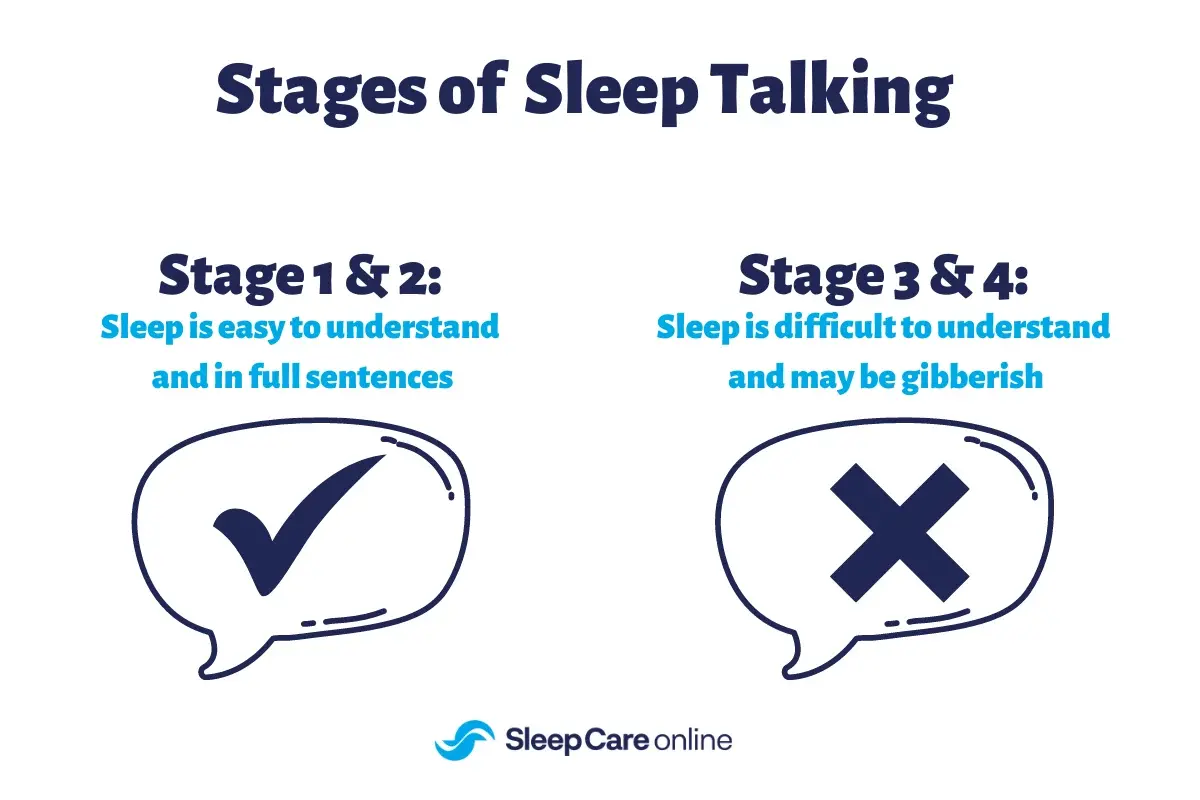
Sleep talking, clinically known as somniloquy, is a parasomnia that involves vocalizing during any stage of sleep. It occurs when the brain’s motor control over the vocal cords is not fully suppressed, allowing thoughts or dream-related impulses to manifest as audible speech. This phenomenon is most common during the transition between the rapid eye movement (REM) and non-REM stages of sleep.
Research indicates that sleep talking is highly prevalent in children, with approximately 50 percent of children between the ages of 3 and 10 experiencing it regularly. Most children eventually outgrow the behavior as their nervous systems mature. In adults, however, the habit is less frequent, affecting about 5 percent of the population. While it can be startling for bed partners, it is generally considered a benign condition that does not indicate a deeper psychological issue or an attempt to reveal hidden truths.
Common triggers for sleep talking
Several external and internal factors can increase the frequency of sleep talking episodes. The most significant contributors are often related to lifestyle and sleep hygiene rather than chronic illness. When the body is unable to maintain a consistent sleep architecture, the brain may experience brief periods of micro-arousal, which can trigger vocalizations.
- Severe sleep deprivation or irregular sleep schedules.
- High levels of daily stress or anxiety.
- Consumption of alcohol or certain medications before bedtime.
- Underlying sleep disorders, such as obstructive sleep apnea or REM sleep behavior disorder.
- Fever or illness that disrupts normal sleep cycles.
If you find that your sleep talking has increased suddenly, consider whether your recent routine has changed. Monitoring these environmental factors can help determine if the behavior is a temporary reaction to stress or a sign of a deeper sleep disturbance that requires professional attention.
How to manage sleep talking
There is no specific medical cure for sleep talking, as it is not considered a disease. However, you can significantly reduce the frequency of episodes by improving your overall sleep hygiene and creating a more restful environment. Consistency is the most effective tool for stabilizing your sleep cycles and reducing nocturnal vocalizations.
- Maintain a strict sleep schedule by going to bed and waking up at the same time every day.
- Create a relaxing pre-sleep ritual, such as reading or meditation, to lower stress levels.
- Optimize your bedroom environment by keeping the room cool, dark, and quiet.
- Limit caffeine and alcohol intake, especially in the four hours leading up to bedtime.
- Practice stress-reduction techniques throughout the day to prevent mental fatigue from carrying over into the night.
By focusing on these habits, you allow your brain to enter deeper, more stable phases of sleep. This stability reduces the likelihood of the brief awakenings or transitions that typically precede sleep talking.

Common mistakes when addressing sleep talking
Many people make the mistake of assuming that sleep talking is a window into the subconscious mind. It is a common misconception that sleep talkers reveal secrets or speak with intention. In reality, sleep speech is often nonsensical, repetitive, or related to fragmented dream imagery that lacks logical structure. Attempting to engage a sleep talker in conversation or interrogating them about what they said is counterproductive and can lead to unnecessary frustration or confusion.
Another frequent error is ignoring potential underlying issues. While occasional sleep talking is harmless, it can sometimes be a symptom of a more serious condition like sleep apnea or night terrors. If the sleep talking is accompanied by violent movements, gasping for air, or extreme daytime fatigue, it is important not to dismiss it as just a quirky habit. Failing to seek a professional evaluation in these instances can prevent the diagnosis of treatable sleep disorders that impact long-term health and cognitive function.
When to see a sleep specialist
While most cases of somniloquy require no medical intervention, there are specific warning signs that warrant a consultation with a healthcare provider. If your sleep talking is severe enough to disrupt your partner’s sleep or if it is accompanied by other unusual nighttime behaviors, a professional sleep study may be necessary. A specialist can monitor your brain waves and muscle activity to rule out more complex parasomnias.
You should consider booking an appointment if you notice:
- Frequent episodes that cause significant distress or social embarrassment.
- Sleep talking that occurs alongside physical thrashing, kicking, or punching.
- Chronic daytime sleepiness that interferes with your work or personal life.
- A sudden onset of sleep talking in adulthood that was not previously present.
A doctor can help identify if your symptoms are linked to sleep apnea, narcolepsy, or other conditions that disrupt the quality of your rest. Addressing these underlying issues often resolves the sleep talking as a secondary benefit, leading to better overall health and more restorative nights.
Key facts
- Sleep talking, medically known as somniloquy, is a parasomnia that involves vocalizing during any stage of sleep.
- It occurs most frequently in children, with studies suggesting up to 50% of children talk in their sleep, compared to about 5% of adults.
- Most sleep talking episodes are brief and consist of unintelligible mumbling rather than coherent sentences or stories.
- Stress, sleep deprivation, fever, and alcohol consumption are the primary triggers that increase the frequency of sleep talking.
- Sleep talking is generally considered a benign condition that does not require medical treatment unless it accompanies other sleep disorders.
- To reduce occurrences, maintain a consistent sleep schedule and practice relaxation techniques to lower overall daily stress levels.
The bottom line
Sleep talking is a common, harmless parasomnia that typically involves incoherent mumbling rather than meaningful conversation. While it is more prevalent in children, adults may experience it during periods of high stress or extreme fatigue. Because sleep speech is rarely grounded in reality, it should not be taken seriously. Improving your sleep hygiene through consistent routines and stress management is the most effective way to minimize these nocturnal vocalizations.
People also ask
Is sleep talking a sign of a mental health disorder?
Generally, no. While it can be associated with post-traumatic stress disorder or night terrors, isolated sleep talking is considered a normal variation of sleep behavior.
Can you learn secrets from someone who talks in their sleep?
Information spoken during sleep is rarely reliable. Because the brain's executive function and memory consolidation centers are largely inactive, sleep speech is often nonsensical or based on fragmented dreams.
Does sleep talking mean I am not getting enough deep sleep?
Not necessarily. Sleep talking can occur during both REM and non-REM sleep, and it does not inherently indicate a lack of quality rest unless it is accompanied by frequent awakenings.
Should I wake someone up when they start talking in their sleep?
It is usually best to leave them alone. Waking a person during a sleep talking episode can cause them to become disoriented or agitated, and it may disrupt their sleep cycle.
Is sleep talking hereditary?
Yes, there is evidence that sleep talking runs in families. If one or both of your parents were sleep talkers, you are statistically more likely to exhibit the behavior yourself.
When should I see a doctor about sleep talking?
You should consult a specialist if sleep talking begins suddenly in adulthood, is accompanied by violent physical movements, or causes significant distress to you or your sleeping partner.
This answer was created with the help of AI research tools and reference sources. Spotted an error? Let us know — we correct mistakes quickly. See our editorial policy.