What is Egypt known for?
Short answer
Egypt is world-renowned for its ancient civilization, characterized by monumental architecture like the Great Pyramids of Giza and the Sphinx. It serves as a vital cultural bridge between Africa and the Middle East, offering a unique blend of pharaonic history, Islamic heritage, and the life-sustaining waters of the Nile River.
On this page
What are the most famous ancient Egyptian sites?
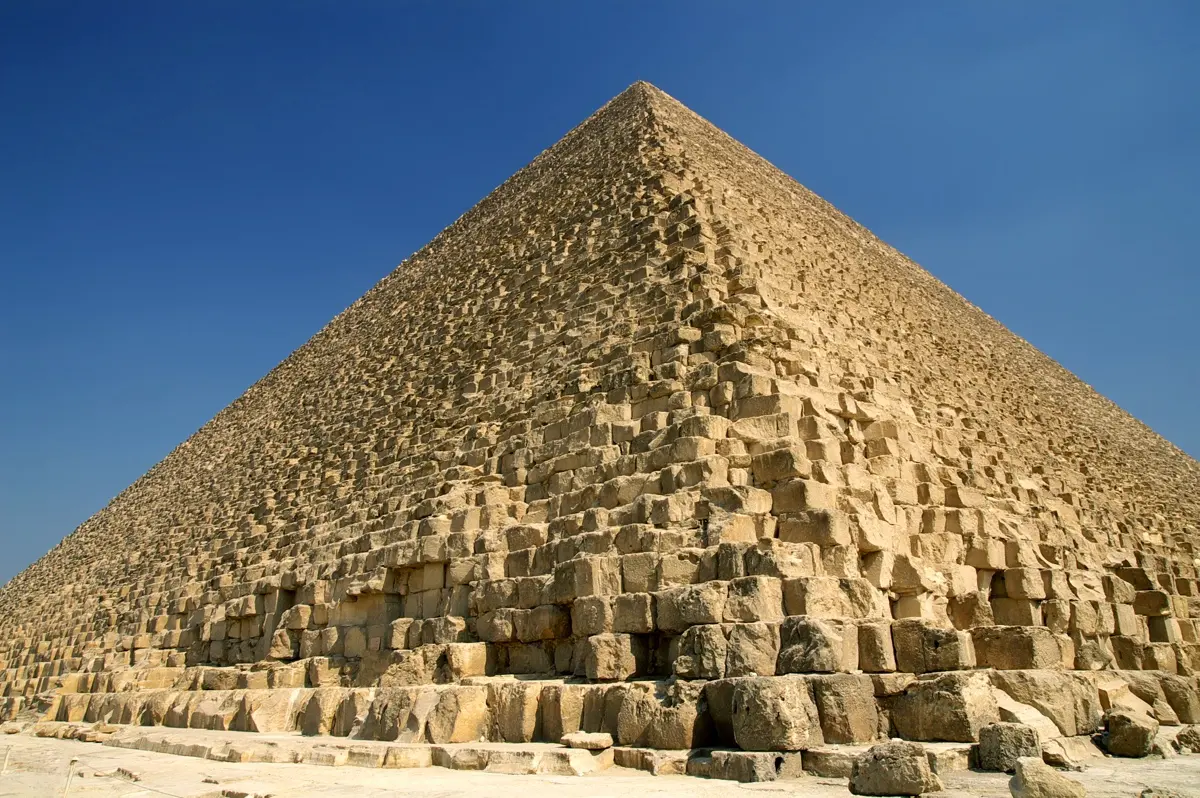
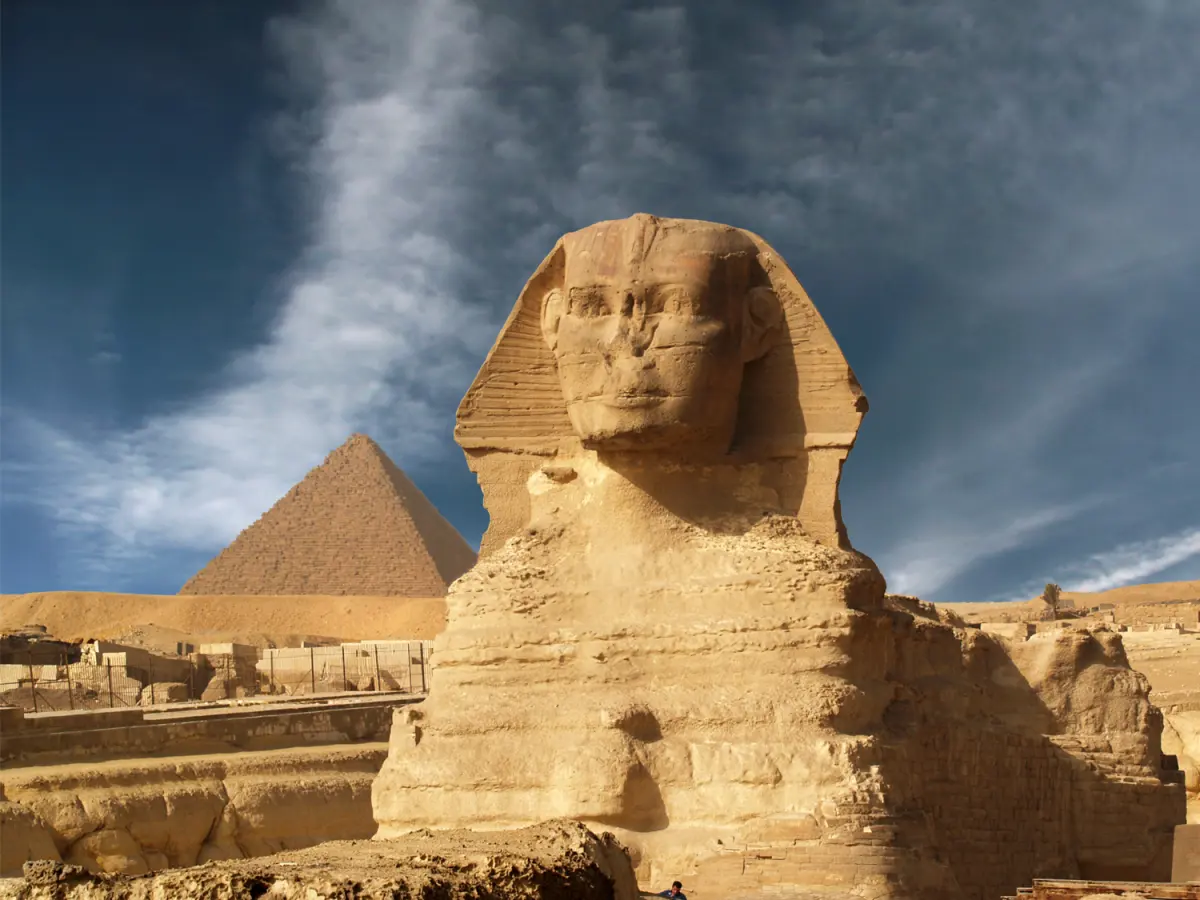
Egypt is synonymous with the architectural marvels of the Old and New Kingdoms. The Giza Plateau, located on the outskirts of Cairo, hosts the Great Pyramid of Khufu, the only surviving wonder of the ancient world. Built around 2560 BCE, this structure originally stood 146 meters tall and remains a testament to ancient engineering precision. Nearby, the Great Sphinx guards the complex, carved from a single limestone ridge.
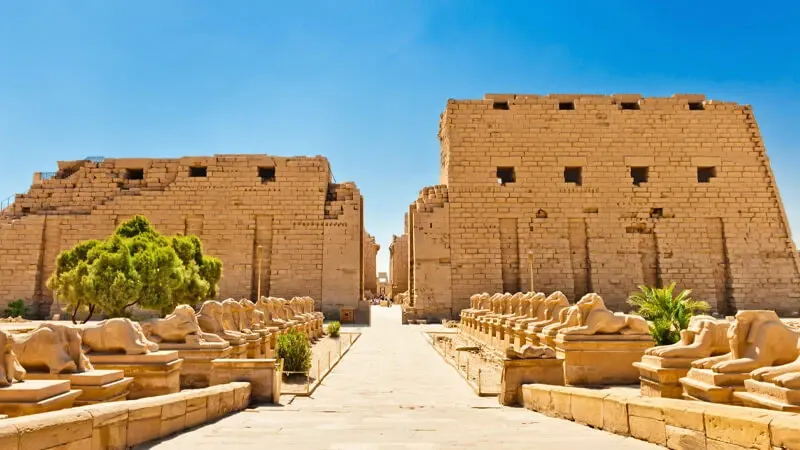
Beyond Cairo, the city of Luxor is often described as the world's greatest open-air museum. It houses the Valley of the Kings, where over 60 tombs of pharaohs, including Tutankhamun, were discovered. Visitors frequently prioritize these iconic locations to understand the scale of Egyptian antiquity:
- The Giza Necropolis: Home to the three primary pyramids and the Sphinx.
- Karnak Temple Complex: A vast site developed over 1,500 years by successive pharaohs.
- Abu Simbel: Two massive rock temples in southern Egypt relocated in the 1960s to save them from the rising waters of Lake Nasser.
- The Egyptian Museum: Houses the world's most extensive collection of pharaonic antiquities.
How to plan a trip to Egypt for beginners?
Planning a trip to Egypt requires balancing the intensity of urban centers with the logistics of desert travel. Most travelers begin in Cairo to acclimate to the local pace before heading south to Luxor or Aswan via domestic flight or the scenic Nile cruise. A typical trip lasts between 10 and 14 days to ensure enough time to explore both the northern monuments and the southern temples without feeling rushed.
When organizing your itinerary, consider these essential steps:
- Secure a visa online or upon arrival at Cairo International Airport.
- Book a licensed Egyptologist guide for major sites to gain historical context.
- Arrange domestic transportation between Cairo, Luxor, and Aswan in advance.
- Pack lightweight, breathable clothing and comfortable walking shoes for uneven terrain.
- Purchase a multi-site pass, such as the Cairo Pass or Luxor Pass, to save on entry fees.
Why is the Nile River important to Egypt?
The Nile is the lifeblood of Egypt, as the country is almost entirely desert. Historically, the annual flooding of the river deposited nutrient-rich silt, allowing for the development of one of the world's first agricultural civilizations. Today, the river supports the vast majority of the population, who live along its narrow banks and the fertile delta region. It remains the primary source of irrigation, drinking water, and hydroelectric power.
Beyond agriculture, the Nile serves as a major transportation artery and a centerpiece for tourism. River cruises between Luxor and Aswan offer a unique perspective on the landscape, passing by traditional farming villages and ancient ruins that are otherwise difficult to access. The river's ecological health is a constant national priority, as it manages the water needs of over 100 million people while facing the pressures of climate change and upstream dam projects.
Common mistakes when visiting Egypt?
Travelers often underestimate the intensity of the Egyptian sun and the nuances of local cultural etiquette. A frequent mistake is attempting to see too many sites in a single day, which leads to exhaustion, especially during the summer months when temperatures frequently exceed 40 degrees Celsius. Another common error is failing to carry small denominations of local currency, which are essential for tipping, a deeply ingrained part of the Egyptian service economy.
To ensure a smoother experience, avoid these pitfalls:
- Drinking tap water: Always stick to bottled or filtered water to prevent illness.
- Disrespecting religious sites: Dress modestly by covering shoulders and knees when entering mosques.
- Engaging with aggressive touts: Politely but firmly decline offers for unsolicited services or souvenirs.
- Neglecting to negotiate: Haggling is standard practice in bazaars and markets, so never accept the first price offered.
- Ignoring local customs: Avoid public displays of affection and always ask before photographing people.
What is modern Egyptian culture known for?
Modern Egypt is a vibrant synthesis of ancient traditions, Islamic influence, and contemporary Mediterranean lifestyle. Cairo, the capital, is a sprawling metropolis known for its bustling street life, historic Islamic architecture, and a thriving arts scene. The city’s "City of the Dead" and the medieval Al-Muizz Street showcase the architectural legacy of the Fatimid and Mamluk eras. Egyptian cinema and literature are also highly influential across the Arab world, with writers like Nobel laureate Naguib Mahfouz defining the literary landscape.
Culinary traditions are another hallmark of Egyptian identity. Staples like koshary—a mix of pasta, rice, lentils, and chickpeas topped with spicy tomato sauce—reflect the country's love for hearty, affordable street food. Traditional coffeehouses, or ahwas, serve as essential social hubs where locals gather to drink tea, smoke shisha, and discuss politics or sports. This blend of deep historical pride and a fast-paced, modern social life makes Egypt a uniquely multifaceted destination that extends far beyond its ancient stone monuments.
Key facts
- The Great Pyramid of Giza is the only one of the Seven Wonders of the Ancient World that remains largely intact.
- Egypt is home to the Nile River, the longest river in the world, which stretches approximately 4,130 miles.
- The Suez Canal, opened in 1869, handles about 12% of global trade by connecting the Mediterranean and Red Seas.
- When visiting religious sites, dress modestly by covering your shoulders and knees to show proper cultural respect.
- Avoid drinking tap water; always purchase bottled water or use a high-quality portable filtration system to prevent illness.
- The best time to visit Egypt is between October and April to avoid the extreme summer heat of the desert.
The bottom line
Egypt is a land of profound historical significance, defined by the enduring legacy of the pharaohs and the life-giving waters of the Nile. From the architectural marvels of Giza to the bustling markets of Cairo, the country offers a unique blend of ancient tradition and modern commerce. By respecting local customs and planning for the climate, visitors can experience one of the world's most captivating civilizations.
People also ask
What is the official currency of Egypt?
The official currency is the Egyptian pound (EGP). While credit cards are accepted in major hotels and upscale restaurants, it is essential to carry cash for local markets and small vendors.
Do I need a visa to enter Egypt?
Most travelers require a visa, which can be obtained as an e-visa online before departure or upon arrival at major airports for citizens of many countries. Always check the latest requirements from your local Egyptian embassy before booking flights.
What is the primary language spoken in Egypt?
The official language is Arabic, with Modern Standard Arabic used in formal writing and media. Egyptian Arabic is the common spoken dialect, though English is widely understood in tourist areas and major cities.
Is it safe to travel to Egypt as a tourist?
Egypt is generally safe for tourists, especially in popular destinations like Cairo, Luxor, and the Red Sea resorts. Travelers should stay informed about local travel advisories and stick to reputable tour operators when exploring remote areas.
What are the most famous Egyptian dishes to try?
Koshary is the national dish, consisting of a mix of pasta, rice, lentils, and chickpeas topped with tomato sauce. Other staples include falafel, known locally as ta’amiya, and ful medames, a traditional fava bean stew.
How should I handle tipping in Egypt?
Tipping, known as baksheesh, is a deeply ingrained cultural practice for almost any service provided. It is standard to carry small denominations of local currency to tip drivers, baggage handlers, and tour guides throughout your stay.
This answer was created with the help of AI research tools and reference sources. Spotted an error? Let us know — we correct mistakes quickly. See our editorial policy.