What is Dubai known for?
Short answer
Dubai is globally renowned for its record-breaking architecture, luxury shopping, and rapid transformation from a small fishing village into a futuristic metropolis. It serves as a major international business hub, offering world-class tourism, expansive desert landscapes, and a unique cultural blend of traditional Arabian heritage and modern, cosmopolitan innovation.
On this page
What are the most famous landmarks in Dubai?
Dubai is defined by its ambitious engineering projects that push the boundaries of modern construction. The most iconic structure is the Burj Khalifa, which has held the title of the world’s tallest building since its completion in 2010, standing at 828 meters. Visitors flock to its observation decks for panoramic views of the city and the surrounding desert.
Beyond the skyline, the city features artificial wonders that demonstrate its engineering prowess. The Palm Jumeirah, an archipelago shaped like a palm tree, hosts luxury resorts and private residences. Other notable landmarks include:
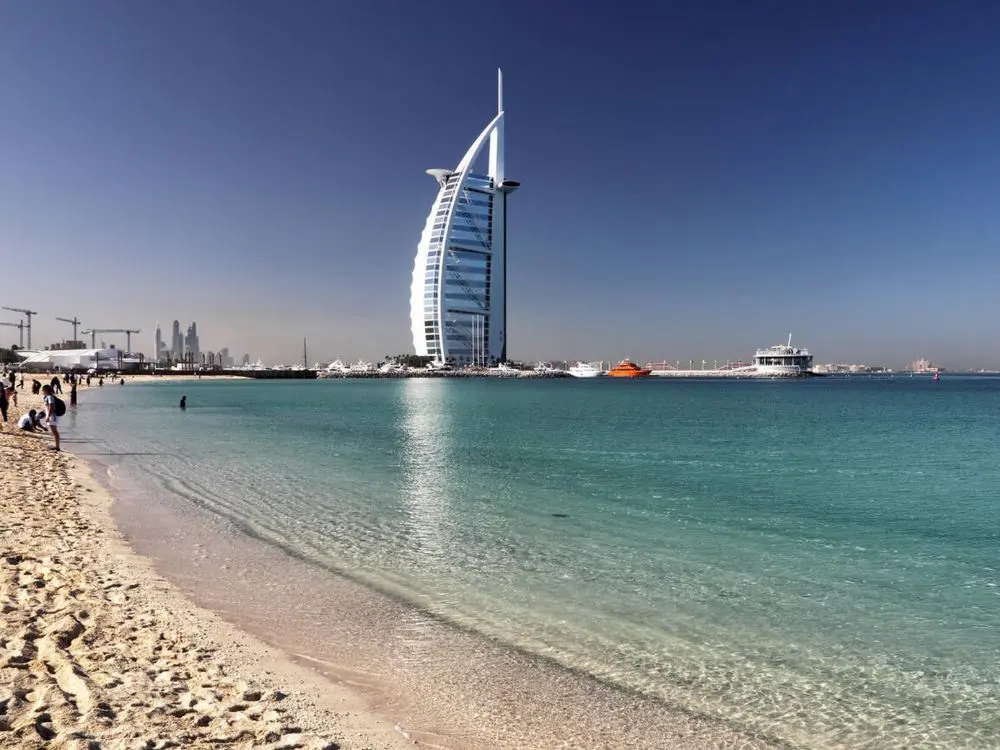
- The Burj Al Arab: A sail-shaped hotel often cited as the world’s only "seven-star" property.
- The Museum of the Future: A torus-shaped building known for its intricate Arabic calligraphy facade.
- The Dubai Frame: A massive structure that offers views of both the historic "Old Dubai" and the modern skyline.
How do you plan a trip to Dubai?
Planning a visit requires careful consideration of the climate, as temperatures can exceed 40°C (104°F) during the summer months. The best time to visit is between November and March, when the weather is mild and suitable for outdoor activities. Most international travelers arrive at Dubai International Airport (DXB), one of the busiest aviation hubs in the world.
To ensure a smooth experience, follow these preparatory steps:
- Check visa requirements for your nationality well in advance of your departure date.
- Book your tickets for popular attractions like the Burj Khalifa or the Dubai Aquarium at least two weeks ahead to avoid sell-outs.
- Arrange for a local SIM card or an international roaming plan to navigate the city using ride-sharing apps.
- Pack modest clothing for public spaces, as cultural norms in the United Arab Emirates emphasize respectful attire.
Why is Dubai a global shopping destination?
Dubai is frequently referred to as the "shopping capital of the Middle East" due to its vast array of retail experiences. The Dubai Mall, one of the largest shopping centers on the planet, houses over 1,200 stores, an Olympic-sized ice rink, and a massive indoor aquarium. It serves as a centerpiece for the city’s retail-focused tourism strategy.
The shopping culture extends beyond modern malls to traditional markets known as souks. Located primarily in the Deira and Bur Dubai districts, these markets offer a stark contrast to the air-conditioned malls.
- Gold Souk: Famous for hundreds of retailers selling intricate jewelry and precious metals.
- Spice Souk: A sensory experience offering exotic herbs, incense, and traditional medicinal ingredients.
- Textile Souk: A hub for high-quality fabrics, silks, and custom tailoring services.
Common mistakes when visiting Dubai
Many travelers underestimate the cultural nuances and logistical challenges of the city, leading to avoidable frustrations. One common error is failing to respect local customs, particularly regarding public displays of affection or the consumption of alcohol, which is restricted to licensed venues like hotels and specific restaurants. Violating these social codes can lead to legal complications.
Another frequent mistake involves poor transportation planning. While the Dubai Metro is efficient and clean, it does not reach every corner of the city. Relying solely on public transit may leave you stranded in remote areas.
- Do not attempt to walk long distances between attractions during the day, as the heat is dangerous.
- Avoid taking unlicensed taxis; always use official government-regulated cabs or reputable ride-sharing services.
- Do not photograph government buildings or local residents without explicit permission, as this is considered a serious privacy breach.
What is the history and culture of Dubai?
While Dubai is known for its futuristic outlook, it retains a deep connection to its roots as a pearling and fishing port. The Al Fahidi Historical Neighborhood provides a glimpse into life before the oil boom, featuring traditional wind-tower architecture and narrow alleyways. Visiting this area is essential for understanding the rapid socioeconomic shift that occurred over the last fifty years.
The city’s culture is a melting pot, with expatriates making up the vast majority of the population. This diversity has created a unique culinary scene that blends Middle Eastern flavors with international influences. You can find everything from high-end Michelin-starred restaurants to affordable street food stalls serving shawarma and falafel. Despite its globalized surface, the city remains deeply rooted in Islamic traditions, which dictate the rhythm of daily life, including the call to prayer heard throughout the city and the observance of religious holidays like Ramadan.
Key facts
- The Burj Khalifa, completed in 2010, remains the world's tallest building at 828 meters.
- Dubai is a tax-free jurisdiction, meaning residents pay zero personal income tax on their earnings.
- The Palm Jumeirah is the largest man-made island on Earth, created using land reclamation techniques.
- Visitors should dress modestly in public areas to respect local customs, keeping shoulders and knees covered.
- The Dubai Mall is one of the world's largest shopping centers, featuring over 1,200 retail outlets and an indoor aquarium.
- Alcohol consumption is restricted to licensed venues like hotels and bars; public intoxication is strictly prohibited and carries legal consequences.
The bottom line
Dubai is a global hub defined by its architectural ambition, rapid economic growth, and unique blend of traditional Middle Eastern culture and modern luxury. While it is famous for record-breaking structures and tax-free living, visitors should prioritize cultural awareness and local etiquette. By balancing its high-end attractions with practical travel planning, you can experience a city that serves as a primary gateway between East and West.
People also ask
Is Dubai expensive to visit?
Dubai offers a wide range of price points, from luxury seven-star hotels to affordable guesthouses. Travelers can manage costs by using the efficient Dubai Metro and eating at local eateries rather than hotel restaurants.
What is the best time of year to travel to Dubai?
The ideal time to visit is between November and March when temperatures are mild and suitable for outdoor activities. Summer months from June to September are extremely hot, often exceeding 40°C (104°F).
Do I need a visa to enter Dubai?
Many nationalities receive a visa-on-arrival or can enter visa-free for short stays. Always check the official government portal before booking, as entry requirements vary significantly based on your passport's country of origin.
Is it safe for solo female travelers?
Dubai is consistently ranked among the safest cities in the world for solo travelers. Violent crime is extremely rare, though standard precautions regarding personal belongings in crowded areas are recommended.
Can I take photos of government buildings?
Photography of government buildings, military installations, and certain public infrastructure is strictly prohibited. Always look for signage and ask for permission if you are unsure about a specific location.
What currency is used in Dubai?
The official currency is the United Arab Emirates Dirham (AED), which is pegged to the U.S. Dollar. Most businesses accept international credit cards, but carrying some cash is helpful for small purchases in traditional markets.
This answer was created with the help of AI research tools and reference sources. Spotted an error? Let us know — we correct mistakes quickly. See our editorial policy.




![What Singapore Is Famous for: 13 Iconic Things [2026]](/img/8b/what-is-singapore-known-for-1.webp)