What do dragonflies eat?
Short answer
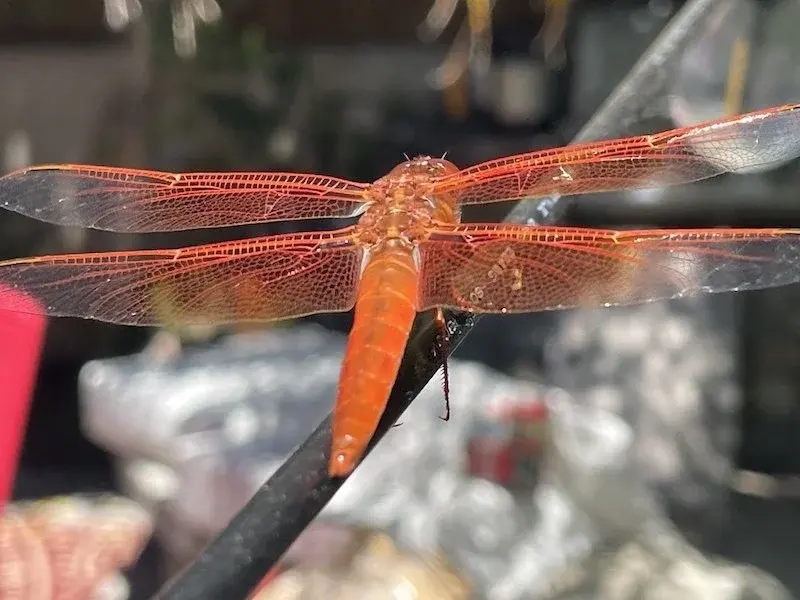
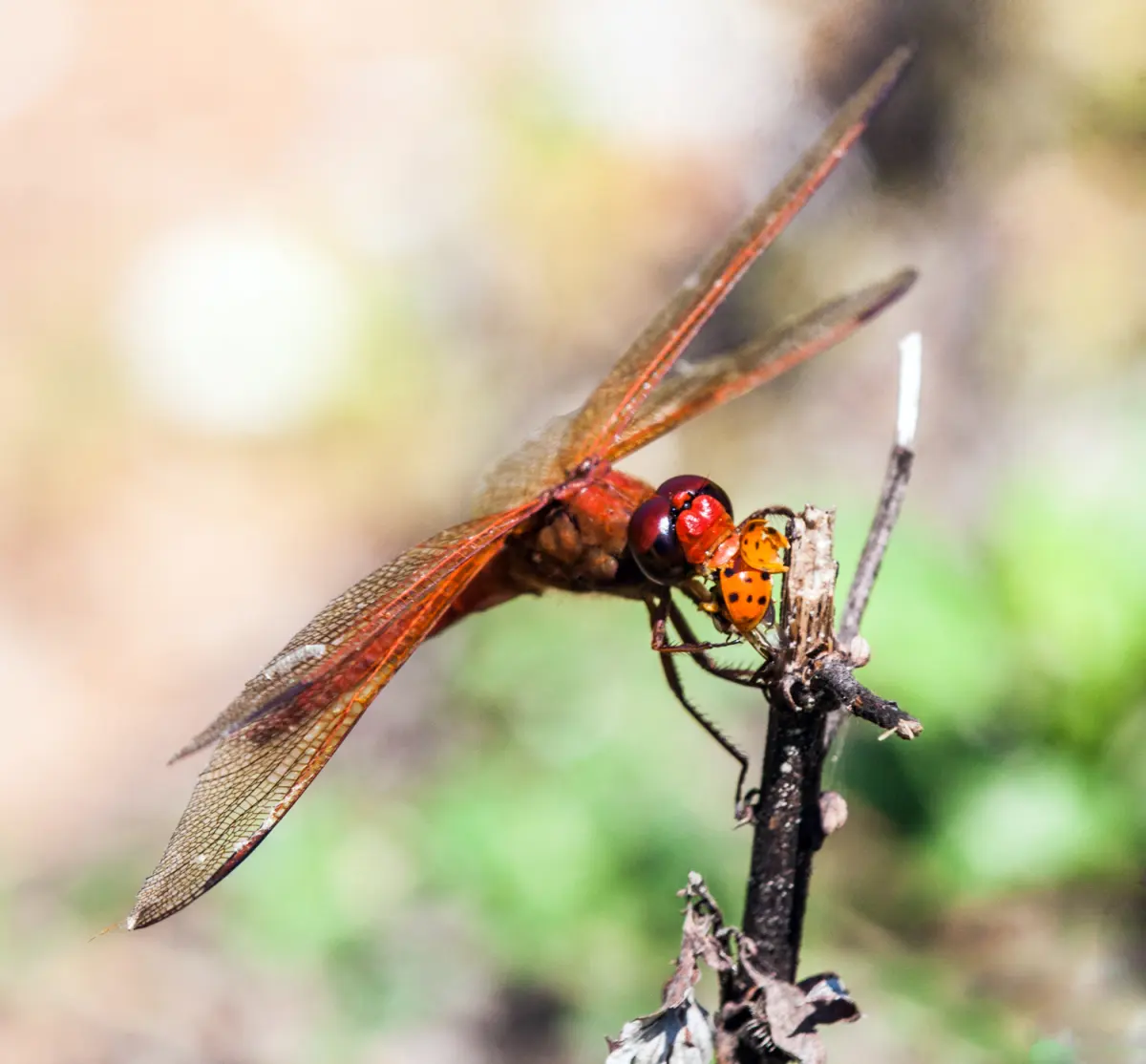
Dragonflies are strictly carnivorous predators that consume a wide variety of flying insects throughout their life cycle. As aquatic nymphs, they hunt small invertebrates, while adults capture mosquitoes, flies, midges, and butterflies in mid-air. Their high-speed hunting style and exceptional vision make them vital biological controllers of insect populations in nature.
On this page
What do dragonflies eat in the wild?
Dragonflies are opportunistic predators that feed on almost any insect smaller than themselves. Their diet consists primarily of flying insects, including mosquitoes, gnats, flies, moths, and smaller dragonflies or damselflies. Because they are highly skilled aerial hunters, they often target swarming insects, which provides them with a consistent and abundant food source during the warmer months of the year.
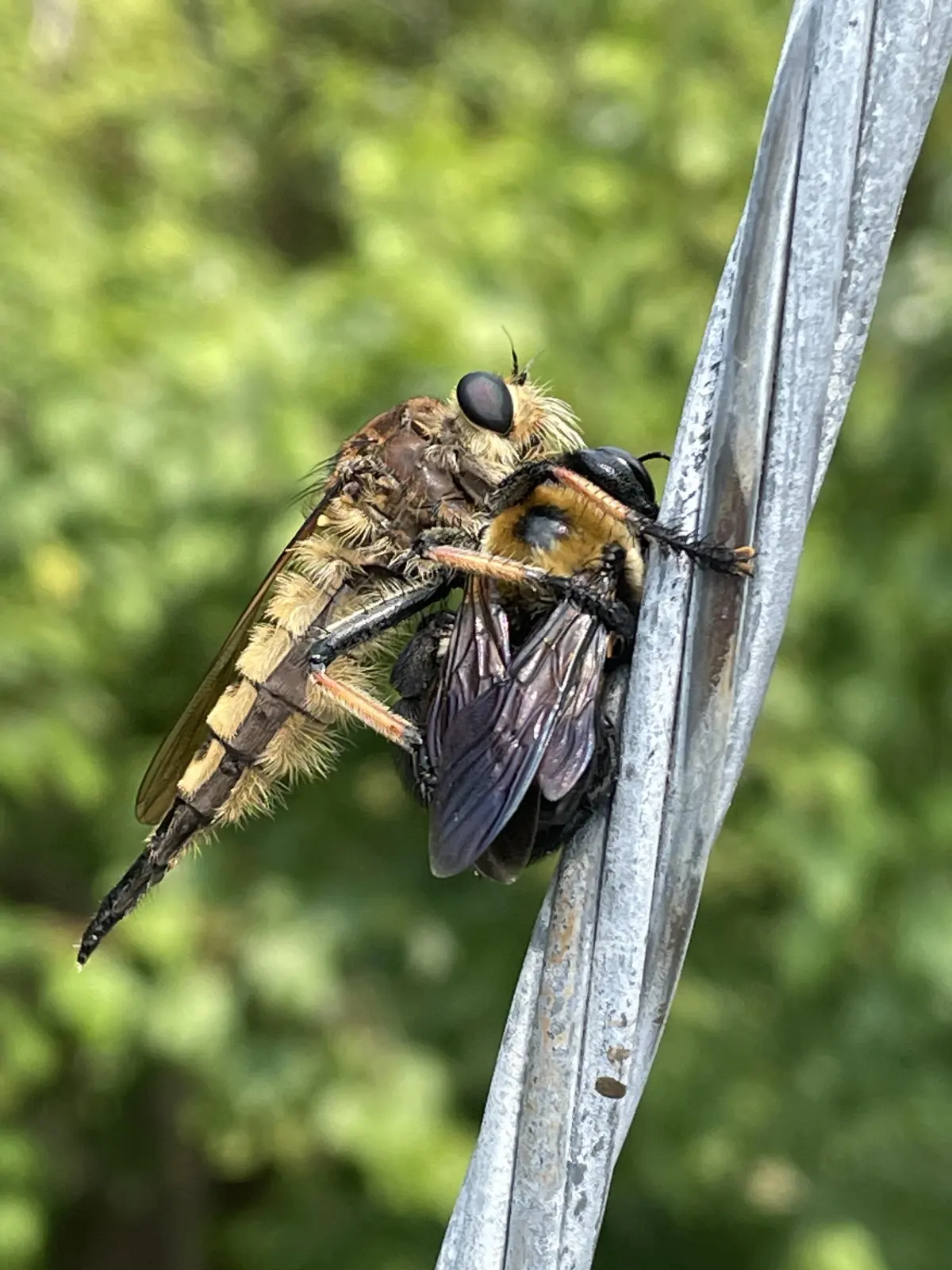
The specific prey captured often depends on the dragonfly’s size and the habitat it occupies. Larger species, such as the common green darner, are capable of consuming larger prey like butterflies or even small bees. Smaller species tend to stick to midges and mosquitoes. This varied diet makes them essential for maintaining ecological balance, as they help regulate populations of pests that might otherwise become overwhelming in wetland environments.
How do dragonflies hunt their prey?
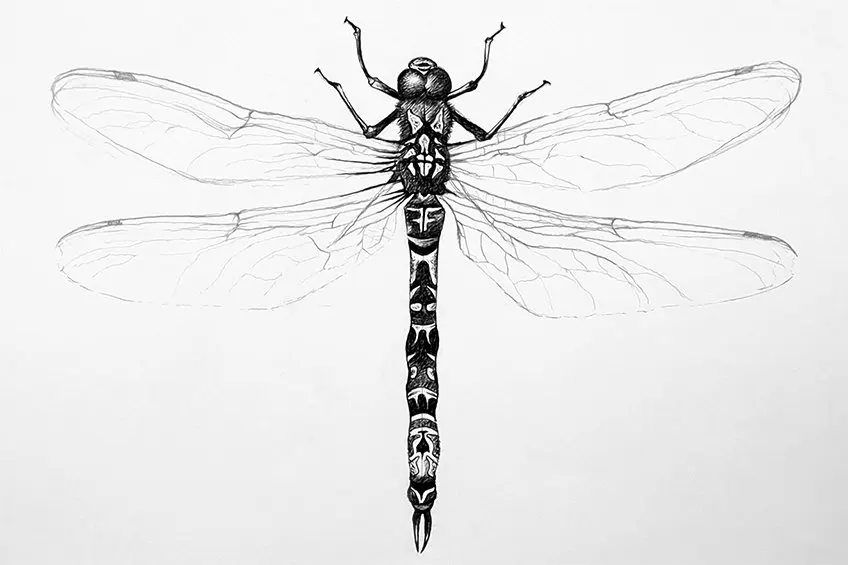
Dragonflies utilize a sophisticated combination of speed, agility, and vision to capture their food. They possess compound eyes that cover nearly their entire head, allowing them to detect movement from up to 30 feet away. Once a target is identified, the dragonfly calculates an interception trajectory, flying to the exact point where the prey will be in a fraction of a second.
This hunting process is remarkably efficient, with some species boasting a success rate of over 90 percent. They use their strong, spiny legs to create a "basket" that traps the prey mid-flight. Once captured, the dragonfly typically returns to a perch to consume its meal. The following list outlines the primary sensory tools they use during this process:
- Compound eyes: Providing nearly 360-degree vision for tracking fast-moving targets.
- Serrated mandibles: Powerful mouthparts designed to crush and tear through tough insect exoskeletons.
- Specialized wing muscles: Allowing for instantaneous hovering, forward flight, and sudden reversals in direction.
What do dragonfly nymphs eat?
Before becoming winged adults, dragonflies spend the majority of their lives as aquatic nymphs, also known as naiads. During this stage, they are voracious underwater predators that inhabit ponds, lakes, and slow-moving streams. Their diet at this stage is dictated by what is available in the water column, and they are not particularly picky eaters.
Nymphs are equipped with a unique, hinged lower lip called a labium, which can shoot forward to grab prey in milliseconds. Common dietary items for nymphs include:
- Mosquito larvae and aquatic worms.
- Small crustaceans like daphnia or scuds.
- Tadpoles and small fish fry, which larger nymphs are capable of overpowering.
- Other aquatic insects, including beetle larvae and damselfly nymphs.
Because they are strictly carnivorous, nymphs play a critical role in controlling the populations of aquatic organisms, including the larvae of biting insects that plague humans.
How to attract dragonflies to your garden?
If you want to support dragonflies in your backyard, you must provide both a hunting ground and a nursery. The most effective way to attract them is by installing a small pond or water feature. The water should be at least two feet deep in the center to allow nymphs to survive the winter, while the edges should be shallow with plenty of aquatic plants.
To ensure they stay, follow these steps to create a dragonfly-friendly environment:
- Plant native vegetation around the pond edge to provide perches for adults and hiding spots for emerging nymphs.
- Avoid using chemical pesticides in your garden, as these will kill the very insects the dragonflies rely on for food.
- Include a variety of flowering plants that attract pollinators, as these insects serve as a secondary food source for adult dragonflies.
- Ensure the water remains clean and free of heavy pollutants by using natural filtration like water lilies or cattails.
Common mistakes when observing dragonfly feeding
One common mistake enthusiasts make is assuming that dragonflies are dangerous to humans. Despite their intimidating appearance and the nickname "mosquito hawk," they do not bite or sting people. Attempting to handle them or interfere with their hunting can cause them stress, potentially causing them to abandon a productive hunting territory.
Another error is failing to recognize the importance of the aquatic phase. Many people focus only on the adult dragonfly, but without healthy, clean water, the population cannot sustain itself. Avoid clearing away all algae or submerged vegetation from garden ponds, as this removes the essential cover that nymphs need to ambush their prey. By providing a diverse habitat that supports both the larval and adult stages, you ensure that these fascinating predators remain a permanent fixture in your landscape.
Key facts
- Dragonflies are strictly carnivorous predators that hunt both in the air and near water.
- Adult dragonflies primarily consume flying insects, including mosquitoes, flies, gnats, and bees.
- Dragonfly larvae, known as nymphs, live underwater and eat tadpoles, small fish, and aquatic insects.
- A single dragonfly can consume hundreds of mosquitoes in a single day, acting as natural pest control.
- They use their exceptional vision and four independently controlled wings to intercept prey mid-flight.
- To attract dragonflies to your yard, provide a shallow water source and native plants to support their prey.
The bottom line
Dragonflies are highly efficient aerial predators that play a crucial role in controlling insect populations. By consuming vast quantities of mosquitoes and flies, they act as essential biological agents in many ecosystems. Whether in their aquatic nymph stage or as agile adults, these insects rely entirely on a diet of other small animals to sustain their high-energy lifestyles and support their complex life cycles.
People also ask
Do dragonflies bite humans?
Dragonflies do not have stingers and rarely bite humans. If handled roughly, a large species might deliver a minor pinch with its mandibles, but they are generally harmless and non-aggressive toward people.
How do dragonflies catch their food?
They use their compound eyes to track movement and calculate the flight path of their prey. Once within range, they use their agile flight to snatch the insect out of the air using their spiky, basket-like legs.
Do dragonflies eat plants?
No, dragonflies are obligate carnivores throughout their entire life cycle. They lack the digestive systems required to process plant matter and rely entirely on protein from other animals.
How much do dragonflies eat?
Dragonflies have high metabolisms and are voracious eaters. They can consume up to 20 percent of their own body weight in insects every single day to fuel their intense flight activity.
Do dragonflies eat other dragonflies?
Yes, larger dragonfly species are known to be cannibalistic. They will readily consume smaller dragonflies or damselflies if their preferred prey is scarce or if a smaller individual enters their territory.
Can I feed dragonflies by hand?
While it is theoretically possible to offer a dead insect on a toothpick to a resting dragonfly, it is not recommended. This can stress the insect and disrupt their natural hunting behaviors, which are vital for their survival.
This answer was created with the help of AI research tools and reference sources. Spotted an error? Let us know — we correct mistakes quickly. See our editorial policy.