How do you draw a dragonfly step by step?
Short answer
Drawing a dragonfly requires capturing its elongated, segmented body and four delicate, veined wings. Begin by sketching a central axis to establish the insect's posture. Add the head, thorax, and abdomen, then layer the wings symmetrically. Focus on translucent textures and geometric patterns to achieve a realistic, scientifically accurate representation of the creature.
On this page
How to draw a dragonfly step by step
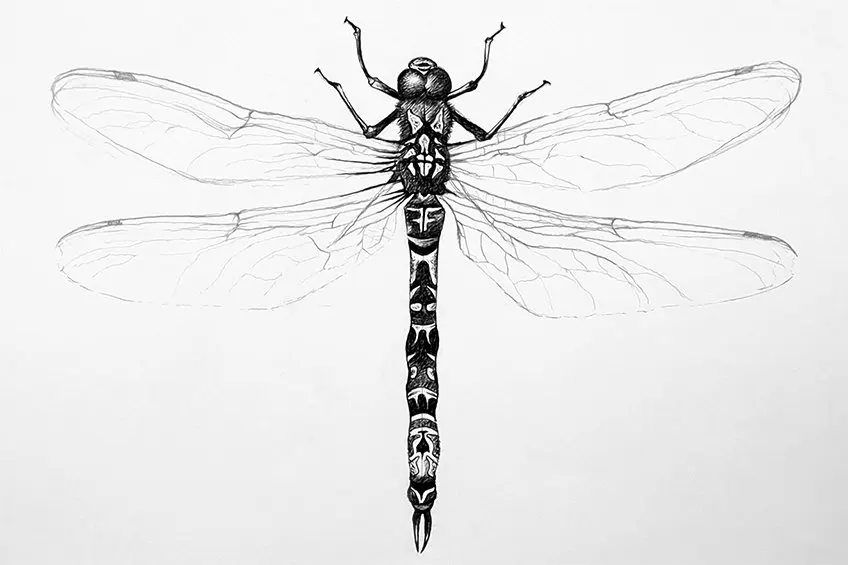
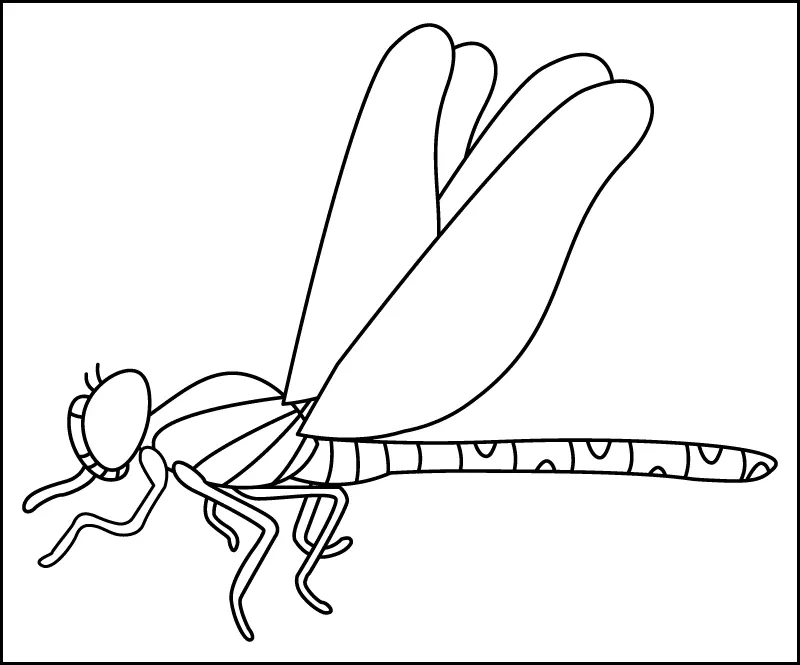
To begin your drawing, establish a light vertical or curved guideline to represent the dragonfly’s body. This spine ensures the insect maintains a balanced, natural flow. Start at the top by drawing a large, rounded shape for the head, followed by a slightly thicker, rectangular section for the thorax. From the thorax, extend a long, thin, segmented abdomen that tapers toward the end.
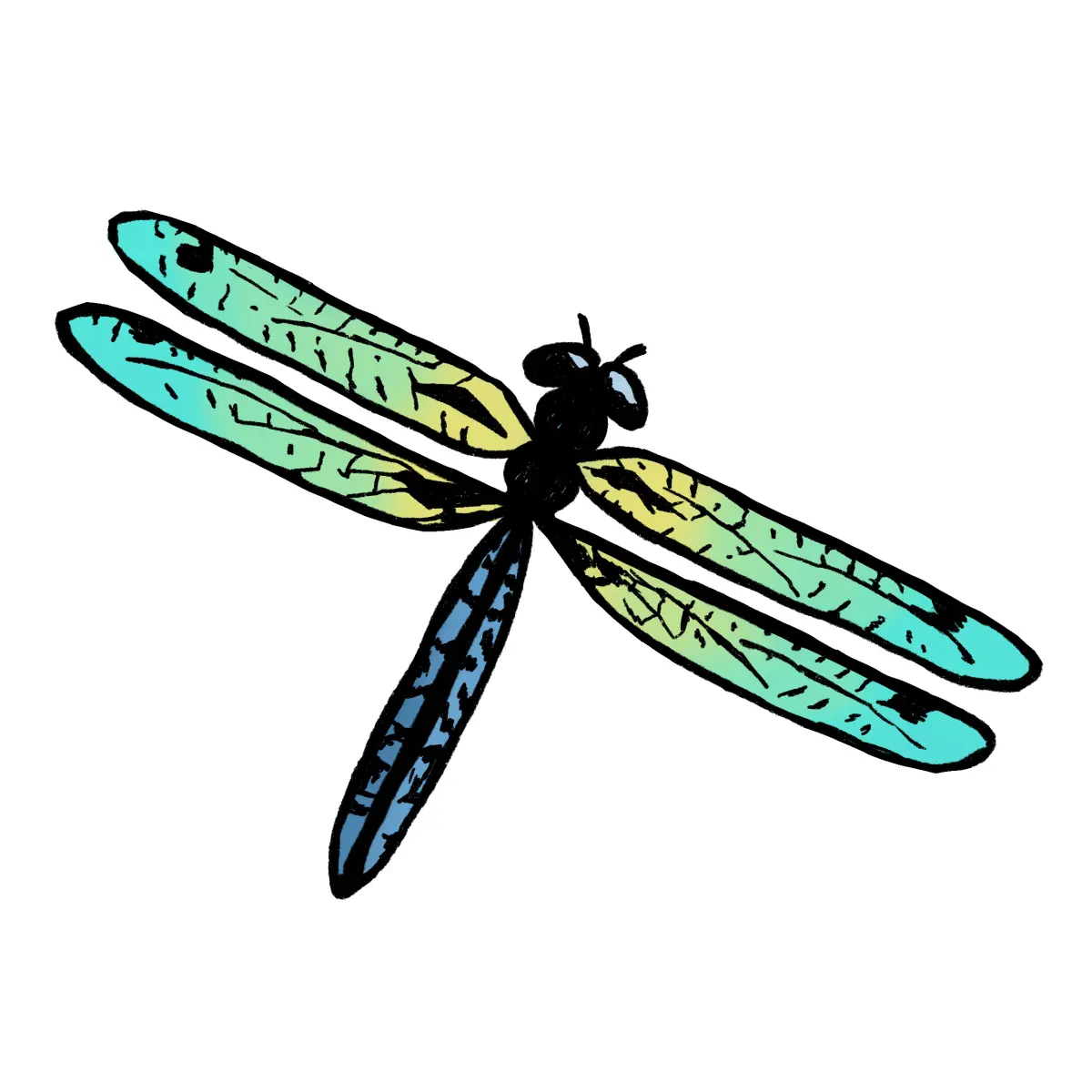
Once the body structure is set, add the wings. Dragonflies possess two pairs of wings attached to the thorax. Draw these as elongated, thin ovals extending outward. Ensure the front pair is slightly larger than the back pair. Use light pencil strokes initially, as you will need to refine these shapes into the complex, veined structures characteristic of the Odonata order.
- Sketch a light center line for the body.
- Draw the head, thorax, and segmented abdomen.
- Add two pairs of long, oval-shaped wings.
- Refine the body segments and add large, compound eyes.
- Draw the intricate vein patterns within the wing membranes.
Best tools for drawing insects
For beginners, a standard HB graphite pencil is ideal for initial sketches, as it allows for light, erasable lines. As you progress, consider using a 2H pencil for fine details like the wing veins and a 4B pencil to add depth to the thorax and abdomen. A high-quality kneaded eraser is essential for lifting graphite without damaging the paper’s surface.
When working on the final details, fine-liner pens or archival ink markers provide the crisp, dark lines needed to define the dragonfly’s exoskeleton. Choose a variety of nib sizes, such as 0.1 for delicate veins and 0.5 for the main body outlines. If you choose to add color, watercolor pencils or light alcohol markers work best to mimic the iridescent, translucent quality of the wings.
- Use a 2H pencil for light, structural guidelines.
- Utilize a kneaded eraser to correct mistakes gently.
- Select fine-liner pens for permanent, crisp wing details.
- Experiment with colored pencils for iridescent effects.
Why dragonfly wings look complex
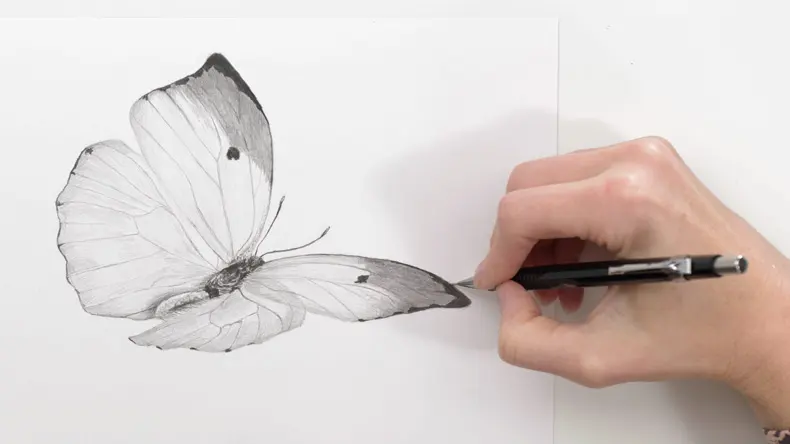
The complexity of dragonfly wings stems from their unique venation pattern, which is a structural necessity for flight. These veins provide rigidity and support to the thin, transparent membrane. When drawing them, do not simply scribble lines; observe how the veins form a network of irregular polygons. This geometric structure is what distinguishes a dragonfly from other insects like butterflies or flies.
In nature, the wing veins often create a "nodus," a notch on the leading edge of the wing that acts as a hinge during flight. Including this small detail adds a high level of realism to your drawing. Focus on the density of the veins near the base of the wing, where they are thicker, and allow them to become finer and more sparse toward the outer edges.
Common mistakes when drawing dragonflies
A frequent error is drawing the body segments as uniform circles. In reality, the abdomen consists of ten distinct segments that vary in length and width, becoming narrower toward the tip. Avoid making the body perfectly straight; dragonflies often curve their bodies when resting. Adding a slight, natural bend makes the drawing feel more alive and less like a static specimen.
Another common mistake is neglecting the size of the compound eyes. Dragonflies have massive, multifaceted eyes that take up most of the head. If the eyes are too small, the drawing will lack the characteristic intensity of the insect. Ensure the eyes occupy a significant portion of the head shape, and consider adding tiny dots inside them to represent the individual ommatidia, or lenses, that make up their vision.
- Do not draw the abdomen as a single, smooth tube.
- Avoid making the eyes look like small, simple dots.
- Ensure the wings are attached to the thorax, not the abdomen.
- Refrain from making the vein patterns perfectly symmetrical or identical.
How to add texture and realism
To elevate your drawing, focus on the contrast between the solid, chitinous body and the delicate, glass-like wings. Use cross-hatching or stippling on the thorax to suggest a metallic or velvety texture. For the wings, keep your lines very thin and leave plenty of negative space to convey transparency. A light blue or grey wash can hint at the iridescent sheen often found on their bodies.
Finally, consider the environment. Placing your dragonfly on a thin reed or a leaf provides context and adds a sense of scale. Use short, firm strokes to indicate the texture of the plant matter, ensuring it does not distract from the insect itself. By paying attention to these small environmental details, you create a cohesive image that reflects the dragonfly’s natural habitat and behavior.
Key facts
- Dragonflies belong to the order Odonata and are characterized by their long, slender bodies and two pairs of transparent wings.
- Start your drawing by sketching a long, thin rectangle for the abdomen to ensure the insect's signature proportions.
- The thorax, or middle section, should be drawn as a slightly larger, rounded shape connecting the head to the body.
- When drawing the wings, place them at the top of the thorax and ensure they are longer than the abdomen for accuracy.
- Use thin, intersecting lines to represent the complex vein patterns found on dragonfly wings, which provide structural support.
- Avoid drawing the eyes too small; dragonflies possess massive compound eyes that take up most of the head's surface area.
The bottom line
Drawing a dragonfly requires a focus on geometric proportions and delicate line work. By starting with a segmented body and large, prominent eyes, you establish a solid foundation. The most critical step is layering the wing veins carefully to mimic their natural, complex structure. With practice and attention to the insect's unique anatomy, you can create a lifelike representation that highlights its elegant and aerodynamic form.
People also ask
Why do dragonfly wings look like stained glass?
Their wings are composed of a complex network of veins that create small, enclosed cells. This structure provides the necessary rigidity and flexibility for their high-speed, acrobatic flight.
How many segments does a dragonfly abdomen have?
A dragonfly's abdomen typically consists of ten distinct segments. When drawing, you can simplify this by using a series of slightly overlapping cylindrical shapes.
Should I draw the legs on a dragonfly?
While they are often tucked against the body during flight, adding six legs attached to the thorax adds realism. They are usually thin and spiky, used primarily for perching rather than walking.
What is the best medium for drawing insect details?
Fine-liner pens or sharp-tipped pencils are ideal for capturing the delicate vein patterns in the wings. These tools allow for the precision required to replicate the insect's intricate anatomy.
How do I make the wings look transparent?
To achieve transparency, draw the wing outlines first and keep the vein lines very light. You can lightly shade the edges or leave the centers mostly clear to suggest a glass-like quality.
Do dragonflies have antennae?
Yes, they have very short, bristle-like antennae located between their large eyes. They are often so small that they are barely noticeable, so a tiny dot or short line is sufficient.
This answer was created with the help of AI research tools and reference sources. Spotted an error? Let us know — we correct mistakes quickly. See our editorial policy.