What is South Africa known for?
Short answer
South Africa is globally recognized for its profound biodiversity, complex political history, and diverse cultural heritage. It is famous for iconic wildlife safaris in Kruger National Park, the dramatic scenery of Cape Town’s Table Mountain, and its transition from the apartheid era to a multiracial democracy led by Nelson Mandela.
On this page
Where to see wildlife in South Africa
South Africa is one of the world’s premier safari destinations, home to the "Big Five": lions, leopards, rhinoceroses, elephants, and Cape buffalo. The country manages an extensive network of national parks and private reserves that offer varying levels of accessibility and luxury. Kruger National Park, established in 1898, remains the crown jewel, covering nearly 2 million hectares of protected wilderness.
When planning a safari, consider these primary options:
- Kruger National Park: Best for self-drive enthusiasts and budget-conscious travelers.
- Sabi Sands Game Reserve: Ideal for intimate, high-end experiences with guaranteed leopard sightings.
- Addo Elephant National Park: Located in the Eastern Cape, this park is malaria-free and perfect for families.
- Pilanesberg National Park: A convenient choice for those based in Johannesburg, situated within an ancient volcanic crater.
Visitors should prioritize early morning or late afternoon game drives, as these are the peak hours for predator activity. Always remain inside your vehicle unless in a designated safe area, and respect the natural behavior of the animals by keeping noise to a minimum.
Why the history of apartheid matters
The modern identity of South Africa is deeply rooted in the struggle against apartheid, an institutionalized system of racial segregation that lasted from 1948 until the early 1990s. Understanding this era is essential for grasping the current social and political landscape. The transition to democracy in 1994, marked by the election of Nelson Mandela, stands as a pivotal moment in global human rights history.
Key sites that provide historical context include:
- Robben Island: The prison where Nelson Mandela spent 18 of his 27 years in captivity.
- The Apartheid Museum: Located in Johannesburg, it offers a comprehensive, immersive overview of the segregation era.
- Constitution Hill: A former prison complex that now houses the Constitutional Court, symbolizing the country's commitment to human rights.
- Hector Pieterson Memorial: A tribute to the students who lost their lives during the 1976 Soweto Uprising.
Engaging with these sites helps visitors appreciate the resilience of the South African people. It is important to approach these locations with sensitivity and a willingness to learn about the complexities of the past.
How to explore the Cape Town region
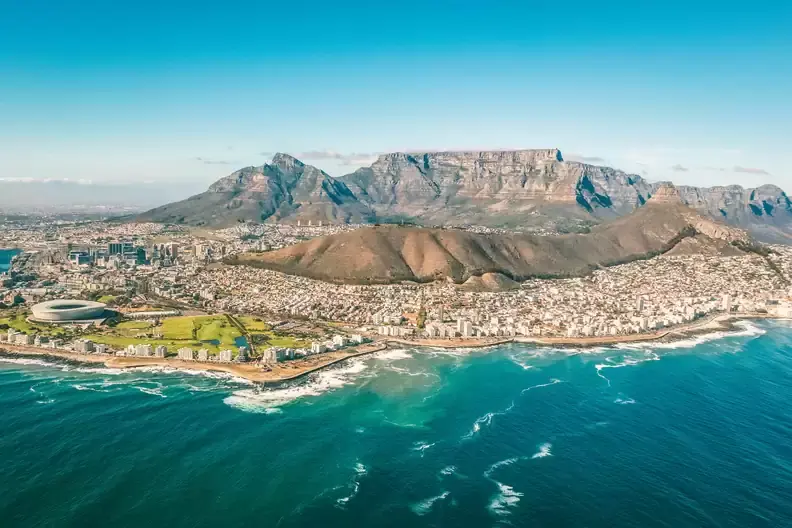
Cape Town is frequently cited as one of the most beautiful cities in the world, defined by the imposing presence of Table Mountain and the surrounding Atlantic coastline. The city serves as a gateway to the famous Cape Winelands, where world-class viticulture has flourished since the 17th century. The Mediterranean climate makes it an ideal year-round destination for outdoor enthusiasts.
To make the most of a visit to the Cape, follow these steps:
- Take the Aerial Cableway to the summit of Table Mountain for panoramic views of the city bowl.
- Drive the Chapman’s Peak route, which offers some of the most spectacular coastal scenery in the Southern Hemisphere.
- Visit Boulders Beach in Simon’s Town to see the famous colony of African penguins in their natural habitat.
- Explore the Kirstenbosch National Botanical Garden, which showcases the unique Cape Floral Kingdom.
Avoid visiting Table Mountain during high-wind conditions, as the cableway often closes for safety. Always check the local weather forecast, as conditions on the mountain can change rapidly regardless of the temperature in the city center.
Best cultural experiences for travelers
South Africa is often called the "Rainbow Nation" due to its eleven official languages and diverse ethnic groups, including Zulu, Xhosa, Sotho, and Afrikaans communities. This cultural tapestry is reflected in the country's vibrant music, dance, and culinary traditions. Exploring local townships or attending cultural festivals provides a deeper connection to the daily life of South Africans.
Food is a central component of this cultural experience. Visitors should try traditional dishes such as:
- Bobotie: A spiced minced meat dish topped with an egg-based crust.
- Biltong: A form of dried, cured meat that is a staple snack across the country.
- Braai: The South African version of a barbecue, which is a significant social ritual involving grilled meats and local sides.
- Malva Pudding: A sweet, spongy dessert often served with custard or ice cream.
When visiting local communities or townships, it is respectful to hire a local guide. This ensures that your visit supports the local economy and provides authentic insight into the community's history and traditions.
Common mistakes when planning a trip
Navigating South Africa requires careful planning, as the country is vast and infrastructure varies between urban centers and rural areas. A common error is underestimating the travel time between major attractions. Because the country is roughly the size of France and Spain combined, travelers often try to pack too much into a short itinerary, leading to excessive time spent on the road or in airports.
To ensure a smooth trip, avoid these common pitfalls:
- Relying solely on public transport: Outside of major cities, public transit is limited, so renting a car is usually necessary for independent travel.
- Ignoring safety precautions: Like any major global destination, visitors should remain vigilant in urban areas, avoid walking alone at night, and keep valuables out of sight.
- Overlooking seasonal differences: Remember that seasons in the Southern Hemisphere are reversed; June through August is winter, which is the best time for safari, while December through February is summer, ideal for coastal activities.
- Forgetting to book in advance: Popular attractions like Robben Island or high-end safari lodges often sell out months ahead of time.
By researching your route and respecting local safety guidelines, you can enjoy the immense natural beauty and cultural depth that South Africa offers to its guests.
Key facts
- South Africa is the only country in the world to host three official capital cities: Pretoria (administrative), Cape Town (legislative), and Bloemfontein (judicial).
- The country is home to the Cradle of Humankind, a UNESCO World Heritage site containing some of the oldest hominid fossils ever discovered.
- Table Mountain in Cape Town is one of the New Seven Wonders of Nature and features a unique "tablecloth" cloud formation.
- The national currency is the South African Rand (ZAR), and travelers should note that tipping 10-15% at restaurants is customary.
- Kruger National Park covers nearly 2 million hectares, offering one of the best opportunities globally to see the "Big Five" game animals.
- When visiting, avoid driving at night in rural areas to minimize the risk of encountering stray livestock or poor road conditions.
The bottom line
South Africa is a diverse nation defined by its complex history, dramatic landscapes, and world-class biodiversity. From the bustling urban centers of Johannesburg to the serene vineyards of the Western Cape, the country offers a unique blend of modern infrastructure and raw wilderness. Whether you are exploring its rich cultural heritage or embarking on a safari, South Africa provides an unforgettable experience for every type of traveler.
People also ask
What is the best time of year to visit South Africa?
The best time depends on your goals, but May through September offers excellent wildlife viewing as animals congregate around water holes. For beach weather and the Cape Town summer, visit between December and February.
Is it safe to drink tap water in South Africa?
In most major cities and towns, the tap water is treated and safe to drink according to international standards. If you are traveling to very remote rural areas, it is advisable to stick to bottled or filtered water.
What languages are spoken in South Africa?
South Africa has 12 official languages, including English, isiZulu, isiXhosa, and Afrikaans. English is widely spoken in business, government, and tourism, making it easy for international travelers to navigate.
Do I need a visa to enter South Africa?
Visa requirements depend on your nationality, so check the official Department of Home Affairs website before booking. Many tourists from the U.S., U.K., and EU can enter for up to 90 days without a visa.
What is the significance of the "Big Five"?
The term refers to the lion, leopard, rhinoceros, elephant, and Cape buffalo. These animals were historically the most difficult and dangerous for big-game hunters to track and kill on foot.
How should I handle transportation between cities?
Domestic flights are the most efficient way to cover long distances between major hubs like Johannesburg and Cape Town. Renting a car is popular for exploring the Garden Route, but remember that traffic moves on the left side of the road.
This answer was created with the help of AI research tools and reference sources. Spotted an error? Let us know — we correct mistakes quickly. See our editorial policy.