Where do parrots live?
Short answer
Parrots live primarily in tropical and subtropical regions across the Southern Hemisphere. They are most diverse in South America, Australasia, and Africa. While they occupy diverse habitats ranging from dense rainforests to arid grasslands, most species require warm climates and access to trees for nesting, foraging, and protection from predators.

On this page
Where do parrots live in the wild?
Parrots are found throughout the tropical and subtropical zones of the world. The vast majority of the approximately 400 species reside in South and Central America, followed by significant populations in Australia, Southeast Asia, and sub-Saharan Africa. They are notably absent from the coldest regions of the world, including Antarctica and northern Eurasia, because they lack the physiological adaptations to survive freezing temperatures. Most parrot species are arboreal, meaning they spend the majority of their lives in the canopy of forests.
While many people associate parrots exclusively with dense, humid rainforests, these birds are remarkably adaptable. They occupy a wide variety of ecosystems, including:
- Tropical lowland rainforests and cloud forests.
- Open savannas and dry scrublands.
- Alpine regions, such as the habitat of the Kea in New Zealand.
- Mangrove swamps and coastal woodlands.
- Agricultural areas where food is abundant.
How do parrots choose their habitats?
A parrot’s choice of habitat is primarily dictated by the availability of food and safe nesting sites. Most parrots are frugivores or granivores, meaning their diets consist mostly of fruits, seeds, nuts, and flower nectar. Consequently, they thrive in environments with high plant diversity that provides a year-round supply of sustenance. They also require hollows in trees or cliffs to raise their young, which makes mature forests or rocky outcrops essential for their reproductive success.
When selecting a home range, parrots look for specific environmental markers:
- Access to a reliable water source for drinking and bathing.
- A dense canopy or complex vegetation structure to hide from aerial predators like hawks.
- Proximity to other members of their species, as most parrots are highly social and rely on flock dynamics for survival.
- Protection from extreme weather conditions, such as high winds or prolonged cold spells.
Why do some parrots live in cities?
In recent decades, several parrot species have successfully adapted to urban environments, a phenomenon known as synanthropy. Species like the Rose-ringed Parakeet have established thriving populations in major cities such as London, Brussels, and Mumbai. These urban areas often provide a "heat island" effect, keeping temperatures slightly higher than in the surrounding countryside. Furthermore, city parks and residential gardens offer a consistent supply of ornamental fruits and bird feeders that are not available in degraded natural habitats.
Despite the abundance of food, urban living presents unique challenges for parrots. They must navigate heavy traffic, avoid domestic pets, and deal with high levels of noise pollution that can interfere with their complex vocal communication. However, because parrots are highly intelligent and possess strong problem-solving skills, they have learned to exploit these human-made niches. This adaptability has allowed some species to expand their range far beyond their historical geographical boundaries, often becoming invasive in the process.
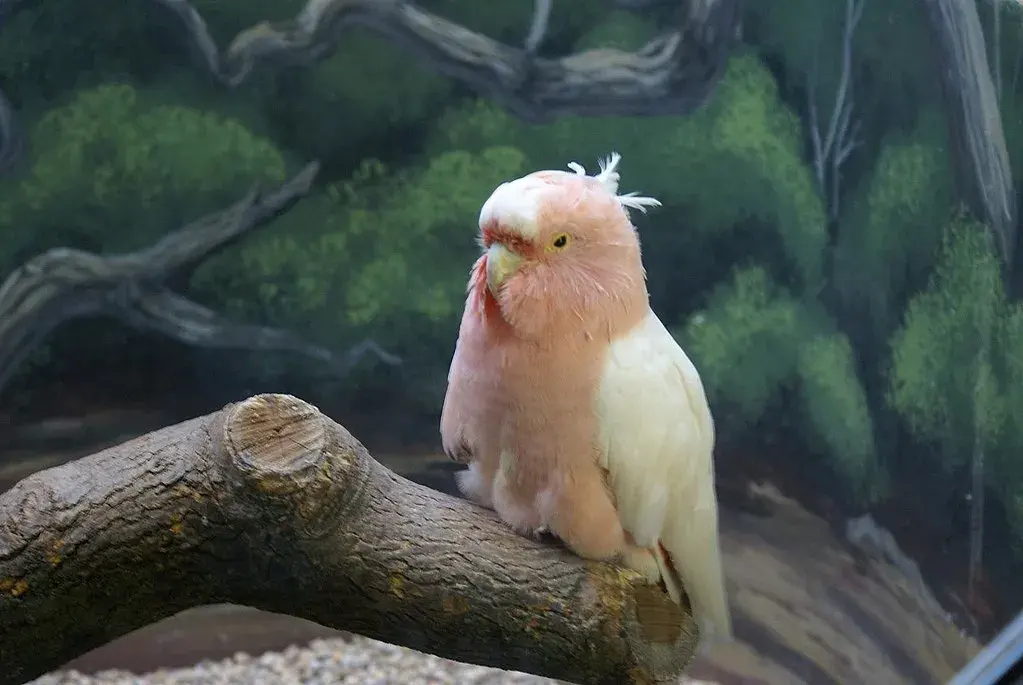
Common mistakes when identifying parrot habitats
A frequent error is assuming that all parrots require the same type of environment. People often mistakenly believe that every parrot species needs a humid, jungle-like setting to survive. This misconception ignores the existence of species like the Australian Budgerigar, which is perfectly adapted to the harsh, arid interior of the Australian outback. These birds are nomadic, moving across vast distances in search of ephemeral water sources and seeds, proving that parrots are not strictly tied to lush, green forests.
Another mistake is failing to account for seasonal migration or movement patterns. Many parrots are not strictly sedentary; they move based on the fruiting cycles of specific trees. If a researcher or birdwatcher visits a location during the "off-season" when trees are not producing fruit, they might incorrectly conclude that the area is not suitable parrot habitat. Understanding the phenology of the local flora is essential for accurately mapping where these birds live throughout the year.
How to support wild parrot populations
Supporting wild parrot populations requires a focus on habitat preservation rather than individual intervention. The most effective way to help is to protect the mature trees that provide nesting hollows, as these take decades or even centuries to form. Deforestation remains the single greatest threat to parrot survival, as it fragments the landscape and isolates breeding pairs. By supporting organizations that focus on land conservation and sustainable forestry, you help maintain the corridors necessary for parrots to forage and migrate safely.
If you are interested in observing parrots in their natural environment, follow these practical guidelines:
- Maintain a respectful distance to avoid causing stress or forcing the birds to abandon their nests.
- Never feed wild parrots, as this can lead to dependency on humans and the spread of disease.
- Keep noise to a minimum to allow the birds to communicate naturally within their flock.
- Report sightings to local biological databases to help scientists track population shifts and habitat usage.
- Avoid purchasing products made from illegally harvested tropical timber, which directly destroys the ecosystems where these birds live.
Key facts
- Parrots are primarily found in tropical and subtropical regions across the Southern Hemisphere, including South America, Africa, Asia, and Australia.
- Most wild parrot species inhabit dense rainforests, though some, like the Australian budgerigar, thrive in arid grasslands and desert scrub.
- The Kea of New Zealand is a unique outlier, as it is the world's only alpine parrot, living in high-altitude mountain environments.
- Parrots are not native to Europe or North America, though feral populations of species like the monk parakeet have established themselves in some urban areas.
- When keeping parrots as pets, ensure their enclosure mimics their natural habitat by providing vertical space and varied perching materials.
- Avoid placing a pet parrot's cage in a drafty location or direct sunlight, as these environments do not reflect the stable, sheltered conditions of their native canopy homes.
The bottom line
Parrots are a diverse group of birds primarily concentrated in the tropical and subtropical regions of the Southern Hemisphere. While most species inhabit lush rainforests, their adaptability has allowed them to occupy environments ranging from arid deserts to alpine mountains. Understanding these natural origins is essential for providing proper care, as it highlights the importance of environmental stability, social interaction, and specialized dietary needs for these intelligent animals.
People also ask
Do all parrots live in trees?
While most parrot species are arboreal and spend their lives in the canopy, some species are ground-dwellers. For example, the ground parrot and the kakapo of New Zealand forage and nest primarily on the forest floor.
Why are parrots found in so many different countries?
Parrots have successfully adapted to diverse climates over millions of years, ranging from humid jungles to rocky cliffs. Their ability to fly long distances and consume a wide variety of seeds, fruits, and nectar has allowed them to colonize many distinct ecosystems.
Can parrots survive in cold climates?
Most parrot species are biologically adapted to warm or temperate climates and cannot survive freezing temperatures in the wild. The Kea is a notable exception, possessing thick plumage and specialized behaviors to withstand the cold of New Zealand’s Southern Alps.
How do parrots choose where to nest?
Most parrots are cavity nesters, meaning they seek out hollows in trees, cliff crevices, or even termite mounds to lay their eggs. They rarely build traditional stick nests like other birds, preferring the safety and insulation of enclosed spaces.
Are parrots endangered in their natural habitats?
Many parrot species are currently threatened due to habitat loss, deforestation, and illegal wildlife trade. Conservation efforts focus on protecting nesting sites and restoring the tropical forests that serve as their primary homes.
Can I release a pet parrot into the wild if I can no longer care for it?
Never release a captive parrot into the wild, as it will likely lack the survival skills needed to find food or avoid predators. Instead, contact a local bird rescue organization or an avian veterinarian to find a safe, professional rehoming solution.
This answer was created with the help of AI research tools and reference sources. Spotted an error? Let us know — we correct mistakes quickly. See our editorial policy.