Where do axolotls live?
Short answer
Axolotls are endemic to a single high-altitude lake complex in Mexico: the Lake Xochimilco system near Mexico City. While they are popular in laboratories and as exotic pets worldwide, they are critically endangered in their natural habitat due to urbanization, water pollution, and the introduction of invasive fish species.
On this page
Where do axolotls live in the wild?
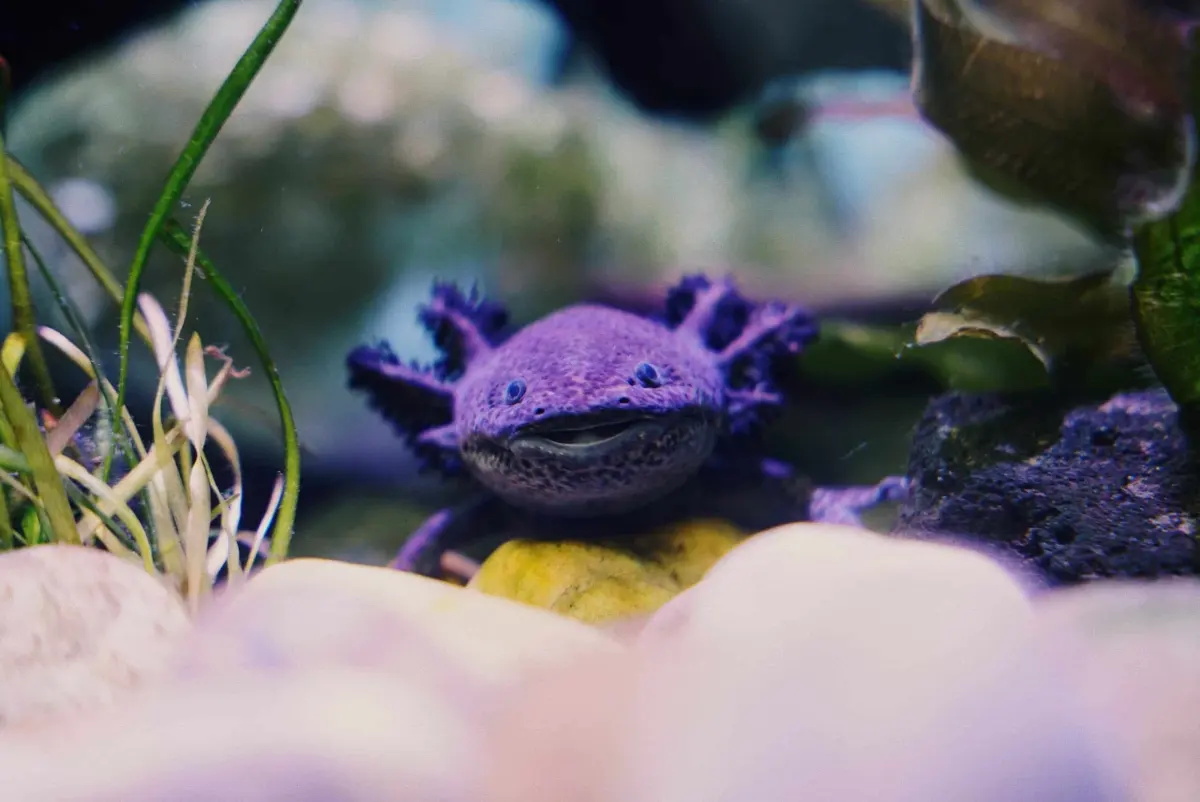
In the wild, axolotls (Ambystoma mexicanum) are restricted to the remnants of Lake Xochimilco and Lake Chalco in the Valley of Mexico. Historically, these lakes formed a vast, interconnected wetland system, but centuries of drainage projects and urban expansion have reduced them to a network of narrow, murky canals. The water in these canals is typically cool, ranging from 15 to 20 degrees Celsius, and is rich in aquatic vegetation that provides essential cover for the amphibians.
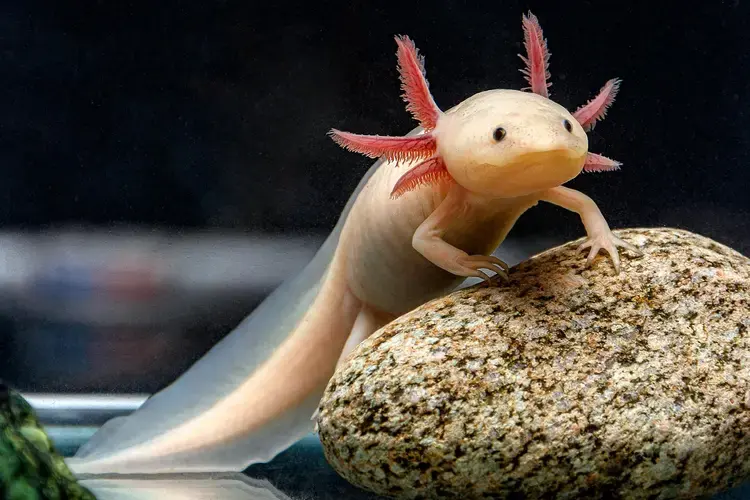
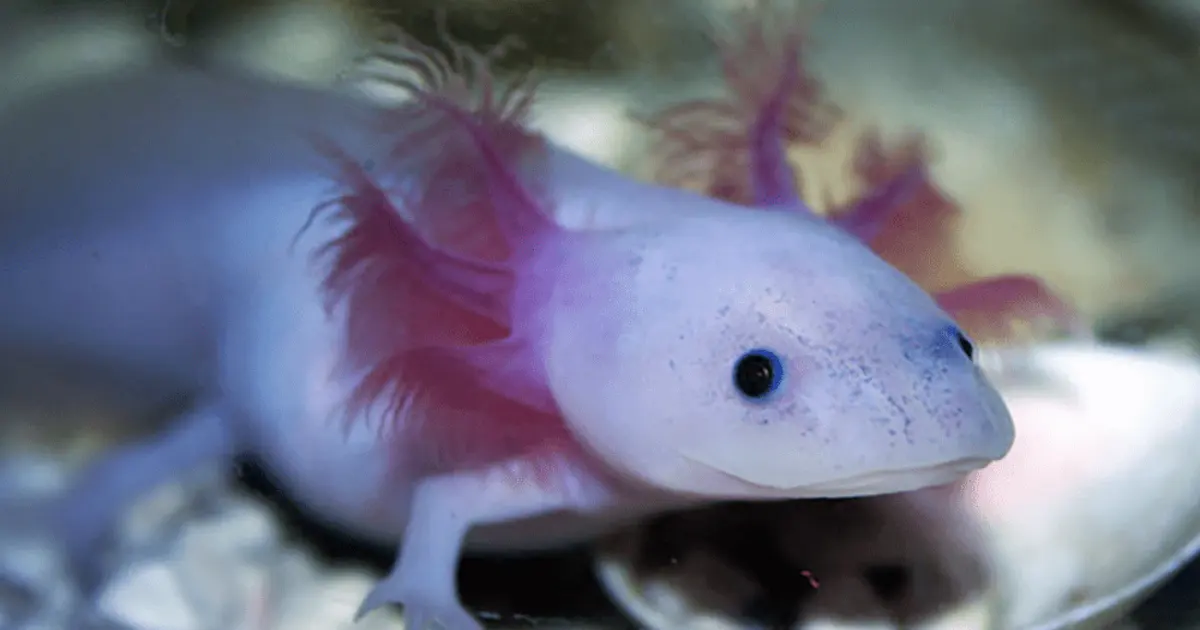
Because they are neotenic, axolotls remain aquatic throughout their entire lives, never undergoing metamorphosis to live on land. They rely on the specific chemical composition and temperature of these high-altitude waters to survive. Unfortunately, the degradation of this environment has led to a catastrophic decline in their wild population. Today, they are rarely seen in the wild, and their existence is largely sustained by captive breeding programs and conservation efforts aimed at restoring the canal ecosystem.
How to identify suitable axolotl habitats?
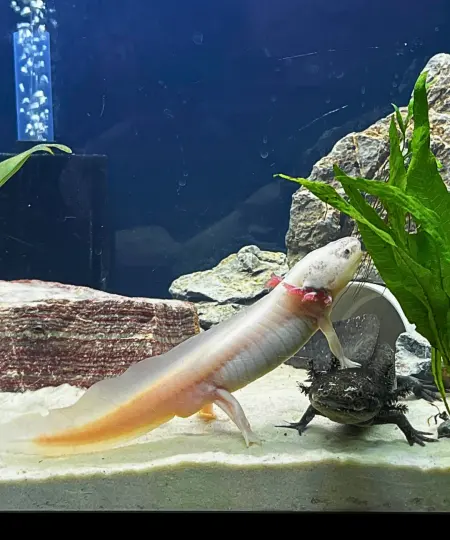
If you are considering keeping an axolotl, you must replicate the conditions of their native environment with precision. The primary requirement is a stable, cool aquatic environment that mimics the slow-moving, vegetated canals of Xochimilco. Axolotls are sensitive to water quality, particularly the presence of chlorine, heavy metals, and high nitrate levels, which can cause severe stress or death.
To create a suitable habitat, you should focus on these critical parameters:
- Tank size: A minimum of 20 gallons for a single adult to allow for waste dilution.
- Temperature: Maintain water between 16 and 18 degrees Celsius; temperatures above 24 degrees Celsius are often fatal.
- Filtration: Use a low-flow filter, as strong currents cause significant stress to the animal.
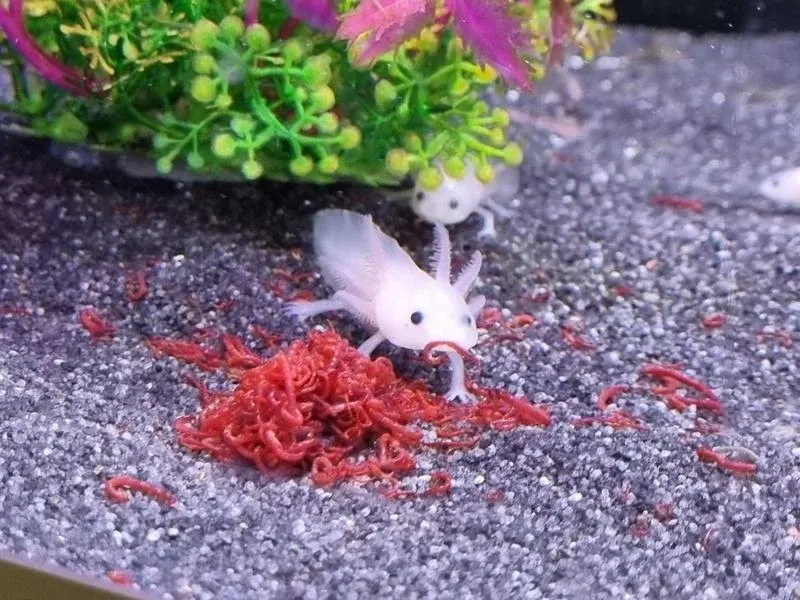
- Substrate: Use fine sand or bare glass; avoid gravel, which axolotls may ingest and choke on.
Why are axolotls endangered in their native range?
The decline of the axolotl is primarily driven by the transformation of their natural habitat into an urban landscape. As Mexico City expanded, the canal systems were polluted with sewage, agricultural runoff, and industrial waste. This pollution alters the pH and oxygen levels of the water, making it difficult for the axolotls to breathe through their external gills. Furthermore, the loss of native aquatic plants has removed the necessary spawning grounds for the species.
The situation was further complicated by the introduction of invasive species in the 1970s and 1980s. Tilapia and carp were introduced to the canals to provide a food source for local human populations. These fish prey on axolotl eggs and juveniles, effectively preventing the population from recovering. Conservationists are now working to build "refuges"—sections of the canal that are filtered and protected from invasive fish—to provide a safe haven for the remaining wild axolotls to breed.
Common mistakes when caring for axolotls
Many new owners struggle because they treat axolotls like standard tropical fish. One of the most common errors is failing to cycle the aquarium properly before introducing the animal. An uncycled tank leads to ammonia spikes, which cause "ammonia burns" on the axolotl's delicate skin and gills. Another frequent mistake is providing improper lighting; axolotls are nocturnal and lack eyelids, meaning bright, constant light causes them significant discomfort and stress.
Follow these steps to avoid common husbandry failures:
- Test your water weekly for ammonia, nitrites, and nitrates using a liquid test kit.
- Perform partial water changes of 20% every week to keep waste levels low.
- Provide plenty of hiding spots, such as caves or large PVC pipes, to give the animal a sense of security.
- Feed them a varied diet of earthworms or high-quality sinking pellets, avoiding live feeder fish that may carry parasites.
How do researchers study wild axolotl populations?
Scientists monitor the remaining wild population through a combination of manual counting and environmental DNA (eDNA) sampling. Because the canals are murky and the axolotls are masters of camouflage, traditional visual surveys often underestimate the number of individuals present. By collecting water samples and analyzing them for genetic traces shed by the axolotls, researchers can confirm their presence in areas where they have not been spotted for years.
These studies are vital for informing conservation strategies, such as the "chinampa" restoration project. Chinampas are traditional floating gardens that naturally filter water and provide the necessary habitat for axolotls to thrive. By encouraging local farmers to return to these traditional agricultural methods, conservationists hope to improve water quality and expand the available living space for the species. Through these integrated efforts, the goal is to stabilize the population and eventually reintroduce captive-bred individuals into the wild to ensure the long-term survival of this unique amphibian.
Key facts
- Axolotls are endemic to the Lake Xochimilco complex near Mexico City, Mexico.
- They live exclusively in high-altitude freshwater canals and lagoons.
- Wild axolotls require cool water temperatures between 14 and 20 degrees Celsius.
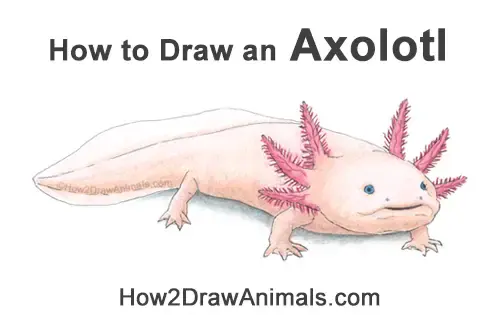
- They are neotenic, meaning they retain their larval features like gills throughout their entire lives.
- Urban development and water pollution have severely reduced their natural habitat range.
- Never release a pet axolotl into the wild, as they can introduce diseases or outcompete native populations.
The bottom line
Axolotls are unique, critically endangered amphibians native only to the canal systems of Lake Xochimilco in Mexico. Because they are fully aquatic and require specific cool, clean water conditions, they cannot survive in the wild outside of their narrow geographic range. While they are popular in the pet trade, their long-term survival depends on the conservation of their fragile, polluted natural ecosystem in Mexico City.
People also ask
Can axolotls live in the ocean?
No, axolotls are strictly freshwater animals. Saltwater will cause them severe distress and is fatal to them.
Do axolotls live in fish tanks?
Yes, many are kept in captivity, but they require a minimum of a 20-gallon long tank. They need specialized filtration and stable water parameters to survive.
Are axolotls extinct in the wild?
They are considered critically endangered in the wild. While they are common in laboratories and as pets, their natural population has plummeted due to habitat loss.
What do axolotls eat in their natural habitat?
They are carnivores that feed on small fish, insects, worms, and crustaceans. In the wild, they hunt by using suction to pull prey into their mouths.
Can axolotls live on land?
Unlike most salamanders, axolotls do not undergo metamorphosis to live on land. They remain fully aquatic and will die if kept out of water for extended periods.
How long do axolotls live?
In captivity with proper care, they typically live between 10 and 15 years. Their lifespan in the wild is often shorter due to predators and environmental degradation.
Read the full answer →This answer was created with the help of AI research tools and reference sources. Spotted an error? Let us know — we correct mistakes quickly. See our editorial policy.