How long do alpacas live?
Short answer
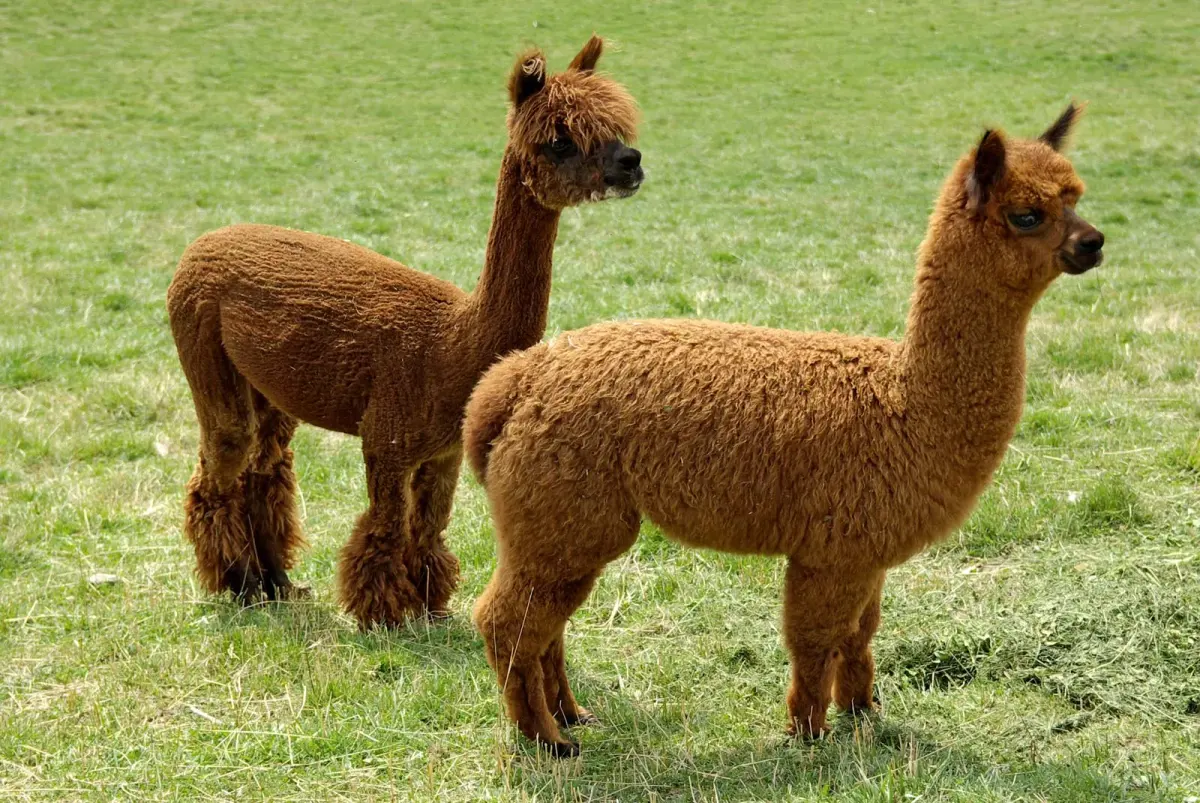
Alpacas typically live between 15 and 20 years. While some individuals may reach their mid-twenties with exceptional care, the average lifespan in a healthy herd environment is roughly 18 years. Factors such as genetics, nutrition, parasite management, and protection from extreme weather play critical roles in determining an individual alpaca's longevity.
On this page
How long do alpacas live on average?
The typical lifespan of an alpaca ranges from 15 to 20 years, though this can vary significantly based on environmental conditions and management practices. In their native Andean highlands, alpacas are hardy animals adapted to harsh climates, but in domestic settings, they rely entirely on human intervention for health maintenance. Most owners consider an alpaca to be in its senior years once it reaches 12 to 14, at which point specialized care becomes essential to ensure continued quality of life.
Several biological factors influence these numbers, including the animal's dental health and overall constitution. Because alpacas are prey animals, they are experts at masking illness, which can sometimes lead to undiagnosed conditions that shorten their lifespan. Consistent monitoring by a veterinarian is the most effective way to ensure an alpaca reaches the upper end of its natural life expectancy. By tracking weight and behavior, owners can intervene early when health issues arise.
What factors affect alpaca lifespan?
The longevity of an alpaca is heavily dictated by its environment and the quality of its daily care. Nutrition is perhaps the most significant variable, as alpacas require a diet balanced in protein, fiber, and essential minerals to maintain immune function. Poor nutrition often leads to weakened resistance against common ailments, which can be fatal if left untreated. Furthermore, the climate plays a role; alpacas are susceptible to heat stress, which can cause organ damage or death if not managed during peak summer months.
Parasite control is another critical factor in determining how long an alpaca lives. Because they graze close to the ground, they are highly prone to internal parasites like meningeal worm or barber pole worm. A proactive approach to herd health is necessary to prevent these infestations from becoming chronic. Key elements of a longevity-focused health plan include:
- Regular fecal testing to monitor parasite loads.
- Annual vaccinations for clostridial diseases and rabies.
- Routine dental exams to prevent tooth root abscesses.
- Access to clean, fresh water and high-quality grass hay.
How to care for senior alpacas?
As alpacas age, their metabolic needs change, often requiring a transition to softer, more nutrient-dense feed. Older alpacas may struggle to maintain body condition during winter, making supplemental feeding necessary. It is important to separate older animals from younger, more aggressive herd members during feeding times to ensure they receive their full ration without competition. Providing a dry, draft-free shelter is also vital for protecting aging joints from the cold.
Monitoring the dental health of senior alpacas is a non-negotiable aspect of their care. As they age, their teeth may become loose or wear down unevenly, making it difficult to chew forage effectively. If an alpaca begins to drop "wads" of partially chewed grass, it is a sign that they are struggling to process their food. Owners should take the following steps to support their aging animals:
- Schedule biannual veterinary dental checkups.
- Provide soaked beet pulp or senior-specific pellets to supplement forage.
- Ensure the pasture is free of steep inclines that could strain arthritic limbs.
- Keep a close watch for signs of weight loss or lethargy.
Common mistakes when raising alpacas?
One of the most frequent errors owners make is failing to recognize the signs of heat stress early. Alpacas have thick fleece and lack the ability to sweat efficiently, meaning they can overheat rapidly in humid or high-temperature conditions. Another common mistake is ignoring the importance of herd dynamics. Alpacas are highly social animals that suffer from extreme stress when kept in isolation, which can weaken their immune system and lead to a shorter life.
Over-supplementation is another pitfall that can lead to long-term health complications. While it is tempting to provide extra grain to ensure an animal is "doing well," excessive calories can lead to obesity, which puts undue strain on the heart and joints. Owners should always consult with a local veterinarian to develop a feeding program tailored to their specific pasture quality and the age of their animals. Avoiding these mistakes ensures that the alpaca remains healthy and comfortable throughout its life.
Why do alpacas die prematurely?
Premature death in alpacas is often the result of preventable health crises, such as severe parasite infestations or ingestion of toxic plants. Because they are curious grazers, alpacas may consume ornamental plants in a backyard setting that are poisonous to camelids, such as rhododendrons or azaleas. Ensuring that the grazing area is free of toxic vegetation is a fundamental responsibility of the owner. Additionally, predator attacks remain a threat in many regions, necessitating secure fencing and, in some cases, the use of livestock guardian dogs.
Ultimately, the goal of an alpaca owner should be to provide a low-stress environment that mimics their natural social structure. When alpacas are kept in clean, spacious pastures with adequate shelter and consistent veterinary oversight, they are far more likely to live a full, productive life. By paying attention to subtle changes in behavior and maintaining a rigorous health schedule, owners can help their alpacas navigate the challenges of aging successfully. Through dedication and proper management, these animals can remain vibrant members of the farm for many years.
Key facts
- Alpacas typically live between 15 and 20 years, though some individuals can reach 25 years with excellent care.
- Proper nutrition, including high-quality grass hay and specialized alpaca pellets, is the most significant factor in longevity.
- Regular shearing is essential to prevent heat stress, which is a leading cause of premature death in warmer climates.
- Alpacas are herd animals and require at least one companion to remain healthy and avoid stress-related illnesses.
- Annual vaccinations and routine parasite control, specifically for meningeal worms, are critical for maintaining a long lifespan.
- Dental health is vital; as alpacas age, they may struggle to grind food, requiring owners to monitor weight and tooth wear closely.
The bottom line
Alpacas are long-lived animals that thrive when provided with consistent herd companionship, appropriate nutrition, and proactive veterinary care. By focusing on parasite management, dental health, and protection from extreme weather, owners can ensure their animals live comfortable lives reaching up to two decades. Regular observation is the most effective tool for early intervention, allowing you to address health challenges before they become life-threatening complications.
People also ask
At what age do alpacas stop producing offspring
Female alpacas, known as dams, typically remain fertile until they are 12 to 15 years old. While some may conceive later, the risk of complications increases significantly as they approach the end of their reproductive lifespan.
How can I tell if my alpaca is suffering from heat stress?
Signs include lethargy, open-mouth breathing, drooling, and a reluctance to stand up. If you notice these symptoms, move the animal to a shaded area, provide cool water, and apply cold water to their legs or belly before calling a veterinarian.
Do alpacas require special shelter during the winter?
While they are hardy animals, alpacas need a three-sided shelter to protect them from wind and precipitation. Ensure the interior remains dry, as damp conditions can lead to respiratory issues and fleece damage.
What are the most common health threats to alpacas?
Parasites, such as barber pole worms, and meningeal worm infections from white-tailed deer are common dangers. Regular fecal testing and a proactive deworming schedule developed by a veterinarian are essential for prevention.
How much space do alpacas need to live comfortably?
A general rule of thumb is to provide at least one acre of land for every five to ten alpacas. This helps manage parasite loads in the pasture and ensures there is enough forage for the herd.
Is it difficult to provide medical care for an alpaca?
Alpacas are stoic animals that often hide signs of illness until they are quite sick. Owners should learn to conduct basic health checks, such as monitoring body condition scores and checking gum color, to identify potential issues early.
This answer was created with the help of AI research tools and reference sources. Spotted an error? Let us know — we correct mistakes quickly. See our editorial policy.