How do you make chili?
Short answer
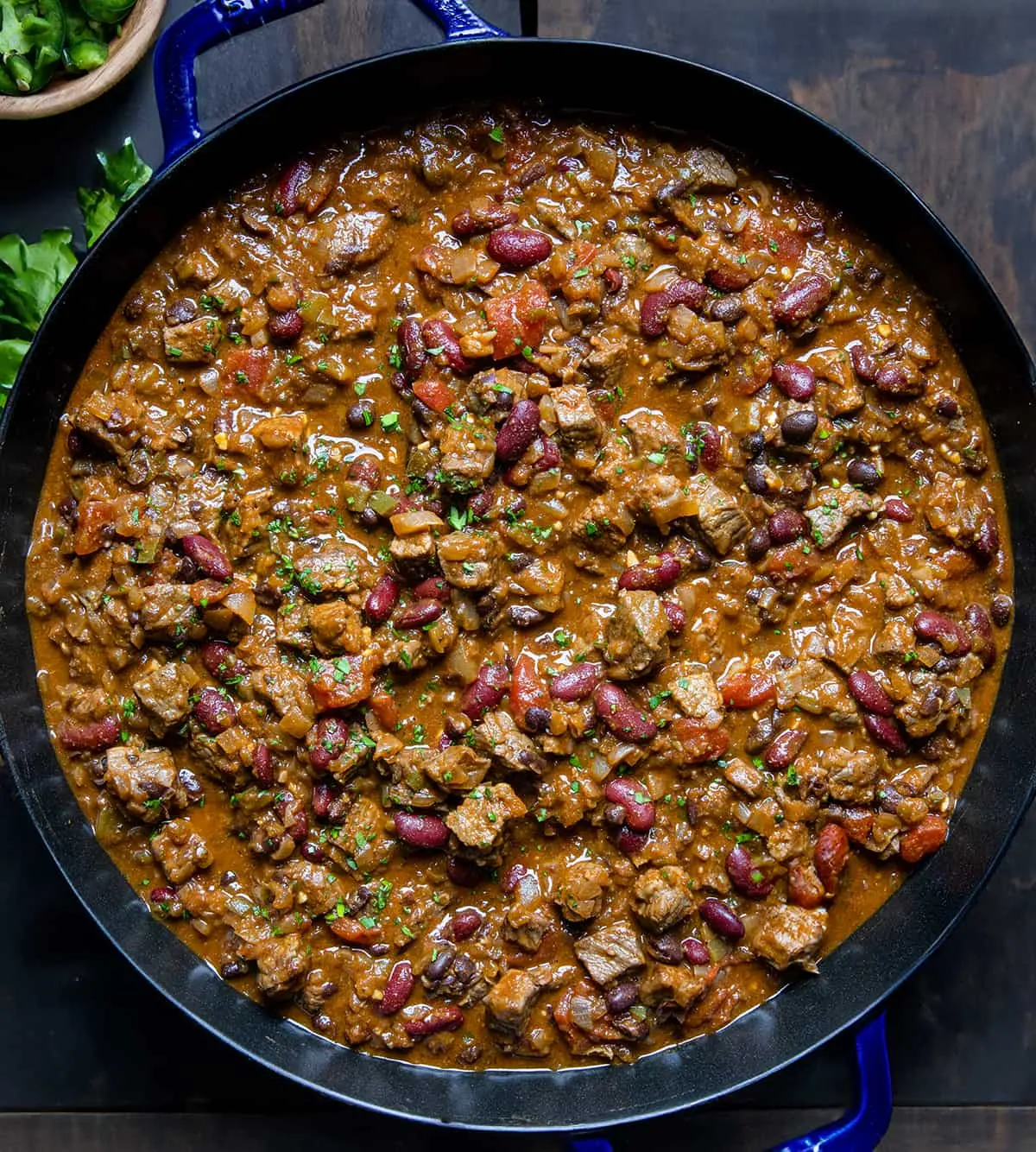
Making chili involves browning ground meat with onions and garlic, then simmering it with beans, tomatoes, chili powder, and broth. The process requires layering flavors through gradual reduction. By balancing acidity, heat, and savory elements, you create a hearty, thick stew that improves in flavor when allowed to rest before serving.
On this page
How to prepare the base of a chili
The foundation of any great chili begins with building a robust aromatic base. Start by heating a heavy-bottomed pot or Dutch oven over medium-high heat. Add your choice of ground beef, turkey, or a plant-based alternative, breaking it apart with a wooden spoon until it is thoroughly browned. Once the meat is cooked, drain excess fat, leaving just enough to sauté your aromatics.
Add finely diced yellow onions, bell peppers, and minced garlic to the pot. Sauté these vegetables until they are soft and translucent, which usually takes about five to seven minutes. This step is crucial because it caramelizes the natural sugars in the vegetables, providing a sweet contrast to the spicy chili powder. If you prefer a smoky depth, you can also add a tablespoon of tomato paste at this stage, cooking it for two minutes until it darkens slightly.
What ingredients are essential for authentic chili
While regional variations exist, most classic chili recipes rely on a specific harmony of spices and liquids. Chili powder is the primary flavoring agent, but it is often a blend of dried chilies, cumin, oregano, and garlic powder. Using high-quality, fresh spices makes a significant difference in the final potency and aroma of your dish.
- Ground meat or protein source.
- Diced tomatoes (canned or fresh).
- Kidney, black, or pinto beans.
- Chili powder, cumin, and smoked paprika.
- Beef, vegetable, or chicken broth.
- Salt and black pepper to taste.
The liquid component should be enough to cover the ingredients without turning the dish into a soup. Beef broth provides a savory richness, while crushed tomatoes add body and a necessary acidic brightness. If you enjoy a thicker consistency, you can mash a small portion of the beans against the side of the pot during the final stages of cooking.
How long does it take to cook chili
Patience is the most important ingredient when cooking chili. While the initial preparation takes about 20 minutes, the simmering process requires a minimum of 45 minutes to one hour. This extended cooking time allows the flavors to meld together and the meat to become tender. If you have the time, letting the chili simmer on low heat for two to three hours will yield an even more complex flavor profile.
- Keep the pot covered for the first 30 minutes to retain moisture.
- Remove the lid for the final 30 minutes to allow the liquid to reduce and thicken.
- Stir occasionally to prevent the bottom from scorching.
- Taste the chili periodically to adjust seasoning as the liquid reduces.
If the chili becomes too thick before the flavors have fully developed, add a small splash of water or broth. Conversely, if it is too thin, continue simmering uncovered until it reaches your desired consistency. Always finish with a pinch of salt or a dash of lime juice to brighten the final product.

Common mistakes when making chili
One of the most frequent errors is adding too much liquid at the beginning, which results in a watery stew rather than a thick, hearty chili. It is always easier to add more liquid later than to try and thicken a large batch of diluted sauce. Another common mistake is failing to toast the spices; adding your chili powder and cumin to the hot fat for 30 seconds before adding liquids releases essential oils that significantly boost flavor.
Many cooks also neglect the importance of seasoning throughout the process. Instead of adding all the salt at the very end, season the meat as it browns and the vegetables as they soften. This ensures the flavor penetrates every layer of the dish. Finally, avoid using beans that are too soft or mushy; add canned beans only during the last 20 minutes of simmering so they maintain their texture and do not disintegrate into the sauce.
Best ways to serve and store chili
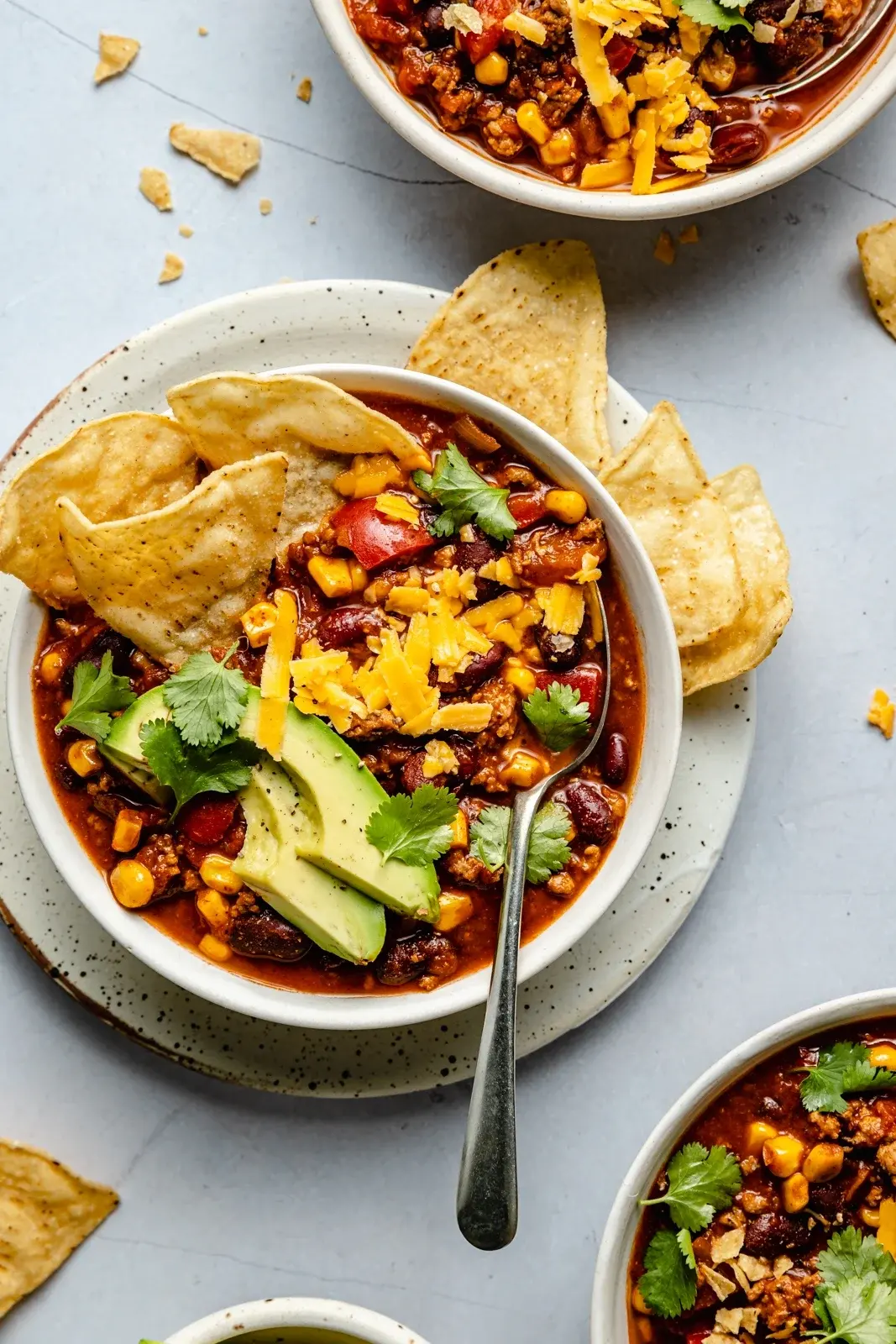
Chili is a versatile dish that benefits greatly from thoughtful toppings. These additions provide a contrast in temperature and texture, elevating a simple bowl of stew into a complete meal. Popular choices include shredded cheddar cheese, a dollop of sour cream, sliced scallions, or fresh cilantro. For added crunch, serve your chili with corn chips or warm cornbread on the side.
Storing chili is simple, and many enthusiasts argue that it tastes even better the next day. Allow the chili to cool completely before transferring it to an airtight container. It will stay fresh in the refrigerator for up to four days. If you plan to keep it longer, chili freezes exceptionally well. Portion it into freezer-safe bags or containers, leaving a little room for expansion, and store it for up to three months. When reheating, do so slowly on the stovetop over low heat, adding a splash of water if the sauce has thickened too much during storage.
Key facts
- Chili con carne originated in the American Southwest, likely Texas, in the late 19th century.
- The dish traditionally relies on a base of dried chili peppers, meat, and spices rather than a tomato-heavy sauce.
- Searing the meat in batches before simmering ensures deep flavor development through the Maillard reaction.
- Adding a small amount of dark chocolate or coffee can enhance the complexity and richness of the chili.
- Chili should be simmered low and slow for at least 90 minutes to allow the connective tissues in the meat to break down.
- Resting the finished chili for several hours or overnight allows the flavors to meld and improves the overall texture.
The bottom line
Making a great bowl of chili requires patience and attention to the building blocks of flavor. By searing your meat properly, using high-quality dried peppers, and allowing the ingredients to simmer until tender, you create a robust, complex meal. Avoid rushing the process, as the resting period is essential for the spices to fully integrate. With these techniques, you can master this iconic, versatile comfort food.
People also ask
Should I add beans to my chili?
Whether to include beans is a point of intense culinary debate, particularly in Texas where "authentic" chili often excludes them. Adding beans like kidney, pinto, or black beans adds fiber and texture, making the dish more filling and economical.
What is the best cut of meat for chili?
Chuck roast is the gold standard because its high fat and collagen content keeps the meat tender during long simmering. Avoid lean ground beef, which can become dry and grainy, or use a mix of ground beef and cubed chuck for varied texture.
How can I thicken my chili without flour?
You can thicken chili by mashing some of the cooked beans against the side of the pot or by simmering the liquid uncovered to reduce it. Alternatively, adding a small amount of masa harina—corn flour—provides a traditional, slightly nutty thickening agent.
Why does my chili taste bitter?
Bitterness often results from using burnt spices or low-quality chili powder that contains stale ingredients. Ensure you toast your spices briefly in fat before adding liquids, and always check that your chili powder is fresh and aromatic.
Can I make chili in a slow cooker?
Yes, a slow cooker is excellent for chili because it maintains a steady, low temperature that tenderizes tough cuts of meat. Brown the meat in a skillet first to build flavor, then transfer everything to the slow cooker for six to eight hours on low.
How do I adjust the heat level if it is too spicy?
If the chili is too hot, stir in a small amount of dairy like sour cream or shredded cheese to neutralize the capsaicin. You can also add a touch of sweetness, such as brown sugar or honey, to balance the intense heat of the peppers.
This answer was created with the help of AI research tools and reference sources. Spotted an error? Let us know — we correct mistakes quickly. See our editorial policy.