How do you make salsa?
Short answer
Making fresh salsa involves combining chopped tomatoes, onions, chili peppers, cilantro, lime juice, and salt. You can create either a raw, chunky pico de gallo or a cooked, blended salsa roja. The process requires balancing acidity, heat, and salt to enhance the natural flavors of the high-quality, ripe produce you select.
On this page
How to choose the best ingredients for salsa
The foundation of great salsa is the quality of your produce. For a classic red salsa, choose Roma or plum tomatoes because they have less water and more flesh, which prevents the final product from becoming overly soupy. Ensure your tomatoes are firm but ripe; if they are under-ripe, the salsa will lack the necessary natural sweetness to balance the acidity of the lime.
When selecting peppers, consider your tolerance for heat. Jalapeños are the standard choice, offering a moderate kick, while serrano peppers provide a sharper, more intense heat. For a milder profile, remove the seeds and the white inner membranes, as these parts contain the highest concentration of capsaicin. Always look for fresh, vibrant cilantro with crisp stems, as wilted herbs will significantly diminish the brightness of the finished dish.
How to prepare salsa step by step
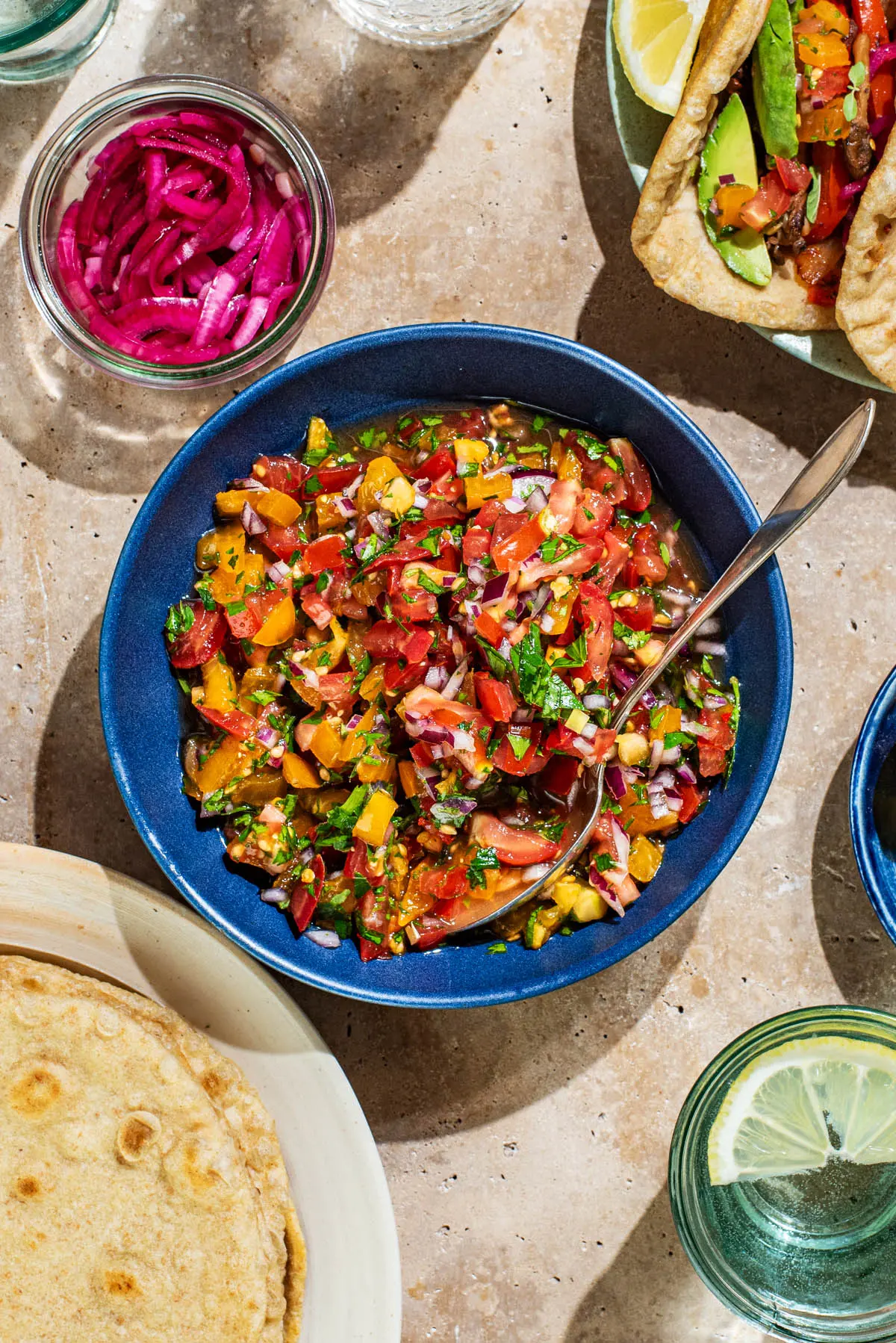
Creating a balanced salsa is a simple process that relies on precise preparation techniques. Whether you are making a raw or cooked version, the uniform size of your ingredients is crucial for a consistent texture. Follow these steps to prepare a standard fresh salsa:
- Dice four large tomatoes into small, uniform cubes and place them in a mixing bowl.
- Finely mince one-half of a white onion and one or two jalapeño peppers.
- Chop a generous half-cup of fresh cilantro leaves.
- Combine all ingredients in the bowl and stir gently to distribute the flavors.
- Add the juice of one lime and a half-teaspoon of kosher salt, adjusting to your preference.
Once mixed, let the salsa sit for at least 15 minutes before serving. This resting period allows the salt to draw out the juices from the tomatoes and melds the spicy, acidic, and savory elements into a cohesive flavor profile.
Why salsa flavors change over time
The chemistry of salsa continues to evolve even after you have finished mixing the ingredients. When you add salt to chopped vegetables, osmosis occurs, drawing liquid out of the tomato cells. This process creates a natural brine that seasons the onions and peppers, softening their sharp edges and creating a more harmonious blend. If you serve the salsa immediately, the flavors will taste distinct and separate, whereas waiting allows them to marry.
However, this process also means that salsa has a limited peak window. After several hours in the refrigerator, the tomatoes will continue to release moisture, potentially diluting the intensity of the lime and salt. Furthermore, the cilantro may begin to lose its vibrant color and fresh aroma. To maintain the best quality, consume fresh salsa within 24 to 48 hours of preparation. If you need to store it longer, consider a cooked salsa roja, which utilizes roasted ingredients to create a more stable, longer-lasting sauce.
Common mistakes when making salsa
One of the most frequent errors is failing to season the salsa adequately. Because tomatoes are acidic and mild, they require a surprising amount of salt to "pop." If your salsa tastes flat or bland, it is almost certainly under-salted. Add salt in small increments, tasting after each addition, until the flavors of the peppers and cilantro become vibrant and distinct.
Another common mistake is using a food processor for a recipe meant to be chunky. While a processor is efficient, it often pulverizes the vegetables into a watery puree rather than a textured salsa. If you must use a machine, use the pulse button sparingly to maintain some structural integrity. Additionally, avoid using bottled lime juice, which often contains preservatives that impart a metallic or artificial aftertaste. Always use fresh-squeezed lime juice to ensure the acidity is clean and bright, which is essential for cutting through the richness of any accompanying dishes like tacos or chips.
How to customize your own salsa recipes
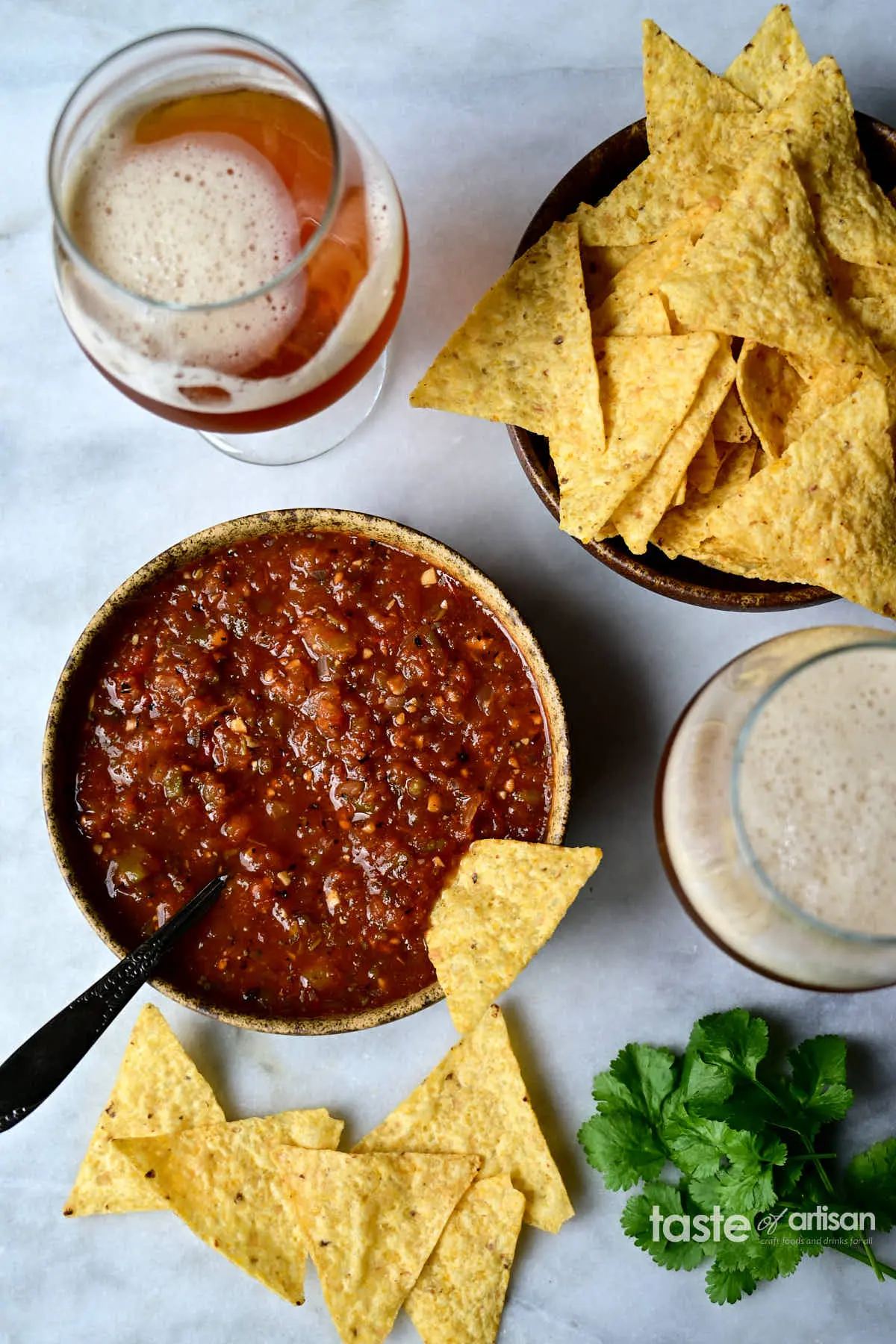
Once you master the basic technique, you can experiment with various flavor profiles to suit your personal palate. You can introduce sweetness by adding diced mango, pineapple, or peaches, which pairs exceptionally well with the heat of habanero peppers. For a deeper, smokier flavor, roast your tomatoes, onions, and peppers under a broiler until the skins are charred before chopping or blending them. This technique, known as salsa tatemada, adds a complex depth that raw salsa lacks.
Consider these variations to elevate your next batch:
- Add roasted garlic cloves for a savory, mellow undertone.
- Incorporate black beans or corn for a heartier, more substantial dip.
- Use different chili varieties like dried guajillo or chipotle for earthy, complex heat.
- Sprinkle in toasted cumin or smoked paprika to add a warm, aromatic finish.
By adjusting the ratios of acid, heat, and aromatics, you can transform a simple condiment into a signature dish that complements a wide variety of meals. Always taste as you go, as the heat level of individual peppers can vary significantly between batches.
Key facts
- Salsa translates literally to "sauce" in Spanish and has roots in the culinary traditions of the Aztecs, Mayans, and Incas.
- For a classic salsa fresca, use a ratio of two parts tomato to one part onion, cilantro, and chili pepper.
- Always remove the seeds and white membranes (placenta) from jalapeños if you want to reduce the heat level of your salsa.
- Adding a splash of lime juice or vinegar helps preserve the vibrant color of the vegetables and balances the acidity.
- Salt is the most important flavor enhancer; add it gradually and taste your salsa after each addition to avoid over-seasoning.
- Let your salsa sit in the refrigerator for at least 30 minutes before serving to allow the flavors to meld together.
The bottom line
Making excellent salsa is a simple process of balancing acidity, heat, and texture. By selecting fresh, high-quality ingredients and carefully managing the salt and lime levels, you can create a vibrant condiment that elevates any meal. Whether you prefer the bright crunch of a raw pico de gallo or the smoky depth of a roasted salsa, the secret lies in letting the ingredients rest before serving.
People also ask
What is the difference between salsa roja and salsa verde?
Salsa roja is made with red tomatoes, while salsa verde is made with tart, green tomatillos. Tomatillos are wrapped in a papery husk and provide a more acidic, citrus-like flavor profile compared to the sweetness of red tomatoes.
Should I roast my vegetables before making salsa?
Roasting vegetables like tomatoes, onions, and garlic adds a deep, smoky complexity to the final product. Raw salsa, or salsa fresca, offers a brighter, crunchier texture that is better suited for lighter dishes.
How long does homemade salsa last in the refrigerator?
Homemade salsa typically stays fresh for three to five days when stored in an airtight glass container. Because it lacks the preservatives found in commercial jars, it should be consumed quickly to maintain its peak flavor and safety.
Why does my salsa become watery after sitting?
Tomatoes release water when exposed to salt, which causes the liquid to pool at the bottom of the bowl. To prevent this, seed your tomatoes before chopping or drain the excess liquid through a fine-mesh sieve.
Which type of onion is best for salsa?
White onions are the standard choice for salsa because they provide a sharp, clean bite that stands up well to spicy peppers. Red onions can be used for a milder, slightly sweeter flavor and a pop of color.
Can I use dried chiles instead of fresh ones?
Yes, dried chiles like ancho, guajillo, or chipotle are excellent for creating rich, complex sauces. You must rehydrate them in hot water for 15 to 20 minutes before blending them into your salsa.
This answer was created with the help of AI research tools and reference sources. Spotted an error? Let us know — we correct mistakes quickly. See our editorial policy.