How do you make pie crust?
Short answer
Making a classic pie crust requires blending cold fat, such as butter or shortening, into flour and salt before adding just enough ice water to form a dough. The key is maintaining cold temperatures throughout the process to ensure the fat creates distinct, flaky layers when baked in a hot oven.
On this page
How to make a classic pie crust
The foundation of a perfect pie crust is the ratio of fat to flour, which typically follows a 3-2-1 rule: three parts flour, two parts fat, and one part water by weight. To begin, whisk together 2.5 cups of all-purpose flour and a teaspoon of salt in a large mixing bowl. Cut one cup of cold, unsalted butter into small cubes and incorporate it into the flour using a pastry cutter or your fingertips. You are looking for a texture that resembles coarse crumbs with some pea-sized pieces of butter remaining. These visible bits of fat are essential because they melt during baking, creating steam pockets that result in a light, flaky texture.
Once the fat is incorporated, drizzle four to eight tablespoons of ice-cold water over the mixture, one tablespoon at a time. Use a fork or a bench scraper to gently toss the dough until it just begins to clump together. Avoid overworking the dough, as this develops gluten and leads to a tough, chewy crust rather than a tender one. Gather the dough into a disk, wrap it tightly in plastic, and refrigerate it for at least one hour. Chilling allows the flour to hydrate fully and keeps the fat solid, which is the secret to a professional-grade crust.
Best ingredients for pie crust beginners
For those new to baking, choosing the right ingredients can significantly simplify the process. All-purpose flour is the standard choice because it contains a moderate amount of protein, providing enough structure to hold the crust together without becoming overly dense. While some bakers prefer pastry flour for a more delicate finish, all-purpose is more forgiving for beginners. When it comes to fat, high-quality unsalted butter provides the best flavor and consistent results. If you find butter difficult to work with, substituting a portion of it with vegetable shortening can make the dough easier to roll out, as shortening has a higher melting point and remains stable at room temperature.
- Use unsalted butter to maintain control over the total salt content of your recipe.
- Ensure your water is truly ice-cold by adding cubes to a measuring cup before starting.
- Keep your workspace and tools cool, perhaps by chilling your rolling pin in the freezer for ten minutes.
- Use a pinch of sugar if you are making a fruit pie, as it promotes browning and adds a subtle sweetness.
How to roll out pie dough
Rolling out dough is often the most intimidating step, but it becomes manageable with the right technique. Start by lightly flouring your work surface and the top of your chilled dough disk. Using a heavy rolling pin, apply even pressure starting from the center and moving outward in all directions. Rotate the dough a quarter turn after every few strokes to ensure it does not stick to the counter. If the edges begin to crack, gently pinch them back together or use a small amount of water to seal the fissures. Aim for a thickness of about one-eighth of an inch, which is standard for most pie recipes.
Once the dough is rolled to the desired diameter, wrap it loosely around your rolling pin to lift it safely into your pie plate. Do not stretch the dough to fit the pan, as this causes it to shrink back significantly while baking. Instead, gently press the dough into the bottom and sides of the dish, leaving an overhang of about an inch. You can trim the excess or fold it under itself to create a decorative edge, such as a crimp or a flute, using your fingers or the tines of a fork.
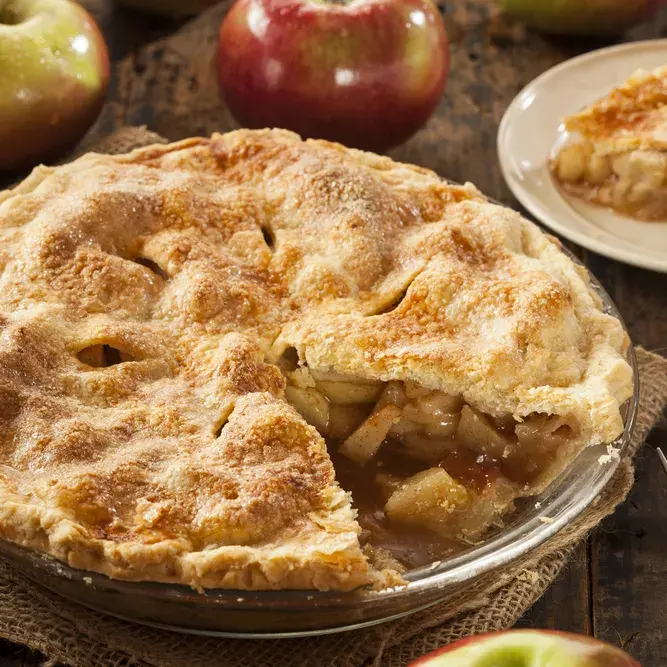
Why pie crust shrinks in the oven
Shrinkage is a common frustration caused by the contraction of gluten strands that were stretched during the rolling process. When dough is rolled too thin or pulled forcefully into the pie dish, the tension causes the crust to pull inward as it bakes. Another common cause is excessive heat; if the fat melts before the crust sets, the structure loses its integrity and slumps. To prevent this, always allow the dough to rest in the refrigerator after it has been shaped in the pie pan. This step relaxes the gluten and ensures the fat is properly chilled before it hits the heat of the oven.
- Chill the shaped crust for at least 30 minutes before filling or baking.
- Use pie weights or dried beans when blind-baking to hold the bottom flat.
- Avoid over-kneading the dough during the mixing stage to keep gluten development at a minimum.
- Ensure your oven is fully preheated to the required temperature before inserting the pie.
Common mistakes when making pie crust
The most frequent error is working with ingredients that are too warm, which results in a greasy, dense crust rather than a flaky one. If the butter melts into the flour during mixing, you lose the layers that create the signature texture. Another mistake is using too much water, which turns the dough into a sticky, heavy mass that is difficult to handle and results in a hard crust. If the dough feels too dry, add water only half a tablespoon at a time. Finally, many bakers skip the chilling process, which is a critical mistake. Refrigeration is not optional; it is the primary method for ensuring the fat stays solid until the exact moment it enters the oven. By following these precise steps and avoiding these common pitfalls, you can consistently produce a high-quality, professional-style pie crust at home.
Key facts
- Keep all ingredients, especially butter and water, as cold as possible to ensure a flaky texture.
- Use a pastry blender or two knives to cut fat into flour until the mixture resembles coarse crumbs.
- Avoid overworking the dough, as this develops gluten and results in a tough, chewy crust.
- Resting the dough in the refrigerator for at least 30 minutes allows the flour to hydrate and the fat to firm up.
- A standard ratio for a classic crust is 3 parts flour to 2 parts fat and 1 part liquid by weight.
- Adding a small amount of vinegar or vodka can inhibit gluten formation, leading to a more tender crust.
The bottom line
Creating a perfect pie crust relies on the fundamental principle of keeping fats solid until they hit the oven. By combining cold butter, flour, and minimal liquid, you create distinct layers that expand during baking. Remember to handle the dough gently, chill it thoroughly before rolling, and avoid overworking the mixture. Mastering these simple techniques ensures a professional, flaky, and delicious base for any sweet or savory pie.
People also ask
Why is my pie crust shrinking after baking?
Shrinkage usually occurs because the dough was stretched when placed in the pan or was not chilled long enough before baking. Always roll the dough larger than the pan and let it relax in the refrigerator to prevent it from pulling back in the heat.
Can I use salted butter instead of unsalted butter?
You can use salted butter, but you should reduce or omit the additional salt called for in your recipe to avoid an overly salty flavor. Unsalted butter is preferred by bakers because it allows for precise control over the total salt content.
What is the purpose of blind baking a pie crust?
Blind baking involves pre-baking the crust without a filling to ensure the bottom stays crisp rather than becoming soggy. This is essential for pies with wet fillings like custard, fruit, or cream that require little to no additional oven time.
How do I fix dough that is too crumbly to roll out?
If the dough is too dry to hold together, add ice water one tablespoon at a time until the mixture just barely clings together when squeezed. Do not add too much liquid, or the crust will become tough and lose its delicate, flaky structure.
Should I use a glass or metal pie pan?
Metal pans are generally superior for pie crusts because they conduct heat efficiently, promoting a crisp, golden-brown bottom. Glass pans take longer to heat up but allow you to visually monitor the color of the bottom crust.
Can I make pie dough in a food processor?
Using a food processor is an excellent way to keep the butter cold while cutting it into the flour quickly. Pulse the machine in short bursts to avoid over-processing, which would melt the fat and ruin the flaky layers.
This answer was created with the help of AI research tools and reference sources. Spotted an error? Let us know — we correct mistakes quickly. See our editorial policy.