How is cotton made?
Short answer
Cotton production begins with planting seeds in warm soil, followed by a maturation period of several months. Once the bolls burst, the fiber is mechanically harvested, cleaned, and ginned to separate lint from seeds. The resulting fibers are then spun into yarn and woven into fabric for global textile manufacturing.
On this page
How is cotton grown and harvested?
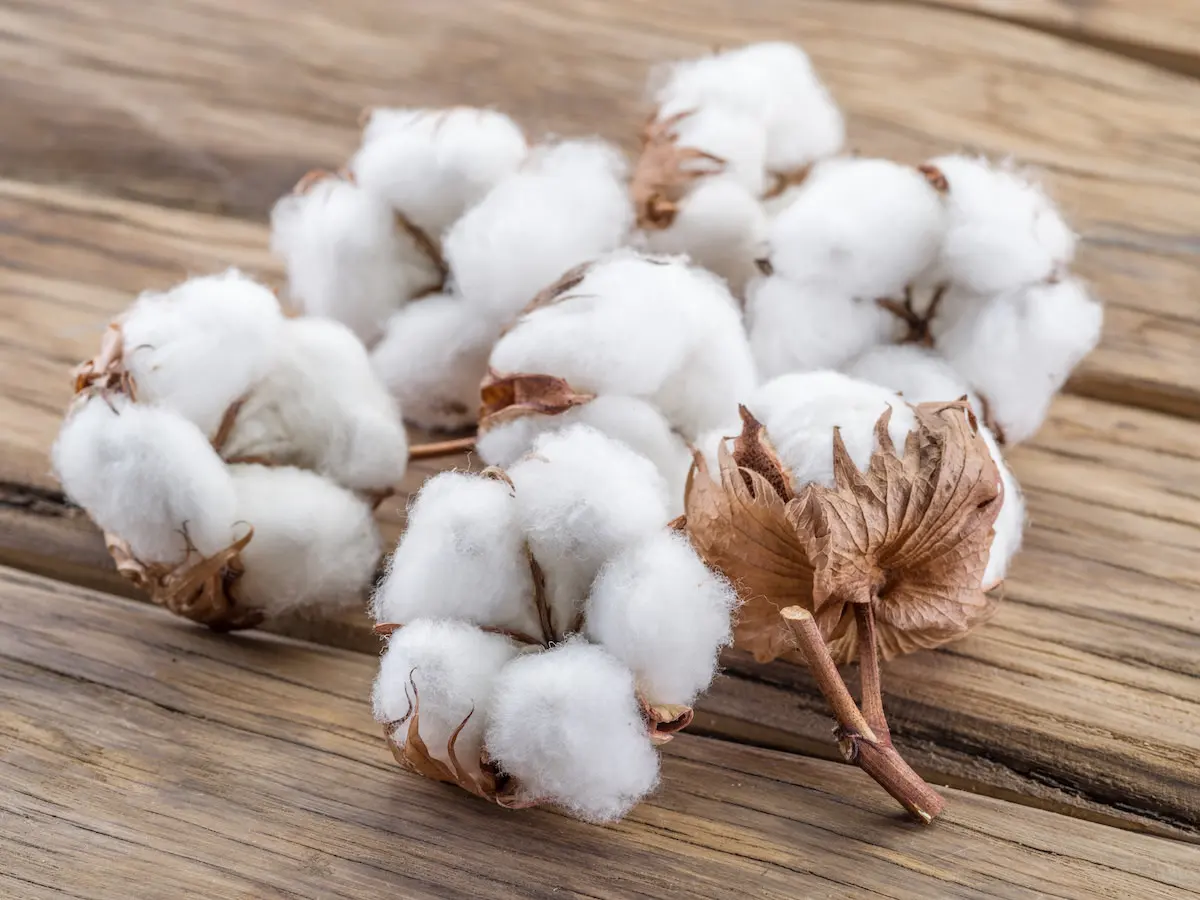
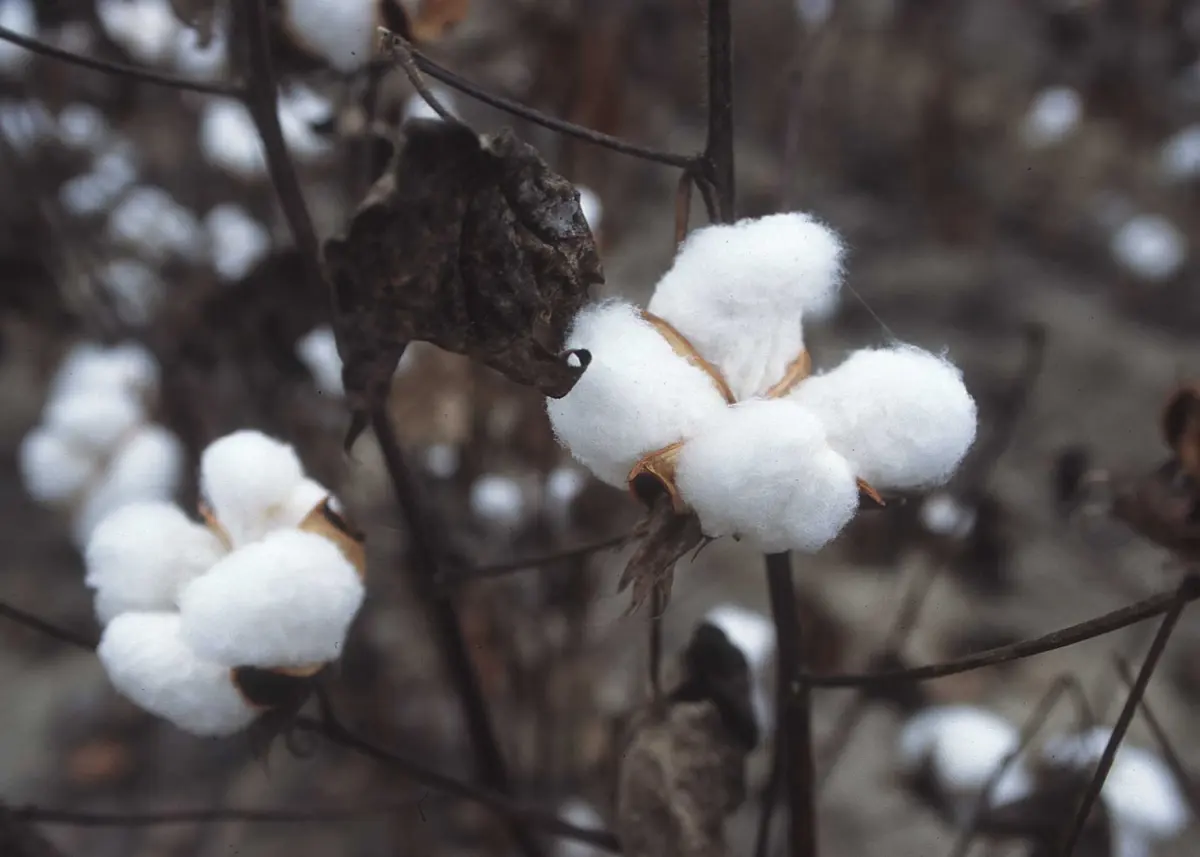
Cotton requires a long, frost-free growing season with plenty of sunshine and moderate rainfall. Farmers typically plant seeds in the spring when soil temperatures reach at least 60°F (15°C). As the plant grows, it produces creamy white or yellow flowers that eventually drop off, leaving behind a green pod known as a boll. Inside the boll, the cotton fibers develop and expand until the pod dries and splits open, revealing the fluffy white lint.
Modern harvesting is almost entirely mechanized using large machines called cotton pickers or strippers. Pickers use rotating spindles to pull the fiber from the open bolls, while strippers remove the entire boll from the plant. Before the invention of the mechanical cotton picker in the 1940s, this process was extremely labor-intensive and performed by hand. Today, a single harvester can process several acres in a day, significantly increasing efficiency and reducing the costs associated with raw fiber production.
How is cotton processed after harvest?
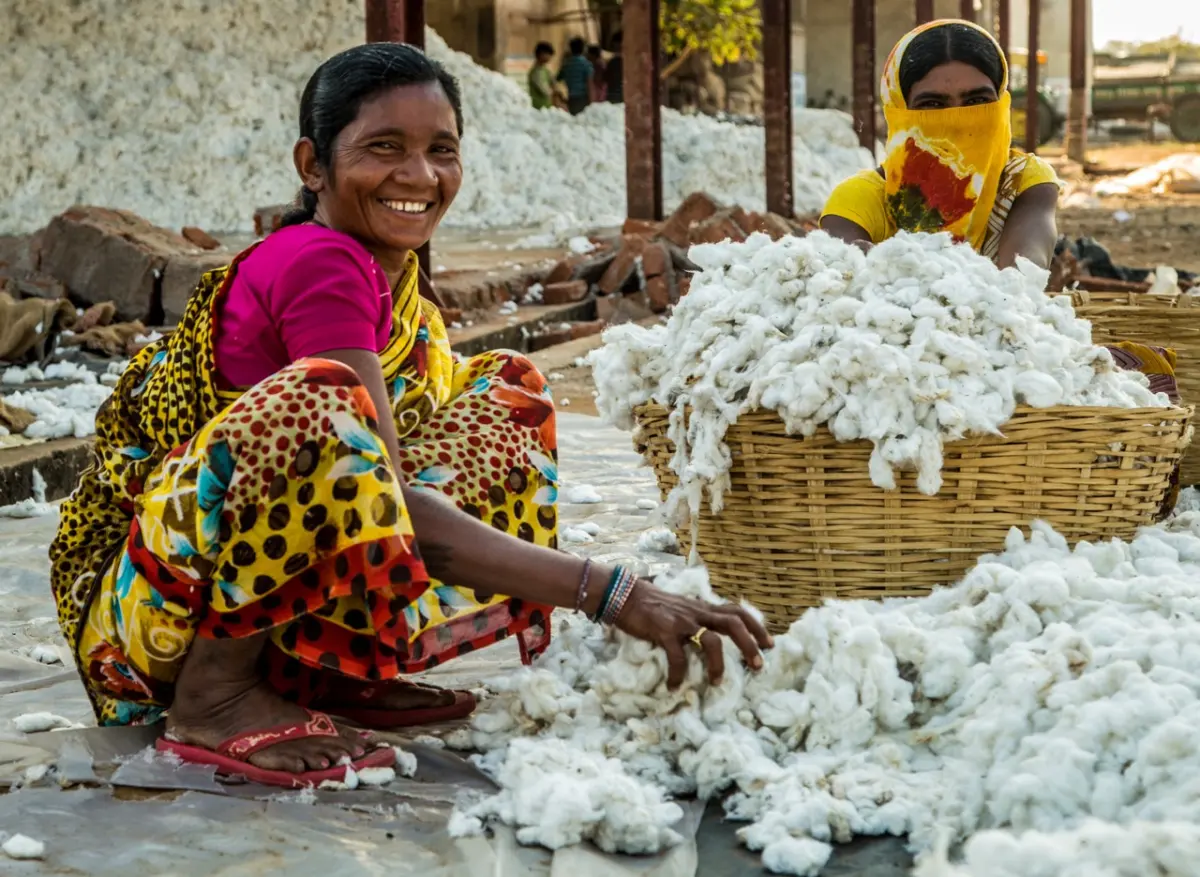
Once harvested, the raw cotton—a mixture of lint, seeds, and plant debris—is transported to a facility called a cotton gin. The ginning process is critical because it separates the valuable fiber from the heavy seeds and removes foreign matter like leaves or dirt. The lint is then pressed into large, dense rectangular blocks known as bales, which typically weigh about 500 pounds each.
The ginning process generally follows these steps:
- Drying: The cotton is heated to reduce moisture, making it easier to clean.
- Cleaning: Mechanical cleaners remove sticks, burrs, and soil particles.
- Ginning: Circular saws or rollers pull the lint away from the seeds.
- Baling: The cleaned lint is compressed and wrapped for shipping to textile mills.
Quality control is essential during this stage, as the length, strength, and color of the fiber determine its market value and potential use in manufacturing.
How is cotton turned into fabric?
At the textile mill, the bales are opened and the cotton fibers are blended to ensure uniformity. The fibers undergo a process called carding, which aligns them into a thin, continuous web. This web is then condensed into a rope-like strand known as a sliver. Through a series of drawing and roving steps, the sliver is stretched and twisted into a fine, strong yarn ready for weaving or knitting.
The transformation from yarn to cloth involves two primary methods:
- Weaving: Two sets of yarn, the warp and the weft, are interlaced at right angles on a loom to create structured fabric like denim or poplin.
- Knitting: A single yarn is looped continuously to create a flexible, stretchy fabric commonly used for T-shirts and undergarments.
After the fabric is formed, it may be bleached, dyed, or treated with chemical finishes to improve durability, resist wrinkles, or enhance softness before it is cut into garments.
Common mistakes when processing cotton
One major error in cotton production is harvesting the crop with too much moisture content. If the cotton is stored with high humidity, it can lead to mold growth or fiber discoloration, which significantly lowers the quality of the final textile. Another frequent mistake is over-processing the fiber during the ginning stage. Using excessive heat or aggressive mechanical action can break the fibers, resulting in a weaker yarn that is prone to snapping during the spinning process.
Farmers and processors must also be wary of contamination from plastic debris. Small pieces of plastic, such as fragments from field tarps or storage modules, are notoriously difficult to remove once they become entangled with the cotton lint. This contamination can cause severe defects in the finished fabric, leading to rejected batches and financial losses. Maintaining clean equipment and rigorous storage protocols is essential for ensuring the integrity of the cotton supply chain from field to factory.
How long does it take to produce cotton?
The entire cycle from planting to the final fabric product varies depending on climate and technology. The plant itself typically takes 150 to 180 days to reach full maturity after planting. Once the bolls open, harvesting occurs rapidly over a few weeks. The subsequent stages of ginning, spinning, and weaving depend on the logistics of the supply chain, but industrial mills can process thousands of yards of fabric in a single day.
For a consumer, the journey of their cotton garment is a complex global effort. While the biological growth of the plant is constrained by the seasons, the industrial processing phase has become highly streamlined. Advancements in biotechnology have also allowed for shorter growing cycles and more resilient plants, helping farmers mitigate risks from pests and unpredictable weather patterns. By understanding this timeline, one can appreciate the significant human and mechanical labor required to turn a simple field crop into the everyday clothing found in modern retail stores.
Key facts
- Cotton grows as a fluffy, white fiber around the seeds of the Gossypium plant, which thrives in warm, tropical climates.
- Harvesting typically occurs using mechanical pickers that remove the seed cotton from the plant while leaving the stalks behind.
- Ginning is the essential process of separating the cotton fibers, or lint, from the hard seeds using high-speed saws or rollers.
- After ginning, the raw fiber is compressed into large, rectangular bales weighing approximately 500 pounds each for transport to textile mills.
- Spinning transforms the raw, cleaned fiber into yarn by drawing it out and twisting it to provide strength and consistency.
- Avoid storing raw cotton in humid areas, as moisture can lead to mold growth and permanent discoloration of the fibers.
The bottom line
Cotton production is a complex journey from field to fabric, involving mechanical harvesting, ginning, and precise spinning. By understanding the transition from raw, seed-filled fibers to the durable yarns used in clothing, one gains a deeper appreciation for this versatile natural resource. Whether choosing upland or premium pima varieties, the quality of the final textile remains rooted in these foundational agricultural and industrial processes.
People also ask
How long does it take for a cotton plant to grow?
A cotton crop generally requires 150 to 180 days from planting to reach full maturity. The growth cycle depends heavily on temperature, sunlight, and consistent irrigation during the peak summer months.
What is the difference between upland and pima cotton?
Upland cotton accounts for the vast majority of global production and has shorter, coarser fibers. Pima cotton is a premium variety with extra-long fibers that create a softer, more durable, and higher-quality fabric.
How is cotton cleaned before it is spun?
Raw cotton undergoes a process called carding, where machines use wire-covered rollers to disentangle the fibers and remove remaining plant debris. This aligns the fibers into a thin, continuous web known as a sliver.
Why is cotton often blended with synthetic fibers?
Manufacturers blend cotton with polyester or spandex to improve fabric performance, such as reducing wrinkling or increasing stretch. These blends often retain the breathability of cotton while adding the durability of man-made materials.
What are the primary environmental impacts of cotton farming?
Cotton is a water-intensive crop that often requires significant irrigation in arid regions. Additionally, conventional farming frequently relies on pesticides and fertilizers to protect the plants from pests like the boll weevil.
Can cotton be recycled after it is used?
Yes, cotton textiles can be shredded and re-spun into new yarn or used as insulation and padding. However, recycling is most effective when the fabric is 100% cotton, as mixed fibers are difficult to separate.
This answer was created with the help of AI research tools and reference sources. Spotted an error? Let us know — we correct mistakes quickly. See our editorial policy.