When is Canadian Thanksgiving?
Short answer
Canadian Thanksgiving is celebrated annually on the second Monday in October. In 2026, the holiday falls on October 12. Unlike the American observance, which occurs in late November, the Canadian date is tied to the conclusion of the harvest season in northern latitudes, allowing for earlier celebrations before the onset of winter.
On this page
When is Canadian Thanksgiving celebrated
Canadian Thanksgiving is officially observed on the second Monday of October. This date was established by Parliament in 1957 to ensure a consistent national holiday, moving away from the previous practice of holding it on various dates following the end of World War I. Because it always falls on a Monday, the holiday creates a three-day weekend for most Canadians, providing a structured opportunity for families to gather during the autumn season.
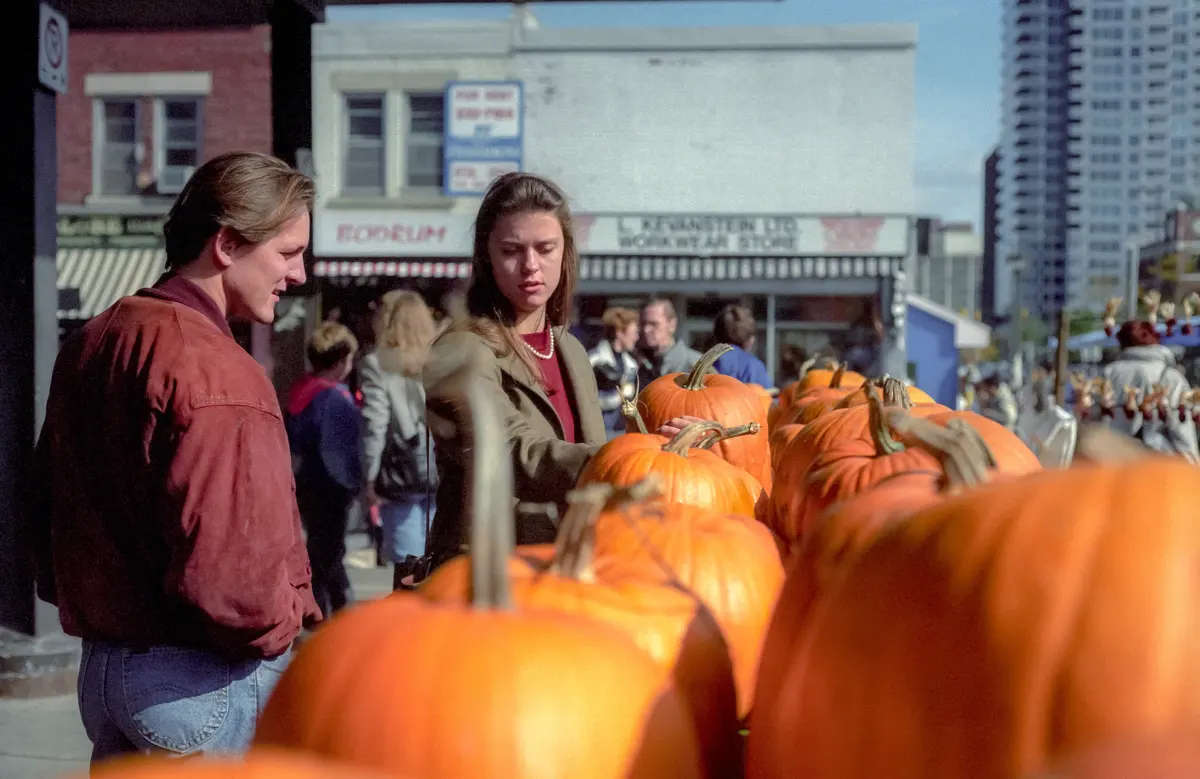
The timing of the holiday is deeply rooted in the agricultural cycle of the country. By early October, the primary harvest in most parts of Canada is largely complete, making it a logical time to offer gratitude for the year's bounty. While the weather varies significantly across the provinces, the date generally aligns with the vibrant fall foliage, which has become a hallmark of the holiday's aesthetic and cultural identity.
Why is Canadian Thanksgiving in October
The history of Thanksgiving in Canada predates the formal establishment of the holiday by centuries. The first recorded Thanksgiving celebration in North America is often attributed to Martin Frobisher, an English explorer who held a ceremony in 1578 in present-day Nunavut to give thanks for his fleet's safe arrival in the New World. These early observances were not tied to a specific date but were instead spontaneous events held to express gratitude for survival and successful voyages.
Over the centuries, various religious and civic groups held their own harvest festivals, leading to a patchwork of traditions across the colonies. It was not until the late 19th and early 20th centuries that the government began to standardize the holiday. The decision to place it in October reflects the geographic reality of Canada, where the growing season is shorter than in more southern regions. By choosing the second Monday in October, the nation avoids the severe winter weather that often arrives by late November, ensuring that travel remains feasible for families gathering across the country.
How to celebrate Canadian Thanksgiving traditions
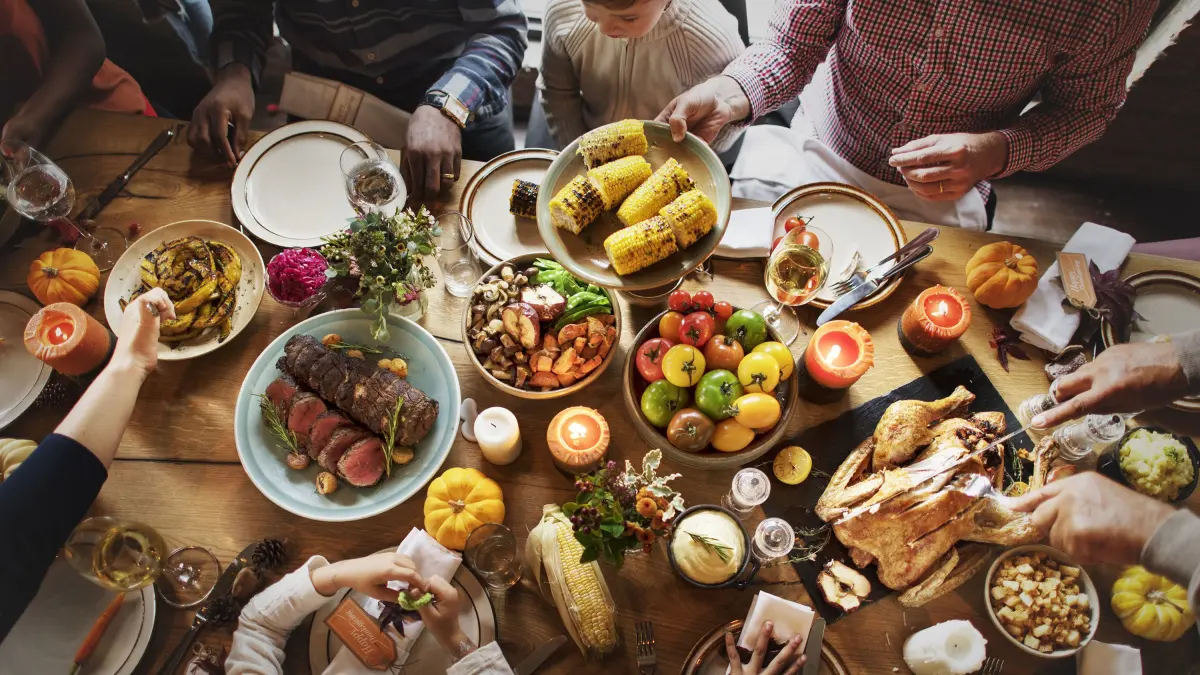
Modern Canadian Thanksgiving is characterized by a focus on family gatherings, communal meals, and reflecting on personal blessings. While the holiday lacks the intense commercialization associated with some other North American celebrations, it remains a significant cultural touchstone. Many families utilize the long weekend to travel to rural areas or cottages to enjoy the final days of pleasant autumn weather before the arrival of colder temperatures.
Common activities during the holiday weekend include:
- Preparing a traditional feast featuring roast turkey, stuffing, mashed potatoes, and gravy.
- Serving seasonal desserts such as pumpkin pie, apple crumble, or butter tarts.
- Participating in outdoor activities like hiking, apple picking, or visiting local harvest festivals.
- Watching professional football, specifically the Canadian Football League’s Thanksgiving Day Classic games.
- Hosting potluck-style dinners where extended family members contribute specific regional or family-favorite dishes.
Common mistakes when planning for Thanksgiving
One of the most frequent errors people make is failing to account for the specific timing of the holiday when planning travel or grocery shopping. Because the holiday falls on a Monday, many retail stores, government offices, and banks operate on reduced hours or close entirely on that day. Travelers should verify the schedules of public transit systems, as these often shift to Sunday or holiday service levels, which can lead to unexpected delays if not researched in advance.
Another common mistake involves the preparation of the traditional meal, particularly regarding the timing of the turkey. Many hosts underestimate the time required to properly thaw a large frozen bird, which can take several days in the refrigerator. To ensure a successful and stress-free holiday, consider the following preparation steps:
- Purchase your turkey at least a week in advance to ensure availability.
- Thaw the turkey in the refrigerator, allowing 24 hours for every 4 to 5 pounds of weight.
- Plan your menu and grocery list at least five days before the holiday to avoid the peak crowds at supermarkets.
- Prepare side dishes, such as stuffing or cranberry sauce, the day before to reduce the workload on the holiday itself.
Best ways to host a Thanksgiving dinner
Hosting a successful Thanksgiving dinner requires a balance between tradition and personal preference. The most effective hosts prioritize the comfort of their guests by creating a welcoming atmosphere that encourages conversation and relaxation. Rather than attempting to replicate every traditional element, focus on a few signature dishes that are meaningful to your family. This approach reduces the pressure on the host and allows for a more enjoyable experience for everyone involved.
For those hosting for the first time, it is helpful to keep the menu manageable. You do not need to prepare every component from scratch; incorporating high-quality store-bought items can save significant time without sacrificing the quality of the meal. Setting the table in advance and ensuring that you have enough seating and serving utensils will prevent last-minute scrambling. Ultimately, the goal of Canadian Thanksgiving is to foster connection, so prioritizing time with your loved ones over culinary perfection will ensure a memorable and meaningful celebration for all your guests.
Key facts
- Canadian Thanksgiving is celebrated annually on the second Monday in October.
- The holiday became a fixed national statutory holiday in 1957.
- Unlike the American holiday, it is not tied to the arrival of the Mayflower or the Pilgrims.
- The date was chosen specifically to avoid conflict with the harvest season and the observance of Remembrance Day.
- Traditional menus often feature roast turkey, stuffing, mashed potatoes, and pumpkin or pecan pie.
- Most retail stores, banks, and government offices close for the day, though some grocery stores remain open with reduced hours.
The bottom line
Canadian Thanksgiving serves as a vital time for families to gather and express gratitude for the year's harvest. Held on the second Monday of October, it offers a distinct, earlier alternative to the American celebration. By focusing on seasonal food and regional traditions, Canadians enjoy a peaceful long weekend that marks the transition into autumn, effectively balancing historical significance with modern community-focused festivities across the nation.
People also ask
Is Canadian Thanksgiving a national public holiday?
Yes, it is a statutory holiday for federal employees and many provincial workers. However, it is not a mandatory paid holiday in all provinces, such as in Atlantic Canada.
Why is Canadian Thanksgiving held in October instead of November?
The date is set earlier because the Canadian harvest season concludes much sooner than in the United States. Celebrating in October allows families to gather while the weather is still relatively mild.
Do Canadians watch football on Thanksgiving?
Yes, the Canadian Football League (CFL) traditionally hosts a "Thanksgiving Day Classic" doubleheader. It is a popular tradition for many families to watch these games after their holiday meal.
Is Black Friday associated with Canadian Thanksgiving?
No, Black Friday is not linked to Thanksgiving in Canada. Canadian retailers typically hold their major sales events in November to align with the American Black Friday schedule.
What is the historical origin of the holiday in Canada?
The first celebration is often attributed to explorer Martin Frobisher in 1578, who held a ceremony to give thanks for a safe arrival in the New World. It was later formalized as a day of national gratitude.
Are there specific regional variations in how it is celebrated?
While the core traditions are consistent, some regions emphasize local harvest foods like squash, corn, or apples. In Newfoundland and Labrador, the holiday is sometimes observed with less formal fanfare than in the rest of the country.
This answer was created with the help of AI research tools and reference sources. Spotted an error? Let us know — we correct mistakes quickly. See our editorial policy.