Where can you see bald eagles near Vancouver?
Short answer
You can see bald eagles near Vancouver primarily between November and February, when thousands migrate to the region to feed on spawning salmon. Prime viewing locations include the Squamish River estuary, Harrison Mills, and various coastal parks throughout the Lower Mainland, such as Stanley Park and Boundary Bay in Delta.
On this page
Where is the best place to see bald eagles near Vancouver?
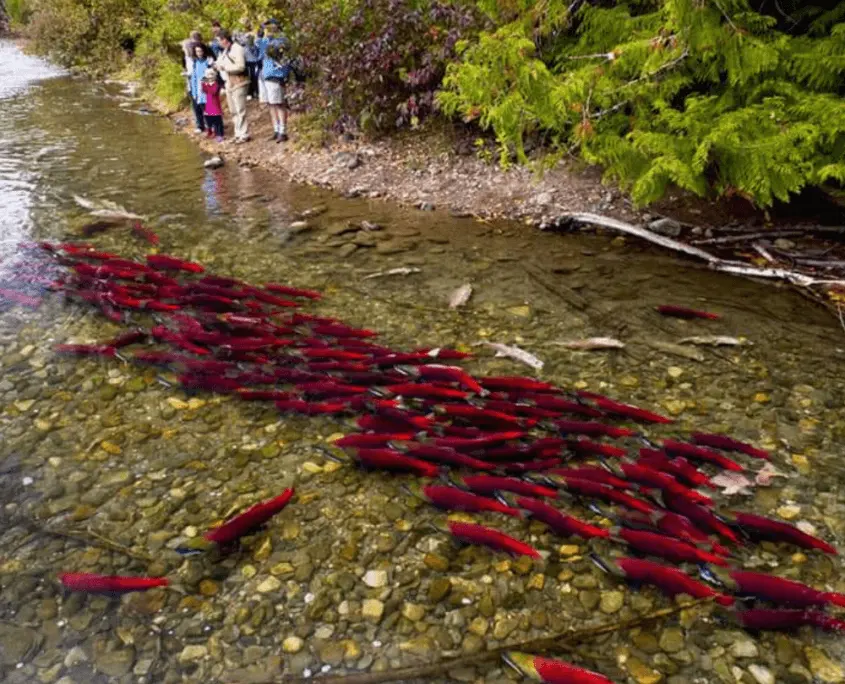
The most spectacular bald eagle viewing in the region occurs in the Squamish River Valley, located about an hour north of Vancouver. During the winter months, the confluence of the Squamish, Cheakamus, and Mamquam rivers attracts one of the largest concentrations of bald eagles in North America. Visitors often report seeing hundreds of birds perched in cottonwood trees or scavenging along the riverbanks.
Another premier destination is the Chehalis River estuary near Harrison Mills. This area is famous for the Fraser Valley Bald Eagle Festival, which highlights the massive salmon runs that draw the eagles. While these spots are further from the city center, they offer the highest density of sightings. For those staying within Vancouver proper, Stanley Park and the shores of English Bay occasionally host eagles, though sightings are less frequent than in the rural river valleys.
When is the best time to see bald eagles?
Bald eagles are present in British Columbia year-round, but the winter months offer the most reliable viewing opportunities. The migration typically begins in November as salmon runs reach their peak in local rivers. The concentration of eagles remains high through January and February, providing a window of roughly four months for enthusiasts to witness the annual gathering.
To maximize your chances of success, consider these timing tips:
- Early morning: Eagles are most active shortly after sunrise when they begin hunting.
- Mid-week: Trails and viewing platforms are far less crowded, reducing bird disturbance.
- Tidal shifts: In coastal areas, eagles often congregate at low tide to scavenge along the mudflats.
- Weather patterns: Cold snaps often drive eagles toward open water, making them easier to spot against the landscape.
How to prepare for an eagle watching trip
Preparation is essential for a successful outing, especially given the unpredictable nature of Pacific Northwest weather. You should dress in layers, as river valleys can be significantly colder than the city. Waterproof boots are highly recommended, as viewing areas are often muddy or located on uneven, wet terrain near the water.
Before heading out, follow these essential steps to ensure a safe and productive experience:
- Check local salmon run reports to identify which rivers currently have the most activity.
- Pack high-quality binoculars or a spotting scope, as eagles are often perched high in trees.
- Bring a camera with a telephoto lens if you intend to capture images, as approaching the birds on foot will cause them to fly away.
- Download an offline map, as cell service is inconsistent in the remote areas of the Squamish and Harrison valleys.
Common mistakes when watching bald eagles
The most frequent error visitors make is approaching the birds too closely. Bald eagles are sensitive to human presence; if you get within 50 to 100 meters, you may cause them to abandon their perch or hunting ground. This forces the birds to expend vital energy during the winter when food is their primary priority for survival. Always use your zoom lens or binoculars instead of trying to close the distance on foot.
Another common mistake is ignoring the rules of the environment. Many prime viewing spots are located on protected land or private property. Staying on marked trails is not only a safety requirement but also a conservation necessity to prevent habitat degradation. Avoid loud noises, sudden movements, or bringing dogs to sensitive nesting or feeding sites, as these factors significantly decrease the likelihood of seeing eagles behaving naturally.
How to identify bald eagles in the wild
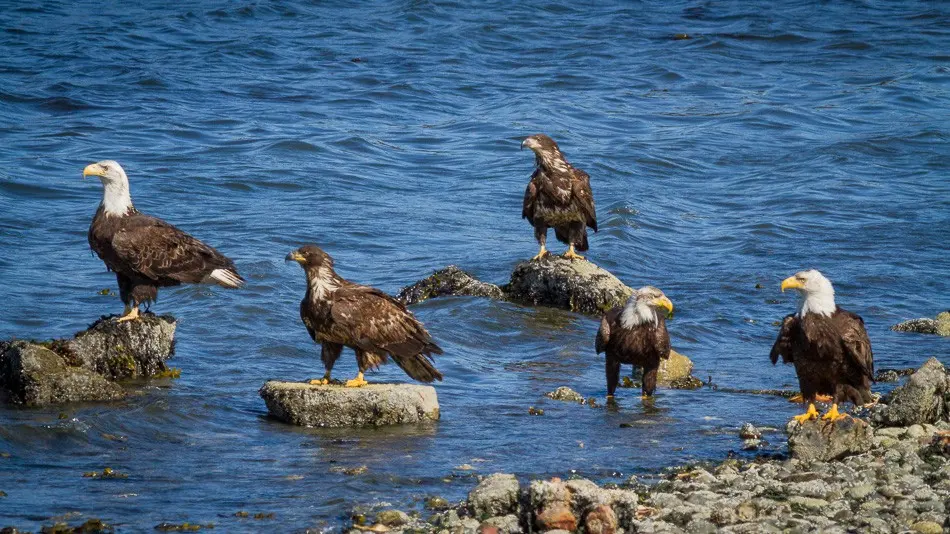
Distinguishing bald eagles from other local raptors is easier once you know what to look for. Adult bald eagles are unmistakable with their iconic white heads and tails contrasted against dark brown bodies. However, juveniles can be tricky; they are mottled brown and white, often appearing larger than adults due to their plumage. They do not develop the signature white head until they reach maturity at approximately four to five years of age.
When observing them, look for these specific behaviors:
- Perching: They prefer high, open branches that offer a clear view of the water.
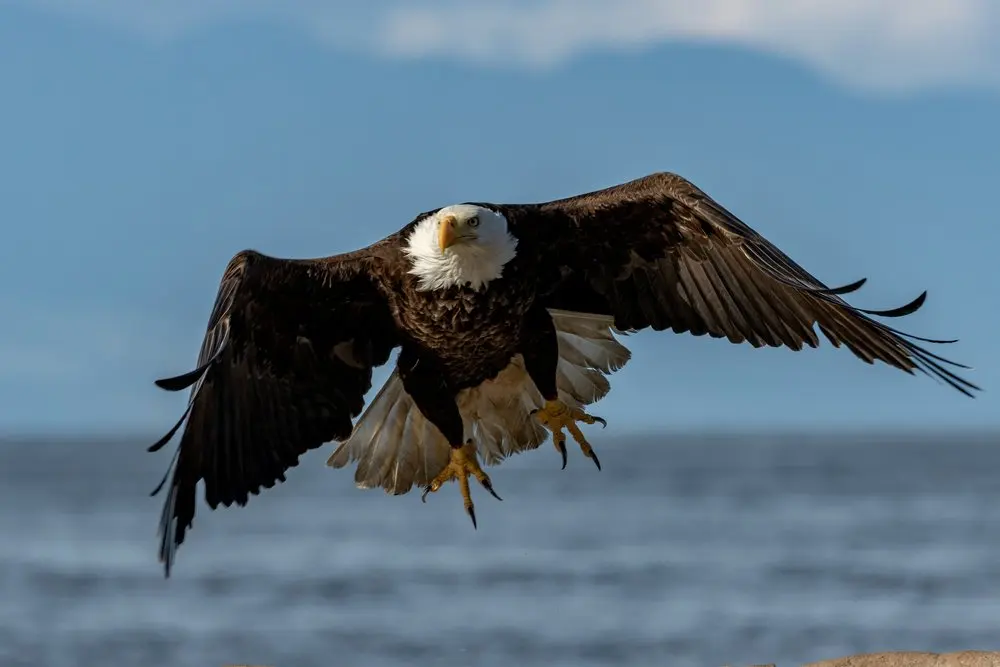
- Hunting: Watch for eagles diving toward the surface of the river to snatch salmon with their talons.
- Socializing: While often solitary, you will frequently see them in groups of ten or more in the cottonwood trees along the Squamish River.
- Vocalization: Despite their majestic appearance, their call is a surprisingly high-pitched series of chirps and whistles rather than the deep scream often heard in movies.
Key facts
- The Brackendale Eagles Provincial Park near Squamish is globally recognized as one of the largest wintering habitats for bald eagles.
- Peak viewing season occurs from November through February when salmon runs attract thousands of birds to the region.
- Boundary Bay in Delta offers excellent coastal viewing opportunities, especially during low tide when eagles hunt for fish in the tidal flats.
- The Chehalis River near Harrison Mills hosts an annual eagle festival in November, providing guided viewing areas and educational programs.
- Always maintain a distance of at least 50 to 100 meters from nesting or perching eagles to avoid disturbing their natural behavior.
- Bring high-quality binoculars or a camera with a telephoto lens, as eagles are sensitive to human presence and will fly away if approached too closely.
The bottom line
To successfully spot bald eagles near Vancouver, focus your efforts on the Squamish and Harrison Mills areas during the winter months. By visiting during peak salmon runs and maintaining a respectful distance, you maximize your chances of witnessing these majestic birds in their natural habitat. Always prioritize wildlife welfare over photography, ensure you are dressed for damp conditions, and enjoy the spectacular natural displays of the Pacific Northwest.
People also ask
What is the best time of day to spot bald eagles?
Eagles are most active during the early morning and late afternoon when they are hunting for food. Mid-day often sees them perched in tall trees digesting their catch or resting.
Do I need a professional guide to see eagles?
While you can easily view eagles on your own at public parks, a guide can help identify specific behaviors and access restricted areas. Guided boat tours are particularly effective for seeing eagles along riverbanks.
Are bald eagles aggressive toward humans?
Bald eagles are generally shy and will avoid human contact whenever possible. They only show aggression if they feel their nest or young are directly threatened by an intruder.
Can I feed the eagles to get them closer?
Never attempt to feed bald eagles or any other wild birds. Feeding disrupts their natural hunting patterns and can lead to dangerous dependency on humans.
What should I wear for eagle watching in Vancouver?
The weather is often wet and cold during peak season, so dress in waterproof layers. Sturdy, waterproof boots are essential for navigating muddy trails near rivers and shorelines.
Is it legal to collect eagle feathers found on the ground?
No, it is illegal to possess any part of a bald eagle, including feathers, under the Migratory Birds Convention Act. Leave any feathers you find exactly where they are.
This answer was created with the help of AI research tools and reference sources. Spotted an error? Let us know — we correct mistakes quickly. See our editorial policy.