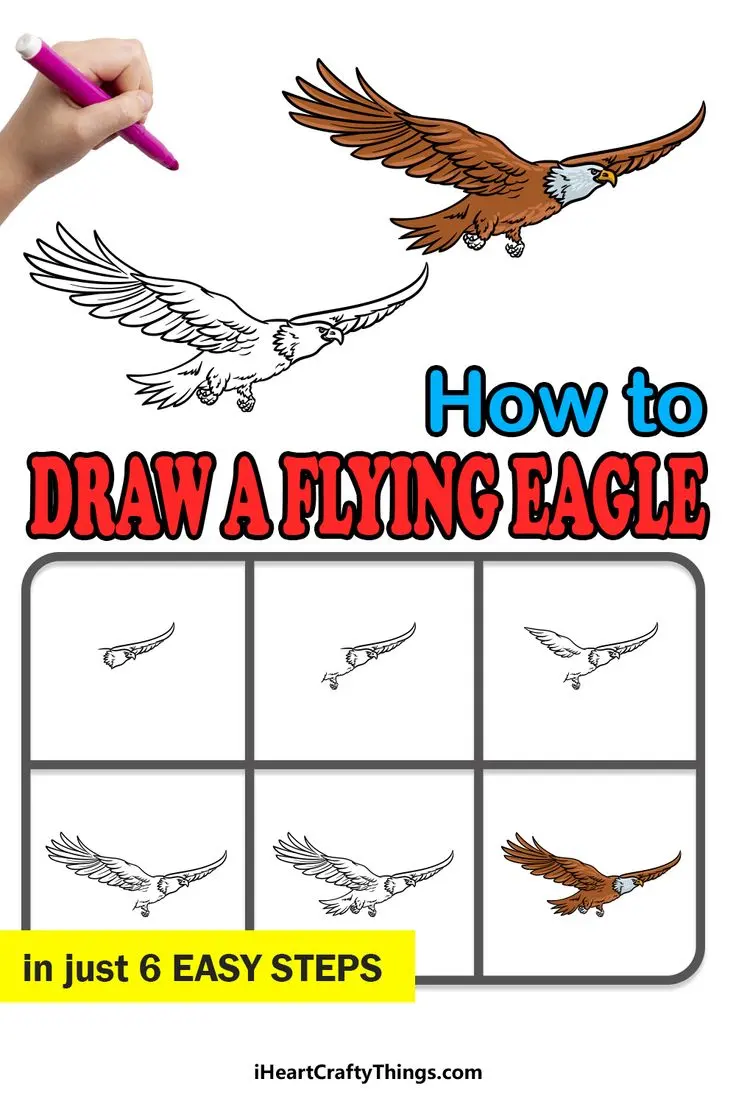
How do you draw a bald eagle?
Short answer
Drawing a bald eagle involves capturing its iconic silhouette through geometric shapes, focusing on the heavy, hooked beak and the distinct white plumage of the head. Begin by sketching a large oval for the body and a smaller circle for the head, then refine the sharp, predatory features and expansive wing feathers.
On this page
How to structure the basic anatomy
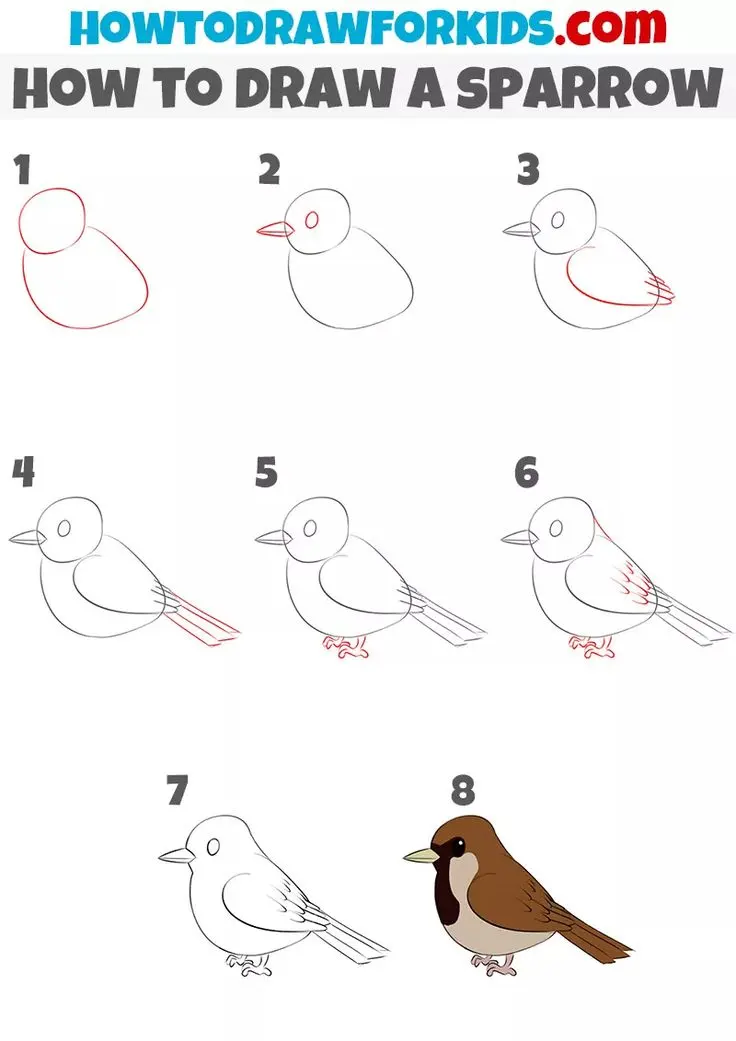
The bald eagle, Haliaeetus leucocephalus, is defined by its powerful, streamlined build. To begin your drawing, establish the foundation using simple shapes to ensure the proportions remain accurate. Start by drawing a large, slightly tilted oval to represent the torso, which houses the bird's massive flight muscles. Position a smaller circle slightly above and to the left of the torso for the head. Connect these two shapes with two curved lines to form the neck, which should appear thick and muscular rather than slender.
A common technique for beginners is to use a light graphite pencil to lay down these shapes without applying pressure. This allows you to adjust the posture before committing to permanent lines. Remember that the eagle's body is quite heavy, so the center of gravity should be balanced over its legs. Once the basic framework is established, you can add a triangular shape at the base of the torso for the tail feathers and two long, angled lines extending from the shoulders to represent the primary wing structure.
How to draw the eagle's head and beak
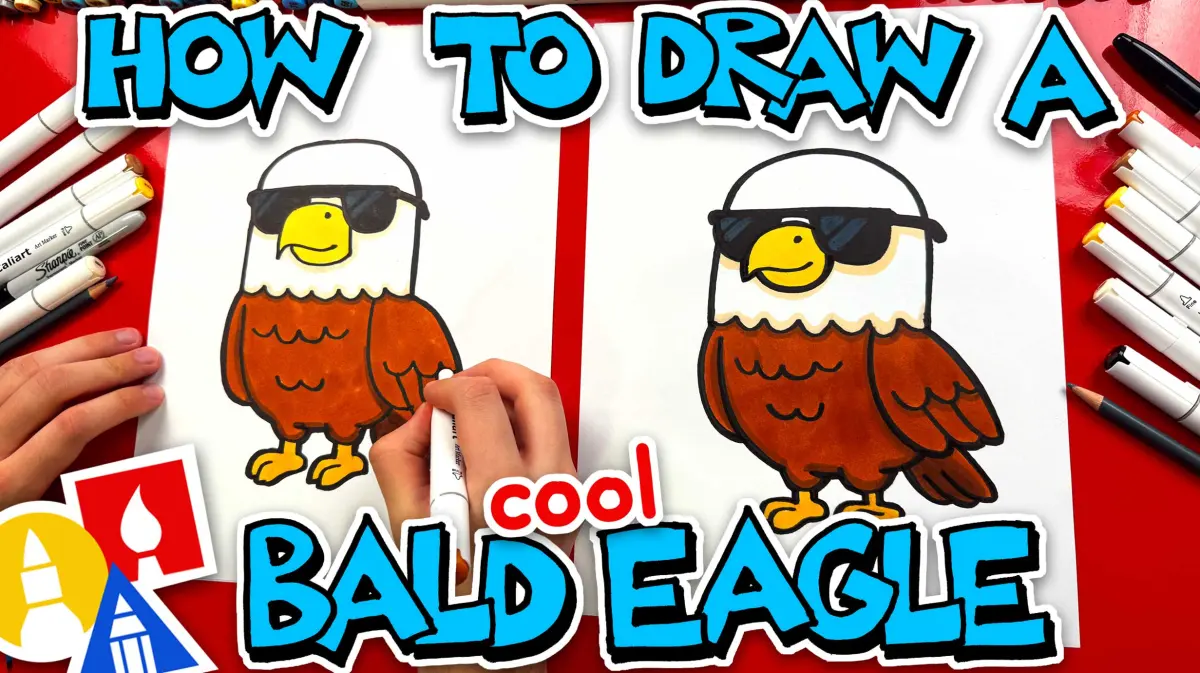
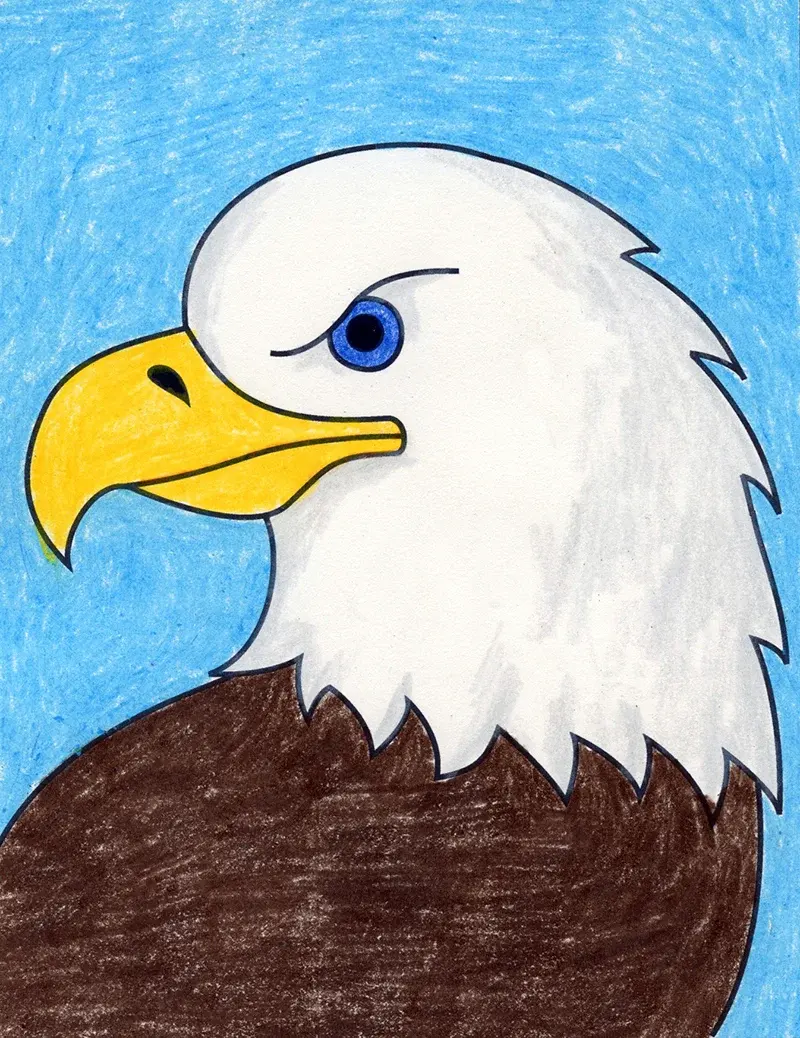
The beak is the most recognizable feature of the bald eagle, serving as a symbol of its predatory nature. It should be large, hooked, and yellow in color, occupying a significant portion of the head silhouette. Start by drawing a horizontal line across the center of your head circle to guide the placement of the eye. The eye should be positioned just above this line, appearing intense and forward-facing. Use a small, dark circle for the pupil and a slightly larger one for the iris, ensuring the gaze looks sharp and focused.
When drawing the beak, follow these specific steps to achieve the correct shape:
- Draw a curved, downward-pointing hook that extends from the upper mandible.
- Add a smaller, slightly rounded lower mandible that fits snugly against the upper part.
- Include a small, oval-shaped nostril, known as the cere, near the base of the beak.
- Define the transition between the dark beak and the white feathers of the head with a clean, smooth curve.
How to detail the wings and plumage
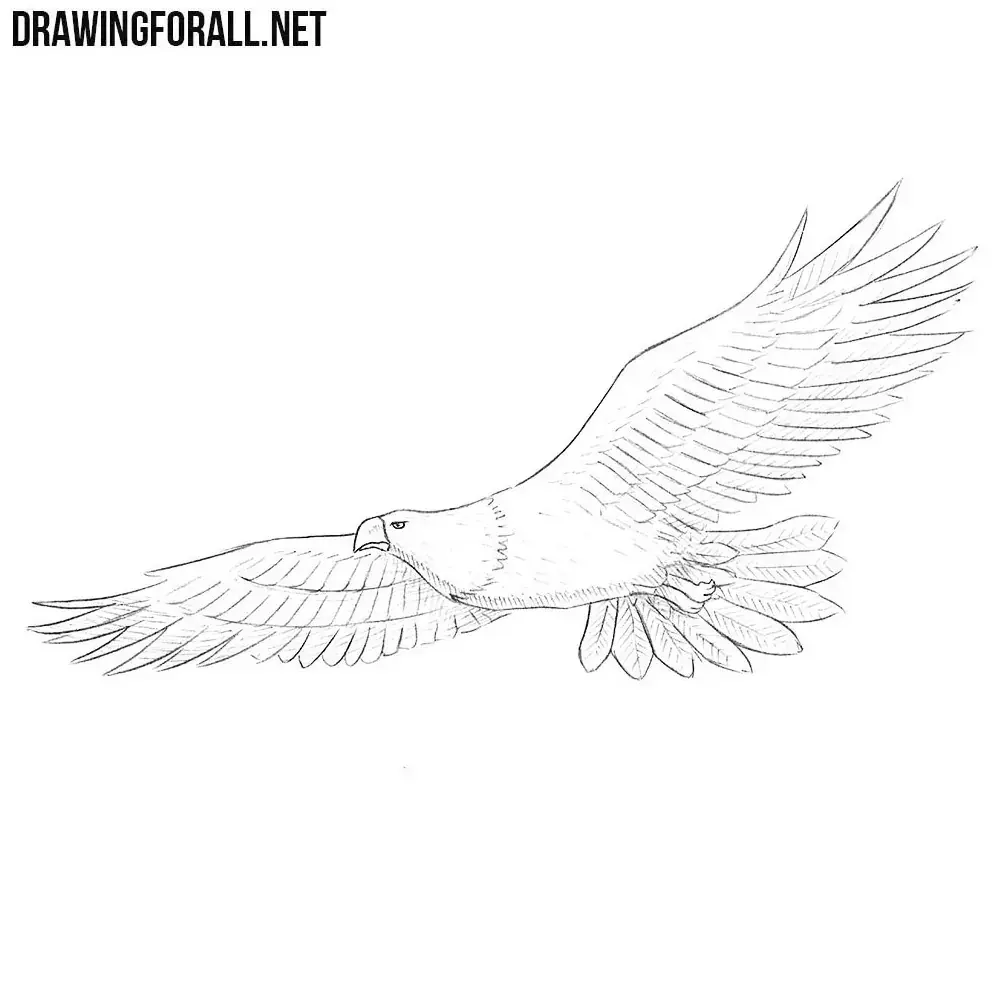
The wings of a bald eagle are expansive, often reaching a span of up to 7.5 feet in the wild. To draw them effectively, focus on the primary feathers, which are the long, finger-like feathers at the tips of the wings. These should be drawn with a slight separation between them to indicate the bird's ability to manipulate air currents during flight. The secondary feathers, located closer to the body, are shorter and more densely packed, creating a smooth, overlapping texture that mimics the actual biological structure of the bird.
When adding texture to the wings, avoid drawing every individual feather, as this can make the drawing look cluttered. Instead, use rhythmic, overlapping strokes to suggest the presence of plumage. Pay attention to the way the feathers change direction as they move from the wing coverts to the flight feathers. By varying the length and curvature of your lines, you can create a sense of depth and movement, making the eagle appear as if it is in the middle of a powerful, soaring motion.
Common mistakes when drawing bald eagles
One of the most frequent errors is making the head appear too small or the neck too thin. In reality, the bald eagle has a very robust neck that supports its heavy skull and powerful beak. Another common mistake is failing to draw the feet correctly. Eagles have massive, scaly talons designed for gripping prey. If you are drawing the eagle perched, ensure the talons are wrapped firmly around the branch, with the back toe, or hallux, clearly visible. The toes should look thick and muscular, not spindly or delicate.
Another issue is the improper placement of the eye. If the eye is placed too far back on the head, the eagle loses its predatory intensity. Always ensure the eye is positioned relatively close to the base of the beak. Furthermore, beginners often forget the distinct color contrast between the white head and the dark brown body. If you are working in graphite, use a wide range of values to ensure the head stands out against the darker plumage of the chest and wings, creating a clear focal point for the viewer.
Best shading techniques for realism
Shading is essential for bringing your eagle to life, as it defines the form and highlights the texture of the feathers. Start by identifying your light source and keeping it consistent throughout the drawing. Use cross-hatching or smooth blending to create shadows in the crevices of the wings and under the beak. For the white feathers of the head, use very light, subtle strokes to suggest volume without making the area look gray or dirty. The contrast between the dark body and the bright head is the signature look of the species.
To achieve a professional finish, follow these shading tips:
- Use a kneaded eraser to lift graphite and create highlights on the upper edges of the feathers.
- Apply darker, denser strokes near the wing joints to create the illusion of deep muscle and shadow.
- Use a sharp pencil to define the individual scales on the feet, adding small dots or dashes for texture.
- Keep the background simple, such as a light sketch of a sky or a branch, to ensure the eagle remains the primary subject of your work.
Key facts
- The bald eagle's wingspan reaches up to 7.5 feet, which is significantly wider than its body length of 3 feet.
- Always draw the beak with a prominent, downward-curving hook at the tip to capture its predatory nature.
- The head and tail feathers are stark white, while the body and wings are a deep, dark brown.
- A bald eagle's eye sits under a bony brow ridge, giving it a characteristically intense, stern expression.
- When drawing the talons, remember they have four toes: three facing forward and one large hallux toe facing backward.
- Avoid drawing the head too small; in proportion, the eagle's head is large and blocky compared to other raptors.
The bottom line
Drawing a bald eagle effectively requires balancing its massive scale with precise anatomical details. Focus on the sharp, hooked beak and the intense brow ridge to capture its regal character. By emphasizing the contrast between the dark body and bright white head, you create a recognizable silhouette. Practice these specific proportions, particularly the wide wingspan and powerful talons, to bring this iconic bird to life on paper.
People also ask
How do I make the eagle's wings look realistic?
Focus on the primary feathers at the wingtips, which should look like long, separated fingers. Layer the smaller, overlapping covert feathers closer to the body to create depth and texture.
Should I draw the eagle in flight or perched?
Perched eagles are easier to draw because you can focus on the posture of the legs and the folded wings. Eagles in flight require a more complex understanding of wing anatomy and dynamic angles.
What is the most common mistake when drawing the beak?
Many artists make the beak too short or straight. It must be thick at the base and curve sharply downward to reflect the bird's ability to tear flesh.
How do I capture the eagle's eyes correctly?
Use a small, sharp highlight to give the eye a glossy, piercing appearance. The iris is a bright yellow, which provides a striking contrast against the dark brown head feathers.
How do I represent the white tail feathers?
Keep the tail shape fan-like and relatively short compared to the massive wings. Use subtle shading to show the curve of the feathers rather than drawing every individual line.
Are the legs feathered?
Yes, the upper part of the eagle's legs, known as the tarsus, is covered in feathers. Only the lower portion near the talons is bare and scaly.
This answer was created with the help of AI research tools and reference sources. Spotted an error? Let us know — we correct mistakes quickly. See our editorial policy.