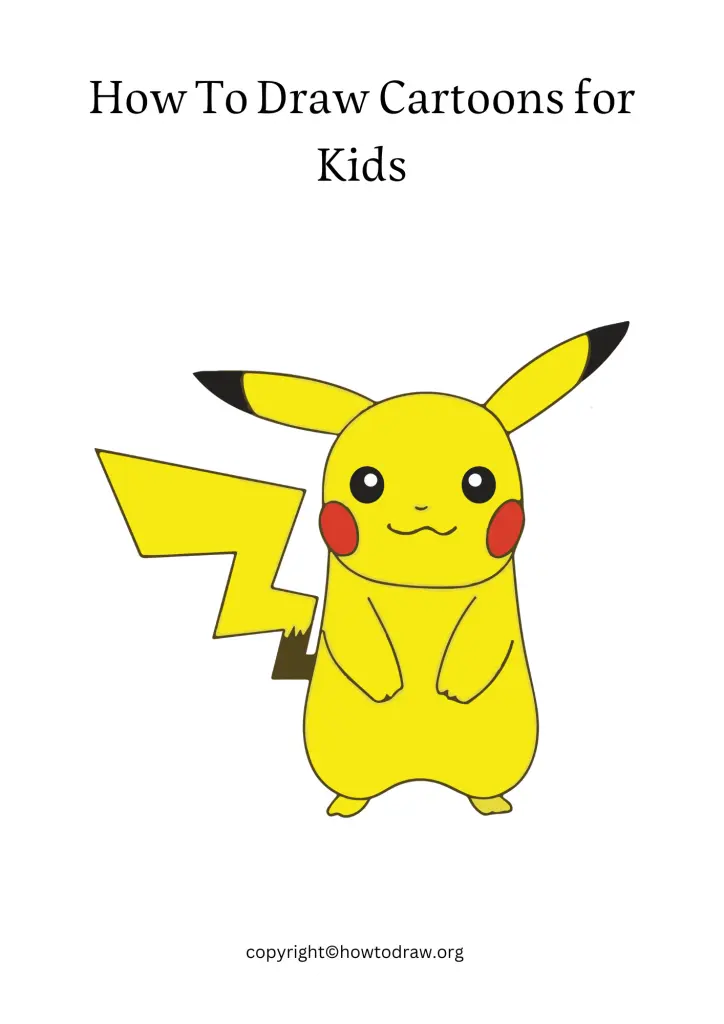
How do you draw a cartoon bird?
Short answer
Drawing a cartoon bird involves simplifying complex avian anatomy into basic geometric shapes. You begin by sketching a large circle for the body and a smaller one for the head, then connecting them with a neck. By adding expressive eyes, a triangular beak, and stylized wings, you create a recognizable, character-driven illustration.
On this page
How to sketch the basic shapes
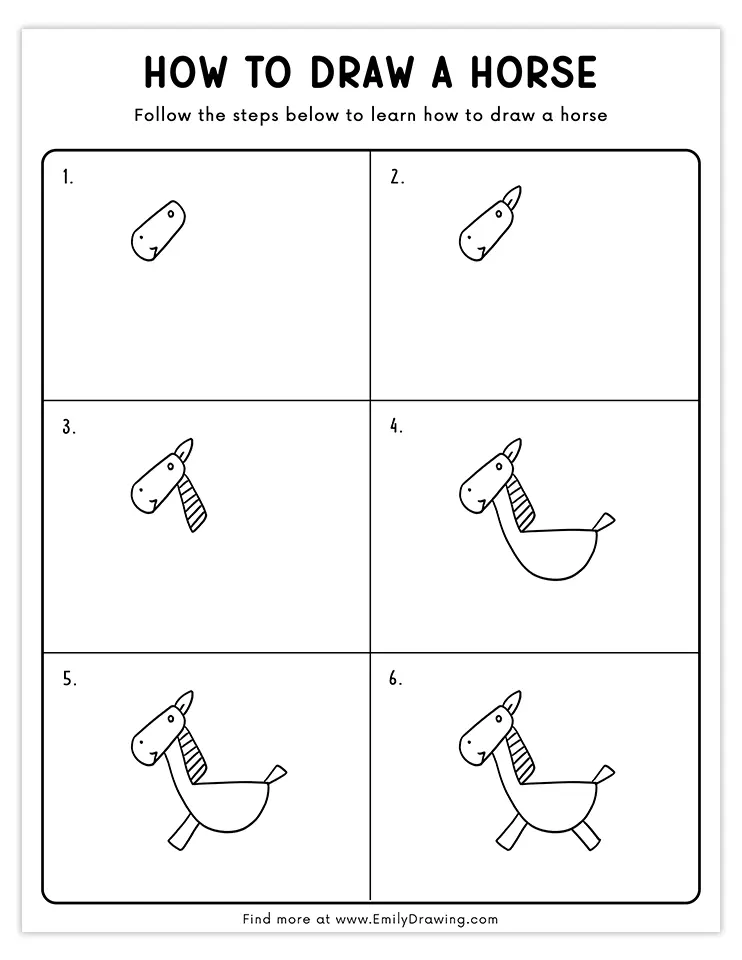
The foundation of any cartoon bird is the construction of simple geometric forms. Most cartoonists start with a large, oval-shaped body, which provides the volume needed for the character. A smaller circle is placed above or slightly to the side to serve as the head. Connecting these two shapes with two curved lines creates a neck, allowing the bird to look in different directions.
Once the primary shapes are established, you can refine the silhouette. You might add a small triangle for the beak and two ovals for the feet. Keeping these initial lines light and loose is essential, as they act as a guide rather than a final outline. By focusing on these proportions first, you ensure the bird remains balanced and visually appealing before you add any specific details or personality traits.
Best tools for beginner artists
For those starting out, simple graphite pencils are the most effective tools. An HB or 2B pencil allows for a range of line weights, which is crucial for creating depth in a cartoon. You should also have a kneaded eraser, as it can lift graphite off the page without damaging the paper, allowing for clean corrections during the drafting process.
When you are ready to finalize your drawing, use a fine-liner pen or a felt-tip marker. These tools provide a consistent, bold line that defines the character's edges. For those working digitally, a basic drawing tablet and pressure-sensitive stylus offer the same control. Regardless of the medium, the following items are highly recommended for a smooth workflow:
- A set of drawing pencils ranging from 2H to 4B.
- Smooth, acid-free paper to prevent smudging and tearing.
- A high-quality sharpener to maintain precise, consistent line thickness.
- A set of colored markers or pencils for adding vibrant, flat colors.
How to add personality and expression
A cartoon bird comes to life through its facial expressions and posture. The eyes are the most important feature; large, round eyes with small pupils suggest innocence or excitement, while smaller, angled eyes can convey skepticism or anger. Placing the eyebrows—or feathers acting as eyebrows—at different angles changes the entire mood of the character instantly.
Posture also plays a significant role in storytelling. A bird with its chest puffed out and head held high appears confident, whereas a slumped posture suggests sadness or exhaustion. You can experiment with these poses to make your bird feel like a distinct character rather than a generic animal. Consider these steps to enhance your character's personality:
- Draw the eyes first to establish the bird's focal point.
- Tilt the head slightly to create a more dynamic, engaging look.
- Use exaggerated wing positions to show movement or emotion.
- Add accessories like a hat or bow tie to provide context.
Common mistakes when drawing birds
One frequent error is making the beak too large or too small in relation to the head. A beak that is disproportionate can make the bird look unnatural or unintentionally frightening. Another common mistake is ignoring the flow of the feathers. Even in a cartoon, feathers should follow the general shape of the body, rather than looking like random scribbles or detached spikes.
Beginners often struggle with the placement of the eyes, putting them too far apart or too close to the beak. This can disrupt the bird's facial symmetry and make it look cross-eyed. To avoid these issues, always check your work in a mirror or flip your digital canvas horizontally. This simple trick helps you spot lopsided features or awkward proportions that your brain might have ignored while you were focused on the details.
How to refine your cartoon style
Developing a unique style involves simplifying the bird's anatomy until it becomes a signature look. You might choose to emphasize rounded, soft edges for a cute character or sharp, jagged lines for a more aggressive or edgy bird. Consistency is the key to a strong style; once you decide on the size of the beak or the shape of the feet, try to maintain those proportions across all your drawings.
Practice by drawing the same bird from different angles, such as a profile view or a three-quarter view. This helps you understand how the shapes shift in space. Study real birds to see how their wings fold and how their tails fan out, then translate those observations into your simplified cartoon language. Over time, you will find that your hand naturally gravitates toward specific shapes and lines, which eventually forms the foundation of your personal artistic identity as a cartoonist.
Key facts
- Start by drawing two overlapping circles; a smaller one for the head and a larger one for the body.
- Use a simple triangle shape for the beak, placing it on the side of the smaller circle.
- Add an oval for the wing, positioning it slightly over the middle of the body circle.
- Draw two thin lines at the bottom of the body circle to serve as legs, ending with three small lines for toes.
- Keep your lines loose and curved to give the bird a softer, more organic appearance.
- Use a thick, dark marker for the final outline to make the cartoon character stand out clearly.
The bottom line
Drawing a cartoon bird is an exercise in simplification and exaggeration. By starting with basic geometric shapes like circles and triangles, you provide a solid foundation for your character. Focus on expressive eyes and dynamic poses to bring the bird to life. Remember that cartooning is about capturing a personality rather than technical accuracy, so feel free to experiment with proportions until your bird looks unique.
People also ask
What is the best way to make a cartoon bird look expressive?
Focus on the eyes and eyebrows. Large, circular eyes with pupils placed in different directions can convey surprise or excitement, while angled eyebrows help establish a specific mood like anger or curiosity.
How do I draw feathers without making the drawing look cluttered?
Avoid drawing every single feather. Instead, use small, scalloped "U" shapes along the wings and tail to suggest texture without overwhelming the simple cartoon design.
Should I use a specific color palette for cartoon birds?
Bright, primary colors like red, blue, or yellow are standard for cartoons because they are visually appealing and easy to recognize. You can use a contrasting color for the beak and feet to create a focal point.
How can I make the bird look like it is in motion?
Draw the wings in an upward or downward arc rather than tucked against the body. Adding small "speed lines" behind the bird can also suggest rapid flight or sudden movement.
What is the most common mistake when drawing a bird's beak?
Many beginners draw the beak too far toward the center of the head. Always place the beak on the outer edge of the circular head shape to maintain the correct profile perspective.
Do cartoon birds need to be anatomically correct?
No, cartooning prioritizes personality over realism. You can exaggerate features like a giant beak, tiny feet, or a round, plump body to make the character more memorable and humorous.
This answer was created with the help of AI research tools and reference sources. Spotted an error? Let us know — we correct mistakes quickly. See our editorial policy.