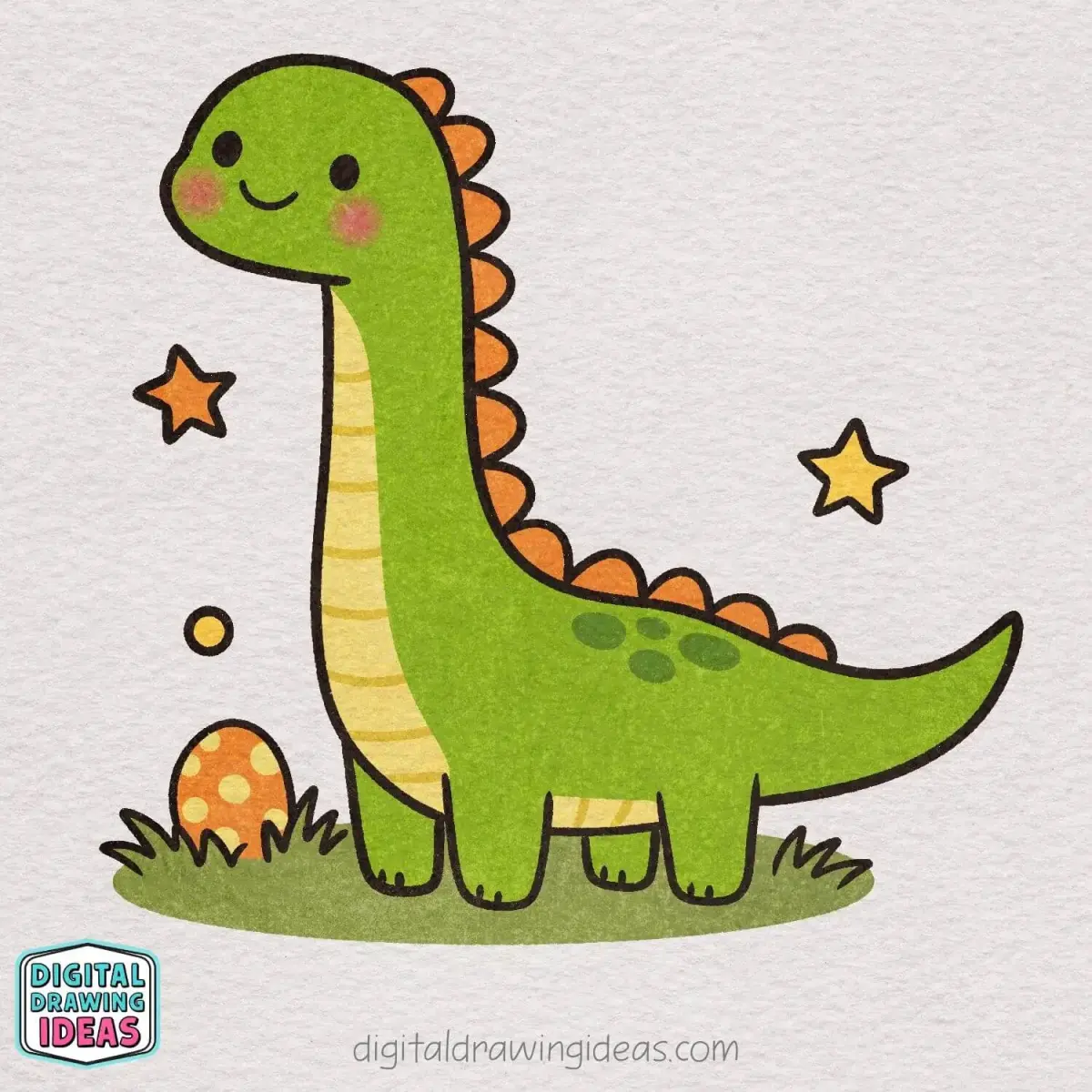
How do you draw a cartoon monster?
Short answer
Drawing a cartoon monster involves combining exaggerated anatomical features with imaginative, non-human traits. Start by sketching basic geometric shapes to form the body, then layer on asymmetrical details like extra eyes, horns, or tentacles. Focus on creating a distinct personality through expressions and posture to bring your unique creature to life.
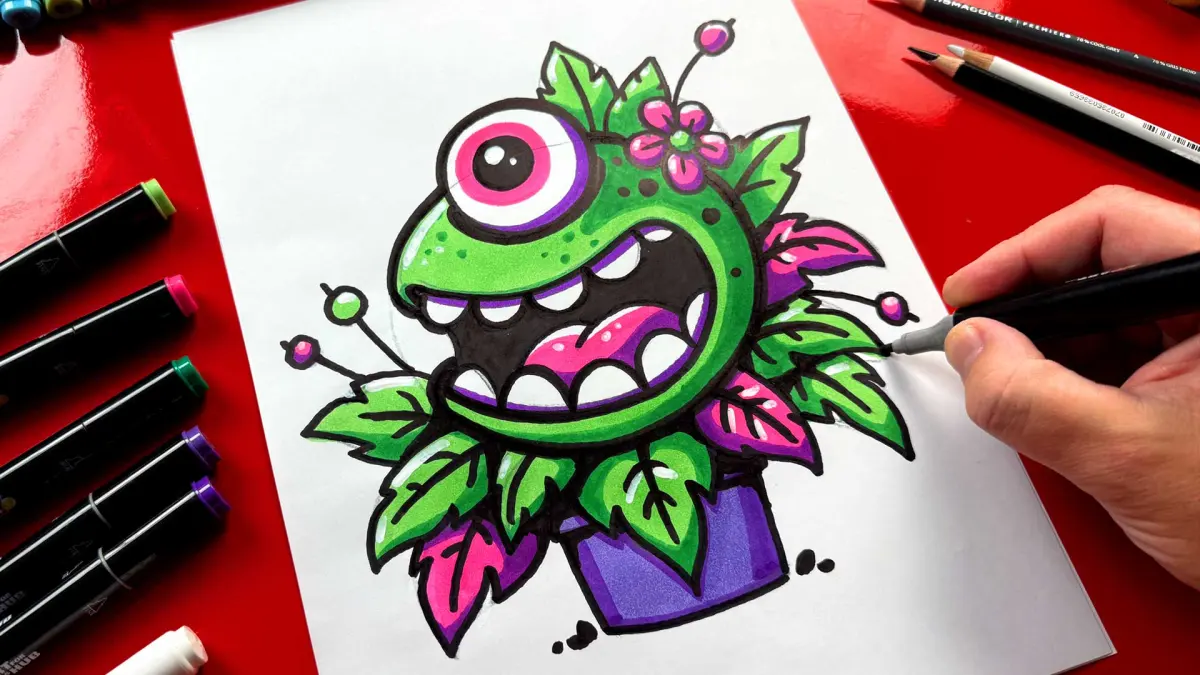
On this page
How to start drawing a monster
The most effective way to begin a monster design is by utilizing the "shape language" method. Artists typically start with simple geometric forms—circles, squares, and triangles—to establish the creature's silhouette before adding any fine detail. A round, blob-like shape suggests a friendly or clumsy monster, while sharp, angular triangles often indicate a dangerous or aggressive personality. By varying these base shapes, you create a foundation that feels balanced yet visually interesting.
Once the primary silhouette is established, you can begin to subdivide the body into smaller sections. Think about the monster’s environment and how that influences its anatomy. For example, a swamp-dwelling monster might benefit from webbed limbs or thick, armored skin, while a mountain-dwelling creature could have long, spindly legs for climbing. Do not worry about perfection at this stage; focus on the flow and volume of the character.
- Sketch a primary shape, such as a large oval for the torso.
- Add smaller circles or cylinders for limbs and joints.
- Use light pressure with your pencil so you can easily erase or adjust proportions later.
- Define the creature's center of gravity to ensure it looks stable on the page.
Best drawing techniques for beginners
For those new to character design, the key is to embrace asymmetry. In nature, few things are perfectly symmetrical, and adding slight variations to a monster’s features makes it feel more organic and unsettling. If your monster has two eyes, try making one significantly larger than the other or placing them at different heights. This simple shift immediately adds character and a sense of "life" to your drawing.
Another essential technique is the use of "line weight." By pressing harder on your pencil to create thicker, darker lines in areas where shadows would naturally fall, you give your monster a three-dimensional quality. Thinner lines should be reserved for highlights or areas that are further away from the light source. This contrast helps the viewer understand the monster's form and makes the drawing pop off the page.
- Vary the thickness of your outlines to create depth.
- Use cross-hatching to add texture to skin, fur, or scales.
- Incorporate "negative space" to define shapes rather than drawing every single outline.
- Experiment with different eye shapes, such as vertical slits or multiple pupils, to convey mood.
How to design unique monster features
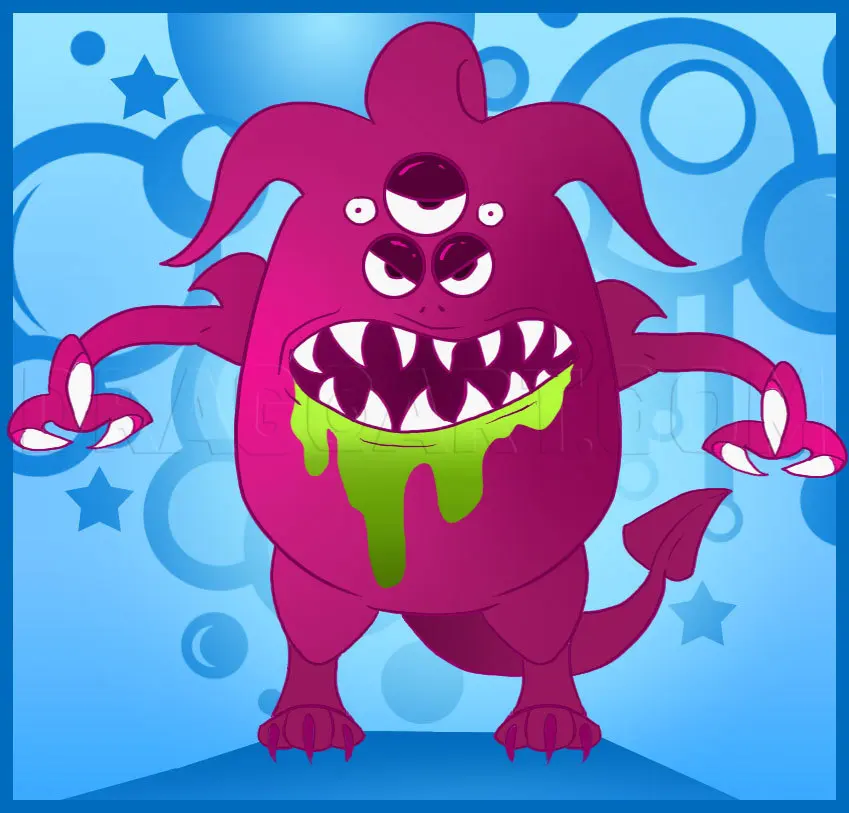
The personality of a monster is often dictated by its facial features and appendages. When designing these, look to the animal kingdom for inspiration, then exaggerate those traits to a cartoonish degree. You might combine the ears of a bat with the snout of a pig or the claws of a crab. The goal is to create a creature that feels like a cohesive unit rather than a random collection of parts.
Movement is also a crucial element of design. Consider how your monster interacts with the world; does it crawl, hop, or float? If it is a floating creature, you might draw it with flowing, ethereal tentacles instead of legs. If it is a heavy, ground-based monster, give it thick, stump-like feet that imply weight. These functional details help the audience understand the monster’s behavior without needing a written description.
Common mistakes when drawing monsters
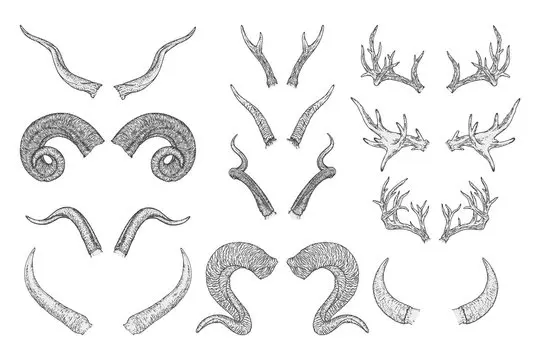
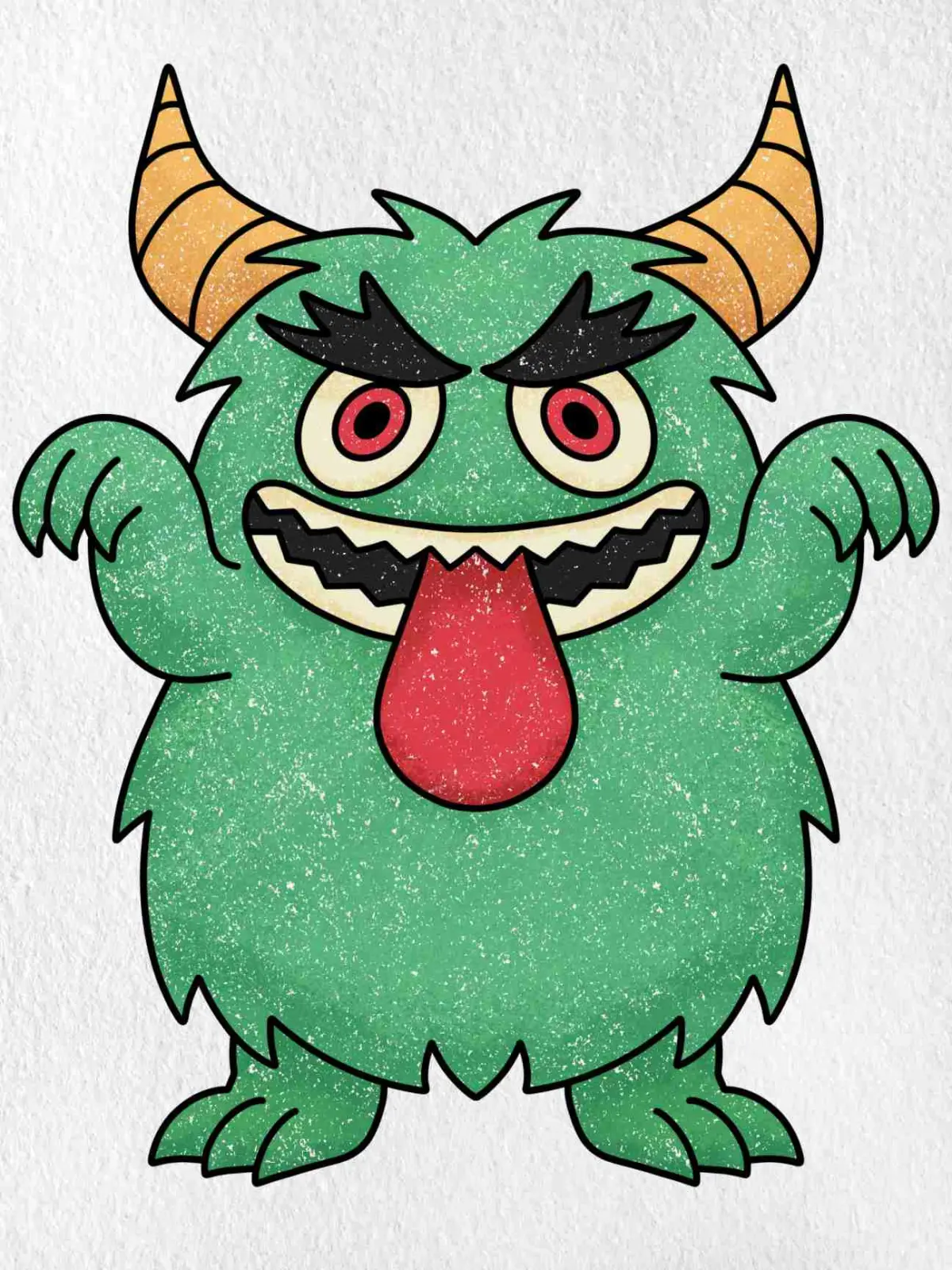
A frequent error is over-complicating the design with too many details. Beginners often try to add spikes, fur, scales, and armor all at once, which can make the character look cluttered and difficult to read. If your monster has too many competing elements, the viewer's eye will not know where to focus. It is better to have one or two "hero" features—such as an oversized mouth or massive horns—that define the character.
Another common mistake is ignoring the pose. A monster standing perfectly still can look stiff or lifeless. To fix this, use a "line of action" to guide the posture of your character. This is an imaginary line that runs through the spine or the main axis of the body, indicating the direction of movement or emotion. A curved line of action suggests a dynamic, active pose, while a straight line suggests rigidity or intimidation.
- Avoid "twinning," where both sides of the body are mirror images of each other.
- Do not forget to establish a clear light source to guide your shading.
- Refrain from using too many colors; stick to a limited palette for a professional look.
- Ensure the monster's limbs are long enough to reach its intended targets.
How to add personality and expression
Personality is what separates a generic creature from a memorable cartoon character. You can convey a monster's temperament through its eyebrows, mouth shape, and posture. A monster with heavy, low-hanging eyelids and a downturned mouth will immediately appear grumpy or tired, while wide eyes and an open mouth suggest surprise or excitement. These human-like expressions allow the audience to empathize with even the most grotesque creatures.
Finally, consider the monster's "accessory" or environment. Giving a monster a small item to hold or placing it in a specific setting tells a story about its life. Perhaps your monster is a collector of shiny objects, or maybe it is hiding behind a tree. By providing context, you transform a simple drawing into a character that exists within a larger, more interesting world. Keep practicing these elements, and your monsters will soon develop a distinct, recognizable style that is entirely your own.
Key facts
- Start with basic geometric shapes like circles, squares, or triangles to form the monster's core body.
- Use asymmetrical features, such as one eye larger than the other, to make the creature look more organic and unpredictable.
- Exaggerate physical traits like teeth, claws, or horns to establish the monster's personality and threat level.
- Incorporate textures like scales, fur, or slime by varying your line weight and adding small repeating patterns.
- Choose a limited color palette of two or three primary colors to keep the design visually cohesive and impactful.
- Avoid perfectly symmetrical proportions, as slight imperfections make a character appear more alive and less robotic.
The bottom line
Drawing a cartoon monster is an exercise in creative exaggeration and structural experimentation. By combining simple geometric building blocks with asymmetrical features and bold, expressive details, you can craft a memorable character. Focus on defining a clear silhouette and choosing a purposeful color palette to bring your creature to life. With consistent practice, you will develop the confidence to invent increasingly imaginative and distinct monster designs.
People also ask
How do I make a monster look friendly instead of scary?
Use rounded shapes, large eyes, and soft textures like fur to create a approachable aesthetic. Avoid sharp angles, jagged teeth, or dark, muted color schemes.
What is the best tool for drawing cartoon monsters?
Beginners should start with a graphite pencil and a kneaded eraser to easily adjust proportions. Digital tablets are also excellent for layering and experimenting with complex color schemes.
How many eyes should a monster have?
There is no set rule, as adding multiple eyes can enhance a monster's alien or strange appearance. Placing them in unusual locations, such as on stalks or limbs, creates a unique visual hook.
Why does my monster look flat?
You likely need to incorporate shading or overlapping shapes to suggest three-dimensional depth. Adding a simple drop shadow beneath the monster helps ground the character in its environment.
Should I give my monster a background?
A simple background helps establish a sense of scale and context for the creature. Keeping the background minimal ensures the monster remains the primary focus of the drawing.
How do I create a unique monster silhouette?
Focus on the overall outline before adding internal details like eyes or scales. If the silhouette is recognizable without any interior lines, you have successfully created a strong character design.
This answer was created with the help of AI research tools and reference sources. Spotted an error? Let us know — we correct mistakes quickly. See our editorial policy.