How do you draw a griffin step by step?
Short answer
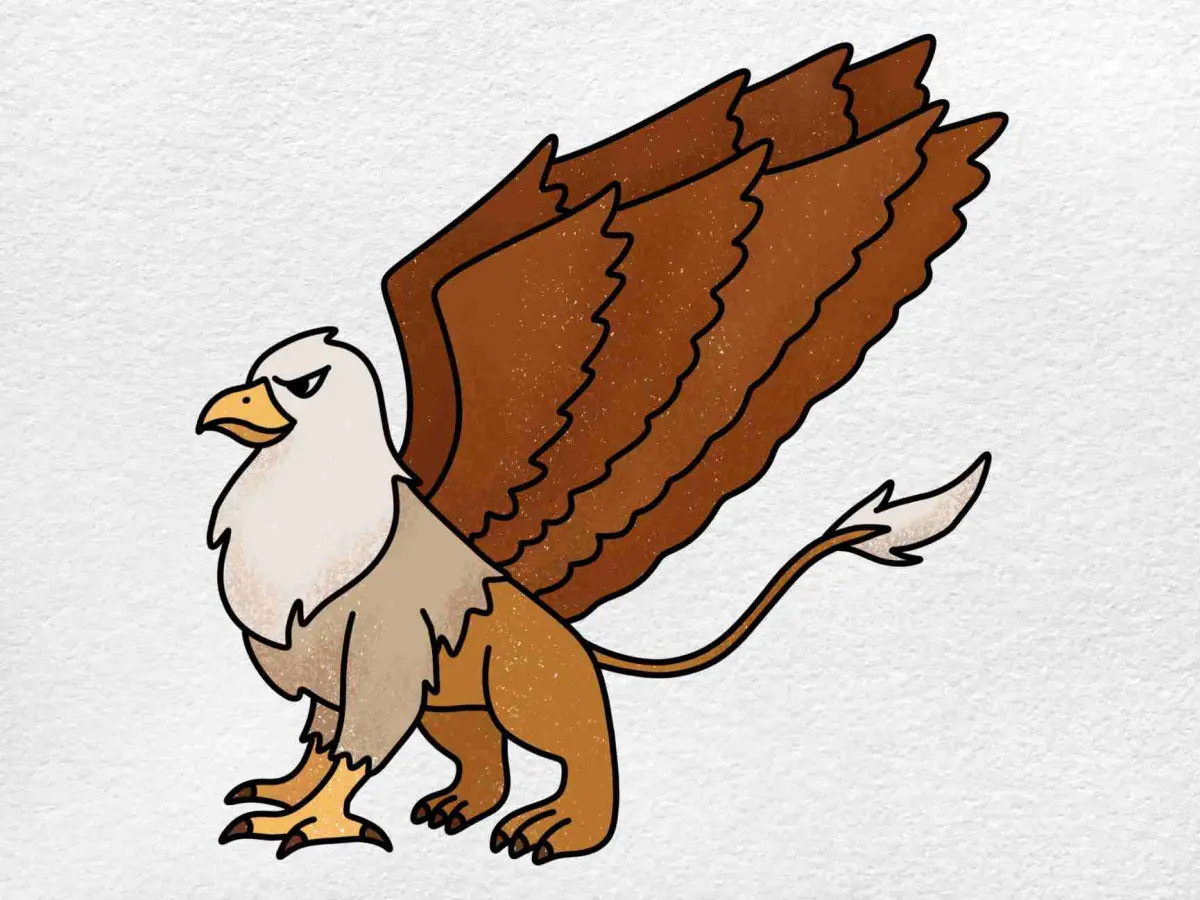
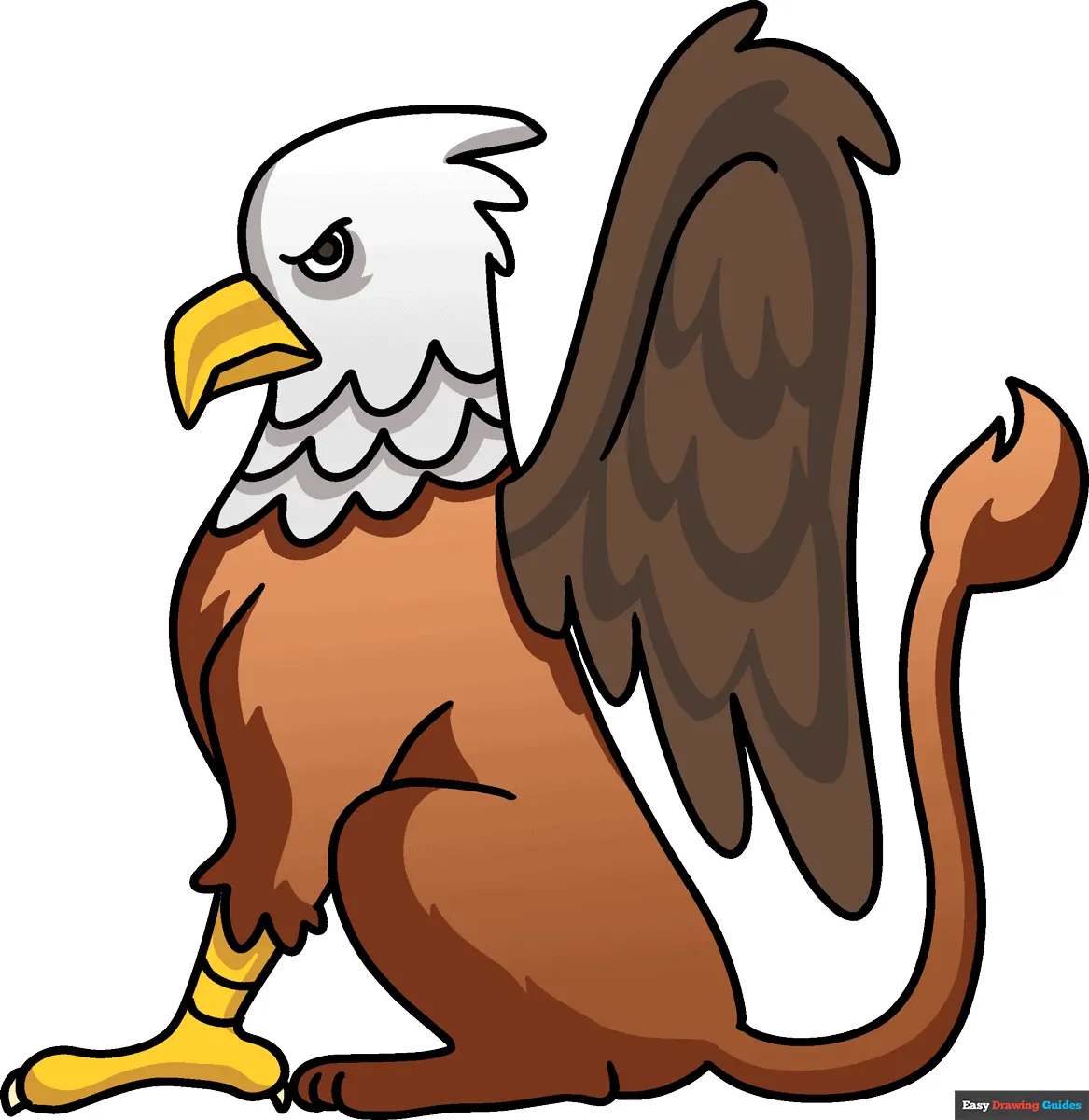
Drawing a griffin requires combining the anatomy of an eagle and a lion. Start by sketching basic geometric shapes for the head, chest, and hindquarters. Connect these with a fluid spine, then layer in feathers and fur. Focus on the transition point where the avian features meet the powerful feline body.
On this page
How to structure a griffin drawing
To construct a believable griffin, you must first establish a skeletal framework using simple shapes. Treat the front half of the creature as an eagle and the back half as a lion. Use a circle for the eagle's head, an oval for the chest, and a larger, heavier oval for the lion's hindquarters. Connect these shapes with a curved line representing the spine, ensuring the transition from the bird’s neck to the lion’s shoulders looks natural rather than abrupt.
Once the basic shapes are set, refine the proportions to ensure the creature looks balanced. A griffin is a predator, so its front legs should be muscular and taloned, while the back legs should possess the thick, powerful structure of a lion. Sketch these limbs using cylinders to establish depth and perspective. Keep your initial lines light, as you will need to erase them once you begin adding the finer details of fur and plumage.
How to draw the eagle head and wings
The head of a griffin is defined by the sharp, hooked beak of an eagle. Start by drawing a triangle-like shape for the upper mandible and a smaller one for the lower, ensuring they meet at a point. Place the eye slightly above the base of the beak, giving it a piercing, alert expression. Add tufts of feathers at the back of the head to create a transition into the lion’s mane, which helps bridge the gap between the two species.
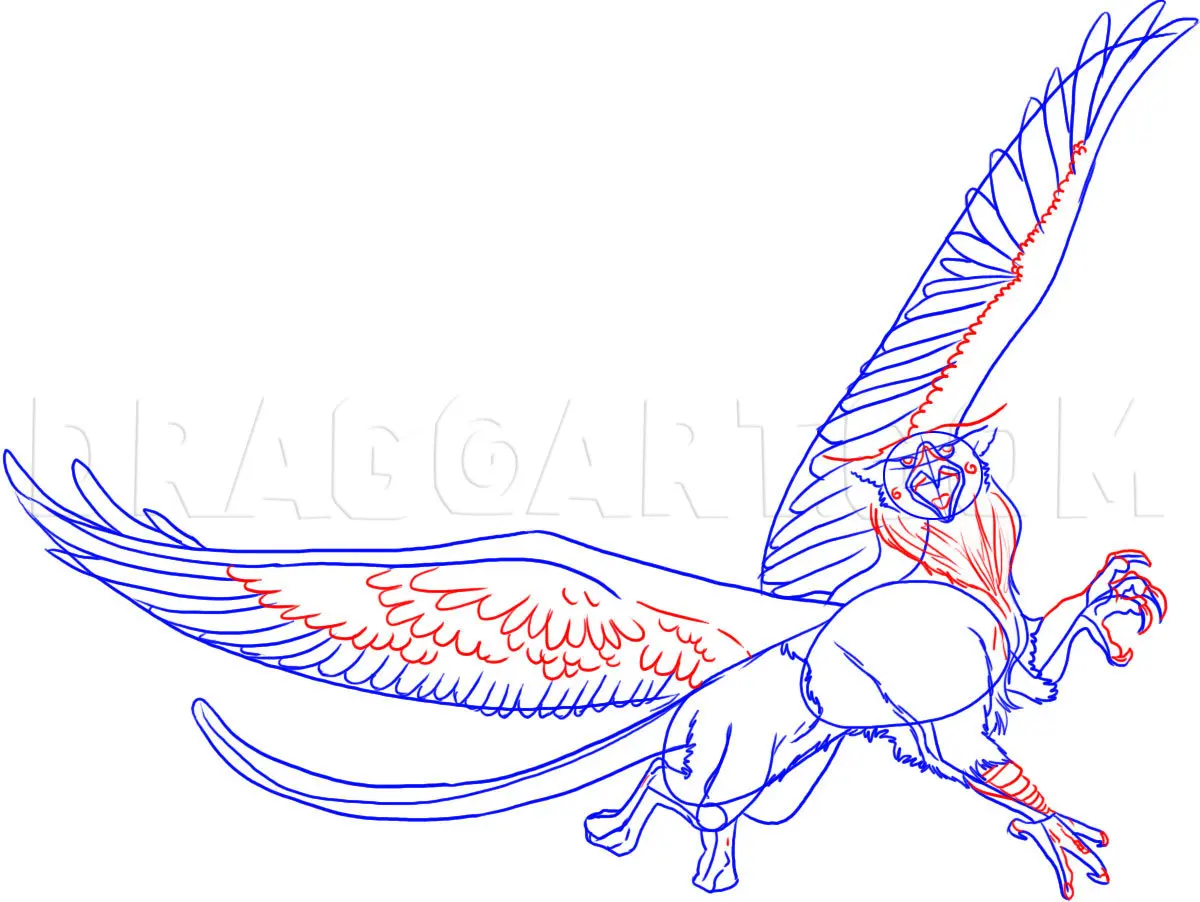
Wings are the most iconic feature of a griffin and require careful placement on the shoulder blades. Beginners often place wings too low, which makes the creature look grounded and heavy. Instead, attach the wings high on the back, just behind the lion’s mane. Use a fan shape to outline the primary and secondary feathers, ensuring they are long enough to look functional. Follow these steps to detail the wings:
- Draw a large, arched "arm" bone to serve as the wing’s leading edge.
- Sketch long, overlapping teardrop shapes to represent primary feathers.
- Add smaller, rounded feathers near the top to create texture and volume.
- Ensure the feathers follow the curve of the wing to suggest movement.
Best techniques for blending fur and feathers
The challenge in drawing a hybrid creature lies in the point where the eagle feathers meet the lion fur. Avoid drawing a hard line where these textures change; instead, allow the feathers to overlap the fur slightly. Use short, flicking pencil strokes to represent the transition, making the feathers appear to emerge from beneath the mane. This overlapping technique creates a realistic biological integration that makes the creature feel like a living organism.
When drawing the lion’s coat, focus on the direction of the fur growth. Fur should flow away from the spine and toward the belly, following the contours of the muscles you established earlier. For the mane, use longer, bolder strokes to indicate thickness and volume. Conversely, keep the fur on the legs shorter and tighter to emphasize the underlying bone structure. Using varying line weights—thicker lines for shadows and thinner lines for highlights—will add significant depth to your drawing.
Common mistakes when drawing griffins
One frequent error is failing to maintain consistent lighting across the entire body. Because a griffin is a complex figure, it is easy to accidentally shade the eagle head from one direction and the lion body from another. Establish a single light source before you begin shading, and ensure that all shadows fall consistently on the opposite side of the creature. This maintains the three-dimensional integrity of the hybrid form.
Another common mistake is neglecting the tail. A griffin often features a lion’s tail, which should balance the weight of the massive wings. If the tail is too short or thin, the creature will appear top-heavy and awkward. Make the tail long and thick at the base, tapering to a tuft of hair at the end. Avoid making the tail look like a stiff rod; give it a slight curve or "S" shape to suggest it is being used for balance or expression.
How to add final details and shading
Finalizing your griffin involves adding textures that distinguish the different parts of its anatomy. Use cross-hatching or stippling to darken the areas under the wings and beneath the belly, where light is naturally blocked. For the beak and talons, use smooth, solid shading to suggest a hard, keratin-like surface. These subtle differences in texture help the viewer distinguish between the soft feathers, the dense fur, and the sharp, dangerous parts of the creature.
After shading, go over your outline with a darker pencil to emphasize the silhouette. This makes the griffin stand out from the background and reinforces its powerful stature. Finally, check for any stray construction lines that might clutter the drawing and erase them carefully. By focusing on the interplay between the eagle’s sharp, avian features and the lion’s robust, feline musculature, you will create a compelling and anatomically convincing griffin that captures the essence of this legendary beast.
Key facts
- A griffin is a legendary creature traditionally depicted with the head, wings, and talons of an eagle and the body, tail, and hind legs of a lion.
- Start your sketch by drawing two overlapping circles: a smaller one for the eagle's head and a larger one for the lion's chest.
- Connect the shapes with a curved line for the neck, ensuring the transition from feathers to fur looks natural.
- Place the eagle’s hooked beak at the front of the smaller circle and add a sharp, piercing eye located slightly above the midline.
- Position the wings high on the shoulders, using long, layered ovals to represent primary and secondary feathers.
- Avoid making the lion's hind legs too thin; they must be muscular and powerful to support the weight of a creature that combines two apex predators.
The bottom line
Drawing a griffin requires balancing the distinct anatomical features of an eagle and a lion. By focusing on the structural connection between the avian head and the feline body, you can create a convincing mythical beast. Remember to emphasize the muscularity of the lion’s legs and the sharp detail of the eagle’s beak. With consistent practice and attention to proportion, you will master this legendary creature.
People also ask
What is the historical origin of the griffin?
The griffin appears in the art and lore of ancient civilizations, including those of the Near East, Egypt, and Greece. It was often viewed as a powerful guardian of divine treasure and a symbol of both earthly and aerial dominion.
How do I make the transition between bird and mammal parts look realistic?
Use a "ruff" of feathers where the eagle neck meets the lion shoulders to blend the two textures. This creates a visual bridge that makes the hybrid anatomy appear more cohesive and biologically plausible.
Should I draw the griffin standing or flying?
A standing pose is easier for beginners because it allows you to focus on the anatomy of the legs and paws. Flying poses require complex foreshortening of the wings, which can be difficult to master without practice.
What is the most common mistake when drawing a griffin?
The most frequent error is making the eagle head too small in proportion to the lion body. Since the griffin is a hybrid, the head should be large enough to command attention and balance the bulk of the feline torso.
Do griffins have ears?
While many artistic interpretations omit them, some traditions depict griffins with horse-like or tufted feline ears. Adding these can enhance the creature's predatory, alert appearance.
What kind of tail should a griffin have?
Most classical depictions feature a lion’s tail, which is long and ends in a tuft of hair. Avoid giving it a bird-like tail, as this disrupts the iconic silhouette of the lion’s hindquarters.
This answer was created with the help of AI research tools and reference sources. Spotted an error? Let us know — we correct mistakes quickly. See our editorial policy.