What is the best time to see salmon run in BC?
Short answer
The best time to see the salmon run in British Columbia is from late August through November. Peak viewing varies by species and location, with sockeye and chinook often appearing in late summer, while coho and chum salmon typically arrive in coastal streams throughout October and November.
On this page
When is the best time to see salmon?
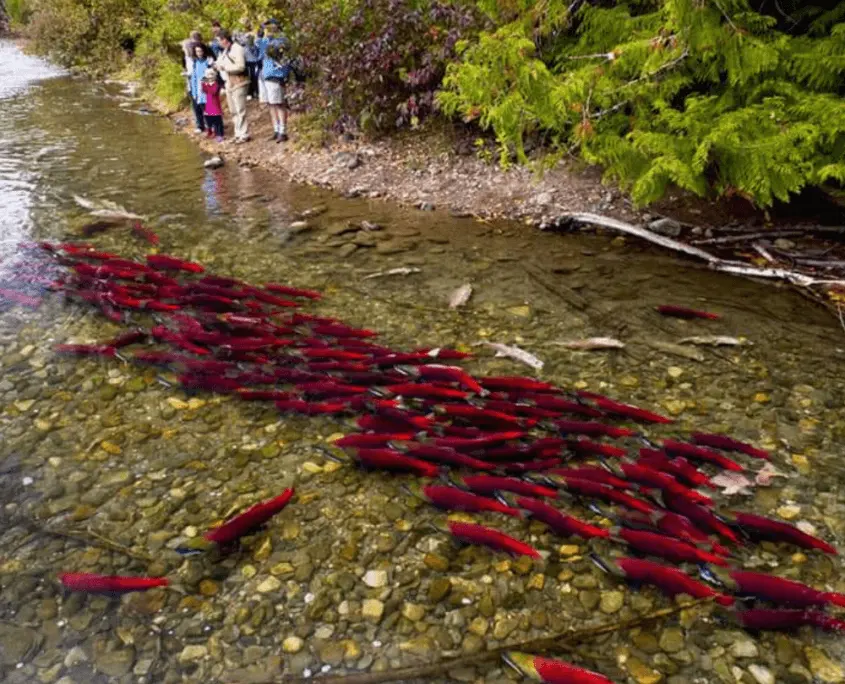
The salmon migration is a seasonal phenomenon dictated by species-specific life cycles and local water temperatures. While the window spans several months, the most consistent activity occurs during the autumn months when cooler temperatures and increased rainfall trigger the fish to move upstream. Sockeye salmon often begin their journey in late August, whereas chum and coho salmon are more common in the late fall.
Because salmon runs are highly dependent on environmental conditions, timing can shift by a few weeks each year. Low water levels during a dry autumn may delay the migration, while heavy rains can encourage a massive, sudden influx of fish. To maximize your chances, research the specific river system you intend to visit, as local hatcheries and conservation groups often provide real-time updates on fish counts and arrival dates.
Where are the best places to see salmon in BC?
British Columbia offers diverse habitats ranging from urban streams to remote wilderness rivers. Vancouver Island and the Lower Mainland are particularly famous for accessible viewing spots, many of which feature boardwalks and educational signage. These locations are managed to protect the salmon while allowing the public to witness the spectacle safely.
Consider these top locations for your excursion:
- Adams River (Shuswap): Famous for the massive sockeye run, especially during "dominant" years.
- Goldstream Provincial Park (Victoria): An excellent spot to see chum salmon in late autumn.
- Capilano River Hatchery (North Vancouver): Ideal for seeing chinook and coho in a controlled, educational setting.
- Weaver Creek Spawning Channel (Agassiz): A specialized facility designed to maximize sockeye survival rates.
How to prepare for a salmon viewing trip
Successful salmon viewing requires patience and the right equipment. Because these events occur in natural, often damp environments, dressing in layers and wearing waterproof footwear is essential. Remember that you are entering a sensitive ecosystem, so staying on designated paths is non-negotiable to prevent damage to the spawning beds.
Follow these steps to ensure a productive visit:
- Check local park websites or social media pages for "peak run" reports one week before you depart.
- Pack polarized sunglasses to reduce glare on the water, which makes it significantly easier to spot moving fish.
- Bring binoculars if you are visiting a larger river where the fish may be further from the banks.
- Plan your arrival for early morning or late afternoon, as these are the times when salmon are often most active.
Why does the salmon run happen?
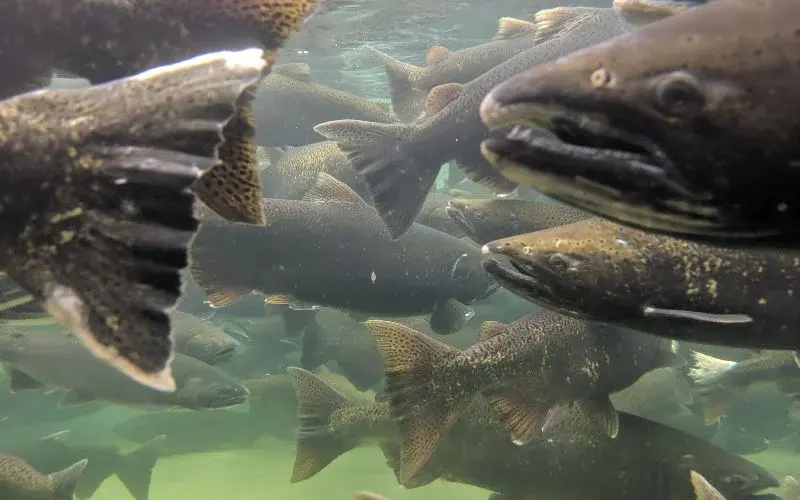
The salmon run is the final stage of an anadromous life cycle, where fish return from the ocean to the freshwater streams where they were born. This migration is driven by an innate biological clock and a keen sense of smell that allows them to navigate back to their natal waters. Once they reach these spawning grounds, the salmon deposit and fertilize eggs before completing their life cycle.
This event is a vital ecological engine for British Columbia. The carcasses of the spawned-out salmon provide essential nutrients to the surrounding forest, supporting everything from insects to grizzly bears and bald eagles. Understanding this cycle helps viewers appreciate the salmon not just as a spectacle, but as a cornerstone of the Pacific Northwest ecosystem. Seeing the fish in their final state is a powerful reminder of the connectivity between the ocean and the land.
Common mistakes when watching salmon
Many visitors inadvertently disturb the salmon or miss the best viewing opportunities by failing to follow basic wildlife etiquette. The most frequent error is attempting to get too close to the water or allowing pets to enter the stream. Salmon are easily spooked by shadows and vibrations, and any disruption can cause them to abandon their spawning efforts, which directly impacts the next generation.
Avoid these common pitfalls to ensure a respectful experience:
- Do not throw rocks or objects into the water to "encourage" the fish to move, as this causes significant stress.
- Keep dogs on a leash at all times, as they can easily damage the delicate gravel beds where eggs are laid.
- Avoid using flash photography, which can startle the fish and ruin the experience for other observers.
- Do not attempt to touch or handle the salmon, as they are physically exhausted and vulnerable to pathogens during this stage of their journey.
Key facts
- The peak salmon run in British Columbia occurs between late August and early November, depending on the species and location.
- Sockeye salmon are most active in late summer, while Chum and Coho runs typically peak in October and November.
- The Adams River in the Shuswap region is famous for its dominant sockeye run, which occurs every four years.
- Always check the local Pacific Salmon Commission or Fisheries and Oceans Canada (DFO) websites for real-time run timing updates.
- Choose viewing spots with designated platforms to protect sensitive riverbank vegetation and salmon spawning beds.
- Wear polarized sunglasses to reduce glare on the water, making it significantly easier to spot moving fish.
The bottom line
To witness the salmon run in British Columbia, plan your visit between September and October for the best results. Focus on major spawning rivers like the Adams or the Vedder, and always prioritize the safety of the fish by staying on marked trails. By timing your trip with local run reports and respecting environmental regulations, you ensure a memorable experience while protecting these vital natural ecosystems.
People also ask
Which species of salmon are found in British Columbia?
British Columbia is home to five Pacific salmon species: Chinook (King), Sockeye (Red), Coho (Silver), Pink (Humpback), and Chum (Dog). Each species has a unique life cycle and distinct migration timing.
Is it legal to touch or catch salmon during their run?
It is illegal to disturb spawning salmon or their eggs, and fishing is strictly regulated by seasonal closures. Always consult the DFO recreational fishing regulations for your specific area before heading out.
What should I bring for a successful viewing trip?
Bring waterproof boots, a rain jacket, and binoculars to observe the fish from a distance. A camera with a fast shutter speed is ideal for capturing the salmon as they leap through rapids.
Why do salmon change color when they return to spawn?
As salmon move from saltwater to freshwater, they stop feeding and undergo hormonal changes that alter their skin color. This transformation helps them attract mates and signals the end of their life cycle.
Can I bring my dog to watch the salmon run?
Many parks require dogs to be kept on a leash to prevent them from chasing or trampling fish in shallow water. Check specific park signage, as some sensitive spawning channels prohibit pets entirely.
What is the "dominant" run cycle for Adams River sockeye?
The Adams River experiences a "dominant" cycle every four years, where millions of sockeye return to spawn. The next major dominant year is expected in 2026, offering the most spectacular viewing opportunities.
This answer was created with the help of AI research tools and reference sources. Spotted an error? Let us know — we correct mistakes quickly. See our editorial policy.