Where can you see the northern lights in BC?
Short answer
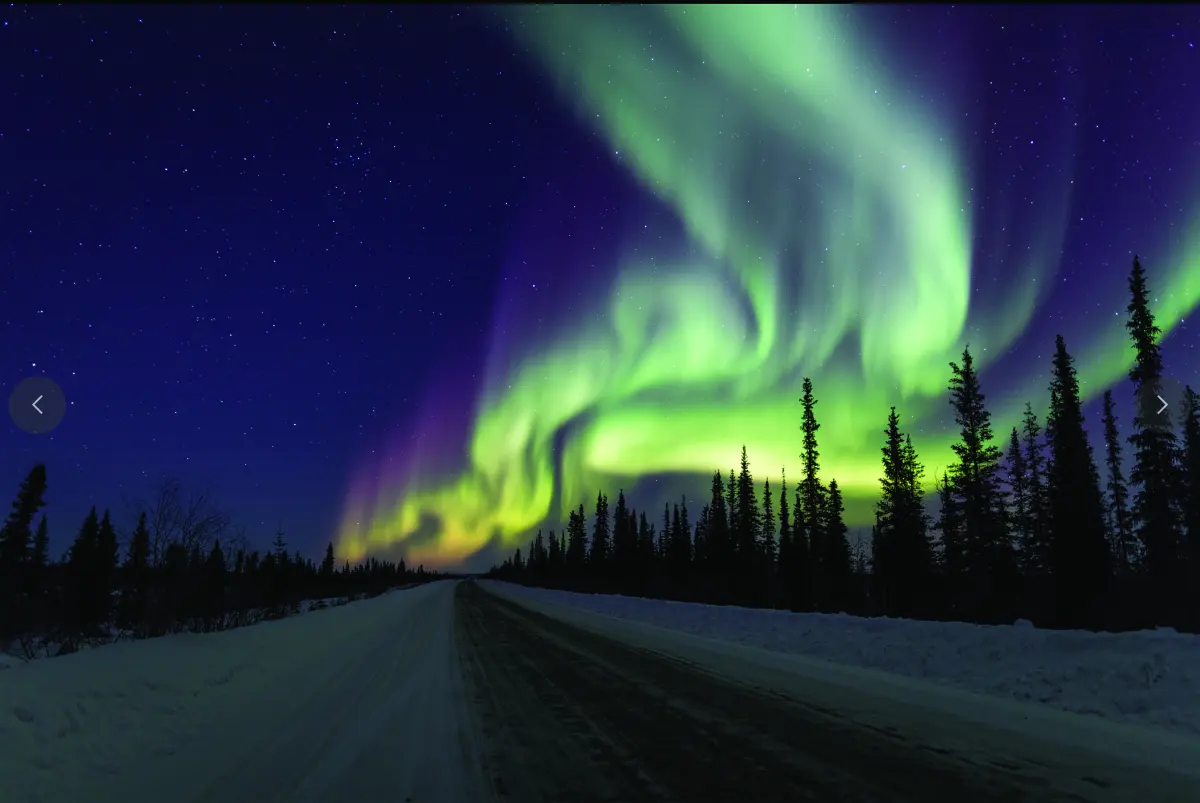
You can see the northern lights throughout British Columbia, particularly in northern regions like Fort Nelson, Muncho Lake, and Prince George. While visibility increases the further north you travel, displays occasionally reach southern areas, including Vancouver Island and the Okanagan, during periods of high solar activity or intense geomagnetic storms.
On this page
Where is the best place to see the northern lights in BC?
The most reliable locations for viewing the aurora borealis in British Columbia are situated in the northern half of the province. Areas near the Yukon border, such as the Northern Rockies and the Liard River Valley, offer the highest frequency of sightings due to their proximity to the magnetic pole. These regions feature minimal light pollution and expansive, unblocked horizons, which are essential for observing faint atmospheric displays.
Communities like Fort Nelson and Muncho Lake are prime destinations for aurora hunters. In these areas, the lights can appear even during moderate solar activity. While northern BC is the gold standard for viewing, central regions like Prince George and the Cariboo also provide excellent opportunities. In these locations, finding a spot away from municipal streetlights is the most critical factor for success.
- Fort Nelson: Offers high-latitude viewing with clear, cold winter nights.
- Muncho Lake: Provides a stunning backdrop of mountains and reflective water.
- Prince George: Accessible northern hub with numerous dark-sky spots nearby.
- Tumbler Ridge: High elevation and low light pollution create ideal conditions.
When is the best time to see the northern lights?
The aurora borealis is visible in British Columbia from late August through mid-April. The fall and spring equinoxes, occurring in September and March, are statistically the most active times for geomagnetic disturbances. During these months, the Earth’s magnetic field is better positioned to interact with the solar wind, often resulting in more frequent and vibrant displays of light.
Winter remains the most popular season for viewing because of the extended hours of darkness. Between November and February, the sun sets early, providing a long window for observation. However, winter weather can be unpredictable. You must balance the need for dark, clear skies with the reality of frequent cloud cover in the Pacific Northwest. Monitoring local weather forecasts is essential for avoiding disappointment during your trip.
- Check the Kp-index, which measures geomagnetic activity on a scale of 0 to 9.
- Aim for a Kp-index of 4 or higher for sightings in central BC.
- Use specialized apps or websites to track real-time solar wind data.
- Plan your trip around the new moon to ensure the darkest possible sky.
How to photograph the northern lights effectively
Capturing the aurora requires specific camera settings and patience. Because the lights move constantly, you should use a camera with manual controls, such as a DSLR or mirrorless model, mounted on a sturdy tripod. A wide-angle lens with a large aperture, ideally f/2.8 or lower, is necessary to gather enough light from the faint, shifting curtains of color.
Set your focus to manual and use the infinity setting or focus on a bright star. Start with an ISO between 800 and 3200 and an exposure time of 5 to 20 seconds. If the aurora is moving quickly, use a shorter exposure to keep the shapes crisp. If the display is faint and static, a longer exposure will help capture more color and detail in the night sky.
- Use a remote shutter release or a self-timer to prevent camera shake.
- Bring extra batteries, as cold temperatures drain power much faster than usual.
- Keep your lens free of frost by using a specialized heater or a hand warmer.
- Review your images frequently to adjust your exposure settings based on the intensity.
Common mistakes when hunting for the northern lights
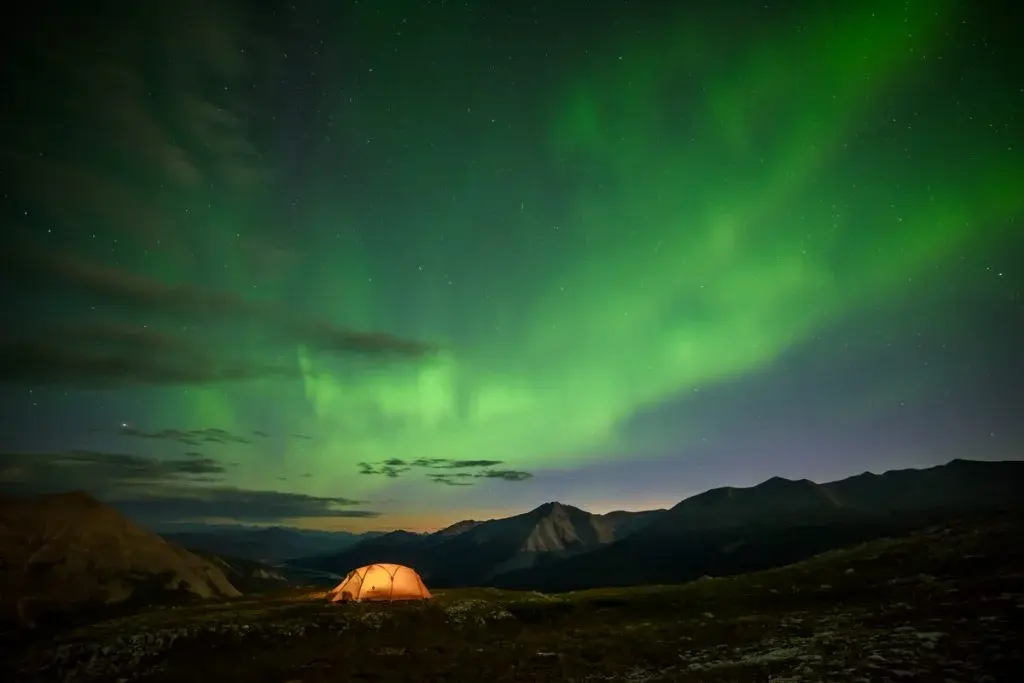
A frequent error is failing to account for light pollution. Even a small amount of ambient light from a nearby town or a bright porch lamp can wash out the delicate colors of the aurora. Always scout your location during the day to ensure you can safely navigate to a dark, open area at night. Avoid areas with heavy tree cover, as you need a wide view of the northern horizon.
Another mistake is giving up too early. The aurora is notoriously fickle and can appear suddenly after hours of inactivity. Many travelers head back to their accommodation after an hour of waiting, only to miss a spectacular show later in the night. Dress in multiple layers of insulated clothing, bring a thermos of hot liquid, and prepare for a long, stationary wait in the cold.
- Do not rely solely on your eyes; cameras often pick up colors that are invisible to the naked eye.
- Avoid checking your phone screen constantly, as the bright light will ruin your night vision.
- Do not assume the lights will always be green; look for hints of purple or red.
- Always inform someone of your location if you are heading into remote wilderness areas.
How to prepare for a northern lights trip
Preparation is the key to a successful aurora expedition in British Columbia. Because the best viewing spots are often remote, you should ensure your vehicle is equipped with winter tires and an emergency kit. Road conditions in northern BC can change rapidly, and cell service is frequently unavailable in the wilderness. Download offline maps and keep a physical compass or GPS device handy.
Finally, manage your expectations regarding the visual experience. While photographs in magazines show bright, dancing neon lights, the reality can sometimes be a subtle, milky glow that shifts slowly across the sky. When the solar activity is high, the display will be much more dramatic, but the beauty of the aurora often lies in its quiet, ethereal nature. Embrace the adventure of the northern wilderness, and you will find the experience rewarding regardless of the intensity of the lights.
Key facts
- The northern lights, or aurora borealis, are visible in British Columbia when solar activity is high and the sky is dark.
- Northern regions like Fort Nelson, Dawson Creek, and Prince George offer the best chances due to their higher geomagnetic latitude.
- The optimal viewing season runs from late August to mid-April when nights are longest and darkest.
- Light pollution is the enemy of aurora viewing; travel at least 30 to 50 kilometers away from city centers for the best experience.
- A clear, cloudless sky is essential, as the aurora occurs high in the atmosphere above the cloud layer.
- Check the Kp-index, a scale from 0 to 9 measuring geomagnetic activity; a rating of 4 or higher often makes the lights visible in northern BC.
The bottom line
To successfully witness the northern lights in British Columbia, prioritize traveling to northern latitudes like Fort Nelson during the winter months. Seek out dark, cloudless locations far from urban light pollution and monitor the Kp-index for peak solar activity. Patience is vital, as the aurora is unpredictable; prepare for cold temperatures and remain in the dark for at least twenty minutes to maximize your visual sensitivity.
People also ask
What is the best time of night to see the aurora?
The most active time for the northern lights is typically between 10:00 PM and 2:00 AM. While displays can happen earlier or later, this four-hour window provides the highest probability of catching a peak show.
Do I need special equipment to see the lights?
You do not need special equipment, but a tripod is helpful if you want to take long-exposure photographs. Your eyes are the best tool, though it may take 20 minutes for them to fully adjust to the darkness.
Can I see the northern lights from Vancouver?
It is rare to see the aurora from Vancouver due to intense light pollution and southern latitude. You would need an exceptionally strong geomagnetic storm and a location with a clear view of the northern horizon away from city lights.
How do I track the northern lights?
Use apps like Aurora Forecast or websites such as SpaceWeather.com to monitor solar wind speeds and the Kp-index. These tools provide real-time alerts when activity is high enough to be visible in your specific region.
What should I wear for a night of aurora hunting?
Dress in multiple insulating layers, including thermal base layers, a heavy parka, and waterproof boots. Temperatures in northern BC drop significantly at night, and you will be standing still for long periods while waiting for the lights.
What is a common mistake when searching for the aurora?
A major mistake is giving up too early or assuming the lights will be bright to the naked eye immediately. The aurora often starts as a faint, greyish glow that only reveals its color and movement after you have waited in total darkness.
This answer was created with the help of AI research tools and reference sources. Spotted an error? Let us know — we correct mistakes quickly. See our editorial policy.